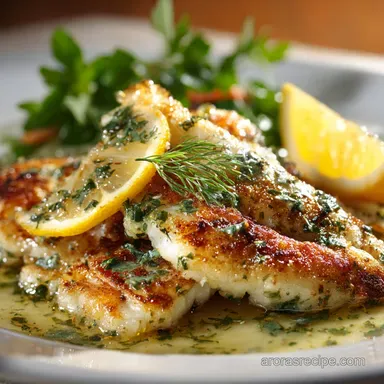
Lemon Herb Panseared Flounder Fillets: Simply Sublime and Ready in 25 Minutes
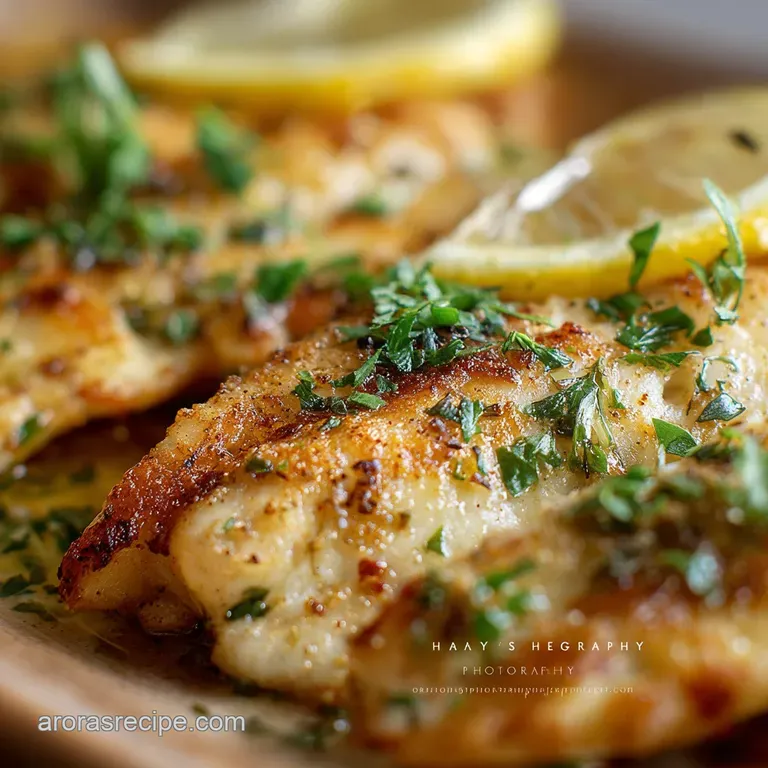
- Introducing Simply Sublime Lemon Herb PanSeared Flounder Fillets
- Mastering the Sear: Why This Lemon Herb Flounder Recipe Delivers
- Essential Ingredients for Lemon Herb Pan-Seared Flounder Fillets
- Flounder Substitutions and Ingredient Notes
- Step-by-Step: Pan-Searing Flounder to Golden Perfection
- Expert Tips for Flounder Success and Avoiding Common Mistakes
- Elegant Pairings: What to Serve Alongside Your Flounder
- Storage and Reheating Lemon Herb PanSeared Flounder Fillets
- Recipe FAQs
- 📝 Recipe Card
Introducing Simply Sublime Lemon Herb PanSeared Flounder Fillets
When that delicate fish hits the hot butter, the aroma is pure kitchen magic. You get that initial sharp scent of searing white fish followed by the incredibly bright, zesty perfume of lemon hitting a hot pan.
It creates a ridiculously satisfying, golden brown crust that is so much easier to achieve than you think.
Weeknights are a sprint, right? This recipe for [Lemon Herb PanSeared Flounder Fillets] is your ultimate secret weapon. It looks like something they charge $35 for at a fancy bistro, but it takes less than 30 minutes start-to-finish.
It’s light, healthy, and significantly cheaper than ordering takeout.
I used to be terrified of cooking delicate fish, always ending up with a torn, soggy mess stuck to the pan. Now, I have the fool proof technique dialed in, and I’m sharing all the secrets for the perfect quick sear and that bright, buttery pan sauce.
Let’s make the best [Quick Lemon Flounder Dinner] you've ever had.
Mastering the Sear: Why This Lemon Herb Flounder Recipe Delivers
The 30 Minute Seafood Secret: Sophistication in a Flash
Flounder is wonderfully thin, which means it cooks fast. It's the ultimate delicate fish for the time crunched cook because you don't need a long oven bake or extended resting time. The entire process sear, flip, sauce is over before you can finish pouring a glass of wine.
Why Flounder is the Ideal Canvas for Bright, Buttery Flavors
Flounder, or its close cousin sole, has a super mild, almost sweet flavor profile. It doesn't fight the sauce. Instead, its delicate nature simply absorbs the bold, zesty notes of the lemon and the fresh herbaceousness. It’s the perfect white fish for people who think they don’t like fish.
The Delicate Art of Achieving a Golden Brown Crust
Searing is essential for texture. We aren't just heating the fish; we are deliberately browning the surface proteins at high heat. This creates that delicious, slightly crunchy crust that provides the necessary textural contrast to the soft, flaky interior.
The Maillard Reaction on Thin Fillets: Texture Science
The Maillard reaction is just a fancy way of saying "browning creates flavor." Because flounder fillets are so thin, we only have a short window to make this happen. This is why we use high heat and dry fish.
If the pan is not screaming hot, the water in the fish steams out, preventing the golden crust we crave.
Balancing Acidity and Fat: The Buttery Lemon Finish
The finishing touch here is a classic pan sauce, a sort of cheater's beurre blanc . We use the drippings (the fond ) from the searing process, deglaze with lemon juice, and then whisk in cold butter cubes.
The acidity of the lemon cuts through the richness of the butter, leaving you with a light, complex, and incredibly flavorful coating for the fish.
Selecting the Perfect Herb Profile for White Fish
We are sticking to classic, bright herbs that complement seafood beautifully. Parsley offers clean freshness, while a hint of chives or dill adds a necessary, savory depth without being overwhelming. You want herbs that shout "Springtime!" not "Roast Dinner!"
Essential Ingredients for Lemon Herb Pan-Seared Flounder Fillets
You really don't need much to create this high impact [Zesty Lemon Herb Flounder]. Freshness is absolutely key here, especially for the lemon juice and the herbs.
- Flounder Fillets: Medium thickness, patted very dry.
- Neutral over High heat Oil: Grapeseed or canola works great.
- Unsalted Butter: Both for searing and building that glorious sauce.
- Fresh Garlic: Minced fine.
- Fresh Lemon Juice and Zest: Do not use bottled juice it tastes totally flat.
- Fresh Herbs: Parsley and Dill (or chives).
- Salt and Pepper: Use kosher salt for better control.
Flounder Substitutions and Ingredient Notes
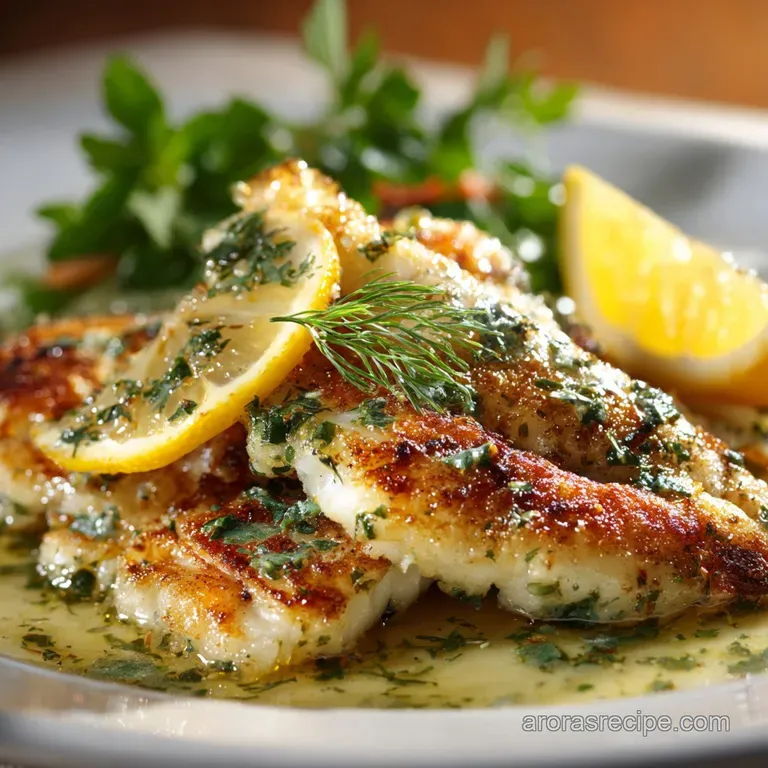
Selecting the Freshest Flounder or Sole
Look for fillets that are firm, translucent, and have a fresh, slightly briny smell not a fishy one. Freshness is paramount, especially when you are eating the fish on its own like this. If you can’t get flounder, sole works identically.
The Butter vs. Oil Debate for over High heat Searing
We use both . The over high heat oil (like canola) gets the pan hot enough for the initial sear without burning. Butter has a low smoke point and would burn immediately. We add butter right at the end of the sear and into the sauce for that unmistakable, rich flavor.
Do not use only butter for the initial sear.
Herb Profile: Why Parsley and Chives Are Non-Negotiable
Parsley adds body and freshness, and chives (or dill) adds that beautiful delicate oniony bite that complements fish perfectly. If you want a more complex profile, try a tiny bit of tarragon, but use it sparingly as it can easily dominate the dish.
What Other White Fish Can You Use in Place of Flounder?
You can absolutely use other delicate white fish for this method, though you may need to adjust the cooking time slightly.
| If you don't have... | You can use... | Notes |
|---|---|---|
| Flounder | Lemon Sole or Dover Sole | Identical cook time and thickness. |
| Flounder | Tilapia or Catfish | Cook time is similar, flavor is still mild. |
| Flounder | Cod or Haddock | Thicker fillets, increase cook time by 2- 3 minutes per side. |
Can I Use Dried Herbs Instead of Fresh?
Please, for the love of all that is delicious, no . The magic of this dish is the brightness and punch of the fresh herbs. Dried herbs simply won't integrate into the light butter sauce the same way and will taste dull.
If you must use dried, use about 1/3 the amount and add them into the butter sauce early to "wake them up."
Prepping Fillets: Thickness and Skin-On vs. Skin Off
Flounder is usually sold skin off, which is what we want. If you end up with skin-on, sear it skin side down first for 90% of the cooking time to crisp up the skin, then flip briefly to finish. Always pat the fish dry. That is my number one secret to this whole operation.
Step-by-step: Pan-Searing Flounder to Golden Perfection
This is the exact sequence I follow every time for the perfect pan-seared fillet.
- Prep the Fish Like a Pro: Grab your fillets and paper towels. Pat them aggressively dry, then season both sides generously with salt and pepper. If you want an extra crispy crust, dust the flesh side lightly with flour, shaking off all excess.
- Heat the Pan: Place a heavy bottomed pan (cast iron is best) over medium high heat. Add the over high heat oil. Wait until the oil is shimmering and just starting to give off wisps of smoke. This is the moment!
- The over High heat Sear: Gently lay the fillets in the pan, ensuring they aren’t touching. Cook the first side for 3 to 4 minutes undisturbed. You should see the fillet edges turn opaque halfway up.
- Flip and Add Butter: Carefully slide a thin fish spatula under the fillet and gently flip it. Immediately add 1 tablespoon of butter next to the fish in the pan. Reduce the heat slightly to medium.
- Finish Cooking: Cook for another 1 to 2 minutes until the fish is opaque throughout and flakes easily. Transfer the cooked flounder immediately to warm serving plates.
Chef's Note: I once rushed the flip and shredded the first fillet I tried to make. Lesson learned: Don't flip until the fish naturally releases from the pan. If it’s sticking, it’s not ready!
- Sauté Aromatics: Reduce the heat to low. Add the minced garlic to the leftover oil/butter and cook for about 30 seconds until you smell that beautiful, nutty aroma. Don't let the garlic burn!
- Build the Sauce Base: Pour in the lemon juice and scrape up all those delicious brown bits (the fond ) clinging to the pan bottom that's pure flavor!
- Emulsify the Finish: Remove the pan completely from the heat. Whisk in the cold, cubed butter, one cube at a time. The cold butter will thicken the lemon juice, giving you a beautiful, glossy, restaurant style sauce.
- Herbs and Serve: Stir in the fresh parsley, dill, and lemon zest. Spoon the incredible, bright sauce immediately over your warm [Lemon Herb PanSeared Flounder Fillets].
Expert Tips for Flounder Success and Avoiding Common Mistakes
Prepping and Seasoning the Fillets Just Before Cooking
Seasoning too early draws moisture out of the fish, meaning your sear will be impossible. Do all your chopping first, heat your pan, and only season the fish right before it hits the oil.
Achieving the Hot Pan, Quick Sear Technique (Temperature is Key)
If your pan isn't hot enough, the fish will immediately start sticking, steaming, and tearing when you try to flip it. Look for shimmering oil and the edges of the fillet quickly turning white. If you hear a gentle sizzle, that's fine. If you hear a sad, quiet hiss, your pan needs more heat.
Building the Simple, Bright Lemon Herb Pan Sauce
The biggest mistake here is adding the butter while the pan is still blazing hot. That makes the sauce separate into a greasy mess. Pull the pan off the heat entirely when you whisk in the butter. This creates that stable, rich emulsion we call the pan sauce.
Handling Delicate Fillets Without Breaking Them
Invest in a thin, flexible fish spatula. Seriously, it makes all the difference. Its wide, angled surface provides maximum support when you slide it under the fillet. Only flip the fish once, when you are absolutely sure that crust has formed and the fillet is firm.
Troubleshooting: Why Is My Fish Sticking to the Pan?
There are only two reasons. 1. The pan wasn't hot enough. 2. The fish was too wet. You fix both by ensuring the fish is bone dry and your pan is screaming hot before the first fillet touches the oil.
The Critical Internal Temperature Check for Doneness
Flounder should be cooked until it reaches an internal temperature of 145°F (63°C). Because it's so thin, this usually means the moment it turns opaque and flakes easily with a fork, it's done. Pull it immediately —it will continue cooking slightly on the plate.
Elegant Pairings: What to Serve Alongside Your Flounder
The beauty of [Lemon Herb PanSeared Flounder Fillets] is that they pair wonderfully with almost anything light and fresh.
Classic Starchy Sides (e.g., Light Risotto or Roasted Potatoes)
A small scoop of light, fluffy jasmine rice or a simple batch of roasted baby potatoes with rosemary works perfectly. I often love serving this with a creamy, bright carb side like my [30Minute Creamy Fusilli Pasta Recipe Lemon Pancetta Peas] just skip the pancetta if you want to keep the dish super light.
Light and Bright Vegetable Accompaniments
Steamed asparagus, pan-seared green beans with almonds, or a simple green salad dressed with a vinaigrette are all fantastic options. You want something crunchy that complements the buttery fish.
The Best Wine Pairings for Lemon Based Seafood
Go for crisp, dry white wines. A New Zealand Sauvignon Blanc or an Italian Pinot Grigio cuts beautifully through the richness of the butter and enhances the lemon flavor. If you're looking for a non-alcoholic option, the tartness in a batch of [Sunset Serenity Prickly Pear Lemonade The Ultimate Summer Refresher] is surprisingly delicious with white fish.
Storage and Reheating Lemon Herb PanSeared Flounder Fillets
Best Practices for Refrigerating Leftovers
Cooked flounder should be cooled rapidly and stored in an airtight container in the refrigerator. It is best eaten within 2 to 3 days. Seafood tends to absorb stronger flavors quickly, so keep it well sealed.
The Ideal Way to Reheat Without Drying Out
Never microwave it! You’ll dry it out completely. Preheat your oven or toaster oven to a low temperature, around 275°F (135°C). Place the fish in an oven safe dish, cover it loosely with foil, and warm it for about 10– 15 minutes until just heated through.
Can Cooked Flounder Be Frozen?
Technically, yes, but I really advise against it. Delicate white fish suffers severely when frozen after cooking, becoming mushy and losing all that beautiful texture we worked so hard to achieve. If you absolutely must freeze it, consume it within one month.
Thaw it overnight in the fridge and reheat gently using the oven method above.
Recipe FAQs
Why is my delicate flounder falling apart when I try to flip it?
Flounder is extremely delicate, so the most common reason for tearing is attempting to flip it too early. Ensure the pan and oil are very hot before adding the fish to immediately establish a crust, which strengthens the fillet.
The fish should release naturally from the pan without sticking, which usually occurs after 2 3 minutes of uninterrupted searing.
How do I prevent the flounder from being dry or rubbery?
Flounder cooks very quickly due to its thinness, requiring only 3 5 minutes of total cooking time depending on the fillet thickness. The key indicator is that the flesh should be opaque and flake easily with a fork, or it should register an internal temperature of 145°F (63°C).
Overcooking by even a minute or two will quickly lead to a dry, tough texture.
Can I use a different type of fish instead of flounder?
Yes, you can substitute any thin, mild white fish with a similar delicate texture, such as sole, tilapia, or small cod fillets. If substituting with a slightly thicker fish like cod, you may need to increase the searing time by 1 2 minutes per side.
Avoid very oily or dense fish, as they will require a completely different cooking technique.
What is the best type of oil to use for the initial high heat searing?
Since this recipe requires high heat for proper searing, choose an oil with a high smoke point, such as refined avocado, grapeseed, or canola oil. While olive oil provides great flavor, it risks burning and developing a bitter taste if the heat is kept too high for the duration of the sear.
Use just enough oil to lightly coat the bottom of the pan.
Can I substitute dried herbs if I don't have fresh ones?
While fresh herbs are highly recommended for the vibrant finish of the sauce, you can substitute them using the 1:3 ratio rule. Use approximately one teaspoon of dried herbs for every tablespoon of fresh herbs called for in the recipe.
If using dried herbs, always add them earlier in the cooking process to allow them time to rehydrate fully in the butter sauce.
How should I store and reheat leftover pan-seared flounder?
Store leftovers in an airtight container in the refrigerator for a maximum of 2 days, noting that the crust will soften upon storage. To reheat, avoid the microwave, which will quickly dry out the fish.
Instead, gently warm the fish in a low-temperature oven (300°F) for about 5 8 minutes or briefly in a skillet until heated through.
Can I make the lemon herb butter sauce dairy-free?
Yes, the butter can be easily substituted with high-quality, plant based vegan butter sticks, which behave similarly in a pan. Alternatively, you can use the same amount of extra virgin olive oil, but we recommend adding a splash of rich, unsweetened almond or oat milk at the end to help emulsify the sauce and add necessary body.
Lemon Herb Pan Seared Flounder Fillets