Irresistible Maple Glazed Salmon with Roasted
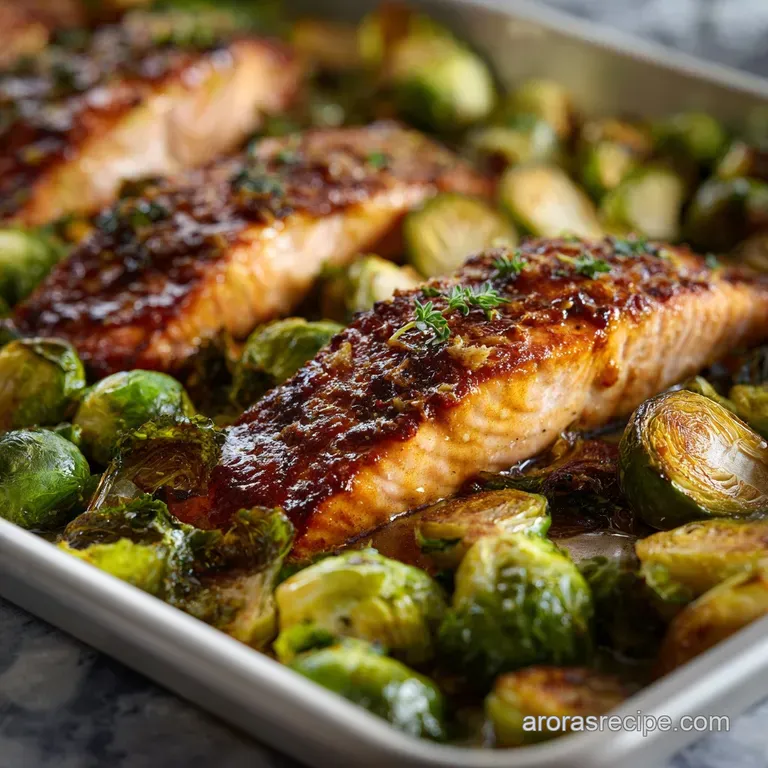
- Time: Active 15 minutes, Passive 25 minutes, Total 40 minutes
- Flavor/Texture Hook: Sticky mahogany glaze over buttery, flaky fish and crispy edged sprouts
- Perfect for: Stress free weeknight dinners or a healthy meal prep win
- Crafting the Most Irresistible Maple Glazed Salmon with Roasted
- The Science of Why it Works
- Ingredient Deep Dive
- Sourcing the Best Fresh Components
- Tools for a Flawless Roast
- Master the Perfect Sheet Pan Flow
- Solving Common Sheet Pan Struggles
- Simple Flavor Twists and Swaps
- Debunking Sheet Pan Myths
- Storage Secrets and Reheating Tips
- Plating Like a Pro Chef
- High in Sodium
- Recipe FAQs
- 📝 Recipe Card
Crafting the Most Irresistible Maple Glazed Salmon with Roasted
Right then, let's talk about the dinner that saved my Tuesday nights. You know those evenings when you're staring at the fridge, but you want something that tastes like a fancy Nashville bistro without the hour long wait?
This article shares how to make an irresistible maple glazed salmon with roasted Brussel sprouts that hits every single flavor note. We've got sweet, salty, tangy, and that charred, smoky bit that makes everyone reach for seconds.
I used to be terrified of cooking salmon at home. I either ended up with a dry, chalky brick or something that looked suspiciously like it was still swimming. But after making this recipe about fifty times, I've realized the secret isn't just the glaze - it's the timing.
By the time those sprouts get those shatter crispy edges, your salmon is going to be perfectly velvety inside.
Trust me on this one, we aren't doing anything fancy or complicated. We're just using a few high-quality pantry staples and a single sheet pan. It's the kind of cooking that feels like a big, warm hug after a long day.
We're going to get that mahogany finish on the fish and a deep, nutty flavor in the vegetables that'll turn even the sprout haters into believers.
The Science of Why it Works
Caramelization: The high sugar content in the 1/3 cup Pure Maple Syrup undergoes a thermal decomposition that creates hundreds of new flavor compounds, resulting in that complex, nutty sweetness.
Protein Denaturation: As the salmon reaches its ideal internal temperature, the coiled proteins unwind and bond together, transforming the texture from translucent and squishy to opaque and flaky.
| Fillet Thickness | Target Internal Temp | Rest Time | Visual Cue |
|---|---|---|---|
| 0.5 to 0.75 inch | 125°F (Medium) | 3 mins | Flesh flakes easily with a fork |
| 1 inch | 130°F (Medium Well) | 4 mins | Opaque center with slight moisture |
| 1.5 inches | 135°F (Well Done) | 5 mins | Firm to the touch throughout |
Since we are aiming for that buttery texture, keeping an eye on these thickness markers ensures you don't overcook your meal. If you prefer a faster, more intense crust on your fish, you might enjoy the over high heat technique found in my Salmon Tataki Sear recipe.
Ingredient Deep Dive
| Component | Science Role | Pro Secret |
|---|---|---|
| Pure Maple Syrup | Primary Glazing Agent | Always use Grade A Dark for a more intense, molasses like profile. |
| Dijon Mustard | Emulsifier | Prevents the oil and syrup from separating, ensuring a velvety coat. |
| Apple Cider Vinegar | Acidic Brightener | Breaks down the fish's richness and tenderizes the sprout leaves. |
| Smoked Paprika | Flavor Bridge | Adds a subtle "charcoal" aroma without needing a literal outdoor grill. |
Choosing the right ingredients makes a massive difference in how the flavors meld together. While this dish is incredibly satisfying on its own, it’s quite different from the traditional savory notes you'd find in a Miso Seafood Dinner recipe, which relies on fermented paste rather than syrup for its depth.
Sourcing the Best Fresh Components
For this recipe, we are using specific quantities to ensure the balance of sweet and heat is just right. Don't be tempted to use pancake syrup here, it's mostly corn syrup and won't have the same chemical reaction under the broiler.
- 80ml (1/3 cup) Pure Maple Syrup: This is the heart of our glaze.
- 30g (2 tbsp) Dijon Mustard: Adds that sharp, tangy kick. Why this? The mustard seeds act as a thickener for the sauce.
- 15ml (1 tbsp) Apple Cider Vinegar: Cuts through the sugar.
- 2 cloves Garlic: Finely minced for an aromatic punch.
- 2g (1/2 tsp) Smoked Paprika: For that hint of fire.
- 4 (170g / 6oz each) Salmon Fillets: Keep the skin on for better moisture retention. Why this? Skin acts as an insulator during roasting.
- 450g (1 lb) Brussel Sprouts: Trimmed and halved.
- 30ml (2 tbsp) Extra Virgin Olive Oil: For roasting the veg.
- 5g (1 tsp) Kosher Salt: Enhances all the other flavors.
- 3g (1/2 tsp) Cracked Black Pepper: Essential for a bit of bite.
- 1 Large Shallot: Thinly sliced to caramelize alongside the sprouts.
| Original Ingredient | Substitute | Why It Works |
|---|---|---|
| Pure Maple Syrup | Honey | Similar viscosity, though honey is sweeter and burns faster. |
| Apple Cider Vinegar | Lemon Juice | Provides necessary acidity but adds a citrusy floral note. |
| Salmon Fillets | Steelhead Trout | Nearly identical fat content and texture for the same cook time. |
| Brussel Sprouts | Broccoli Florets | Similar roasting time. Note: Becomes crispier but less nutty. |
If you happen to have leftovers or find a great deal on larger cuts of fish, you can adapt the timing using the logic from a Cooked Salmon recipe to ensure larger portions stay just as juicy.
Tools for a Flawless Roast
You really don't need much for this, which is why I love it. A large, heavy duty sheet pan (like a Nordic Ware half sheet) is your best friend here. It distributes heat evenly so you don't get one sprout that's burnt and another that's raw.
You'll also want a small whisk and a mixing bowl for that glaze. A pastry brush is helpful for getting the maple goodness into every nook and cranny of the salmon, but honestly, a spoon works just fine if you're in a hurry. I also highly recommend using parchment paper.
Not because it changes the flavor, but because cleaning up baked on maple syrup is a nightmare I wouldn't wish on anyone.
Chef Tip: Freeze your shallot for about 10 minutes before slicing. It helps you get those paper thin rings that crisp up like tiny onion straws on the pan.
Master the Perfect Sheet Pan Flow

1. Achieving the Perfect Veggie Char
Preheat your oven to 400°F and line your pan with parchment. Toss the 450g (1 lb) halved Brussel sprouts and sliced shallot directly on the pan with 30ml (2 tbsp) olive oil, 5g (1 tsp) salt, and 3g (1/2 tsp) pepper.
Spread them out until every sprout has its flat side touching the metal. Note: This contact is what creates that gorgeous golden brown crust.
2. Whisking the Mahogany Glaze
In your small bowl, combine the 80ml (1/3 cup) maple syrup, 30g (2 tbsp) Dijon, 15ml (1 tbsp) vinegar, minced garlic, and 2g (1/2 tsp) smoked paprika. Whisk vigorously until the mixture looks glossy and uniform.
Note: If it looks separated, just keep whisking; the mustard will eventually pull it all together.
3. Mastering the Timing
Roast the sprouts alone for 12 minutes. This "head start" is crucial because vegetables take longer to soften than fish takes to cook. When the timer goes off, push the sprouts to the edges of the pan to make room for your salmon.
4. Finishing to a Flaky Perfection
Place the 4 salmon fillets in the center of the pan. Pat them dry with a paper towel first. Note: Moisture on the surface of the fish prevents the glaze from sticking.
5. Applying the First Layer
Brush about half of your maple mixture over the top and sides of the fillets. Don't worry if some drips onto the sprouts - that's a flavor bonus!
6. The Final Roast
Return the pan to the oven for 10 to 12 minutes. You'll want to cook them until the salmon is opaque and the glaze is bubbling.
7. The Broiler Trick
If you want an extra sticky finish, turn the broiler on for the last 2 minutes. Watch it like a hawk until the glaze starts to slightly darken and sizzle.
8. The Second Glaze
Once out of the oven, brush the remaining glaze over the hot fish. Note: The residual heat will thicken the sauce into a beautiful, silky coating that won't run off.
9. Resting the Proteins
Let everything sit on the pan for 3 minutes before serving. This allows the juices in the salmon to redistribute so they don't leak out the moment you slide your fork in.
Solving Common Sheet Pan Struggles
Why Your Salmon is Dry
If your fish feels like sawdust, it likely spent too long in the heat. Even a minute can be the difference between buttery and parched. Remember that the fish continues to cook for a few degrees even after you pull it out of the oven.
Why Your Sprouts are Mushy
Soggy sprouts usually happen because of overcrowding. If the sprouts are piled on top of each other, they steam instead of roasting. Use a large enough pan so they have plenty of breathing room to let the moisture escape.
| Problem | Root Cause | Solution |
|---|---|---|
| Glaze is too thin | Not enough mustard or syrup | Whisk in an extra teaspoon of Dijon to help emulsify the sauce. |
| Burnt glaze edges | High sugar content + high heat | Add a splash of water to the pan corners if you see smoke. |
| Fish sticks to pan | No oil or parchment | Always use parchment paper or a thin layer of oil under the fish. |
Common Mistakes Checklist
- ✓ Never skip the "head start" for the sprouts - they need the extra time.
- ✓ Pat the salmon completely dry before glazing to ensure the sauce adheres.
- ✓ Ensure the oven is fully preheated; a cold start leads to gummy vegetables.
- ✓ Don't discard the sprout leaves that fall off - they become crispy "chips" on the pan.
- ✓ Use a meat thermometer to pull the salmon at 125°F for the best texture.
Simple Flavor Twists and Swaps
Scaling this recipe is fairly straightforward. If you're cooking for two, just halve everything and use a smaller pan. However, don't just reduce the cook time by half; the sprouts still need their 20-25 minutes total to get tender, even in a smaller batch.
If you're doubling the recipe for a crowd, use two separate sheet pans. If you try to cram 2 lbs of sprouts and 8 fillets on one pan, nothing will roast properly. You'll end up with a boiled dinner rather than a roasted one.
When using two pans, swap their positions halfway through (top to bottom rack) to ensure even browning.
| Method | Time | Texture | Best For |
|---|---|---|---|
| Standard Oven | 25 minutes | Balanced crisp/tender | Classic family dinner |
| Air Fryer | 15 minutes | Extra crispy sprouts | Quick solo meal (work in batches) |
| Stovetop/Oven Hybrid | 20 minutes | Super crispy skin | When you want restaurant quality crust |
Chef Tip: If you’re a fan of a little "kick," add a teaspoon of chili flakes or a squeeze of Sriracha to the glaze. It plays beautifully against the maple sweetness.
Debunking Sheet Pan Myths
One common myth is that you need to flip the salmon halfway through. Please, don't do that! Salmon is delicate, and trying to flip a glazed fillet will only result in the fish breaking apart and your beautiful glaze ending up on the bottom of the pan.
The heat from the pan and the air circulating around it will cook it perfectly without any acrobatics.
Another misconception is that you should wash your salmon before cooking. This is actually a safety no no. Rinsing raw fish can splash bacteria around your sink and counters. Instead, just pat it dry with paper towels to remove any excess moisture, which helps the glaze stick and the skin crisp up.
Storage Secrets and Reheating Tips
Storage: Keep any leftovers in an airtight container in the fridge for up to 3 days. The sprouts will lose their crunch, but the flavor actually deepens as they sit in the residual glaze.
Freezing: I don't recommend freezing the cooked sprouts as they become quite mushy upon thawing. However, you can freeze the cooked salmon for up to 2 months. Thaw it overnight in the fridge before reheating.
Reheating: Avoid the microwave if you can! It turns salmon into rubber. Instead, put everything back on a pan and pop it into a 350°F oven for about 8-10 minutes. This helps the sprouts regain a bit of their texture.
Zero Waste: If you have leftover shallot ends or the tough woody bits from the sprouts, toss them into a freezer bag for your next batch of homemade veggie stock. And if you have just a tiny bit of salmon left, flake it into a hot bowl of pasta with some lemon and olive oil the next day - it's a completely new, effortless meal.
Plating Like a Pro Chef
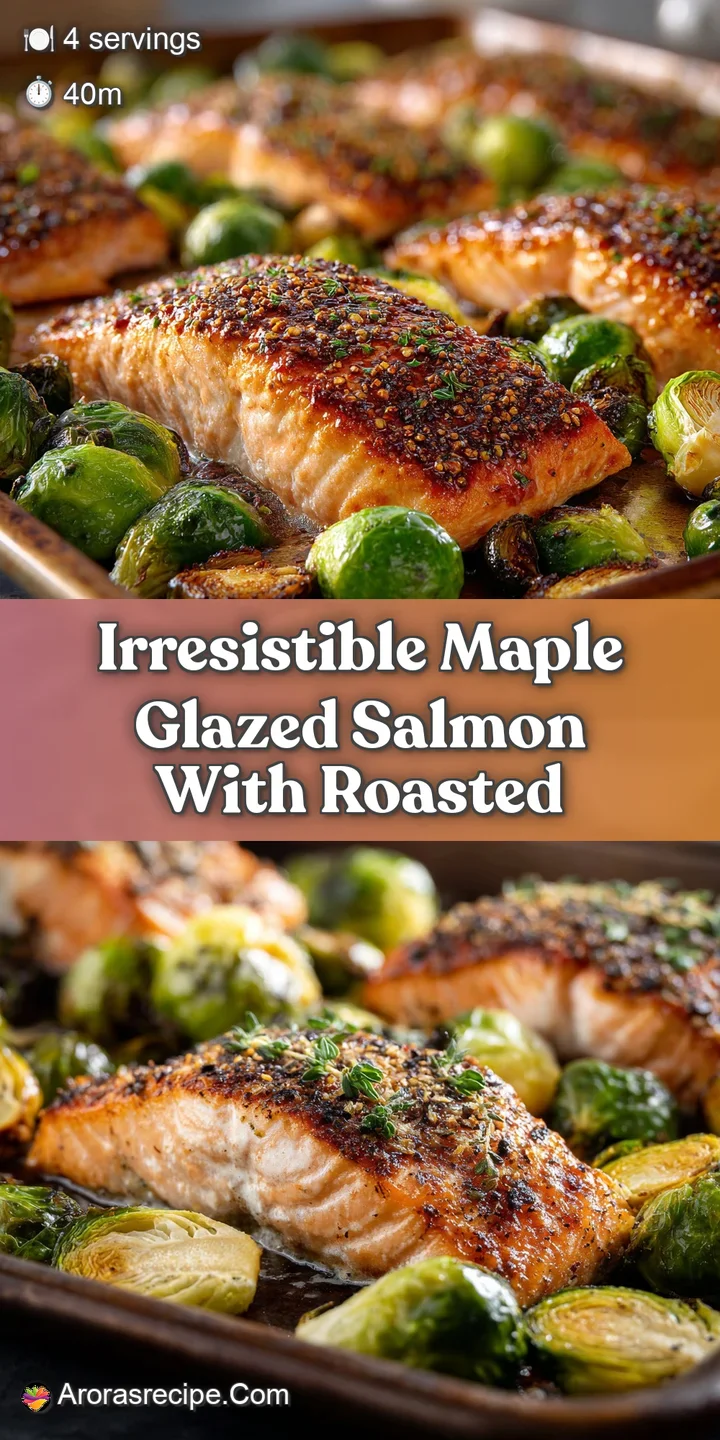
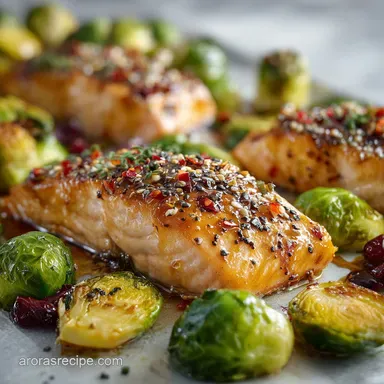
When it's time to eat, don't just dump the pan onto a plate. Start with a generous bed of those charred, nutty sprouts and shallots. Place the salmon fillet right on top at a slight angle. The contrast between the bright green of the veg and the deep mahogany of the fish is stunning.
Drizzle that last bit of fresh glaze you saved over the top of the fish so it glistens under the light. For a final flourish, a sprinkle of fresh parsley or some toasted sesame seeds adds a bit of color and texture that makes the whole dish pop.
It's comfort food that looks like a million bucks, and honestly, that’s the best kind of cooking there is. Right then, let's get that oven preheated and get to it!
High in Sodium
845 mg mg of sodium per serving (37% % of daily value)
The American Heart Association recommends limiting sodium intake to no more than 2,300mg per day for most adults. Ideally, aiming for 1,500mg per day is even better for heart health.
Tips to Reduce Sodium
-
Reduce Added Salt-25%
Eliminate or drastically reduce the 1 tsp of kosher salt. Taste the dish before adding any salt, as the Dijon mustard and smoked paprika already contribute sodium.
-
Lower Sodium Mustard-15%
Choose a low-sodium or sodium free Dijon mustard. Many brands offer options with significantly less sodium than traditional Dijon.
-
Adjust Smoked Paprika-10%
While smoked paprika adds great flavor, reduce the amount used. Start with 1/4 tsp of smoked paprika and add more to taste, if needed. Or try plain paprika for even less sodium.
-
Enhance with Herbs & Spices
Instead of relying on salt for flavor, experiment with a variety of fresh or dried herbs and spices. Garlic, black pepper, and a touch of lemon zest can elevate the flavor profile without adding sodium.
Recipe FAQs
Can I substitute honey for maple syrup in the glaze?
Yes, but with caution. Honey has a similar viscosity but is sweeter and will burn faster than maple syrup, requiring closer monitoring under the broiler.
Why is my salmon dry after cooking?
You likely overcooked it. Salmon is delicate and continues to cook after being removed from the heat; check for doneness with a thermometer at 125°F for medium, aiming for a 3-minute rest.
How do I prevent my Brussel sprouts from being mushy?
Ensure proper spacing on the pan. Overcrowding causes sprouts to steam rather than roast, so give them room to breathe for crisp edges.
Is it safe to rinse raw salmon before cooking?
No, this is a safety no-no. Rinsing raw fish can spread bacteria around your sink; instead, pat the salmon thoroughly dry with paper towels to help the glaze adhere.
Can I prep the maple glaze ahead of time?
Yes, absolutely. Whisk the glaze ingredients together up to 3 days in advance and store them in an airtight container in the refrigerator.
Should I flip the salmon while it's roasting?
No, avoid flipping the glazed salmon. It's very delicate and will likely break apart, causing your beautiful glaze to stick to the pan instead of the fish.
How can I make this dish taste more like a restaurant meal?
Focus on caramelization and timing. Achieving those shatter crispy sprout edges and a perfectly flaky, moist salmon fillet, much like the technique for searing in our Salmon Tataki Sear recipe, elevates the dish significantly.
Maple Glazed Salmon Roasted
Ingredients:
Instructions:
Nutrition Facts:
| Calories | 542 kcal |
|---|---|
| Protein | 38.6 g |
| Fat | 28.4 g |
| Carbs | 31.2 g |
| Fiber | 4.6 g |
| Sugar | 20.1 g |
| Sodium | 845 mg |
