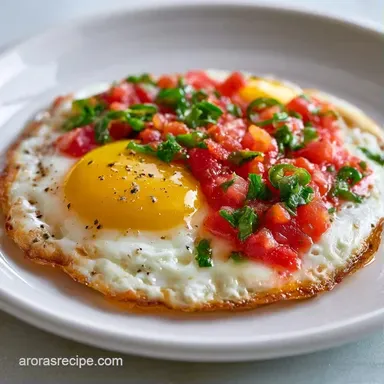
Mexican Ranch Eggs: Authentic and Bold
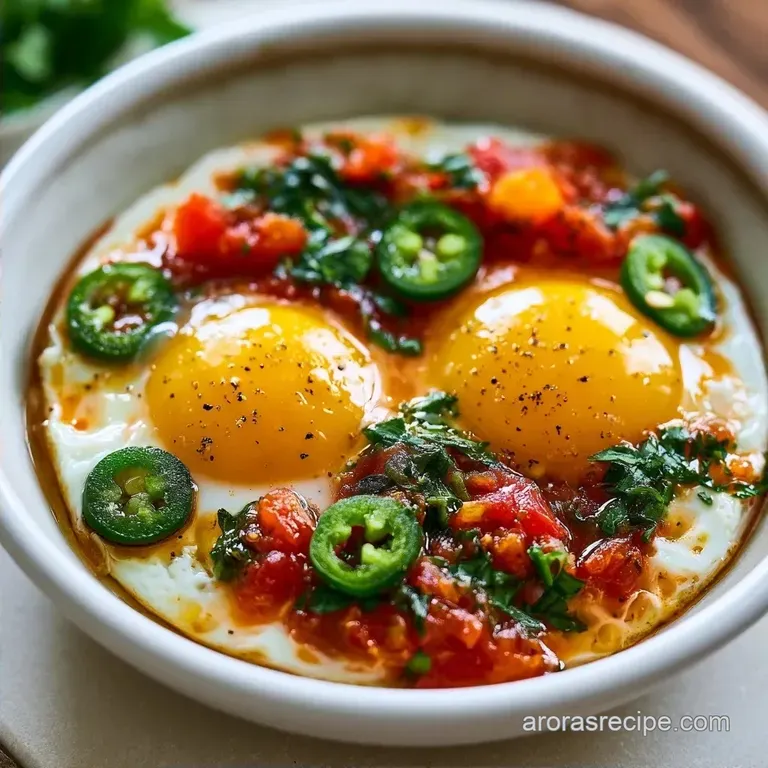
- Time: 10 min prep + 10 min cook = Total 20 mins
- Flavor/Texture Hook: Shatter crisp tortillas topped with silky eggs and tangy sauce
- Perfect for: A bold weekend brunch or a high protein power breakfast
- The Best Mexican Ranch Eggs
- What Nobody Tells You
- Recipe Specs
- Essential Ingredient Guide
- Shopping List Breakdown
- Must Have Kitchen Gear
- Step-by-Step Cooking
- Fixing Common Errors
- Troubleshooting Common Issues
- Easy Flavor Twists
- Truth About Breakfast Myths
- Storing and Reheating
- Top Side Dishes
- High in Sodium
- Recipe FAQs
- 📝 Recipe Card
The Best Mexican Ranch Eggs
That first sizzle when a corn tortilla hits shimmering oil is a sound that just wakes up the soul. But have you ever wondered why some versions of this dish feel like a soggy mess while others have that distinct, satisfying snap?
I remember the first time I tried making these; I didn't fry the tortillas long enough, and they turned into wet cardboard the second the sauce touched them. It was a disaster, but it taught me that the secret isn't in the eggs, it's in the fry.
When you get it right, these Mexican Ranch Eggs are all about contrast. You've got the heat of the jalapeño, the coolness of the avocado, and that liquid gold yolk running into the spicy sauce.
It's not just breakfast; it's a full on flavor experience that feels like a warm hug from a street vendor in Mexico City.
Right then, let's get into how to actually pull this off. We're talking about a dish that looks like it took an hour but actually comes together in about 20 minutes if you've got your gear ready. Trust me on this: don't skip the oil. We aren't trying to be healthy here; we're trying to be soulful.
What Nobody Tells You
Most people think the sauce is just a basic salsa, but it's actually the anchor of the whole dish. If your sauce is too thin, your Mexican Ranch Eggs will slide right off the plate. I've found that simmering the tomatoes down until they're thick and concentrated is what makes the difference. It's similar to how you'd build a base for a homemade tomato soup, where the reduction creates a deep, savory intensity.
Another thing? The temperature of your oil. If it's too cold, the tortilla absorbs the grease and becomes heavy. If it's too hot, it burns before it puffs. You want that oil shimmering, almost dancing, before the tortilla goes in. This creates a moisture barrier that keeps the sauce from soaking through immediately.
But what about the eggs? A lot of folks overcook them. The goal is a set white and a liquid center. When that yolk breaks, it acts as a secondary sauce, adding a creamy richness that balances the acidity of the tomatoes. It's all about that balance of fat and acid.
The Contrast Map:
- Texture: Crisp tortilla vs. Velvety egg
- Temperature: Hot sauce vs. Cool avocado
- Flavor: Zesty lime vs. Earthy cumin
- Feel: Hearty corn vs. Light cilantro
Recipe Specs
Before we crack on, let's look at the mechanics of how this works. This isn't just about following steps; it's about understanding the transformation of the ingredients.
- Oil Barrier: Frying the tortillas creates a crisp outer shell that prevents the corn from absorbing the sauce too quickly.
- Acid Balance: The acidity in the crushed tomatoes cuts through the heavy fats of the frying oil and the egg yolks.
- Aromatic Base: Sautéing onion and jalapeño first releases sulfur compounds that deepen the overall savory profile.
- Protein Set: Cooking eggs at medium high heat ensures the edges get a slight crisp while the center stays liquid.
| Method | Time | Texture | Best For |
|---|---|---|---|
| Stovetop | 20 mins | Shatter crisp | Small batches / Maximum crunch |
| Oven | 30 mins | Softer / Poached | Large crowds / Less oil use |
This stovetop method is the way to go if you want that authentic feel. The direct heat gives you control over the egg yolks and the tortilla crispness that an oven just can't replicate.
Essential Ingredient Guide
Not all ingredients are created equal. If you use a bland tomato or a stale tortilla, the whole thing falls apart. Let's look at what's actually happening in the pan.
| Ingredient | Science Role | Pro Secret |
|---|---|---|
| Crushed Tomatoes | Acidic Base | Use a brand with a hint of salt to boost the savory notes |
| Corn Tortillas | Structural Base | Warm them slightly before frying to prevent cracking |
| Large Eggs | Richness/Fat | Use room temperature eggs for a more even set |
| Queso Fresco | Salt/Texture | Don't substitute with melted cheese; the crumble is key |
When you're shopping, look for corn tortillas that feel flexible. If they're stiff, they'll shatter in the oil. For the cheese, queso fresco is a must because it doesn't melt into a puddle; it stays as distinct, salty pops of flavor that contrast with the velvety eggs.
Shopping List Breakdown
Here is exactly what you need. I've added some substitutions just in case your local store is lacking, but keep in mind that some changes will alter the final vibe.
For the Ranchero Sauce
- 2 cups (480ml) crushed tomatoesWhy this? Provides the thick, acidic base for the dish.
- Substitute: Fresh Roma tomatoes blended (Note: Needs longer simmering to thicken)
- 1/2 cup (60g) white onion, finely dicedWhy this? Adds a sharp, aromatic sweetness.
- Substitute: Shallots (Note: Sweeter and more refined flavor)
- 2 cloves (6g) garlic, mincedWhy this? Essential for that savory depth.
- Substitute: 1 tsp garlic powder (Note: Lacks the pungent freshness of raw garlic)
- 2 tsp (10ml) vegetable oilWhy this? High smoke point for sautéing.
- Substitute: Avocado oil (Note: Very similar, slightly heartier taste)
- 1 jalapeño (15g), seeded and mincedWhy this? Adds a bright, clean heat.
- Substitute: Serrano pepper (Note: Significantly spicier)
- 1/2 tsp (3g) ground cuminWhy this? Gives that signature earthy, smoky aroma.
- Substitute: Ground coriander (Note: More citrusy, less smoky)
- 1/2 tsp (3g) saltWhy this? Enhances all other flavors.
- Substitute: Sea salt (Note: Adds a slight mineral quality)
- 1/4 tsp (1g) black pepperWhy this? Adds a subtle back end heat.
- Substitute: White pepper (Note: More floral and sharp)
For the Base & Eggs
- 8 corn tortillas (160g)Why this? Traditional structure and nutty flavor.
- Substitute: Flour tortillas (Note: Heavier, less "snap" when fried)
- 8 large eggsWhy this? The protein star of the show.
- Substitute: Duck eggs (Note: Richer, larger yolks)
- 1/2 cup (120ml) vegetable oilWhy this? Essential for that shatter crisp texture.
- Substitute: Lard (Note: More authentic, very rich flavor)
For the Garnish
- 1/2 cup (60g) queso fresco, crumbledWhy this? Salty, milky contrast.
- Substitute: Feta (Note: Tangier and saltier than fresco)
- 1/4 cup (15g) fresh cilantro, choppedWhy this? Bright, herbal finish.
- Substitute: Fresh parsley (Note: Milder, lacks the citrusy punch)
- 1 medium avocado (150g), slicedWhy this? Creamy fat to balance the spice.
- Substitute: Sliced pear (Note: Weird, but adds a sweet contrast)
- 1 lime (30ml), cut into wedgesWhy this? Fresh acidity to wake up the dish.
- Substitute: Lemon (Note: Different flavor profile, but provides acid)
Must Have Kitchen Gear
You don't need a professional kitchen, but a couple of specific tools make these Mexican Ranch Eggs way easier.
First, a cast iron skillet is your best friend here. Why? Heat retention. When you drop eggs into a thin non stick pan, the temperature plummets, and your eggs steam rather than sear. Cast iron keeps the heat steady, giving you those beautiful, lacy edges on the whites while the yolk stays liquid.
Second, a sturdy saucepan for the sauce. You want something with a heavy bottom so the tomatoes don't scorch as they thicken. If you're using a thin pot, you'll have to stir constantly, which is a pain when you're trying to fry tortillas at the same time.
Finally,, paper towels. Seriously. If you don't drain those tortillas immediately, the excess oil will pool on the plate and make the whole meal feel greasy. A quick pat down keeps the focus on the crunch.
Step-by-step Cooking
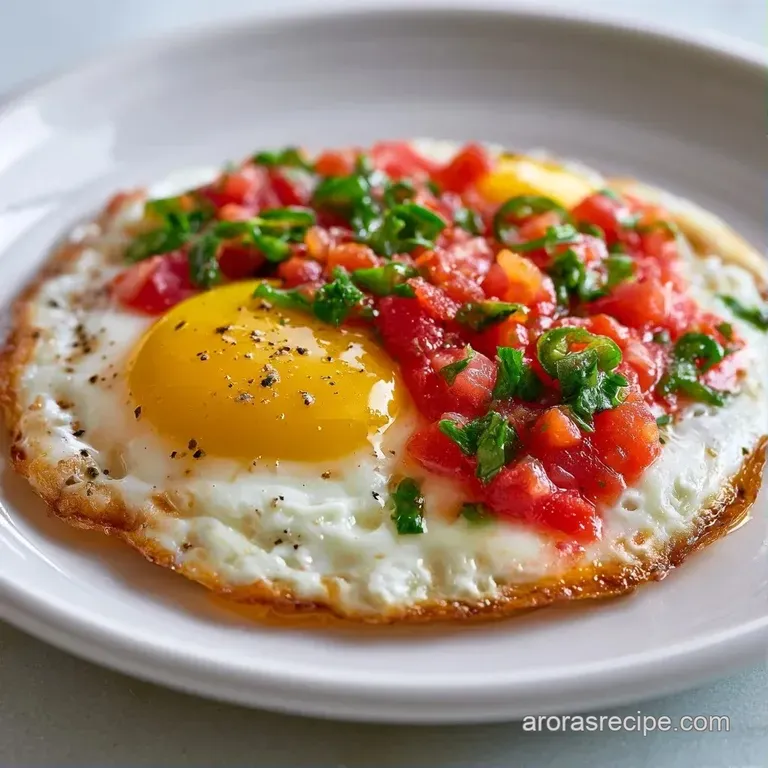
Let's crack on. Follow these steps closely, and pay attention to the sensory cues. That's how you know you're on the right track.
- Heat 1 tsp (5ml) of oil in a saucepan over medium heat. Sauté the onion and jalapeño until translucent and smelling sweet, then add the garlic for 30 seconds until it becomes fragrant.
- Stir in the crushed tomatoes, cumin, salt, and pepper. Simmer on low for 10 minutes until the sauce thickens and looks velvety. Note: Don't rush this; the reduction is where the flavor lives.
- While the sauce simmers, heat vegetable oil in a cast iron skillet over medium high heat. According to Serious Eats, oil temperature is the most critical factor for achieving a crisp fry without absorbing too much grease.
- Fry each corn tortilla for about 30-60 seconds per side until golden brown and slightly puffed. Drain on paper towels immediately. Note: If they puff up like balloons, your oil is perfect.
- In the same skillet, crack the eggs. Cook sunny side up or over easy until the whites are completely set and opaque, but the yolks remain liquid. Season with a pinch of salt.
- Place two crispy tortillas on each plate.
- Spoon a generous amount of the warm sauce over the tortillas. Wait for it to seep slightly into the edges but not soak the center.
- Carefully slide two eggs on top.
- Finish with crumbled queso fresco, avocado slices, and a sprinkle of fresh cilantro. Serve immediately with lime wedges.
Fixing Common Errors
Even the best of us mess up. Maybe your eggs broke, or your tortillas are more like sponges than crackers. Don't panic; it's an easy fix.
Troubleshooting Common Issues
| Issue | Solution |
|---|---|
| Why Your Tortillas Are Soggy | This usually happens if the oil wasn't hot enough or if you let the tortillas sit in the sauce for too long before serving. If the oil is too cool, the tortilla absorbs fat instead of searing. |
| Why Your Eggs Broke | Breaking a yolk is a tragedy in these Mexican Ranch Eggs. This usually happens when you try to flip them too early or use a spatula that's too small. |
| Is Your Sauce Too Watery | If your sauce looks like soup, you didn't simmer it long enough. The tomatoes need to reduce. If you're in a rush, you can turn up the heat slightly, but stir constantly to avoid burning the bottom. |
Common Mistakes Checklist:
- ✓ Did you drain the tortillas on paper towels?
- ✓ Is the sauce thick enough to coat a spoon?
- ✓ Are the egg whites fully set (no snotty bits)?
- ✓ Did you use room temperature eggs for a better sear?
- ✓ Did you add the lime wedge at the very end?
Easy Flavor Twists
Once you've nailed the basics of Mexican Ranch Eggs, you can start playing with the ingredients. I love adding a bit of smoky chipotle powder to the sauce for a deeper, burnt orange flavor. It adds a layer of complexity that pairs great with the creamy avocado.
If you're looking for something even heartier, try adding a layer of refried black beans between the tortilla and the sauce. It adds an earthy weight to the dish that makes it feel more like a full meal and less like a light breakfast. For those who want a lower carb option, you might enjoy my Keto Southwest Breakfast Casserole, which captures some of these same bold flavors without the corn base.
For the brave, try adding a pinch of cinnamon to the sauce. It sounds crazy, but a tiny bit of warmth can highlight the sweetness of the onions and make the dish taste like something from a high end bistro.
Decision Shortcut:
- Want more heat? Add minced serrano or a dash of cayenne.
- Want more creaminess? Add a dollop of sour cream or Greek yogurt on top.
- Want more protein? Add crumbled chorizo to the sauce simmer.
Truth About Breakfast Myths
There are a few things people say about this dish that just aren't true. Let's set the record straight.
First, some people say you should poach the eggs to keep them "healthier." While poaching is fine, you lose that gorgeous, crispy edge that only a fried egg provides. The fat from the oil actually helps carry the flavors of the cumin and garlic.
Second, there's a myth that you can't use flour tortillas for a "traditional" version. While corn is the gold standard for texture, flour tortillas work if you prefer a softer, chewier base. Just know that they won't "shatter" the way corn does.
Third, don't believe that you need to fry the tortillas in a deep fryer. A simple skillet with half an inch of oil is more than enough to get that perfect puff.
Storing and Reheating
Here is the honest truth: Mexican Ranch Eggs are best eaten the second they hit the plate. Once the sauce sits on the tortilla, the clock starts ticking on the crunch. However, you can still be smart about your prep.
Storage Guidelines:
- The Sauce: Store in an airtight container in the fridge for up to 4 days. It actually tastes better the next day as the spices meld.
- The Tortillas: Don't fry them ahead of time. They lose their snap and become chewy. Fry them fresh.
- The Eggs: I don't recommend storing fried eggs. They become rubbery when reheated.
Reheating Tips: If you have leftover sauce, heat it in a small pan over medium heat with a splash of water to loosen it up. Then, fry fresh tortillas and eggs and assemble. Never microwave the whole dish, or you'll end up with a soggy, rubbery mess.
Zero Waste Tips: Don't toss your avocado pits or skins. You can freeze them to add to a smoothie for extra healthy fats, or use the skin as a natural bowl for some of the leftover sauce. Those onion scraps and jalapeño ends? Throw them in a freezer bag for your next homemade veggie stock.
Top Side Dishes
While these Mexican Ranch Eggs are a powerhouse on their own, a few sides can take the meal to another level.
A side of seasoned black beans or pinto beans is the classic choice. The creaminess of the beans mirrors the egg yolks, creating a very comforting profile. If you want something bright, a simple slaw of shredded cabbage, lime juice, and cilantro adds a refreshing crunch that cleanses the palate between bites of rich egg.
For a drink, I always go with a strong, dark roast coffee or a Mexican hot chocolate. The bitterness of the coffee cuts through the richness of the queso fresco and avocado, making every bite taste like the first.
If it's a lazy Sunday, a fresh mango slice with a sprinkle of tajin is the perfect sweet and salty finish to a bold breakfast.
High in Sodium
810 mg 810 mg of sodium per serving (35% 35% of daily value)
The American Heart Association recommends a daily sodium limit of no more than 2,300 mg to help maintain healthy blood pressure.
Tips to Reduce Sodium
-
Reduce Added Salt-25%
Cut the added salt in half or replace it with a salt free seasoning blend to significantly lower the sodium content.
-
Switch to No-Salt Added Tomatoes-20%
Use no-salt added crushed tomatoes instead of regular canned versions to eliminate hidden sodium.
-
Limit Queso Fresco-15%
Reduce the amount of queso fresco used or substitute it with a small amount of a lower sodium fresh cheese alternative.
-
Select Low-Sodium Tortillas-5%
Choose corn tortillas that are labeled as low-sodium or make your own to avoid processed preservatives.
-
Enhance with Fresh Aromatics
Increase the amount of fresh cilantro and lime juice to add zest and brightness without adding any extra salt.
Recipe FAQs
What is in authentic huevos rancheros?
Crushed tomatoes, corn tortillas, and eggs. These are finished with queso fresco, avocado, and fresh cilantro for a traditional meal.
What is the difference between huevos rancheros and huevos mexicanos?
The presentation and preparation. Huevos rancheros feature eggs served on top of fried tortillas with sauce, whereas huevos mexicanos typically scramble the eggs with onion and jalapeño.
Are Huevos Rancheros healthy?
Yes, they provide a balanced mix of nutrients. You get high-quality protein from the eggs and healthy fats from the avocado slices.
How should I prepare my eggs for Huevos Rancheros?
Fry them sunny side up or over easy. Ensure the whites are completely set but the yolks remain liquid to create a rich sauce when broken.
Is this dish spicy?
Mild to medium. Because the jalapeño is seeded before mincing, the heat is controlled and approachable.
How do I keep the tortillas from getting soggy?
Fry them in hot oil for 30-60 seconds per side. If the oil is too cool, the tortilla absorbs fat instead of searing, leading to a soft texture.
Can I make the ranchero sauce ahead of time?
Yes, you can. Store the simmered sauce in the fridge for up to 4 days; if you loved the velvety reduction of this sauce, see how we use a similar thickening technique in our velvety sauce for beef enchiladas.
Mexican Ranch Eggs