Creamy Orzo: Velvety One Pan Side
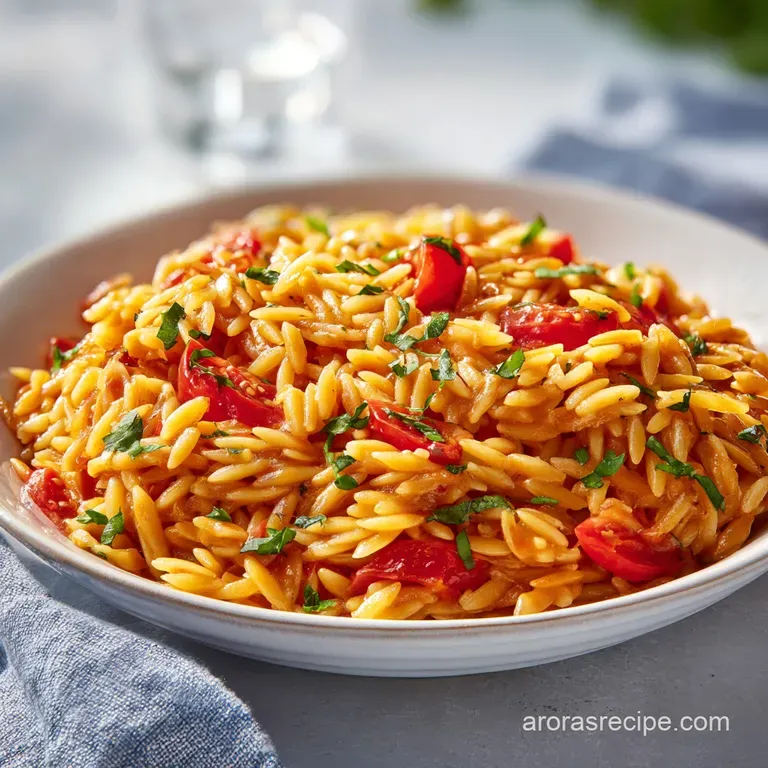
- Time: Active 5 minutes, Passive 15 minutes, Total 20 minutes
- Flavor/Texture Hook: Velvety, buttery, and bright with citrus
- Perfect for: Quick weeknight dinners or elegant side dishes
- Creating the Most Velvety Creamy Orzo Ever
- Science Behind the Silky Texture
- Comparing the Best Cooking Methods
- Deep Dive into Every Component
- Gathering the Right Pantry Staples
- Essential Tools for Pasta Success
- Mastering the Stovetop Simmer Steps
- Avoiding Common Starch Related Pitfalls
- Scaling for Crowds or Couples
- Tasty Variations to Try Next
- Storage and Waste Prevention Tips
- Serving Suggestions and Side Pairings
- Myths About Cooking Orzo
- Recipe FAQs
- 📝 Recipe Card
Creating the Most Velvety Creamy Orzo Ever
Have you ever stood in your kitchen, staring at a box of tiny pasta, wondering if it could ever feel like a hug in a bowl? I remember the first time I tried to make this for my family back in Nashville. I thought I could just boil it like regular spaghetti and toss in some butter.
What I got was a clump of bland, sticky mush that even the dog looked at with suspicion. It was a total kitchen disaster, but it forced me to rethink how we treat small form pasta.
The secret, I discovered, isn't just in the ingredients, but in the sizzle. When you drop those dry orzo grains into a hot pan with butter and oil, you hear a sharp, rhythmic crackle. That sound is the beginning of a flavor transformation.
As the pasta turns a deep golden tan, it develops a nutty aroma that fills the house, smelling less like a box of dry goods and more like a high end bistro. It's that specific fragrance that tells you the starch is being primed for something special.
We're going to use a method that feels like making risotto but takes about a quarter of the effort. No standing over a hot stove for forty minutes adding liquid by the tablespoon. Instead, we’re going to let the starch do the heavy lifting for us.
You'll end up with a plate of pasta that is so silky it practically slides off the fork, balanced by a sharp hit of lemon that cuts through the richness. Let's get into the "how" and "why" so you never have to settle for boring pasta again.
Science Behind the Silky Texture
The Starch Fat Binding Equation: Toasting the orzo partially dextrinizes the surface starches, which prevents the grains from becoming gummy while allowing the internal starches to seep out slowly. This creates a natural, velvety emulsion when combined with the heavy cream and Parmesan cheese.
| Feature | 20 Minute Creamy Orzo | Traditional Arborio Risotto |
|---|---|---|
| Active Labor | Minimal stirring required | Constant vigorous stirring |
| Grain Texture | Uniform and silky | Distinct core with bite |
| Total Time | 20 minutes | 45 minutes |
Choosing the right method depends on your Tuesday night energy levels. If you have the time, risotto is a classic, but this orzo method yields a result that is 90% as satisfying for 20% of the work.
Comparing the Best Cooking Methods
| Method | Time | Texture | Best For |
|---|---|---|---|
| Stovetop | 15 minutes | Maximum silkiness | Standard weeknight meals |
| Instant Pot | 12 minutes | Soft and tender | Total hands off cooking |
| Baked | 25 minutes | Toasted top layer | Large family gatherings |
Using the stovetop method allows you to monitor the liquid absorption perfectly. Much like my Velvet Road Proper recipe, the key is managing the heat so the fats don't separate from the liquids before the pasta is cooked through.
Deep Dive into Every Component
| Ingredient | Science Role | Pro Secret |
|---|---|---|
| Dry Orzo | Starch provider | Toasting the dry grains adds a complex, nutty depth before any liquid hits the pan. |
| Heavy Cream | Fat stabilizer | Prevents the sauce from breaking under the acidity of the lemon juice. |
| Parmesan | Umami binder | Use freshly grated cheese; pre shredded versions contain cellulose that prevents a smooth melt. |
| Shallot | Aromatic base | These melt into the sauce better than onions, providing a subtle sweetness without the crunch. |
Every ingredient plays a part in the final mouthfeel. For example, using low sodium broth is non negotiable because the liquid reduces significantly, which concentrates the salt. If you start with full sodium broth, you'll end up with a salt lick by the time the pasta is al dente.
Gathering the Right Pantry Staples
- 2 tbsp (28g) Unsalted butter: Why this? Provides the fat needed for toasting and a rich, Southern style flavor base.
- 1 tbsp (15ml) Extra virgin olive oil: Why this? Raises the smoke point of the butter so you don't burn the shallots.
- 3 cloves Garlic, minced: Why this? Adds the foundational pungent aroma that balances the dairy.
- 1 small Shallot, finely diced: Why this? Delivers a more refined, delicate onion flavor that won't overpower the lemon.
- 1.5 cups (300g) Dry orzo pasta: Why this? The star of the show; its small shape creates a massive surface area for sauce.
- 3 cups (710ml) Low sodium chicken broth: Why this? The cooking medium that infuses the pasta with savory depth.
- 0.5 cup (120ml) Heavy cream: Why this? Ensures a luxurious, velvety finish that coats every single grain.
- 0.5 tsp Kosher salt: Why this? Enhances all other flavors; always use Kosher for better control.
- 0.25 tsp Cracked black pepper: Why this? Adds a necessary floral heat to cut through the richness.
- 0.5 cup (50g) Freshly grated Parmesan cheese: Why this? Provides salt and "stickiness" to bind the sauce together.
- 1 tbsp Fresh lemon juice: Why this? Acts as a bright counterpoint to the heavy fats.
- 1 tsp Lemon zest: Why this? Carries the essential oils for a punchy, citrus fragrance.
- 2 tbsp Fresh parsley, chiffonade: Why this? Adds a pop of color and a fresh, grassy finish.
| Original Ingredient | Substitute | Why It Works |
|---|---|---|
| Heavy Cream | Full fat Coconut Milk | Similar fat content. Note: Adds a distinct tropical flavor profile. |
| Chicken Broth | Vegetable Broth | Maintains the volume and salt. Note: Slightly lighter flavor profile. |
| Parmesan | Pecorino Romano | Both are hard, salty cheeses. Note: Pecorino is much funkier and saltier. |
| Shallot | Yellow Onion | Same aromatic family. Note: Dice very finely to match orzo size. |
Essential Tools for Pasta Success
You don't need a kitchen full of gadgets for this. A wide, heavy bottomed skillet is your best friend here. It provides enough surface area for the orzo to toast evenly and the liquid to evaporate at a controlled rate. If you use a deep pot, you might find the bottom grains get mushy while the top stays hard.
A good microplane is also a lifesaver. You want the Parmesan and lemon zest to be as fine as possible so they integrate into the sauce instantly. Large chunks of zest can be bitter, and thick shreds of cheese might clump.
Trust me, spending two minutes grating your own cheese makes a world of difference compared to the stuff in the green can.
Mastering the Stovetop Simmer Steps
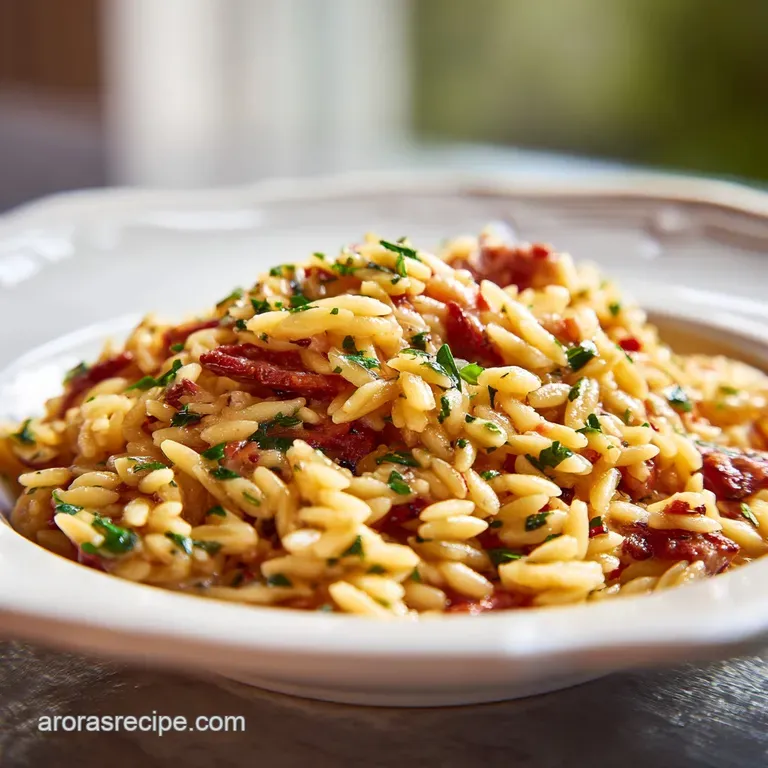
- Heat the fats. Place the butter and olive oil in a large skillet over medium heat until the butter foam subsides and begins to shimmer.
- Sauté aromatics. Add the diced shallot and cook for 2 minutes until translucent and fragrant. Note: Don't let them brown; we want sweetness, not bitterness.
- Toast the pasta. Stir in the dry orzo and cook for 3 minutes until the grains turn golden brown and smell nutty.
- Add garlic. Toss in the minced garlic and cook for 30 seconds until you smell that sharp, savory aroma.
- Deglaze the pan. Pour in the chicken broth, salt, and pepper, scraping the bottom of the pan until all the brown bits are incorporated.
- Simmer the orzo. Bring to a boil, then reduce heat to low and cover. Simmer for 10 minutes until the pasta is tender and most liquid is absorbed.
- Emulsify the sauce. Stir in the heavy cream and Parmesan cheese until the mixture looks glossy and thick.
- Finish with brightness. Remove from heat and stir in the lemon juice, zest, and parsley until the greens are evenly distributed.
- Rest the dish. Let it sit for 2 minutes until the sauce thickens and clings to the pasta.
- Serve immediately. Spoon into warm bowls until the surface is shimmering and velvety.
Just like making a Homemade Mexican Rice recipe, the toasting phase is where you build the foundation of the dish. If you skip step 3, you lose that signature nutty flavor that separates great orzo from just "okay" pasta.
Avoiding Common Starch Related Pitfalls
Why Your Orzo Is Gummy
If your pasta feels like a sticky ball of dough, you likely skipped the toasting phase or used too much liquid. Toasting creates a protective barrier on the grain. If you find yourself in this situation, stir in a splash of warm broth and a teaspoon of butter to help separate the grains, but prevention is the best cure.
Why the Sauce Is Broken
A "broken" sauce looks oily and curdled rather than smooth. This usually happens if you boil the heavy cream too vigorously or add the cheese over high heat. High heat causes the proteins in the cheese to tighten and squeeze out the fat. Always take the pan off the burner before stirring in your final dairy components.
| Problem | Root Cause | Solution |
|---|---|---|
| Crunchy Pasta | Insufficient liquid or high heat | Add 1/4 cup broth and cover for 2 more minutes. |
| Bland Flavor | Lack of acidity or salt | Add an extra squeeze of lemon or a pinch of salt. |
| Soupy Texture | Too much liquid left | Simmer uncovered for 2 minutes to reduce excess moisture. |
Common Mistakes Checklist
- ✓ Never rinse your orzo; you need that surface starch for the sauce.
- ✓ Use a wide skillet to ensure even heat distribution.
- ✓ Grate your Parmesan by hand to avoid clumping from anti caking agents.
- ✓ Add the lemon juice at the very end to keep the flavor bright and fresh.
- ✓ Keep a little extra broth nearby to loosen the sauce if it sits too long.
Scaling for Crowds or Couples
Cutting it Down
When making a half portion (2 servings), use a smaller skillet to maintain the liquid depth. Reduce the chicken broth slightly more than half (use 1.25 cups) as less liquid will evaporate in a smaller pan. The cook time remains the same, but keep a close eye on it at the 8 minute mark.
Scaling it Up
For a double batch (8 servings), use a very large braiser or Dutch oven. Increase the spices and salt to 1.5x the original amount first, then taste at the end. You don't want to double the salt immediately as the reduction process can make it too intense.
You may need an extra 2-3 minutes of simmer time since the volume of cold broth will take longer to return to a boil.
Chef's Tip: If you're doubling the recipe, toast the orzo in two batches if your pan isn't large enough. Overcrowding the pan during the toasting phase leads to uneven browning and steamed pasta instead of toasted pasta.
Tasty Variations to Try Next
For a Hearty One Pot Creamy Orzo with Chicken
Sauté 300g of bite sized chicken breast pieces in the pan before starting the shallots. Remove the chicken, cook the orzo as directed, and stir the cooked chicken back in when you add the cream. It transforms the side dish into a full, protein packed meal.
For a Savory Creamy Mushroom Orzo One Pan
Brown 200g of sliced cremini mushrooms in the butter and oil before adding the shallots. The mushrooms release moisture, so let that evaporate completely before adding the orzo. This creates a deeply earthy, umami rich version of the dish.
For a Rich One Pan Creamy Tomato Orzo
Add 2 tablespoons of tomato paste along with the garlic in step 4. Cook the paste for 1 minute until it turns a dark rust color. This adds a concentrated sweetness and a beautiful orange hue to the final sauce. This is a great pairing if you are also serving a Silky Creamy Crawfish recipe as a main.
Storage and Waste Prevention Tips
Storage Guidelines: Store leftovers in an airtight container in the fridge for up to 3 days. Pasta is a sponge, so it will soak up all that beautiful sauce overnight. When you go to reheat it, it will look like a solid block. Don't panic!
Add a splash of milk or broth before microwaving or heating on the stove to bring that velvety texture back to life.
Freezing Advice: I don't recommend freezing this dish. Dairy based sauces often separate and become grainy when thawed, and the orzo can become mushy. It’s best enjoyed fresh or from the fridge.
Zero Waste Tips: If you have leftover lemon halves, don't toss them! Toss them into a jar with some salt to make preserved lemons for your next Mediterranean dish. Any leftover parsley stems can be kept in a freezer bag and thrown into your next batch of homemade chicken broth for extra flavor.
Serving Suggestions and Side Pairings
This orzo is quite rich, so it plays well with proteins that have a bit of a "crust" or char. I love serving it alongside pan seared salmon or a simple grilled chicken breast seasoned with lemon pepper. The acidity in the orzo helps cut through the fattiness of the fish beautifully.
If you're looking for a vegetable pairing, go with something green and slightly bitter, like roasted asparagus or sautéed broccolini with red pepper flakes. The contrast between the creamy pasta and the crisp tender vegetables makes for a balanced plate.
If you want a specific outcome, try these tweaks: If you want a crunchy topping, transfer the finished orzo to a baking dish, top with Panko breadcrumbs and butter, and broil for 2 minutes.
If you want a lighter version, swap the heavy cream for Greek yogurt, but stir it in off the heat to prevent curdling. If you want extra depth, use a splash of dry white wine (like Sauvignon Blanc) to deglaze the pan before adding the broth.
Myths About Cooking Orzo
"Orzo is a grain like rice." Despite its shape, orzo is actually a pasta made from durum wheat semolina. This means it behaves like pasta it has gluten and releases starch differently than rice does.
Treating it like rice (toasting it, simmering it) works, but you shouldn't expect it to have the same "chew" as a grain of rice.
"You must boil orzo in a large pot of water." While that’s the standard way to cook pasta, the "absorption method" we use here is actually superior for flavor. Boiling it in broth allows the pasta to absorb the savory liquid rather than just plain water, resulting in a much more flavorful bite.
"Rinsing the pasta makes it less sticky." Rinsing orzo actually ruins this specific recipe. We want that surface starch to stay on the pasta because it acts as the natural thickener for our sauce. Rinsing it would leave you with a thin, watery liquid rather than a velvety coating.
Only rinse pasta if you are making a cold pasta salad where you want the grains to stay completely separate.
Recipe FAQs
Can I substitute orzo with rice for this creamy method?
No, you must use orzo or small pasta shapes. Orzo releases starch differently than rice; using Arborio rice requires constant stirring and a much longer cooking time, unlike this quick absorption method.
How to achieve the velvety texture without a blender?
Toast the dry orzo grains first, then simmer slowly in the broth. The gentle heat allows the starch to leach out naturally, creating the emulsion when combined with the heavy cream off the heat.
Is it necessary to toast the dry orzo before adding liquid?
Yes, this step is essential for flavor and texture. Toasting the grains until golden brown develops a nutty depth that is impossible to achieve otherwise, ensuring the final product tastes complex, not just like boiled pasta.
Why does my finished orzo feel gummy or sticky?
This is usually due to rinsing the pasta or using too high heat during the final stir. You need the surface starch to thicken the sauce; rinsing removes this crucial binder, leading to a watery or gummy result.
How to adjust the liquid ratio if I use vegetable broth instead of chicken broth?
Start with the same amount, but taste the broth first. If your vegetable broth is significantly lower in sodium, you might need to add an extra splash of liquid during simmering because low-sodium broths sometimes reduce faster than full flavor ones.
How long can I safely store the leftovers?
Refrigerate in an airtight container for up to 3 days. Remember that the pasta will absorb all the sauce; you must reconstitute it by stirring in extra milk or broth when reheating on the stove or microwave.
What is the best way to add a protein boost to this side dish?
Sear small chicken pieces separately and stir them in at the very end with the cream. If you are looking for a recipe that integrates protein into the one-pan style, look at how we handle meat integration in the Homemade Crescent Roll recipe for great temperature control.
One Pan Creamy Orzo
Ingredients:
Instructions:
Nutrition Facts:
| Calories | 496 kcal |
|---|---|
| Protein | 14.8 g |
| Fat | 22.1 g |
| Carbs | 56.4 g |
| Fiber | 2.3 g |
| Sugar | 1.4 g |
| Sodium | 528 mg |
