Cooking Butternut Squash in Oven: Caramelized
- Time: Active 15 minutes, Passive 30 minutes, Total 45 minutes
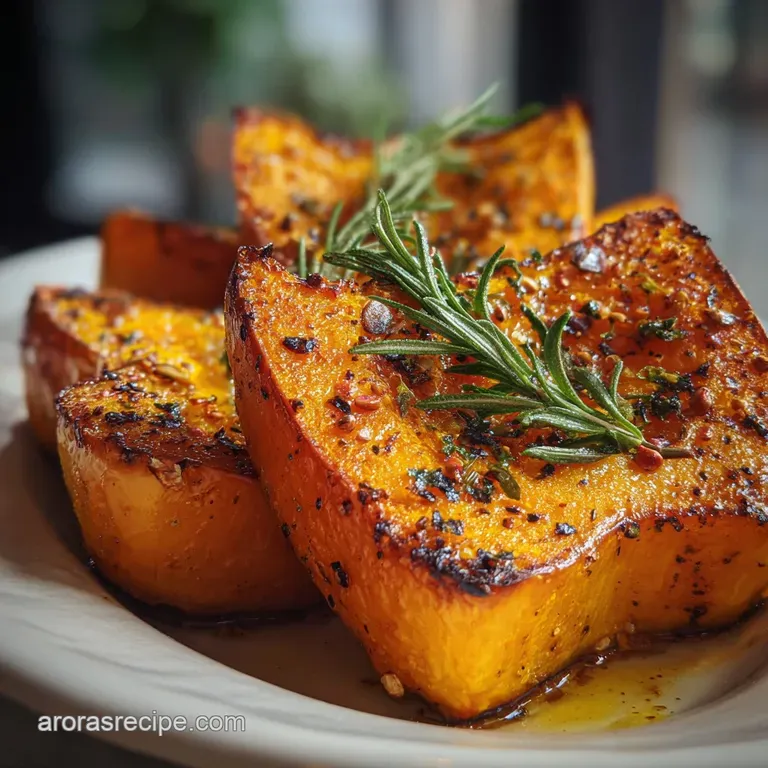
- Flavor/Texture Hook: Velvety centers with a sugary, charred edge
- Perfect for: Stress free weeknight dinners or Nashville style holiday spreads
- The Best Way For Cooking Butternut Squash in Oven
- The Alchemy of Caramelization
- Component Analysis
- Simple Elements for Maximum Flavor
- Tools for a Perfect Sheet Pan Roast
- Step-by-Step Guide to Golden Squash
- Expert Tricks for Better Roasting
- Adjusting for Different Batch Sizes
- Creative Ways to Change the Seasoning
- Storage and Using Every Scrap
- Myths About Roasting Squash
- Recipe FAQs
- 📝 Recipe Card
The Best Way For Cooking Butternut Squash in Oven
There’s a specific sound that tells you a squash is ready. It’s that soft hiss as the natural sugars bubble against the hot metal of the sheet pan, followed by a scent that fills the kitchen with warmth. I remember the first time I tried roasting this.
I spent twenty minutes wrestling with a dull knife in my tiny Nashville apartment, convinced I was going to lose a finger before dinner was even served. It was a mess, but that first bite of charred, buttery squash changed everything.
Since then, I’ve learned that the secret isn’t just about the heat. It’s about how you prep the skin and how you let the fat carry the seasoning into every crevice. We're moving past those watery, steamed cubes you might find at a sad buffet.
This recipe is about high heat, focused seasoning, and getting that perfect golden brown finish that makes everyone reach for seconds.
We are going to treat this squash with the respect it deserves. Whether you're serving this alongside a roast or eating it straight off the pan, it's the kind of dish that feels like a hug. It’s simple, honest, and uses the natural sweetness of the vegetable to do the heavy lifting.
The Alchemy of Caramelization
Maillard Reaction: High heat at 400°F (204°C) breaks down complex carbohydrates into simple sugars, creating that dark, flavorful crust.
Thermal Conductivity: Using a heavy metal sheet pan transfers heat directly into the squash flesh, ensuring the bottom edges sizzle and crisp.
| Cube Size | Oven Temp | Cook Time | Finish Cue |
|---|---|---|---|
| 1/2 inch (1.2 cm) | 400°F (204°C) | 20 minutes | Dark brown edges, soft middle |
| 1 inch (2.5 cm) | 400°F (204°C) | 30 minutes | Fork slides through with zero resistance |
| Whole (Halved) | 400°F (204°C) | 50 minutes | Skin pulls away and flesh is mushy |
Finding the right balance of time and temperature is the key to preventing the squash from turning into a pile of baby food. If you're looking for a similar crispness in your sides, you might want to try this How To Make recipe for perfectly textured potatoes.
Component Analysis
| Ingredient | Science Role | Pro Secret |
|---|---|---|
| Avocado Oil | High Smoke Point | Prevents the squash from tasting "burnt" at high roasting temps |
| Ghee | Fat & Flavor | Adds a nutty, buttery depth that doesn't scorch like regular butter |
| Cinnamon | Flavor Bridge | Enhances the natural sweetness without needing cups of extra sugar |
| Sea Salt | Osmosis Control | Draws out just enough moisture to allow the surface to brown properly |
Simple Elements for Maximum Flavor
- 1 large butternut squash (approx. 1.36 kg / 3 lbs): The star of the show. Why this? Firm, heavy squash have the highest sugar content and best texture for roasting.
- Substitute: Kabocha or Honeynut squash work beautifully with the same cook times.
- 2 tbsp avocado oil or ghee: Your fat source. Why this? Ghee adds a Southern, buttery finish that pairs perfectly with winter spices.
- Substitute: Melted coconut oil adds a lovely tropical scent.
- 1 tsp flaky sea salt: For texture and seasoning. Why this? Large flakes provide little bursts of saltiness rather than a flat, salty flavor.
- Substitute: Kosher salt (use 1.5 tsp to match the volume).
- 1/2 tsp cracked black pepper: For a subtle bite.
- Substitute: A pinch of cayenne if you want a spicy sweet vibe.
- 1/2 tsp ground cinnamon: The secret to that "homemade" aroma.
- Substitute: Pumpkin pie spice or freshly grated nutmeg.
- 1 tbsp maple syrup (optional): For extra glaze. Why this? The sugars caramelize quickly, creating a sticky, glossy coating on the cubes.
- Substitute: Honey or brown sugar.
- 1 tsp fresh thyme leaves: For an earthy, herbal finish.
- Substitute: Dried sage or rosemary.
Tools for a Perfect Sheet Pan Roast
You don't need a professional kitchen, but a heavy duty rimmed baking sheet is non negotiable. Thin pans warp under high heat, which causes your squash to slide into one corner and steam instead of roast. A sharp chef's knife is your best friend here.
If your knife is dull, you'll struggle with the tough skin, which is how accidents happen. I also highly recommend using a vegetable peeler with a horizontal blade it’s much easier on the wrists when tackling thick squash skin.
step-by-step Guide to Golden Squash
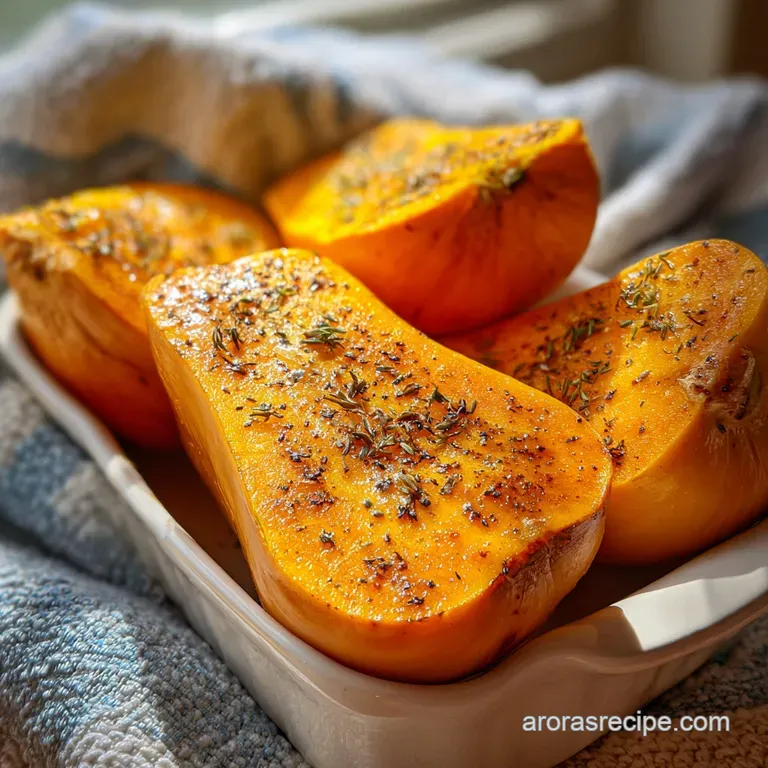
- Preheat oven. Set your rack to the middle position and crank the heat to 400°F (204°C). Note: A hot oven is essential for the immediate sizzle.
- Soften skin. Microwave the whole squash for 2 minutes. Note: This softens the rind just enough to make peeling and cutting much safer.
- Peel squash. Trim the top and bottom, then use your peeler to remove the skin until you see the vibrant orange flesh.
- Remove seeds. Slice the squash in half lengthwise and scoop out the seeds with a sturdy metal spoon.
- Cube flesh. Cut the squash into 1 inch (2.5 cm) cubes. Ensure they are uniform for even cooking.
- Coat squash. Toss the cubes with 2 tbsp avocado oil, 1 tsp sea salt, 1/2 tsp pepper, and 1/2 tsp cinnamon.
- Arrange pan. Spread the squash in a single layer on the sheet pan. Don't let them touch or they will steam.
- Initial roast. Bake for 20 minutes until the bottoms are starting to brown and sizzle.
- Glaze squash. Drizzle with 1 tbsp maple syrup and toss gently with a spatula.
- Final roast. Return to the oven for 10 minutes until the edges shatter and the centers are velvety.
- Garnish squash. Sprinkle with 1 tsp fresh thyme leaves while still hot.
This savory sweet profile is a classic, but if you're planning a full brunch spread, these cubes look gorgeous sitting next to a Homemade Crescent Roll recipe.
Expert Tricks for Better Roasting
To Avoid "The Mush Factor"
If your squash comes out soggy, it’s usually because the pan was overcrowded. When the cubes are too close together, the moisture they release gets trapped, creating steam. Give each cube at least a half inch of "personal space." If you have too much squash for one pan, use two.
To Achieve a Velvet Interior
The 400°F (204°C) temperature is the sweet spot. It's hot enough to brown the outside before the inside turns into mush. If you go lower, like 350°F, you'll end up with soft, pale squash that lacks that signature roasted depth.
| Problem | Root Cause | Solution |
|---|---|---|
| Squash is burnt | Too much sugar or too high heat | Add maple syrup only in the last 10 minutes of roasting |
| Squash is tough | Underbaked | Check with a fork; it should offer zero resistance when done |
| Pale and soggy | Crowded pan | Use a larger sheet pan or roast in two separate batches |
Common Mistakes Checklist
- ✓ Always dry the squash after peeling/washing; moisture is the enemy of a crisp crust.
- ✓ Don't skip the "microwave trick" a cold squash is a dangerous squash to cut.
- ✓ Ensure the cubes are roughly the same size so you don't end up with some burnt and some raw.
- ✓ Use a high smoke point oil like avocado or ghee; olive oil can sometimes taste bitter at 400°F.
- ✓ Wait to add the maple syrup until the final stretch to prevent the sugar from burning.
Adjusting for Different Batch Sizes
If you are cooking for a crowd, you can easily double this recipe. However, you must use two separate baking sheets. Do not try to pile all 6 lbs of squash onto one tray, or you'll end up with a boiled texture.
Rotate the pans halfway through the cooking time moving the bottom one to the top rack and vice versa to ensure even browning.
When halving the recipe for a solo dinner, the cook time usually stays the same, though you should start checking for doneness about 5 minutes early since a less crowded pan allows for faster air circulation.
| Method | Time | Texture | Best For |
|---|---|---|---|
| Cubed & Roasted | 30 minutes | Crispy edges, firm bite | Side dishes and salads |
| Whole (Halved) | 50 minutes | Puree like, very soft | Soup base or mashing |
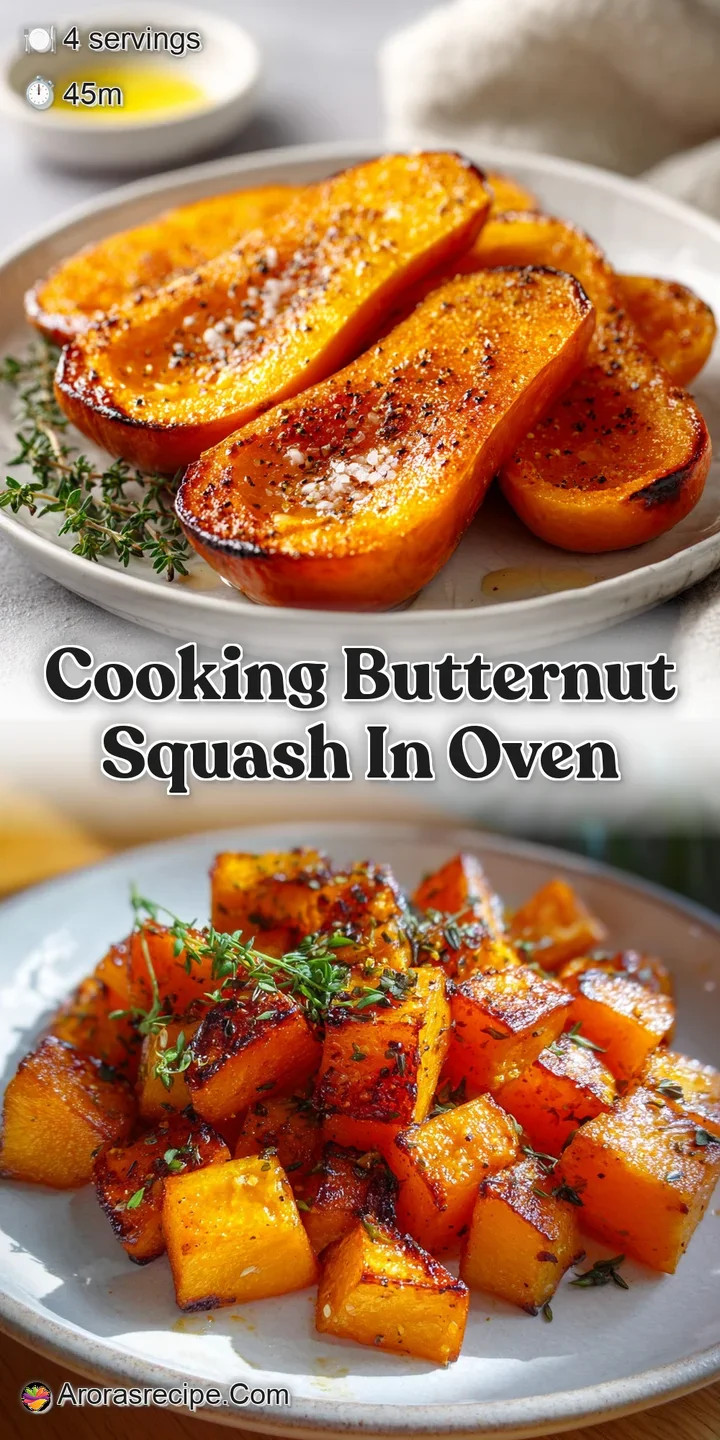
| Sliced (Half Moons) | 35 minutes | Rustic, tender skin | Elegant dinner presentations |
Creative Ways to Change the Seasoning
Chef's Note: If you want to go purely savory, swap the cinnamon and maple for smoked paprika and a clove of minced garlic. It gives the squash a "barbecue" feel that is incredible with grilled chicken.
For a Mediterranean twist, use dried oregano and top the finished squash with a handful of crumbled feta cheese. The saltiness of the cheese cuts through the sugar of the vegetable perfectly.
You could also try the "Hasselback" method slicing the squash halves thinly but not all the way through, then basting with sage butter as it roasts.
Storage and Using Every Scrap
- Fridge
- Store leftovers in an airtight container for up to 4 days. They lose their "crunch" but stay incredibly flavorful.
- Freezer
- Roasted squash freezes well for up to 3 months. I recommend freezing them in a single layer on a tray first, then moving them to a bag so they don't clump together.
- Reheating
- Use the oven or an air fryer at 350°F for 5 minutes. Avoid the microwave, as it will make the squash rubbery.
Zero Waste Tip: Don't throw away those seeds! You can roast them just like pumpkin seeds. Clean them, toss with a little oil and salt, and bake at 325°F for 15 minutes for a crunchy snack.
Also, if you have leftover roasted cubes, toss them into a blender with some vegetable stock for an instant, creamy butternut soup.
Myths About Roasting Squash
You must peel the squash before roasting. Truthfully, the skin of a butternut squash is edible, especially when roasted at high heat. However, it can be slightly tough. If you're in a rush, you can leave it on, but for the most "velvety" experience, peeling is the way to go.
Soaking squash in water makes it fluffier. This actually has the opposite effect. Adding water to the roasting process (or the squash itself) introduces steam, which prevents the Maillard reaction from occurring. You want the squash as dry as possible before it hits the oil.
High heat "locks in" the moisture. Searing or over high heat roasting doesn't actually create a waterproof barrier. Moisture loss happens regardless of the temperature. What high heat does do is create a flavorful crust that provides a textural contrast to the soft interior.
Recipe FAQs
What temperature to bake butternut squash in the oven?
400°F (204°C). This high heat is crucial for achieving caramelized edges and a tender interior without making it mushy.
How do you cook butternut squash in the oven?
Cube, season, and roast on a single layer. Cut the squash into uniform 1 inch cubes, toss with oil, salt, pepper, and cinnamon, then spread on a baking sheet so pieces don't touch, and bake at 400°F for about 30 minutes, or until tender and caramelized.
Should I bake butternut squash cut side up or down?
It depends on how you cut it. If roasting halves, cut side down helps moisture stay in, but for cubes, a single layer on the baking sheet is key for even browning all around.
How long to bake squash in the oven at 350 degrees?
Longer than at 400°F, potentially an hour or more. Baking at 350°F is not ideal; it increases the risk of a pale, steamed texture and requires much longer cooking time. Aim for 400°F for best results in about 30 minutes for cubes.
Can I roast butternut squash with the skin on?
Yes, but peeling is recommended for a velvet texture. The skin is edible and will soften, but peeling allows for better caramelization and a more tender bite, similar to how a great How to Cook Sirloin Steak: Pan-Seared develops a perfect crust.
What's the best oil for roasting butternut squash?
A high smoke point oil like avocado or ghee. These fats can handle the high heat of 400°F without burning, ensuring the squash browns beautifully. This technique of using high heat for browning is also fundamental to achieving a rich Brown Gravy Recipe: Deep Flavoured, Easy Homemade Gravy.
Why is my roasted butternut squash mushy?
Likely due to overcrowding the pan. When squash pieces are too close, their released moisture creates steam, preventing proper browning and leading to a soggy texture. Ensure there's space between each cube for air circulation.
Oven Butternut Squash
Ingredients:
Instructions:
Nutrition Facts:
| Calories | 187 kcal |
|---|---|
| Protein | 2.5 g |
| Fat | 7.3 g |
| Carbs | 32.6 g |
| Fiber | 5.4 g |
| Sugar | 8.5 g |
| Sodium | 582 mg |
