Salmon Cooked in the Oven with Lemon and Herbs
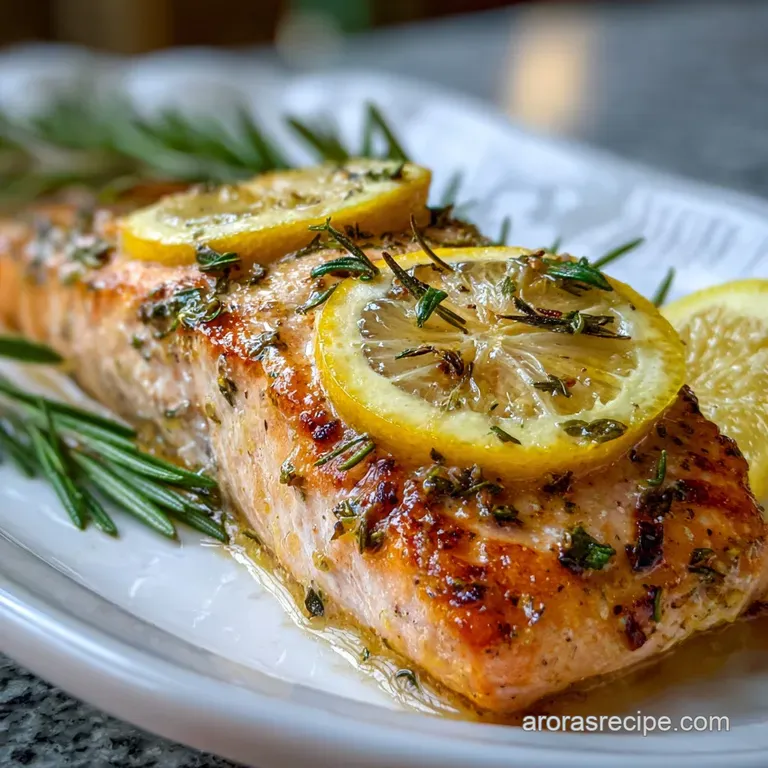
- Time: Active 10 minutes, Passive 12 minutes, Total 22 minutes
- Flavor/Texture Hook: Silky, melt in-the mouth flakes with a bright, zingy herb crust
- Perfect for: Busy weeknight dinners or a light, impressive date night meal
- The Best Salmon Cooked in the Oven with Lemon and Herbs
- Science Behind the Perfect Flaky Texture
- Ingredient Deep Dive Analysis
- Selecting Your Fresh Ingredients
- Essential Minimalist Kitchen Tools
- Simple Step by Step Roasting Process
- Troubleshooting and Common Mistakes
- Flavor Variations and Ingredient Swaps
- Debunking Common Salmon Myths
- Proper Storage and Zero Waste Tips
- Best Side Dishes for This Meal
- Recipe FAQs
- 📝 Recipe Card
The Best Salmon Cooked in the Oven with Lemon and Herbs
The kitchen smells like a Nashville garden in late spring right now. There is something about the way fresh dill and lemon zest hit a hot pan that just feels like home. I remember the first time I tried making this; I was so worried about it being dry that I practically hovered over the oven door like a hawk.
Discover the most flavorful recipe for Salmon Cooked in the Oven with Lemon and Herbs you'll ever try. It is one of those dishes that looks fancy but honestly requires less effort than making a sandwich once you get the timing down.
We have all been there pulling out a piece of fish that looks more like a pink eraser than a meal. It’s frustrating! But after plenty of trial and error in my own kitchen, I found that the secret isn’t some fancy gadget.
It’s all about how you treat the fats and the acids before they ever touch the heat. This recipe focuses on a "quick infusion" technique where we let the garlic and herbs marry into the olive oil, creating a protective, flavorful barrier that keeps the moisture locked inside the salmon.
You won’t need a pile of dishes for this one. We are keeping it simple, focusing on the quality of the 1.5 lbs center cut salmon and the punchy brightness of fresh thyme and dill. Whether you’re a pro or you’re just starting your cooking journey, this method is practically foolproof.
It’s comforting, it’s reliable, and it’s going to become a staple in your house just like it did in mine.
Science Behind the Perfect Flaky Texture
Protein Denaturation: High heat causes the tightly coiled proteins in the fish to unwind and then bond together, which creates that characteristic flaky structure. If we cook it too long, these bonds squeeze out all the moisture, leaving the fish tough.
Thermal Buffering: Placing lemon slices underneath or on top of the fillet acts as a heat shield, slowing down the temperature rise in the thinnest parts of the fish. This ensures the entire 1.5 lbs piece reaches doneness at the same time.
Fat Soluble Aromatics: The essential oils in dill, thyme, and garlic are fat soluble, meaning they dissolve and intensify when mixed with the 3 tbsp of olive oil. This carries the flavor deep into the muscle fibers instead of just sitting on top.
| Thickness | Internal Temp | Rest Time | Visual Cue |
|---|---|---|---|
| 0.5 inch (1.3 cm) | 145°F (63°C) | 2 mins | Opaque and easily flaked with a fork |
| 1.0 inch (2.5 cm) | 145°F (63°C) | 3 mins | Center is just barely translucent pink |
| 1.5 inches (3.8 cm) | 145°F (63°C) | 5 mins | Skin pulls away easily from the flesh |
Knowing exactly when to pull your fish out is the difference between a velvety dinner and a dry disappointment. Use a digital thermometer if you have one, but those visual cues are your best friend in a busy kitchen. If you find yourself wanting a different texture, such as something with a faster sear, you might enjoy my Salmon Tataki Sear recipe for a more modern twist.
Ingredient Deep Dive Analysis
| Ingredient | Science Role | Pro Secret |
|---|---|---|
| Kosher Salt | Denatures proteins to retain juices | Salt the fish 10 minutes early for a firmer, seasoned texture |
| Fresh Dill | Adds volatile aromatic compounds | Bruise the dill leaves slightly before chopping to release more oils |
| Lemon Juice | Breaks down connective tissues | Always zest before juicing to get the most potent citrus punch |
| Extra Virgin Olive Oil | Conducts heat and prevents sticking | Use a high-quality oil; it becomes a sauce when mixed with fish juices |
The salt is doing more than just adding flavor here; it’s actually changing the structure of the fish so it can hold onto its natural water content. I used to skip the resting period, but trust me, letting that salmon sit for just three minutes allows the juices to redistribute so they don't all run out on your plate.
Selecting Your Fresh Ingredients
- 1.5 lbs center cut salmon fillet: Look for a bright, vibrant color and firm flesh. Why this? The center cut has a uniform thickness, which ensures even cooking throughout.
- Substitute: Steelhead trout. It has a similar fat content and flavor profile.
- 1 tsp kosher salt: A coarse grain allows for better control. Why this? It draws out just enough moisture to create a beautiful surface sear.
- Substitute: Sea salt, but use slightly less as it can be saltier by volume.
- 0.5 tsp freshly cracked black pepper: Provides a subtle heat.
- Substitute: White pepper for a milder, more floral spice.
- 3 tbsp extra virgin olive oil: The primary fat for the herb rub.
- Substitute: Avocado oil for a higher smoke point, though you'll lose the olive notes.
- 3 cloves garlic, minced: Essential for that savory backbone.
- Substitute: 1 tsp garlic powder in a pinch, though fresh is much better.
- 2 tbsp fresh parsley, finely chopped: Adds a clean, grassy finish.
- Substitute: Fresh cilantro if you want a more citrusy, herbaceous vibe.
- 1 tbsp fresh dill, chopped: The classic pairing for salmon.
- Substitute: Fennel fronds for a slight anise like sweetness.
- 1 tsp fresh thyme leaves: Adds an earthy, woody depth.
- Substitute: Dried thyme, but use only 1/3 tsp since it's more concentrated.
- 1 large lemon: We use the zest, the juice, and the whole slices.
- Substitute: A large lime can work for a more tropical, sharp acidity.
Essential Minimalist Kitchen Tools
For this recipe, we are staying away from anything complicated. You’ll need a standard rimmed baking sheet or a large oven safe glass baking dish. If you’re worried about the skin sticking, a piece of parchment paper is a lifesaver, though I personally love the way the skin crisps up directly on a metal pan.
You’ll also need a small mixing bowl to whisk together your herb oil and a sharp chef's knife for mincing those garlic cloves and herbs. If you have a microplane for the lemon zest, use it! It creates a fine citrus dust that melts right into the oil.
If not, the small holes on a box grater work just fine.
Simple step-by-step Roasting Process

- Preheat the oven. Set your rack to the middle position and heat to 400°F (200°C). Note: A preheated oven is vital for that immediate sizzle when the fish enters.
- Prepare the herb infusion. In a small bowl, whisk the 3 tbsp olive oil, minced garlic, parsley, dill, thyme, and lemon zest.
- Dry the salmon. Pat the 1.5 lbs salmon fillet completely dry with paper towels until the skin feels tacky rather than wet.
- Season the base. Sprinkle the kosher salt and black pepper evenly over both sides of the fish.
- Apply the aromatics. Brush the herb oil mixture generously over the top and sides of the salmon.
- Arrange lemon slices. Place the lemon rounds on the baking sheet and lay the salmon directly on top, or tuck them around the sides.
- Roast the fish. Place the pan in the oven and bake for 12 minutes until the thickest part is opaque and shimmering.
- Add the finishing touch. Drizzle the fresh lemon juice over the hot salmon immediately after pulling it from the oven.
- Rest the fillet. Wait 3 minutes before slicing to allow the internal juices to settle and thicken.
- Serve immediately. Use a wide spatula to lift the salmon off the skin or the lemon slices and plate it up.
Chef's Tip: For a deeper flavor, I like to toss the garlic and oil in a pan for 60 seconds over low heat before mixing in the herbs. It takes away that raw garlic "bite" and makes the whole dish taste much more sophisticated.
Troubleshooting and Common Mistakes
Why salmon develops white spots
That white substance is called albumin. It is a perfectly safe protein that gets pushed out of the muscle fibers when the fish is cooked too fast or too long. It is basically the salmon's way of telling you the heat was a bit too aggressive.
To minimize this, try lowering your oven by 25 degrees or taking the fish out when the internal temperature hits 135°F and letting carryover cooking do the rest.
Why the herbs are burning
If your parsley or dill looks charred and bitter, it’s usually because they weren't fully coated in the olive oil. The oil acts as a heat shield for the delicate leaves. Make sure you really work that herb paste into a thick slurry before brushing it on.
| Problem | Root Cause | Solution |
|---|---|---|
| Dry, tough texture | Internal temp exceeded 150°F | Pull at 140°F and rest for 5 minutes |
| Soggy skin | Excess moisture on the scales | Pat dry with paper towels; don't skip this! |
| Lack of flavor | Salt didn't penetrate the meat | Season the fish at least 10 minutes before cooking |
Another mistake I once made was using bottled lemon juice. Honestly, don't even bother with that stuff. The fresh zest is where all the aromatic oils live, and you just can't get that from a plastic lemon.
Common Mistakes Checklist
- ✓ Always pat the salmon dry; moisture is the enemy of a good sear.
- ✓ Don't skip the lemon zest; it provides more flavor than the juice itself.
- ✓ Check for pin bones before cooking; run your finger along the center line.
- ✓ Avoid over crowding the pan if you are making multiple fillets.
- ✓ Use fresh herbs whenever possible; dried ones can taste dusty in this quick roast.
Flavor Variations and Ingredient Swaps
If you want to change things up, this recipe is incredibly flexible. You can swap the herbs for a "Mediterranean" feel by using oregano and adding some crumbled feta during the last two minutes of roasting. It creates a creamy, salty contrast to the zingy lemon.
For those who like a bit of heat, adding half a teaspoon of red pepper flakes to your oil mixture provides a lovely warm finish without overpowering the delicate fish. If you are looking for a more "low and slow" approach to get a different texture, you might want to see my Baked Salmon in recipe which uses a slightly different temperature profile for ultra silky results.
| Premium Ingredient | Budget Alternative | Flavor Impact | Savings |
|---|---|---|---|
| Wild King Salmon | Farmed Atlantic Salmon | Farmed is fattier/milder | Save $10-15 per lb |
| Fresh Thyme | Dried Thyme | Dried is more concentrated | Save $3-4 per bunch |
| Cold Pressed EVOO | Standard Olive Oil | Less peppery finish | Save $5-8 per bottle |
Reducing the recipe for one or two people is easy. Just use a smaller baking dish to keep the juices from spreading out and burning on a large pan. If you're doubling it for a crowd, I recommend using two separate baking sheets rather than crowding one.
This allows the air to circulate, preventing the salmon from "steaming" in its own moisture.
Debunking Common Salmon Myths
One huge misconception is that you have to flip the salmon in the oven. Please, don't do that! You risk breaking the fillet, and because the heat in an oven surrounds the fish, flipping is totally unnecessary. Just let it sit skin side down and let the oven do its job.
Another myth is that you must remove the skin before cooking. The skin actually acts as a natural insulator, protecting the delicate flesh from the direct heat of the pan. Even if you don't plan on eating it, leave it on during the bake it will peel off effortlessly once the fish is done.
Proper Storage and Zero Waste Tips
Storage: You can keep leftover salmon in an airtight container in the fridge for up to 3 days. To reheat, I recommend using a over low heat setting in the oven (around 275°F) with a splash of water and a cover. This prevents it from drying out like a microwave would.
You can also freeze cooked salmon for up to 3 months, though the texture will be slightly softer upon thawing.
Zero Waste: Don't throw away those herb stems! If you have leftover parsley or dill stems, toss them into a freezer bag. They are incredible for flavoring homemade fish stock or vegetable broth later on.
Also, if you have extra lemon halves that you've already zested, throw them into a jar of white vinegar. After a week, you'll have a fantastic, natural citrus cleaner for your countertops.
Best Side Dishes for This Meal
This salmon is the star of the show, but it loves a good supporting cast. I almost always serve this with a pile of roasted asparagus or some garlic sauteed spinach. The brightness of the lemon in the fish really cuts through the earthy notes of green vegetables.
If you’re looking for something heartier, a fluffy bed of quinoa or a simple Cooked Salmon recipe style rice pilaf works wonders. The rice soaks up all that extra herb infused olive oil and lemon juice that collects at the bottom of the plate. It's comfort food at its best simple, healthy, and incredibly satisfying. Right then, let's get that oven preheated and start cooking!
Recipe FAQs
What temperature should I cook salmon at?
Preheat your oven to 400°F (200°C). This temperature is ideal for achieving a quick cook that keeps the salmon moist while developing a nice texture.
How long does salmon take to cook in the oven?
Bake for about 12 minutes. Cooking time varies by thickness; aim for an internal temperature of 145°F (63°C) and check for doneness with a fork.
Why is my salmon dry and tough?
You likely overcooked it. Salmon proteins contract and squeeze out moisture when cooked too long. Pull it out when the thickest part is just barely translucent pink; carryover cooking will finish the job.
Can I use dried herbs instead of fresh?
Yes, but use them sparingly. Dried herbs are more concentrated, so use about one-third the amount of fresh herbs called for, like one teaspoon of dried thyme instead of one tablespoon fresh.
What does the white stuff on cooked salmon mean?
That's albumin, a protein. It's harmless and indicates the fish has been cooked a bit too quickly or intensely. Lowering the oven temperature slightly or pulling the fish out earlier can minimize it.
Should I leave the skin on or take it off before baking?
Leave the skin on; it protects the fish. The skin acts as a barrier, preventing the delicate flesh from drying out in the oven heat. It also helps the fillet hold its shape and can be easily peeled away after cooking if you prefer.
How do I store leftover cooked salmon?
Store in an airtight container in the refrigerator for up to 3 days. For reheating, an oven at a low temperature (around 275°F) with a splash of water is best to avoid drying it out, unlike microwaving.
Oven Salmon Lemon Herbs
Ingredients:
Instructions:
Nutrition Facts:
| Calories | 454 calories |
|---|---|
| Protein | 34.2 g |
| Fat | 33.1 g |
| Carbs | 1.8 g |
| Fiber | 0.4 g |
| Sugar | 0.3 g |
| Sodium | 588 mg |
