Top Sirloin Recipes: Pan-Seared with Garlic Butter
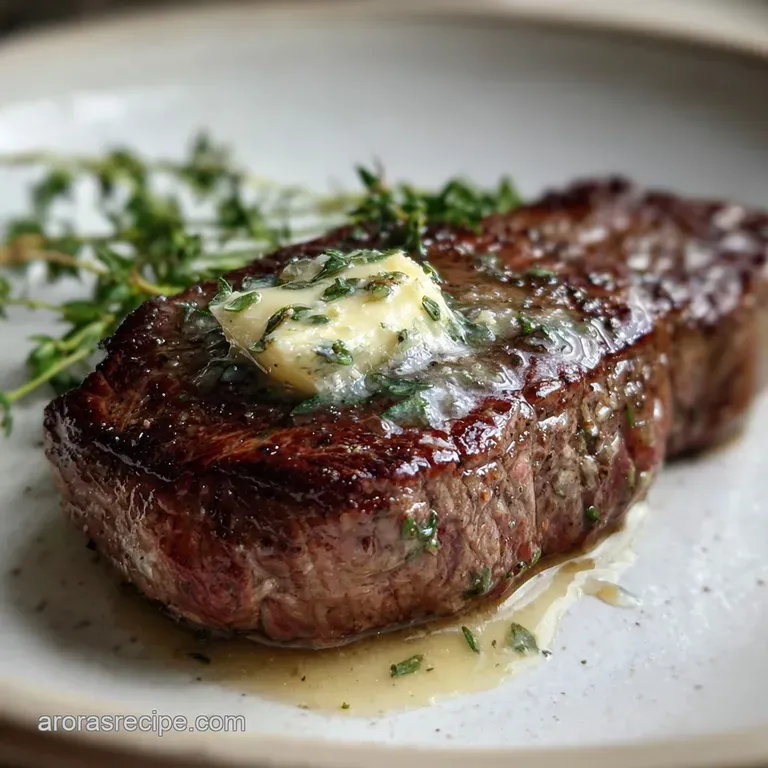
- Mastering the Art of Pan-Seared Top Sirloin
- Essential Components for This Top Sirloin Recipe
- The Science Behind a Perfect Steak Crust and Tender Interior
- Step-by-Step Guide: Achieving the Perfect British Steak Supper
- Professional Steak Tips and Common Cooking Pitfalls
- Handling Leftovers: Storage and Reheating Guidelines
- Classic British Pairings for These Top Sirloin Recipes
- Recipe FAQs
- 📝 Recipe Card
Mastering the Art of Pan-Seared Top Sirloin
That incredible aroma of garlic butter hitting sizzling fat is pure magic, right? Forget the expensive cuts for a moment; we are talking about the ultimate weeknight winner today, exploring the techniques behind the absolute best Top Sirloin Recipes .
This cut, sometimes called Rump Steak, is affordable, accepts flavour brilliantly, and cooks in under 15 minutes, making it my emergency flavour injection dinner.
I’ve burned more than my share of steaks learning this method, but now I’ve distilled it down to the exact steps that guarantee that gorgeous crust every single time. Let's crack on with mastering this essential Pan-Seared Top Sirloin method.
What Makes Rump Steak the Underrated Hero?
Fillet is lovely, sure, but top sirloin has a deep, robust, honest beef flavour that other cuts just can’t touch. It’s lean but still firm, offering a satisfying bite that really stands up to bold seasoning and high heat.
Yes, it needs technique, especially because it can dry out quickly, but the payoff flavour for your pound is outstanding when you focus on thick cuts and precise temperatures.
A Quick Look at the Garlic Thyme Butter Technique
This isn't just about cooking the steak; it’s about bathing it in luxury during the final phase. As the thyme and smashed garlic heat in the foaming butter, the resulting nutty, savoury liquid perfumes the meat, dramatically improving the texture and richness.
It’s what separates a decent pan-fried steak from a truly excellent steakhouse quality result, and it's essential for all great Top Sirloin Recipes .
Assessment: Is This Recipe Right for Your Kitchen?
Absolutely, provided you have a good, heavy bottomed pan, like cast iron. This recipe hinges on creating maximum heat and maintaining it, which is the secret to these quick Top Sirloin Recipes . If you have an instant read thermometer, you are already halfway to perfection.
Essential Components for This Top Sirloin Recipe
We are keeping the ingredient list tight, focusing purely on quality and technique because that’s where the magic happens with Easy Top Sirloin Recipes . Remember, high-quality salt and fresh herbs make a huge difference here.
If you’re looking for fantastic Top Sirloin Dinner Ideas , start by making sure your kitchen is stocked with the best foundational components.
| Ingredient | Why It Works | Substitute Recommendation |
|---|---|---|
| Thick Top Sirloin | Deep flavour, good structural integrity for searing. | Tri-tip (Picanha) or thick cut Rump steak. |
| Kosher Salt | Better control over seasoning; draws moisture out for the crust. | Fine sea salt (use half the amount). |
| Grapeseed Oil | Extremely high smoke point required for the initial sear. | Refined Avocado Oil or Canola Oil. Avoid Olive Oil. |
| Unsalted Butter | Adds rich flavour and fat for basting without burning. | Ghee (clarified butter) is a great substitute if avoiding milk solids. |
| Fresh Thyme | Earthy, subtle aroma that complements the beef perfectly. | Fresh Rosemary or Oregano, used sparingly. |
The Science Behind a Perfect Steak Crust and Tender Interior
Selecting the Best Cut of Top Sirloin (Rump)
When you're at the butcher counter, aim for thickness, not size. A steak that is less than 1.25 inches thick is nearly impossible to cook properly in a pan the interior hits medium well before the outside can even form a decent crust.
For the best Cast Iron Skillet Steak , ask for a cut that is 1.5 to 2 inches thick.
Clarifying the Role of Fresh Garlic and Thyme
These two aromatics are essential for creating that deep, classic Garlic Thyme Steak flavour, but they are incredibly prone to burning. Burnt garlic tastes acrid and ruins the whole dish!
We introduce them only during the final basting phase when the heat is reduced, allowing them to gently infuse the butter without scorching.
Alternative Fats for over High heat Cooking
This initial sear needs serious heat, and regular butter will burn instantly, creating smoke and bitterness. That's why we start with a high smoke point neutral oil like grapeseed. It lets the pan get screaming hot, which is the non-negotiable step for achieving that beautiful Maillard reaction crust.
Maximizing Flavor: Achieving the Maillard Reaction
What is that magical brown crust? It’s the Maillard reaction, a chemical transformation between amino acids and reducing sugars that happens around 140°C (280°F). To get it, you need high heat and zero moisture.
That’s why blotting the steak until it’s bone dry and letting it temper at room temperature for an hour is absolutely critical. Cold, wet steak will lower the pan temperature too much and steam instead of searing, leaving you with sad, gray results.
Chef's Note: If you want genuinely delicious Quick Top Sirloin Recipes , you must respect the rest time. Resting the steak at room temperature allows the heat to penetrate evenly, meaning you get more perfect medium rare from edge to edge.
Why the Butter Baste is Essential for Top Sirloin
Top sirloin is leaner than, say, a Ribeye, so we need to add back some richness and moisture. The butter baste serves two brilliant purposes: it carries the delicious Garlic Thyme Steak flavour deep into the meat, and the cool butter briefly drops the pan temperature.
This controls the cooking process, finishing the interior gently while the crust you already built stays crisp. It’s an easy technique that transforms the simplest of Top Sirloin Recipes .
step-by-step Guide: Achieving the Perfect British Steak Supper
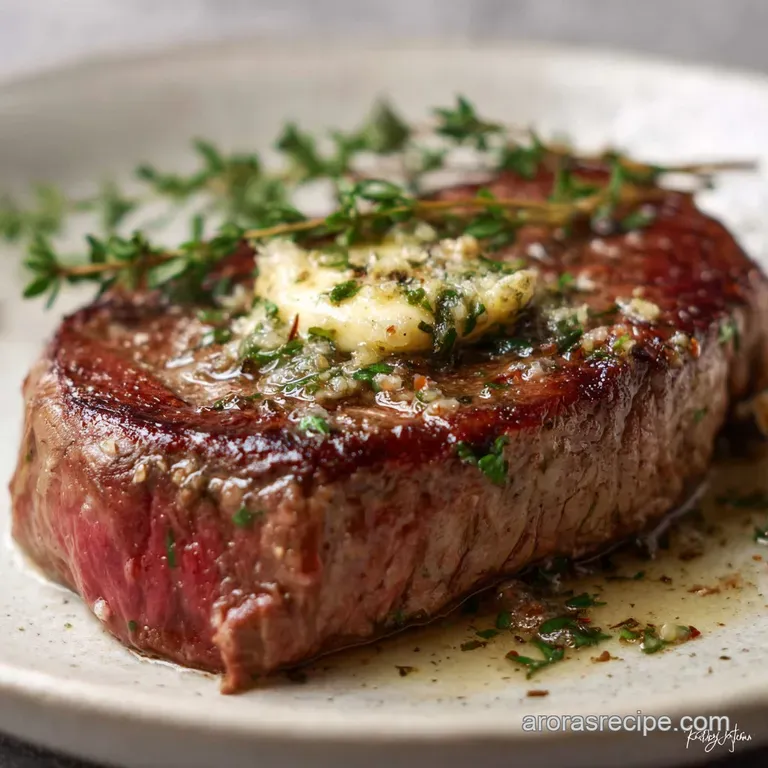
Dry Brining and Prepping the Steak for the Pan
First, pat those sirloins aggressively dry with kitchen paper. Season generously and I mean generously —with coarse salt and pepper. We are building the crust right now, so don't be shy. Now, put the steaks on a wire rack and let them temper for at least 30 minutes.
Never cook straight from the fridge.
The over High heat Initial Sear (The Crust Phase)
Get your cast iron pan smoking hot over high heat for about 5 minutes. Add the oil, and it should shimmer instantly. Carefully lay the steaks away from you in the pan. Listen for that aggressive, immediate sizzle —that’s the sound of success!
Sear for 2 to 3 minutes without moving them. If your sirloin has a thick fat cap, hold the steak on its side with tongs and render that fat for a minute first.
The Aromatic Baste and Finishing Temperature Check
Flip the steaks, reduce the heat to medium low, and immediately drop in the cold butter pats, smashed garlic, and thyme sprigs. As the butter melts and foams, tilt the pan towards you and use a spoon to continuously scoop and pour the hot, aromatic liquid over the sirloin.
Keep basting for 1 to 2 minutes, ensuring the entire top surface is coated. For medium rare (55°C/130°F final temp), pull the steaks from the pan at 50°C (122°F). This is critical.
Resting the Steak for Maximum Juiciness
Transfer the hot steaks immediately to a clean wire rack over a cutting board. Do not put them on a cold plate or cut into them immediately. I once made this mistake and watched all the glorious juice run out a tragedy.
That crucial 10 minute rest allows the muscle fibres to relax and redistribute the juices throughout the meat, guaranteeing a supremely juicy result.
Professional Steak Tips and Common Cooking Pitfalls
I’ve made all these mistakes so you don’t have to! Mastering Top Sirloin Recipes involves avoiding these basic trip ups. If you want the real deal steakhouse experience at home, remember these rules.
Gauging Doneness Without a Thermometer
Please, please, just use a thermometer. The finger test (palm feeling) is inconsistent, especially for thick cuts like top sirloin. However, if your batteries are dead:
- Rare: Very soft and spongy, minimal resistance.
- Medium Rare (Ideal): Soft, yielding, feels like the flesh under your thumb when your index finger is touching it.
- Medium: Starts feeling quite firm but still springy.
Avoiding a Gray, Steamed Steak
The number one culprit for a gray steak is low heat or too much moisture. If you don't pat the sirloin dry, the water will steam the surface before the heat can brown it. Always ensure your pan is screaming hot, and don't overcrowd it. If you are cooking more than two steaks, sear them in batches. For more detailed instructions on temperature management, check out my full guide on Top Sirloin Steak: Pan-Seared with Garlic Thyme Baste .
Ensuring Even Coverage During the Thyme Garlic Baste
When basting, tilt the pan sharply to pool the butter on one side. Use a large spoon, scoop up that foaming liquid, and spoon it over the steak continuously . Make sure you hit the edges and any thicker parts of the sirloin to help them finish cooking.
Handling Leftovers: Storage and Reheating Guidelines
The beauty of these Top Sirloin Recipes is that they taste great fresh, but even leftovers deserve respect. Sirloin is lean, so reheating requires a gentle touch.
Best Practices for Storing Cooked Top Sirloin
Once the steak has cooled completely, slice it against the grain (if you haven’t already) and store it in an airtight container in the fridge. Cooked sirloin is best eaten within 3 days.
I often save the leftover butter basting liquid and drizzle a tiny bit over the slices before sealing it helps keep them moist.
How to Gently Reheat Steak Without Drying It Out
Never, ever microwave steak unless you enjoy shoe leather. For best results, preheat your oven to a low temperature, around 120°C (250°F). Place the sliced sirloin on a wire rack set over a baking sheet and heat for 5 to 10 minutes, just until warmed through.
Alternatively, use an air fryer set to 150°C (300°F) for about 3 minutes.
Classic British Pairings for These Top Sirloin Recipes
A proper steak supper requires proper sides! While the method for making Quick Top Sirloin Recipes is universal, the accompanying dishes often define the meal.
The Best Starches to Serve with Garlic Thyme Sirloin
When I make this at home, I usually stick to the classics:
- Proper Chips: Thick cut, golden fries, often twice cooked for maximum crunch. They are the perfect vehicle for mopping up any leftover butter from the pan.
- Creamy Mash: A simple potato mash, enriched with a little butter and heavy cream.
- Roasted Root Veg: For a cozy feel, serve alongside deeply roasted carrots or parsnips.
- Sweet Potato Surprise: While classic chips are king, sometimes you want a rich contrast. A dollop of something like my bourbon sweet potato casserole bacon pecan topping: The Ultimate Holiday Side offers a surprising sweetness that works beautifully against the savoury saltiness of the steak.
So there you have it no more intimidating cuts or complex steps. These are the straightforward secrets to delicious, juicy, and perfect Top Sirloin Recipes that taste like they took hours but were whipped up during your busiest weeknight.
Go grab your cast iron pan, start heating the oil, and enjoy every savoury bite. You’ve earned that perfect crust!
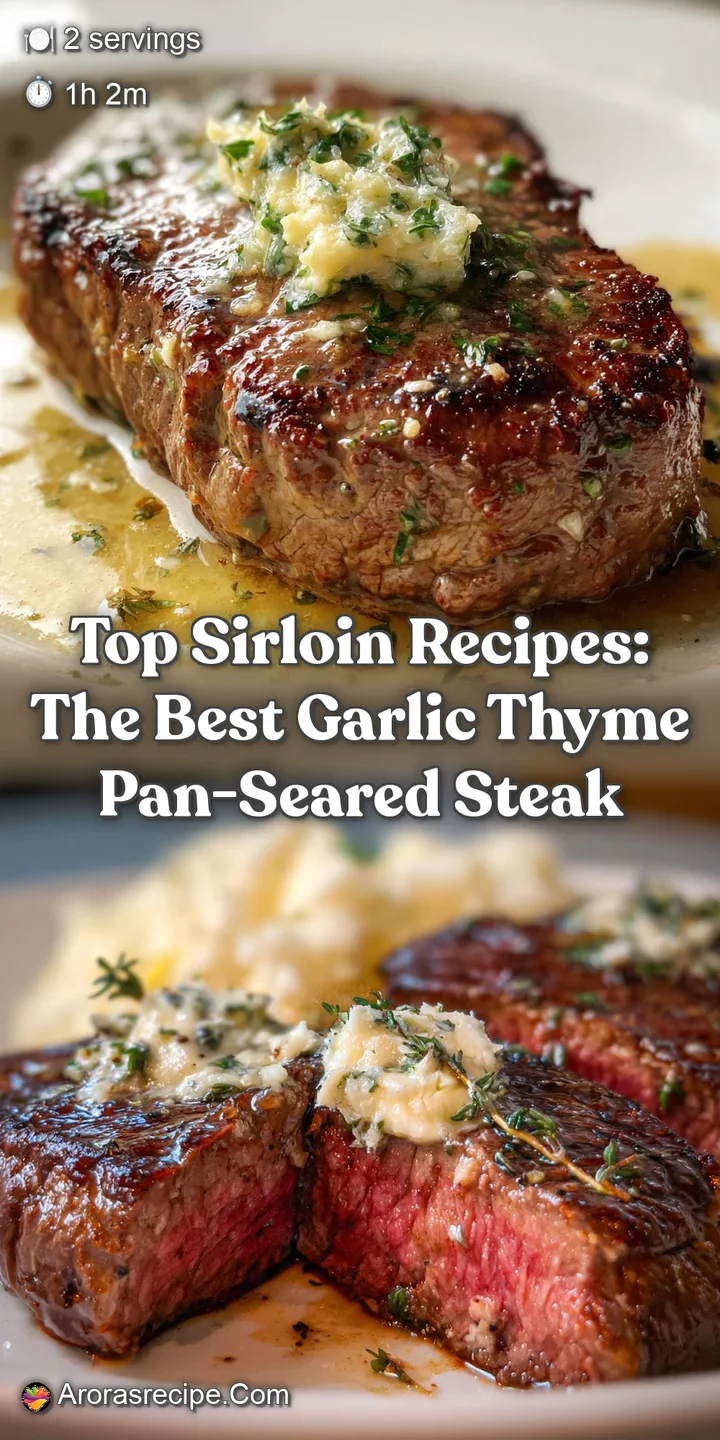
Recipe FAQs
Why did my Top Sirloin turn out tough or chewy?
Chewiness in Top Sirloin, which is a leaner cut, is usually due to skipping the critical resting step or slicing incorrectly. Always rest the steak for 5 to 10 minutes after cooking to allow the muscle fibers to relax and redistribute the juices.
Additionally, Top Sirloin must be sliced strictly against the grain perpendicular to the visible muscle fibers to shorten them and tenderize the meat for eating.
How can I ensure I achieve a perfect, deep crust (Maillard reaction)?
A great crust requires two things: high heat and dryness. Ensure the steak is completely dry by patting it thoroughly with paper towels before seasoning.
The pan should be screaming hot (just before the oil starts smoking) before you place the steak in, and ensure you do not overcrowd the pan, which would immediately lower the temperature.
What is the best internal temperature for medium rare Top Sirloin?
For a perfect medium rare, remove the steak from the heat when its internal temperature hits 130°F (54°C) using an instant read thermometer.
Remember that the steak will continue to cook during the resting period, increasing by another 3 to 5 degrees, resulting in a final temperature of approximately 135°F (57°C).
Can I use this searing method for thicker cuts like a Ribeye or Porterhouse?
Yes, this searing method works beautifully for most premium steak cuts, but you will need to adjust the cooking time significantly. For cuts thicker than 1.5 inches, you may need to finish the steak in a 400°F (200°C) oven for a few minutes after the initial sear.
The oven finish ensures the center reaches the desired temperature without burning the crust.
I don't have fresh thyme. What are good herb substitutes for the butter baste?
Rosemary is an excellent, classic substitute for thyme when cooking beef, offering a fragrant, piney flavor that holds up well to the heat.
Alternatively, you could use sage, or omit the herbs altogether and simply use the melted butter, garlic, and cracked black pepper for a delicious but simpler baste.
How should I store and reheat leftover cooked steak?
Store cooled leftover steak tightly wrapped or in an airtight container in the refrigerator for up to three days.
To reheat, slice the steak thinly against the grain and warm it very gently in a preheated skillet for 30 60 seconds, or enjoy the slices cold atop a robust salad.
Can I make this recipe without butter if I am dairy sensitive?
While the butter baste adds immense flavor and richness, you can substitute it with ghee (clarified butter) for a dairy-free option that still contains healthy fats.
Alternatively, use a neutral high heat oil like avocado oil, and add an extra pat of oil to the pan when adding the crushed garlic and herbs to maintain the basting element.
Pan Seared Sirloin Garlic Thyme
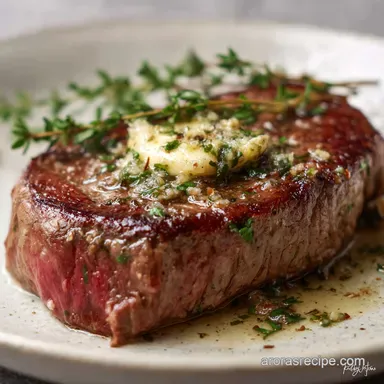
Ingredients:
Instructions:
Nutrition Facts:
| Calories | 398 kcal |
|---|---|
| Protein | 39.0 g |
| Fat | 27.0 g |
| Carbs | 0.4 g |
