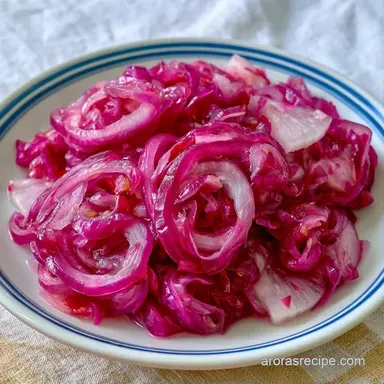
Pickled Red Onion and Radish in 15 Minutes
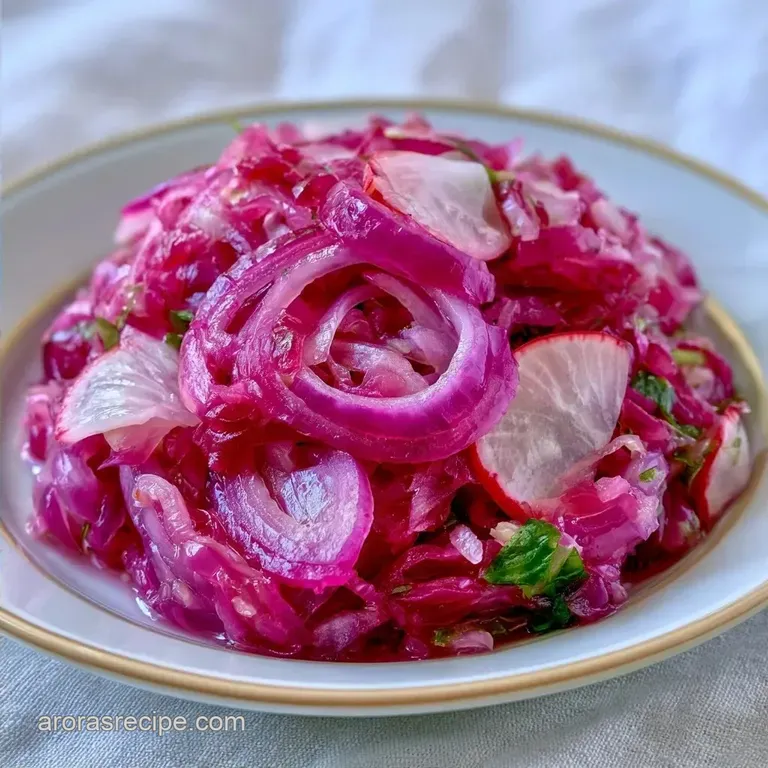
- Time: 10 min active + 30 min cooling
- Flavor/Texture Hook: Zesty, tangy, and shatter crisp
- Perfect for: Burgers, tacos, or meal prep
Pickled Red Onion and Radish
My first attempt at quick pickling was a complete disaster. I mistakenly boiled the vegetables right in the pot with the vinegar to speed up the process, but it backfired. I was left with a limp, greyish purple heap of mush that tasted like a salt lick. It had no crunch at all and looked miserable on the plate.
If you've ever experienced that "soggy vegetable" failure, you know the frustration. You're craving a bright, zesty contrast to balance a rich dish, not something that feels like it's been trapped in a can for ten years.
This approach fixes that by focusing on a specific temperature window. We heat the brine independently so it can dissolve the sugar and salt without cooking the produce. This ensures a vibrant, plant based pop of color and a crunch that actually lasts.
Why This Method Works
Hot Brine, Raw Veg: Pouring simmering liquid over raw slices allows the flavor to penetrate quickly without breaking down the plant cells. This is how you keep that loud, satisfying snap.
Acidic Color Shift: The natural pigments in red onions change from deep purple to a glowing pink when they hit the vinegar. It's a natural chemical reaction that makes any plate look a bit more professional.
What Each Ingredient Does
The vinegar provides the punch and preserves the veg, while the sugar balances that sharpness so it doesn't sting your tongue. Kosher salt is used because it dissolves more evenly than table salt, ensuring every slice tastes the same.
Smashed garlic and peppercorns add a savory backbone, stopping the mix from tasting like a simple salad dressing. Red pepper flakes provide a tiny bit of heat that lingers in the back of your throat.
Recipe Specifications
To get the best results, follow these exact numbers.
| Metric | Detail |
|---|---|
| Total Yield | 16 tablespoons |
| Prep Time | 10 minutes |
| Cook Time | 5 minutes |
| Total Time | 45 minutes |
Gear You'll Need
The equipment list is simple. A mandoline or a sharp knife is essential, as thinner slices allow the brine to penetrate more effectively.
I prefer a wide mouth glass mason jar. Glass is necessary because vinegar can react with certain metals or plastics, which might result in a strange aftertaste in your vegetables. A small saucepan works well for the brine.
Key Steps
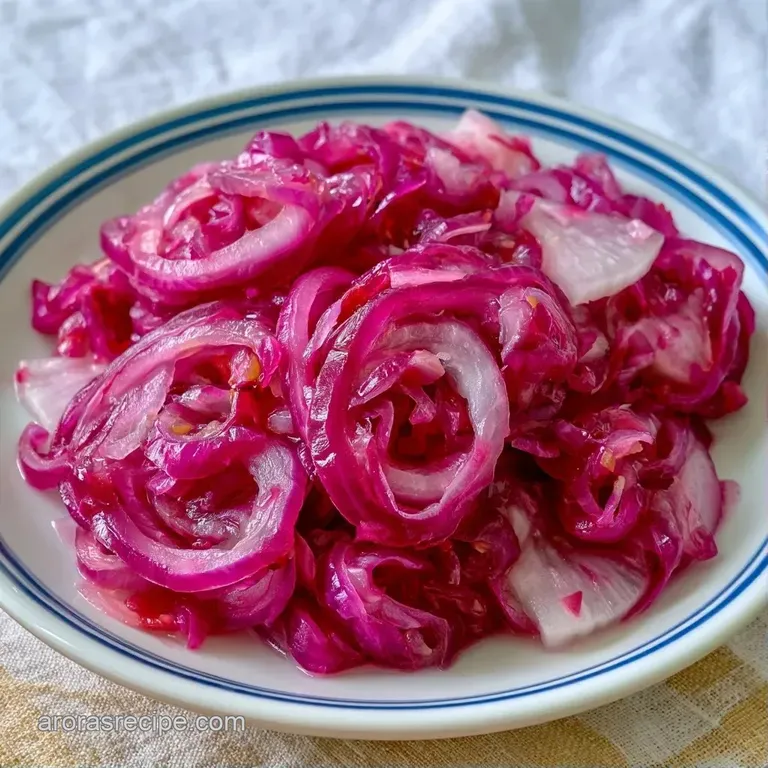
Phase 1: Prepping the Veggies
Thinly slice the red onion into half moons and the radishes into translucent rounds. Note: Use a mandoline if you have one for perfectly even slices. Pack them tightly into the glass jar, alternating layers of onion and radish. Tuck the smashed garlic cloves into the gaps.
Phase 2: Simmering the Brine
Combine 240ml white distilled vinegar, 240ml water, 25g granulated sugar, 18g kosher salt, 2g peppercorns, and 0.5g red pepper flakes in a saucepan. Stir over medium heat until the liquid reaches a gentle simmer and the grains disappear.
Phase 3: The Quick Pickle
Carefully pour the hot brine over the vegetables until they are completely submerged. Use a spoon to press any floating slices down. Seal the jar and let it sit at room temperature for 30 minutes until the glass is cool to the touch. Move it to the fridge.
Troubleshooting Guide
If your vegetables come out feeling a bit off, it usually comes down to temperature or the cut of the vegetable.
Too soft vegetables usually happen because the brine was at a rolling boil when it hit the jar. This effectively "blanches" the onion, removing the crunch. For the best texture, let the brine sit for 60 seconds after taking it off the heat before pouring.
If the color looks dull, you might be using a vinegar with too low an acidity. Distilled white vinegar is the standard for that neon glow, but apple cider vinegar works if you want a mellower, brownish hue.
| Problem | Root Cause | Solution |
|---|---|---|
| Soggy Texture | Brine too hot | Let brine cool 1 min before pouring |
| Dull Color | Wrong vinegar | Use distilled white vinegar |
| Too Salty | Too much salt | Add 1 tbsp extra water or vinegar |
Storage Guidelines
Keep these in a glass jar in the fridge. They'll stay crisp and vibrant for about 3 weeks. Just make sure you use a clean fork to scoop them out so you don't introduce bacteria into the jar.
Don't freeze these. Freezing ruins the cell structure of the vegetables, and they'll turn into mush the moment they thaw.
As for zero waste, don't toss the leftover brine. It's a great base for a quick vinaigrette. Mix a splash of the brine with some olive oil and a squeeze of lemon for a zesty dressing. If you have leftover radish tops, you can blend them into a pesto with walnuts and parmesan.
How to Serve and Enjoy
These are a fantastic way to add acidity to heavy dishes. I love them on tacos or piled high on a veggie burger. They also work as a bright topping for avocado toast.
Since they're so punchy, a little goes a long way. I usually add them at the very end of plating so they stay cold and crisp against the warm food. If you're serving them with something like a Classic Pea Salad, they provide a sharp contrast to the creaminess of the dressing.
Quick Decision Shortcut:
- More Heat? → add 1/2 tsp extra red pepper flakes
- Milder Tang? → swap white vinegar for rice vinegar
- Sweeter Vibe? → add 1 tbsp extra sugar
Variations and Substitutes
You can easily tweak this to fit what's in your pantry. If you don't have red onions, shallots work well, though they are a bit sweeter. For radishes, try using daikon for a heartier, more traditional Asian style pickle.
| Original Ingredient | Substitute | Why It Works |
|---|---|---|
| White Vinegar | Rice Vinegar | Milder acidity. Note: Less neon color |
| Granulated Sugar | Maple Syrup | Same sweetness. Note: Adds a woody depth |
| Red Onion | Shallots | Similar flavor. Note: More delicate taste |
If you want a version that tastes more like the ones found in Indian cuisine, swap the peppercorns for mustard seeds and add a pinch of turmeric. According to Serious Eats, using a warm brine helps the aromatics infuse more deeply into the vegetables.
For another way to use acidic condiments, you could pair these with a rich protein. While this recipe is plant based, the tanginess is a great match for something like Beef Bourguignon, where the vinegar cuts through the richness of the red wine sauce.
For a Spicy Kick
Add a sliced jalapeño or a pinch of cayenne pepper to the brine. The heat permeates the onions and radishes, making them a great topper for spicy street corn.
For a Different Tang
Try using lime juice instead of half the vinegar. This gives it a fresher, more citrusy profile that's a hit in Mexican inspired dishes.
Common Misconceptions
You might hear that boiling vegetables is necessary to make them "safe" for pickling, but that only applies to long term canning. For quick pickles, the acidity of the vinegar handles the preservation in the fridge.
Another common misconception is that radishes need to be peeled. Actually, leaving the skin on helps them stay firm and adds a lovely color contrast to the jar.
Now you have a bright, simple condiment ready to enjoy. Just remember to keep your brine at a simmer rather than a full boil to avoid the mushy mess I made years ago. Trust me, the crunch is the most important part.
High in Sodium
820 mg 820 mg of sodium per serving (36% 36% of daily value)
The American Heart Association recommends a daily sodium limit of no more than 2,300 mg to reduce the risk of hypertension and heart disease.
Tips to Reduce Sodium in Your Pickled Veggies
-
Reduce Added Salt-25%
Cut the kosher salt in half. Since salt is the primary source of sodium in this recipe, this is the most effective way to lower the count.
-
Boost Acidic Brightness-15%
Replace a small amount of water with fresh lemon juice or apple cider vinegar to maintain a sharp flavor profile with less salt.
-
Increase Garlic Aromatics-10%
Double the amount of smashed garlic to provide a more pungent, savory depth that compensates for the reduction in salt.
-
Enhance With Spices
Increase the amount of black peppercorns and red pepper flakes to add heat and complexity without adding any sodium.
Recipe FAQs
Can I pickle onions and radishes together?
Yes, they complement each other perfectly in the same jar.
Tip: alternate layers of each vegetable to create a visually appealing pattern.
Which vinegar is best for radishes?
White distilled vinegar provides the sharpest flavor and most vibrant color.
Tip: use a glass jar to prevent the acid from reacting with the container.
What pairings work best with red onions?
These add a bright acidity to rich meats and tacos.
Tip: serve them alongside a pan-seared steak to cut through the fat.
How to prepare this quick pickle?
Thinly slice the vegetables and cover them with a simmering brine of vinegar, water, sugar, and salt.
Tip: Leave the jar on the counter for 30 minutes before refrigerating.
Is it true that these pickles are unhealthy?
Not true. These provide a low-calorie way to add intense flavor to meals.
Tip: keep the salt content in check by following the exact measurements.
Why did my vegetables become soft?
The brine was likely boiling when poured, which blanched the vegetables.
Tip: let the liquid sit for 60 seconds after removing from heat before pouring.
Could rice vinegar be used as a substitute?
Yes, though it results in a milder acidity and less neon color.
Tip: adjust the sugar slightly if the rice vinegar is already sweetened.
Do these stay crisp when frozen?
That's a myth. Freezing destroys the cell structure and turns them into mush.
Tip: store them in the refrigerator where they remain vibrant for about 3 weeks.
Pickled Red Onion And Radish