Proper Baked Indian Pudding New Englands Spiced Cornmeal Custard
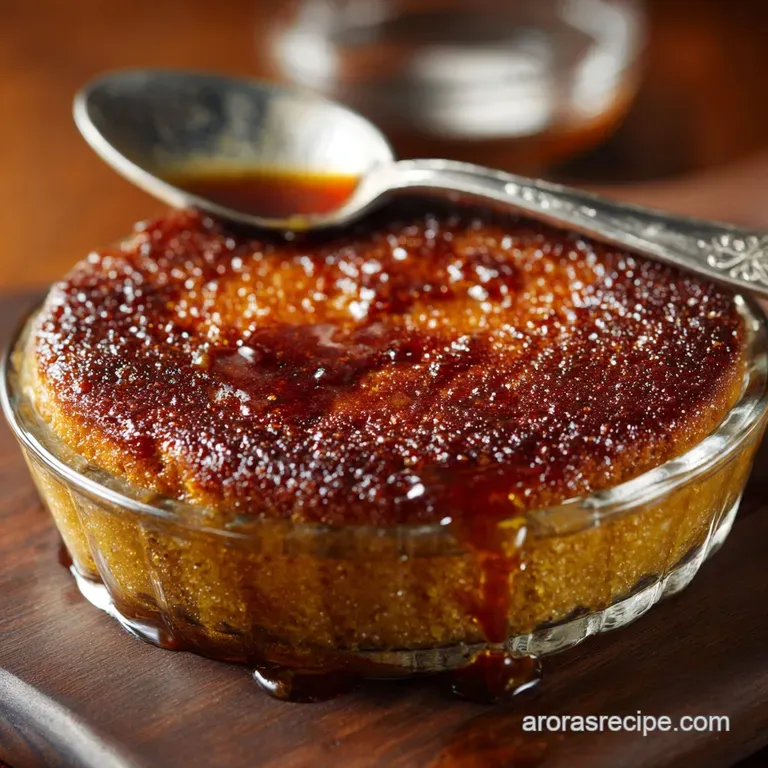
Unearthing the Magic of Proper Baked Indian Pudding
The Colonial Roots of Cornmeal Custard
Forget the notion of exotic curries; this rich, spiced dessert is a uniquely American invention originating in early New England. Wheat flour was scarce in the colonies, leading cooks to rely heavily on locally available cornmeal, which they historically referred to as "Indian meal." This necessity birthed the savory sweet Cornmeal Custard Dessert , a beloved staple of the Colonial diet.
This reliance on cornmeal is why this distinctive Indian Pudding Recipe New England is so deeply tied to American heritage. The recipe evolved from simple porridges into a sophisticated, slow baked dish designed for long winter evenings.
It stands as a delicious historical marker, showing how necessity shaped the early American culinary landscape.
Molasses: The Secret to Its Treacle Depth
The defining characteristic of true Indian Pudding is its intense, dark sweetness, which is entirely dependent upon robust dark molasses. This essential ingredient provides a complexity that granulated sugar alone cannot match, lending the dish its signature deep mahogany color.
Using blackstrap molasses ensures that genuine treacle depth expected in an authentic Molasses Pudding .
Molasses was the most readily available and affordable sweetener for early colonists, especially after the expansion of the rum trade. When baked low and slow, this dark syrup caramelizes beautifully within the cornmeal base, resulting in a rich, malty flavor.
Without this distinctive sweetener, the resulting custard would lose its historical flavor and much of its satisfying warmth.
Defining the Texture: Why We Slow Bake
Achieving the characteristic silky yet dense texture of Proper Baked Indian Pudding requires a gentle, prolonged cooking process, similar to European custards. The combination of milk, eggs, and fine cornmeal is cooked initially on the stovetop and then baked for over two hours.
This long, moist heat treatment is key to avoiding a dry or crumbly result.
We rely heavily on a water bath, or bain marie, during baking to create a perfectly insulated environment. This technique ensures the edges do not overcook before the center sets, giving you a smooth, velvety consistency throughout.
If you wonder what does baked indian pudding taste like , imagine a profoundly spiced, creamy, and treacly gingerbread that melts slowly on the tongue.
Essential Components for Authentic New England Flavor
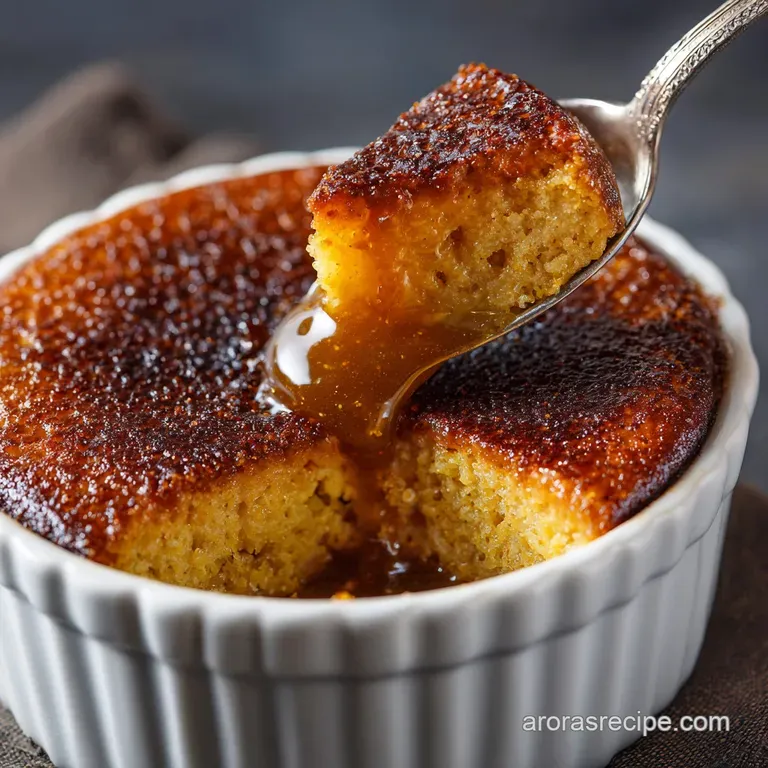
Selecting the Right Grade of Cornmeal
The success of a great Indian Pudding hinges entirely on using the correct grain size for the primary thickener. You must specifically seek out fine yellow cornmeal, often labeled "Indian meal," which has a texture closer to flour than a grain.
Coarse products like polenta or stone ground grits will result in a gritty, unpleasantly rough finished product.
The fine texture of the cornmeal ensures it can properly hydrate and swell in the hot milk mixture, creating a smooth suspension. This finely ground ingredient allows the final texture to mimic a true custard rather than a thick, lumpy porridge.
Remember that the baked indian meal pudding relies on this subtlety for its unique mouthfeel.
The Essential Spices and Sweeteners Lineup
The soul of this recipe lies in its generous application of warming spices that complement the dark intensity of the molasses. A classic blend of cinnamon, ginger, and nutmeg provides the aromatic lift necessary to balance the richness of the dark syrup.
Using freshly grated nutmeg whenever possible vastly elevates the overall bouquet of the finished dish.
While molasses provides the deep, signature flavor, a small amount of granulated sugar is necessary to temper the inherent bitterness of the blackstrap variety. This balanced approach ensures the pudding achieves optimal sweetness and spice without becoming overwhelming.
The careful integration of these ingredients results in a profoundly comforting and complex flavor profile.
Required Bakeware and Preparation Notes
The equipment list for this recipe is modest, but one item is absolutely non-negotiable: a proper bain marie setup. You will need a standard 8 inch square baking dish or a 2-quart casserole to hold the pudding itself. This smaller dish must fit comfortably inside a larger roasting pan.
The roasting pan is essential because it holds the boiling water, which circulates heat gently around the custard. On top of that,, generously buttering the baking dish before adding the batter prevents the edges from sticking or burning during the extended slow bake.
| Essential Tool | Purpose |
|---|---|
| 8 inch Baking Dish | Optimal surface area for setting the custard. |
| Large Roasting Pan | Required containment for the insulating water bath (bain marie). |
| Heavy Saucepan | Necessary for scalding the milk and thickening the cornmeal base. |
step-by-step: Crafting Your Slow Baked Indian Pudding
Pre-Baking Prep and Combining the Batter
Preparation begins by preheating the oven to a very low 300°F (150°C), reflecting the recipe's commitment to slow cooking. Next, you will generously butter the baking vessel and place it inside the larger roasting pan, setting up the required water bath apparatus immediately.
Then, the milk, butter, salt, and spices cinnamon, ginger, and nutmeg are combined and heated until steaming hot.
This initial scalding of the milk serves a dual purpose: it infuses the dairy with the spice aromas and prepares the liquid to rapidly swell the cornmeal. Removing the saucepan immediately upon seeing small bubbles around the edge ensures the milk is hot enough but avoids a scorched flavor.
The Technique for Incorporating the Hot Milk
Once the spiced milk mixture is removed from the heat, the fine cornmeal must be slowly whisked in a steady stream to prevent the formation of any lumps. This controlled addition ensures smooth hydration, avoiding a gritty final texture. The mixture is then returned to the lowest possible heat setting on the stovetop.
You will stir continuously for about five minutes until the mixture thickens into a consistency resembling a very thin porridge. This brief cooking stage activates the cornmeal's starches and prepares the base for binding with the eggs later on.
After this initial thickening, the molasses and sugar are stirred in off the heat.
Monitoring the Deep, Slow Conversion in the Oven
The long baking time, set initially at 300°F (150°C), allows the cornmeal structure to slowly convert into a cohesive custard. The hot water bath insulates the pudding, ensuring the batter cooks evenly from the bottom and sides.
After the first hour, the oven temperature is reduced further to a gentle 275°F (135°C) to prevent the delicate custard from rushing the setting process.
This reduction in heat mimics the traditional, low-fire method often used in early American hearth cooking. Maintaining a low temperature is absolutely crucial for this Indian Pudding Recipe , allowing the complex molasses flavor to meld seamlessly with the spices.
If the top begins to brown too quickly, gently tenting the dish with foil can maintain the perfect dark mahogany color.
How to Know When the Custard is Perfectly Set
Knowing the pudding is done relies less on visual color and more on the feel of the custard itself. After roughly two hours and 15 minutes of total baking time, the edges should appear fully set, perhaps slightly puffed, and pulled away marginally from the dish sides.
The center, however, must retain a distinct, soft wobble.
This gentle movement indicates that the eggs have coagulated sufficiently, but the interior remains moist and creamy. Removing the pudding at this point is critical, as it continues to set up substantially as it cools on the rack for the next half hour. A perfect pudding will be creamy and dense, not dry or rubbery.
Mastering Your Baked Indian Pudding: Troubleshooting & Variations
Ideal Serving Suggestions and Toppings
The robust, deep flavor of this dessert demands a counterpoint of temperature and lightness when served. Traditionally, Baked Indian Pudding is served warm, providing an intense blast of spice that is beautifully tempered by something cold.
This is the ultimate comfort dish, perfectly suited for the chilly seasons.
Expert Tip: For the ultimate contrast, serve generous portions of the warm pudding topped with a large scoop of high-quality vanilla bean ice cream. The classic pairing of warm spice and cold cream defines the experience of baked indian pudding ice cream .
If you prefer a simpler finish, a dollop of fresh crème fraîche or lightly sweetened whipped cream offers a smooth textural contrast. A small glass of strong Port or Sherry also complements the molasses notes magnificently, creating a sophisticated finish to your meal.
Storing and Reheating Leftover Baked Indian Pudding
One of the great joys of this Molasses Pudding is that it keeps wonderfully, becoming denser and even more satisfying the day after baking. Store any leftovers in an airtight container in the refrigerator for up to four days.
This extended storage time allows the spices to further infuse the cornmeal base.
To reheat, the best method is to slice portions and gently warm them in a microwave at 50% power until just heated through, avoiding high heat which can dry out the edges. Alternatively, you can reheat the slices in a covered dish in a low oven (300°F/150°C) for about 15 minutes until steaming.
How to Prevent the Pudding from 'Weeping'
The term "weeping" refers to liquid separating from the custard base, resulting in a soggy, less desirable texture. This typically happens when the pudding has been overcooked or cooled too quickly, causing the delicate cornmeal and egg proteins to expel moisture. The crucial step is the long, low-temperature bake.
The bain marie is the primary defense against weeping because it guarantees gentle, even cooking, preventing localized scorching or over coagulation. If you suspect you may have overcooked the pudding slightly, allow it to cool very slowly on the countertop rather than plunging it straight into the refrigerator.
Transforming the Recipe: dairy-free Alternatives
While traditional Indian Pudding Recipe relies on full fat whole milk for its richness, modern dietary needs mean this recipe can be successfully adapted. The cornmeal provides the necessary structure, making the fat content of the liquid the main focus for substitution.
Substituting the dairy is surprisingly simple.
Full fat canned coconut milk is an excellent option, lending a slight nuttiness and maintaining the essential richness required for a creamy mouthfeel. Ensure you also substitute the butter with a neutral flavored plant based baking stick for a completely vegan or dairy-free version.
| Ingredient | dairy-free Substitution | Notes on Result |
|---|---|---|
| Whole Milk | Full Fat Canned Coconut Milk | Excellent richness; slight coconut undertone. |
| Butter | Vegan Baking Stick | Must be unsalted and neutral in flavor. |
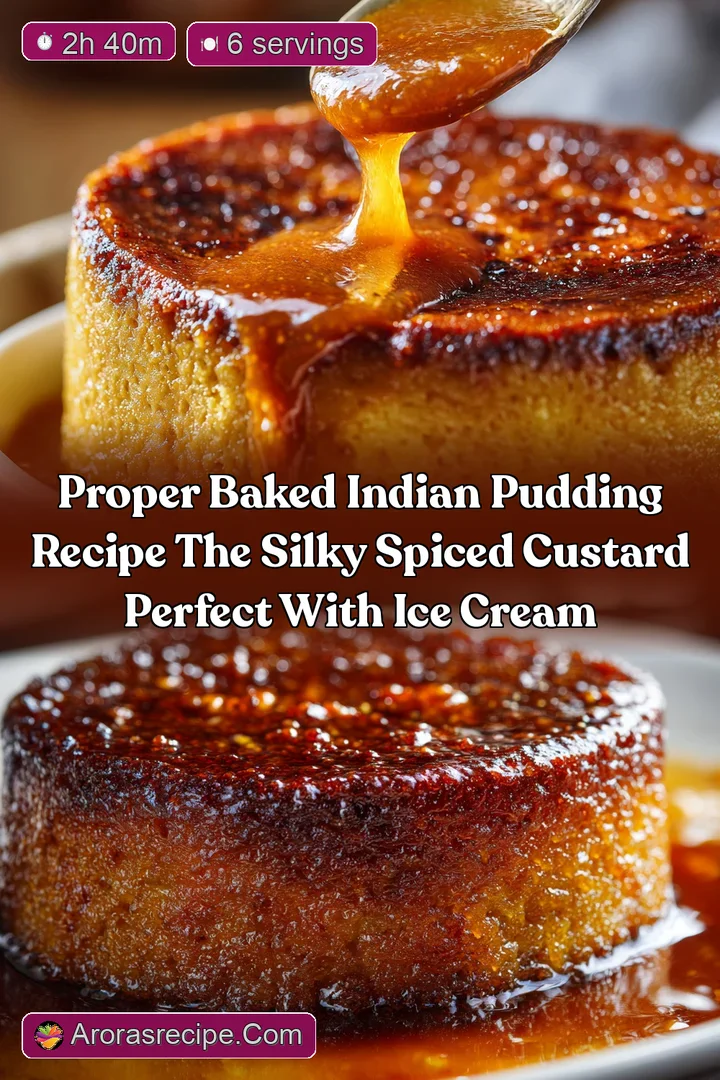
Recipe FAQs
This sounds lovely, but what exactly is Baked Indian Pudding? Is it actually Indian?
It’s a classic New England dessert, not related to the subcontinent! The name comes from "Indian meal," the colonial term for cornmeal, which replaces wheat flour in this slow baked, treacle like custard a proper hug in a bowl, perfect for a chilly evening.
Two hours seems ages for a pudding! Why is the cook time for Baked Indian Pudding so long?
That lengthy duration is absolutely essential! Baking low and slow in the bain marie (water bath) prevents the eggs from scrambling and ensures the cornmeal has time to fully swell and set into that signature, silky smooth texture, much like a meticulous English baked custard.
I'm fresh out of dark molasses. Can I just use golden syrup or honey instead?
You certainly can, but be warned: molasses provides that deep, rich mahogany colour and robust, complex flavour. Golden syrup or dark treacle are the best substitutes, but they will result in a slightly lighter hue and a sweeter finish, so adjust accordingly.
My last attempt at a cornmeal pudding was horribly grainy. How do I guarantee a velvety smooth finish?
The secret is twofold: firstly, use fine yellow cornmeal (not coarse polenta or gritty stone ground varieties), and secondly, always take the time to temper the eggs properly before combining the batter no one wants a scrambled situation!
If I have leftovers, how should I store this pudding, and does it reheat well?
Treat it like any rich baked custard; cover it tightly and keep it refrigerated for up to 4 days. It reheats beautifully in a low oven (150°C/300°F) until warmed through, and serving it warm is mandatory, ideally with a generous scoop of proper vanilla bean ice cream!
Proper Baked Indian Pudding
Ingredients:
Instructions:
Nutrition Facts:
| Calories | 495 kcal |
|---|---|
| Protein | 8.4 g |
| Fat | 37.6 g |
| Carbs | 38.2 g |
| Fiber | 1.4 g |
| Sodium | 95 mg |
