Chicken Stuffing Casserole: the Proper Weeknight Winner
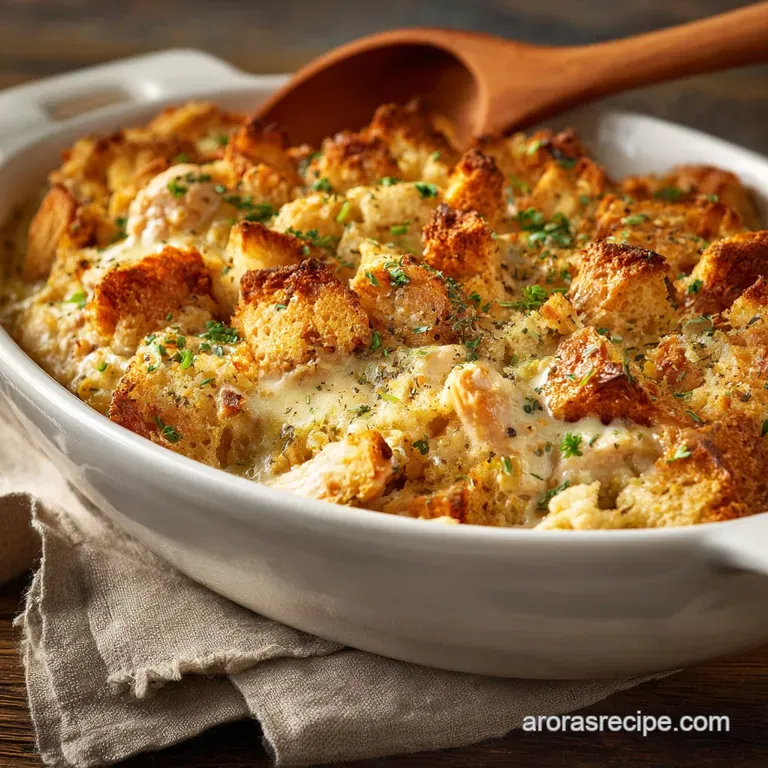
- The Proper Chicken Stuffing Casserole: Effortless Weekday Comfort Food
- Why This Recipe Works: The Science of Creamy, Crunchy Perfection
- Essential Ingredients for Your Stuffing Bake: Notes and Substitutions
- How to Assemble the Ultimate Chicken Stuffing Casserole (Step-by-Step Method)
- Troubleshooting Your Stuffing Casserole: Chef's Tips and Common Mistakes
- Make Ahead, Storing, and Freezing (Practical Guide)
- Serving Suggestions: What to Pair with This Hearty Bake
- Recipe FAQs
- 📝 Recipe Card
The Proper Chicken Stuffing Casserole: Effortless Weekday Comfort Food
Okay, stop what you’re doing and take a mental deep breath right now. Imagine walking into your house after a ridiculous day and being smacked in the face by the aroma of sage, roasted poultry, and buttery, toasted breadcrumbs.
That smell is pure, unadulterated comfort food happiness, and this dish delivers that exact feeling.
We all desperately need those Easy Family Dinner Casseroles that taste like you spent hours simmering stock, but really took 20 minutes of active prep. This casserole is the ultimate weeknight hack.
It’s cheap, incredibly filling, and it works brilliantly to use up that rotisserie chicken or leftovers you forgot about from Sunday.
Forget those dry, sad casseroles that look like school dinner rejects; this Chicken Stuffing Casserole is outrageously creamy, deeply flavourful, and boasts a genuinely crunchy, herb infused topping.
We’re ditching the complicated steps and focusing on simple layering to create a perfect, hearty meal for your next Hearty Fall Dinner .
Why This Recipe Works: The Science of Creamy, Crunchy Perfection
What Defines a "Proper" Bake? (Focus on Creamy Texture and Herb Infusion)
The key to preventing dry, bland chicken casserole is building the sauce foundation first. We don't just dump pre-made canned soup in here, though you could (I’ll judge you slightly, but I understand).
Instead, we start with a proper roux and infuse it deeply with sweet, softened aromatics onions, celery, and carrots. That simple step means the sauce holds its richness perfectly under the high heat, bathing the shredded chicken in flavour.
Planning Your Weeknight Meal: Prep Time vs. Passive Bake Time
This recipe is structured for minimal hands-on time. Everything is ready in about 20 minutes. The oven does all the heavy lifting for the final 30 minutes, freeing you up to deal with homework, answer emails, or maybe just sip a glass of wine.
Chicken Stuffing Casserole is designed to be highly forgiving, meaning once it's in the oven, you don’t need to hover.
The Flavor Base: Mastering the Mirepoix Foundation for Depth
Mirepoix is just a fancy French word for the classic trio: onions, carrots, and celery. Cooking these low and slow releases their natural sugars, preventing that harsh, raw taste that ruins many quick casseroles.
This caramelization builds a savory, slightly sweet base that makes the final creamy gravy taste much more complex than its ingredients list suggests.
Optimizing the Stuffing Layer for Maximum Crunch and Texture
This is where many recipes fail they make the stuffing topping too wet, resulting in a soggy, disappointing mush. We treat the stuffing like a separate, butter laced crust. We use hot stock to hydrate the mix, but keep it fluffy and airy. Do not press the stuffing down onto the filling.
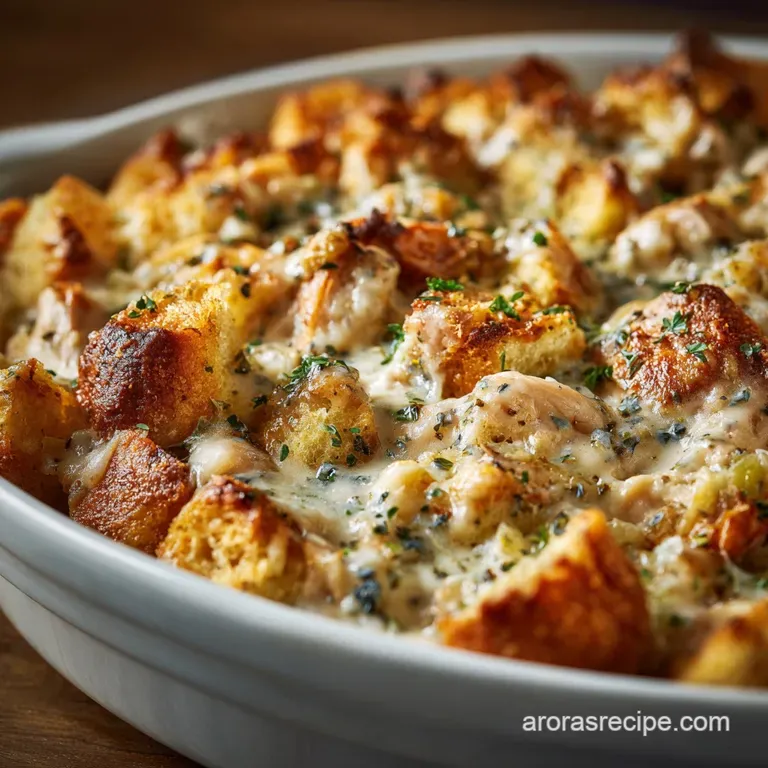
You want those peaks and valleys to catch the oven heat and achieve that golden, satisfying crunch.
Essential Ingredients for Your Stuffing Bake: Notes and Substitutions
Choosing the Best Pre-Cooked Chicken (Rotisserie vs. Leftovers)
Rotisserie chicken is genuinely the best option here; it’s seasoned well and already incredibly moist, which keeps the casserole juicy. If you have leftover Sunday roast chicken, shred it finely, and make sure it’s seasoned adequately before folding it into the sauce.
If you’re dealing with seriously dry leftovers, simply drizzle a tablespoon of melted butter over the shredded meat before combining.
Building the Rich Gravy Base: Dairy, Stock, and Seasoning Notes
For the ultimate richness, heavy cream (double cream if you're in the UK) is non-negotiable. It stabilizes the sauce beautifully. I always use low-sodium stock, especially since boxed stuffing mix and the chicken are often already seasoned.
We rely heavily on dried thyme and dried sage these are the essential herbs for that classic, homey taste.
The Stuffing Mix: Boxed vs. Homemade Crumb Alternatives
Look, I’m usually the one preaching about making everything from scratch, like my legendary Stuffing Balls: Proper Sausage Sage Recipe for a Crisp Finish . But for a quick weeknight dinner idea , boxed stuffing mix is a lifesaver. Sage and onion flavour is my favourite, but cornbread stuffing works too if you want a sweeter note. If you're feeling ambitious, use dried bread cubes tossed with melted butter, herbs, and stock.
Smart Ingredient Swaps and Allergy Adjustments
| Ingredient | Swap/Substitute | Notes |
|---|---|---|
| Heavy Cream | Whole Milk + 2 Tbsp Cream Cheese | The cream cheese melts and thickens the milk, giving you the necessary richness without the extra fat of heavy cream. |
| All-Purpose Flour | 1:1 GF Flour Blend or Cornstarch (use 2.5 Tbsp) | Use slightly less cornstarch; it thickens more aggressively. |
| Chicken Stock | Vegetable Stock | Works perfectly well if you’re out of chicken stock, though the flavour will be marginally less deep. |
| Butter | Olive Oil or Neutral Cooking Oil | Use for sautéing, but definitely use butter in the stuffing mix for flavour. |
How to Assemble the Ultimate Chicken Stuffing Casserole (step-by-step Method)
Step 1: Sautéing the Aromatics and Building the Roux Base
First things first, get that oven rocking at 375°F (190°C) and grease your 9x13 dish. Melt the butter in a large pan and add the diced onion, celery, and carrots. You want to cook these gentle giants for 6– 8 minutes until they smell sweet and look translucent.
This is where the magic starts.
Step 2: Creating the Creamy Filling and Combining the Chicken
Sprinkle in the flour over the softened vegetables and stir constantly for one full minute to cook off the raw flour taste that's your roux. Next, gradually whisk in the warmed stock until the mixture thickens into a glossy, bubbly sauce.
Drop the heat and stir in the heavy cream and all your lovely dried herbs. Finally, fold in the shredded cooked chicken until every single piece is swimming happily in the savory, creamy sauce.
Step 3: Layering the Casserole and Preparing the Topping
Pour that entire creamy chicken filling into the prepared baking dish; make sure it's spread evenly right to the edges. Prepare your stuffing mix according to package directions, using melted butter and hot stock. Now, crumble the stuffing gently over the filling.
Remember that crucial step: do not press it down, just let it rest lightly on top like a fluffy, comforting blanket.
Step 4: Baking Times and Achieving the Golden Brown Finish
Pop the whole glorious thing into your preheated oven. Bake for 30– 35 minutes. You are looking for the edges to be visibly bubbling and the stuffing topping to be a beautiful deep golden brown.
If the top isn't crisp enough after 30 minutes, flash it under the broiler (grill) for a minute or two, but seriously, keep the door cracked and stand there and watch it like a hawk.
Chef's Note: The stuffing mix will absorb some of the liquid steam from the casserole base during baking, which keeps the filling moist while the top layer crisps perfectly. Don't worry if it looks wet initially!
Troubleshooting Your Stuffing Casserole: Chef's Tips and Common Mistakes
I have made this dish countless times (it’s one of my favourite Winter Weeknight Dinner Ideas ), and I’ve hit every roadblock imaginable. Here are the common mistakes I watch out for.
Preventing a Soggy Stuffing Topping Layer
This is the big one. If your topping is soggy, you likely added too much liquid to the stuffing mix initially, or you pressed it too hard onto the filling. Solution: Use slightly less liquid than the box recommends start with 1 cup instead of 1 ¼ cups and if it still seems too moist, toss the prepared mix with an extra tablespoon of dry breadcrumbs before topping the casserole. If you are struggling with this, you might prefer a different style of crispy topping, like my technique in Broccoli Cheese Casserole With Stuffing: Ultra Creamy Crispy Topping .
Casserole Tastes Bland
If the flavour isn't singing, you didn't season the sauce enough before adding the chicken. Solution: Always taste the cream sauce just before you fold in the meat. If it tastes slightly too salty or peppery on its own, it will be perfect once the bland chicken is added.
Adding a pinch of celery salt or a teaspoon of Dijon mustard can boost the savoury depth dramatically.
Achieving Uniform Thickness in the Cream Sauce
If your sauce is lumpy or too thin, the issue usually stems from the roux stage. Solution: Ensure you cook the flour/butter mixture for a full minute (Step 3.1) and that you incorporate the stock very gradually while whisking aggressively.
If it's too thin at the end, simply let the sauce bubble gently for an extra minute before adding the cream; the heat will evaporate moisture and thicken it up.
make-ahead, Storing, and Freezing (Practical Guide)
Can I Assemble and Refrigerate the Casserole Raw?
Absolutely. You can assemble the casserole completely filling and dry stuffing topping up to 24 hours in advance. Cover it tightly with foil and refrigerate.
CRITICAL STEP: If baking from cold, add 10– 15 minutes to the total baking time and cover it loosely with foil for the first 20 minutes to prevent the stuffing from burning before the centre is hot.
Freezing the Baked Casserole: Best Practices for Thawing
Yes, this Chicken Stuffing Casserole freezes beautifully. Let the fully baked and cooled casserole chill entirely in the fridge, then wrap it tightly in aluminum foil and plastic wrap. It lasts up to 3 months.
To reheat: Thaw overnight in the refrigerator, then bake (covered) at 350°F (175°C) for about 30 minutes, uncovering for the last 5 minutes to crisp the topping.
Safely Reheating Leftovers Without Drying Out the Chicken
Leftovers store perfectly well in the fridge for 3 4 days. The best way to reheat is often in the oven or toaster oven, not the microwave, because the microwave steams the stuffing.
Reheat small portions at 325°F (160°C) for 15– 20 minutes until piping hot, covered loosely with foil.
Serving Suggestions: What to Pair with This Hearty Bake
Since this dish is rich, creamy, and carb heavy, you want something light and slightly acidic on the side to balance everything out.
- Simple Steamed Greens: A vibrant green bean or asparagus salad tossed in a sharp lemon vinaigrette. It cuts through the creaminess.
- Cranberry Sauce: Don't reserve cranberry sauce just for Thanksgiving! A dollop of tart sauce provides a fantastic tangy counterpoint to the savoury herbs.
- The Potato Switch: If you’re like me and generally think no dinner is complete without potatoes, you might want to try something sweeter, like my Copycat Ruths Chris Sweet Potato Casserole: The Creamiest Recipe Ever on the side instead of mashed white potatoes. It works incredibly well with the sage notes.

Recipe FAQs
Why did my casserole turn out dry, even though the filling looked creamy when I assembled it?
Overbaking is the usual culprit, often due to casseroles baking unevenly or being left in too long after the top is browned. Also, the dry stuffing acts like a sponge and will wick moisture from the creamy filling if allowed to bake for an excessive period.
Ensure the liquid filling is visibly bubbling hot before removing the dish, but do not leave it in past the recommended time.
Can I prepare the casserole ahead of time and bake it later?
Yes, you can assemble the creamy chicken filling and store it covered in the refrigerator for up to 24 hours. When ready to bake, add the dry stuffing topping and allow the dish to sit at room temperature for 30 minutes before placing it in the oven.
You may need to add 5-10 minutes to the total baking time since it will be starting cold.
What’s the best way to substitute raw chicken for the pre-cooked rotisserie chicken mentioned?
If using raw chicken breast or thighs, dice them and cook them briefly in the skillet with the mirepoix until they are just browned, but not cooked through. Alternatively, poaching or steaming the chicken first and then shredding it ensures maximum moisture retention before adding it to the prepared creamy sauce.
Can I freeze leftovers of the Chicken Stuffing Casserole?
While the creamy chicken filling freezes well, the stuffing topping may become soggy and develop a less desirable texture upon thawing and reheating. If freezing, it is best to freeze the filling separately, then thaw, reheat, and prepare a fresh batch of stuffing to bake on top when serving.
The fully cooled casserole will keep in an airtight container for up to three months.
I need this recipe to be gluten-free. How can I adapt it?
The easiest conversion is to ensure your stuffing mix is certified gluten-free, as many commercial brands now offer excellent alternatives. Additionally, check the ingredients of any condensed soups or gravy bases you may be using to ensure the thickener is cornstarch or a gluten-free flour blend rather than traditional wheat flour.
Can I use milk or half and-half instead of heavy cream for the sauce?
You can use half and-half for a slightly lighter sauce, but be aware that it might not yield the same richness or thickness required for a proper bake. Using whole milk or skim milk is generally not recommended unless you significantly increase the flour or thickener, as the sauce runs the risk of becoming watery or splitting during the casserole’s long bake time.
How much homemade stuffing should I use if I don't have a boxed mix?
You generally need about 4 to 5 cups of prepared, loosely packed stuffing mixture to create an adequate topping layer for a standard 9x13 casserole dish. It is vital that your homemade stuffing is relatively dry before baking, as excess moisture will steam the casserole filling rather than crisping up the topping.
Proper Chicken Stuffing Bake
Ingredients:
Instructions:
Nutrition Facts:
| Calories | 837 kcal |
|---|---|
| Protein | 48.0 g |
| Fat | 41.0 g |
| Carbs | 64.3 g |
