Red Pozole: Slow Simmered Pork
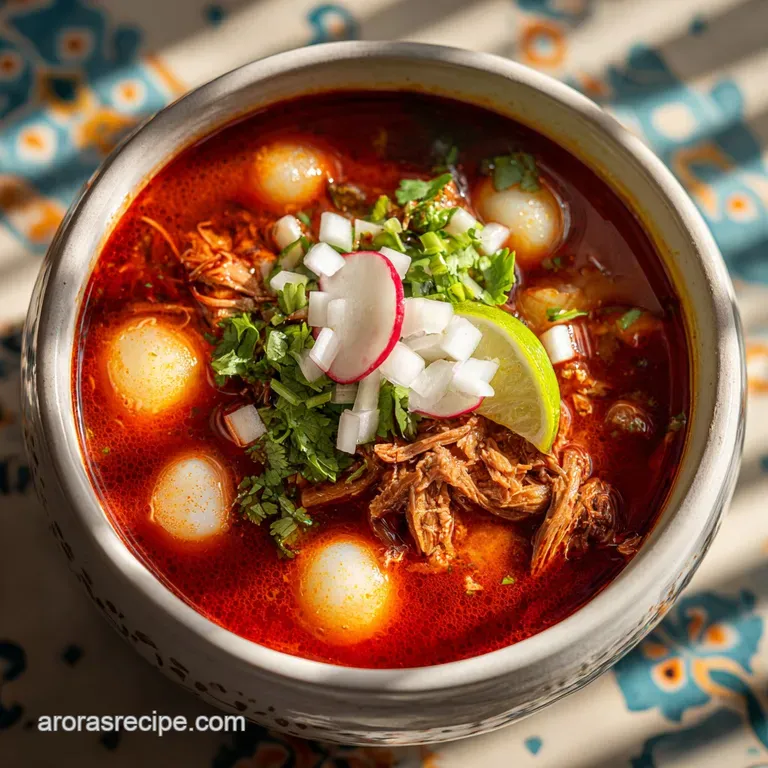
- Time: Active 30 minutes, Passive 3 hours 30 mins, Total 4 hours
- Flavor/Texture Hook: Silky, melt in-your mouth pork paired with a punchy, citrus brightened broth and the unique "pop" of bloomed hominy.
- Perfect for: Weekend family gatherings, cold weather comfort, and impressive meal prep.
- Bring Authentic Bold Flavor with Red Pozole
- Essential Kitchen Metrics for Your Success
- The Best Components for Authentic Flavor
- Essential Tools for This Classic Dish
- Mastering the Essential Steps of the Recipe
- Avoid These Frequent Cooking Mistakes Early
- Easy Variations for Every Single Kitchen
- Busting Old Wives' Tales About This Soup
- Preserve Every Single Drop for Later
- The Perfect Sides for a Vibrant Meal
- High in Sodium
- Red Pozole FAQs
- 📝 Recipe Card
Bring Authentic Bold Flavor with Red Pozole
The first time I tried to make this, I thought I could just throw some chili powder into a pot and call it a day. Boy, was I wrong. The kitchen smelled like nothing, and the broth was thin and sad.
But when you do it right when those dried Guajillo and Ancho chiles hit the hot water and start to soften the aroma is earthy, sweet, and slightly smoky. It fills the whole house with a promise of something spectacular.
What we are making here is a traditional Red Pozole, a dish that feels like a warm hug from the inside out. It's about that deep, crimson broth that has enough body to coat a spoon but is light enough to slurp by the bowlful.
We’re using pork shoulder and neck bones because they provide the gelatin we need for that velvety mouthfeel. Trust me, don't skip the bones; they are the secret to a broth that doesn't just taste like water and salt.
This recipe is designed for the home cook who wants that "simmered all day" taste without needing a culinary degree. We are going to focus on the textures the crunch of the radish, the snap of the cabbage, and the tender pork. It’s a bit of a process, but the steps are simple.
Once that pot is bubbling on the stove, you can go about your day while the magic happens.
Essential Kitchen Metrics for Your Success
The Science of Why it Works: Long term simmering triggers collagen hydrolysis, where tough connective tissues in the pork shoulder and neck bones transform into silky gelatin.
Meanwhile, the capsaicin in the dried chiles binds with the fat from the pork, creating a stable, flavor dense emulsion that carries heat and spice across the palate.
| Meat Thickness | Internal Temp | Rest Time | Visual Cue |
|---|---|---|---|
| 3.8 cm Cubes | 90°C (195°F) | 10 minutes | Pork shreds easily with a dull fork |
| Neck Bones | N/A | 10 minutes | Meat pulls completely away from bone |
| Trotters | N/A | 10 minutes | Skin is translucent and extremely soft |
The key to a great stew is patience. If you rush the pork, it will be "done" in terms of food safety, but it will be chewy and frustrating to eat. We want it to give up all its resistance. Much like the slow cooking process in my Red Miso Chicken recipe, the goal is to let the heat do the heavy lifting for you over several hours.
The Best Components for Authentic Flavor
| Component | Science Role | Pro Secret |
|---|---|---|
| Pork Shoulder | Fat/Protein source | Leave some fat caps on; they render into the broth for a richer "lip sticking" quality. |
| Dried Chiles | Flavor base | Toast them in a dry pan for 30 seconds until fragrant to wake up the volatile oils. |
| Hominy | Starch/Texture | Use "nixtamalized" white hominy for that distinct corn nut flavor and chewy pop. |
When selecting your chiles, look for ones that are still slightly pliable, like a raisin. If they are brittle and shatter the moment you touch them, they are likely old and have lost their depth.
The Guajillos provide the bright red color and a mild tang, while the Anchos give us that dark, raisin like sweetness that balances the heat.
Essential Tools for This Classic Dish
You don't need a kitchen full of gadgets to make a world class Red Pozole. In fact, a simple, heavy bottomed stockpot is your best friend here. A 10 liter pot is ideal because it gives the 5.7 liters of water and all those ingredients plenty of room to circulate.
If the pot is too small, the evaporation rate changes, and you might end up with a broth that is too salty or concentrated.
A reliable blender is the only "tech" you really need. We’re going to whiz those rehydrated chiles into a smooth paste. If you have a high speed blender, you might be tempted to skip straining, but I wouldn't.
Even the best blenders can leave behind tiny bits of chile skin that feel like shards of plastic in your soup. A fine mesh sieve is the tool that separates a "good" soup from a "restaurant quality" masterpiece.
Finally,, grab a pair of tongs. You'll need them for fishing out the onion halves, the head of garlic, and the bay leaves later on. It’s much easier than hunting for them with a spoon while the steam is hitting your face. Keep it simple, keep it functional, and your cooking experience will be much more relaxed.
Mastering the Essential Steps of the Recipe
- Prepare the pork. Cut 1.36 kg of pork shoulder into 3.8 cm cubes. Note: Keeping them uniform ensures they all reach that melt in-your mouth stage at the same time.
- Start the base. Place the pork cubes, 0.45 kg of neck bones, 1 halved onion, and the head of garlic into the stockpot with 5.7 liters of water. Bring to a boil until a grey foam rises to the surface.
- Skim the impurities. Use a large spoon to remove the foam. Note: This step is vital for a clear, clean tasting broth rather than a muddy one.
- Begin the long simmer. Lower the heat, add 2 bay leaves and 1 tablespoon of salt, and simmer partially covered for 2 hours.
- Toast and soak chiles. While the meat simmers, remove stems and seeds from the Guajillo, Ancho, and Árbol chiles. Toast in a dry pan for 1 minute, then soak in hot water for 20 minutes until they are soft and floppy.
- Blend the sauce. Put the soaked chiles into a blender with 3 cloves of fresh garlic, 1 teaspoon of ground cumin, and a splash of the soaking liquid. Blend until completely velvety and smooth.
- Strain the crimson gold. Pour the chile mixture through a fine mesh sieve directly into the pot. Note: Use the back of a spoon to push every bit of flavor through, discarding the skins.
- Add the hominy. Stir in 1.64 kg of rinsed hominy and 1 tablespoon of Mexican oregano. Note: Rub the oregano between your palms as you add it to release the oils.
- The final stretch. Simmer for another 1 hour and 30 mins until the pork is tender and the hominy has "bloomed" or opened slightly.
- Adjust seasoning. Taste the broth. It should be savory and complex. Add more salt if needed.
One mistake I once made was adding the hominy too early. It didn't ruin the dish, but the corn lost its structural integrity and became a bit mushy. Waiting until the meat is halfway done ensures the hominy keeps that satisfying chew. If you’re looking for a similar smoky profile in other dishes, you might enjoy the seasoning style of this Copycat Red Robin recipe, which uses smoke and salt to great effect.
Avoid These Frequent Cooking Mistakes Early
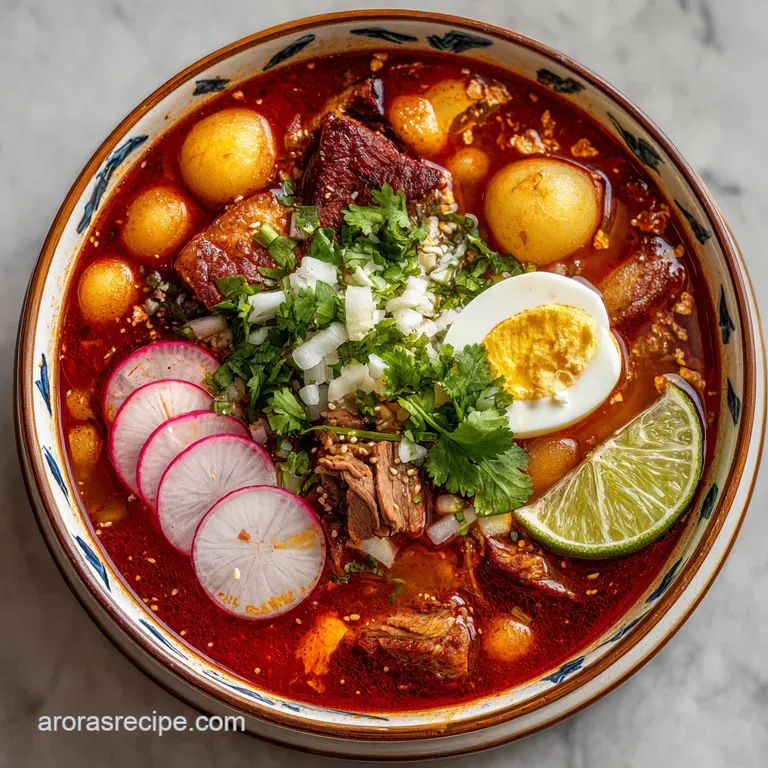
Why Your Red Pozole Tastes Bitter
If your broth has a sharp, unpleasant bitterness, it usually comes from one of two things: the chile seeds or over toasting. Those tiny seeds inside the dried chiles hold a lot of heat, but they also carry a bitter edge.
Plus,, if you toast the chiles until they turn black, that burnt flavor will permeate the entire 5.7 liters of broth.
| Problem | Root Cause | Solution |
|---|---|---|
| Bitter Broth | Burnt chiles or seeds | Add a teaspoon of sugar and plenty of fresh lime juice to balance it. |
| Tough Pork | Not enough cook time | Continue simmering for 30 more minutes; collagen needs time to melt. |
| Pale Color | Not enough Guajillo | Add a tablespoon of tomato paste or more strained chile paste. |
Common Mistakes Checklist
- ✓ Never skip skimming the foam at the beginning; it prevents a "funky" aftertaste.
- ✓ Always strain your chile sauce, no matter how good your blender is.
- ✓ Don't let the pot reach a rolling boil for hours; a gentle "smile" (low simmer) is best.
- ✓ Use Mexican oregano specifically it has citrus notes that regular oregano lacks.
- ✓ Let the meat rest for a few minutes before serving to keep it juicy.
Easy Variations for Every Single Kitchen
Scaling this recipe is actually quite simple because it’s so liquid heavy. If you want to cut it in half, just use a smaller pot and reduce all ingredients by 50%. The cook time will stay roughly the same because the pork still needs that 3.5 hour window to break down the collagen.
If you're doubling it for a big party, make sure your pot is massive (at least 20 liters) and only increase the spices by about 1.5 times to avoid overpowering the meat.
| Method | Time | Texture | Best For |
|---|---|---|---|
| Stovetop | 3 hours 30 mins | Traditional, clear broth | Authentic weekend cooking |
| Slow Cooker | 8 hours (Low) | Very tender, darker broth | Busy workdays / Set and forget |
| Pressure Cooker | 1 hour | Soft pork, less depth | Last minute cravings |
If you want a lighter version, "Pozole Rojo de Pollo" (chicken version) is a fantastic alternative. Swap the pork for a whole chicken or bone in thighs. It will only take about 45 minutes to 1 hour to cook the meat.
You’ll lose some of that heavy "body" from the pork fat, but it's a great weeknight shortcut.
Busting Old Wives' Tales About This Soup
A common myth is that you must soak canned hominy overnight. That is completely unnecessary! Canned hominy is already cooked and nixtamalized. A simple rinse in cold water to remove the canning liquid is all you need to get rid of that "tinny" taste. Save your soaking energy for the dried chiles instead.
Another misconception is that searing the pork "locks in the juices." In a long braise like this, searing is actually about the Maillard reaction creating deep, caramelized flavors on the surface of the meat.
While you can sear the pork cubes before adding the water, a traditional Red Pozole often skips this to keep the broth cleaner and the pork flavor more "pure." Both ways are great, but don't feel like you're failing if you skip the sear.
Preserve Every Single Drop for Later
Storage: This soup is famously better the next day. The flavors continue to meld in the fridge. It will stay fresh for up to 5 days in an airtight container. When the broth cools, a layer of orange fat might solidify on top. Keep it! That’s where the flavor is. Just stir it back in as you reheat.
Freezing: Pozole freezes beautifully for up to 3 months. I like to freeze it in individual portions. Just leave the toppings (radish, cabbage, lime) fresh. To reheat, thaw in the fridge overnight and warm it gently on the stovetop.
If the hominy has soaked up too much liquid, just add a splash of water or chicken stock.
Zero Waste: Don't throw away those pork neck bones! Even after the soup is done, there is often bits of tender meat clinging to them. My favorite trick is to pick the bones clean and use that extra flavorful meat for tacos the next morning.
If you used pork trotters, the leftover broth is basically liquid gold full of gelatin. Use any leftover broth as a base for a spicy bean soup or to cook your rice for a massive flavor boost.
The Perfect Sides for a Vibrant Meal
A Red Pozole is only as good as its garnishes. In my house, the table isn't set until there’s a mountain of shredded green cabbage, thinly sliced radishes, and plenty of lime wedges. The cabbage provides a fresh crunch that cuts through the richness of the pork, while the radish adds a peppery bite.
Don't forget the tostadas! Having something crispy to dip or crumble into the soup is essential for that contrast in textures. If you’re feeling extra, a few slices of creamy avocado can provide a velvety counterpoint to the spicy broth. It's all about the balance of hot and cold, soft and crunchy.
This dish is a celebration, so don't be shy with the toppings. Right then, let's crack on and get that pot simmering!

High in Sodium
920 mg mg of sodium per serving (40% % of daily value)
The American Heart Association recommends limiting sodium intake to about 2,300mg per day for optimal heart health.
Tips to Reduce Sodium in Your Pozole
-
Reduce Added Salt-25%
Decrease the amount of fine sea salt added to the recipe. Try using only ½ tablespoon initially, taste, and add more if needed. Remember you can always add more but cannot take it away.
-
Rinse Thoroughly-15%
Rinse the drained white hominy very thoroughly under cold water. This can help to remove some of the excess sodium that is often used in the canning or preparation process. Be sure to rinse for at least 2 minutes.
-
Trim Pork Strategically-10%
While pork shoulder itself isn't exceptionally high in sodium, added cures or brines can increase it. Look for uncured pork shoulder and trim off any excess fat, which can hold onto sodium from processing.
-
Enhance with Herbs
Instead of relying on salt for flavor, experiment with a wider variety of herbs and spices to enhance the taste of your pozole. Consider adding more dried Mexican oregano, cumin, or a pinch of smoked paprika to add depth without sodium.
Red Pozole FAQs
What is pozole rojo made of?
Pork and hominy in a chile based broth. At its core, Red Pozole is a Mexican stew featuring tender chunks of pork (typically shoulder and neck bones) and plump, nixtamalized hominy kernels.
The distinctive deep red color and rich flavor come from a blend of dried chiles like Guajillo, Ancho, and Árbol, which are pureed into a smooth sauce.
What is the secret to great pozole rojo?
Low and slow cooking for tender pork and gelatin rich broth. The key is patience; allowing the pork and bones to simmer for hours breaks down connective tissues into gelatin, creating a silky, unctuous broth. Toasting the dried chiles before blending also awakens their complex flavors, preventing a bland or bitter outcome. If you enjoyed mastering the slow simmering technique here, see how the same principle of collagen breakdown works in our Chicken Leg Soup: Restorative, Velvet Textured Broth.
Is pozole Spanish or Mexican?
Mexican. Pozole is a quintessential Mexican dish with ancient indigenous roots. While Spain influenced Mexican cuisine in many ways, pozole's origins predate the colonial era, with its name derived from the Nahuatl word "pozolli," meaning "foamy" or "frothy," referring to the hominy.
What are some common mistakes when making pozole?
Skipping skimming, using bitter chiles, or not cooking pork long enough. Failing to skim impurities from the broth early on can lead to a murky, off-flavored soup. Over toasting or using seeds from dried chiles can introduce bitterness, and undercooked pork will be tough, not tender and shreddable.
Always strain your chile puree to ensure a smooth texture.
How do I get a deep red color in my pozole?
Use a generous amount of Guajillo chiles and strain well. The Guajillo chile is primarily responsible for the vibrant crimson hue of Red Pozole. Ensure you're using enough of them, and after blending with other chiles and liquids, strain the mixture thoroughly through a fine mesh sieve to remove any solids that would mute the color.
Can I make pozole ahead of time?
Yes, it's even better the next day. Pozole flavors meld and deepen significantly after a night in the refrigerator. It can be stored in an airtight container for up to 5 days. Reheat gently on the stovetop, stirring to incorporate any solidified fat back into the broth.
What is the role of hominy in pozole rojo?
Texture and characteristic "pop." Hominy, which is dried maize that has undergone nixtamalization, provides a satisfying chew and a unique, slightly al dente texture that contrasts with the tender pork.
When properly cooked, the kernels swell and soften, giving it that characteristic "bloomed" or slightly opened appearance.
Red Pozole
Ingredients:
Instructions:
Nutrition Facts:
| Calories | 512 kcal |
|---|---|
| Protein | 33 g |
| Fat | 27 g |
| Carbs | 34 g |
| Fiber | 7 g |
| Sugar | 3 g |
| Sodium | 920 mg |
