Roasted Butternut Squash in the Oven with Garlic and Herbs
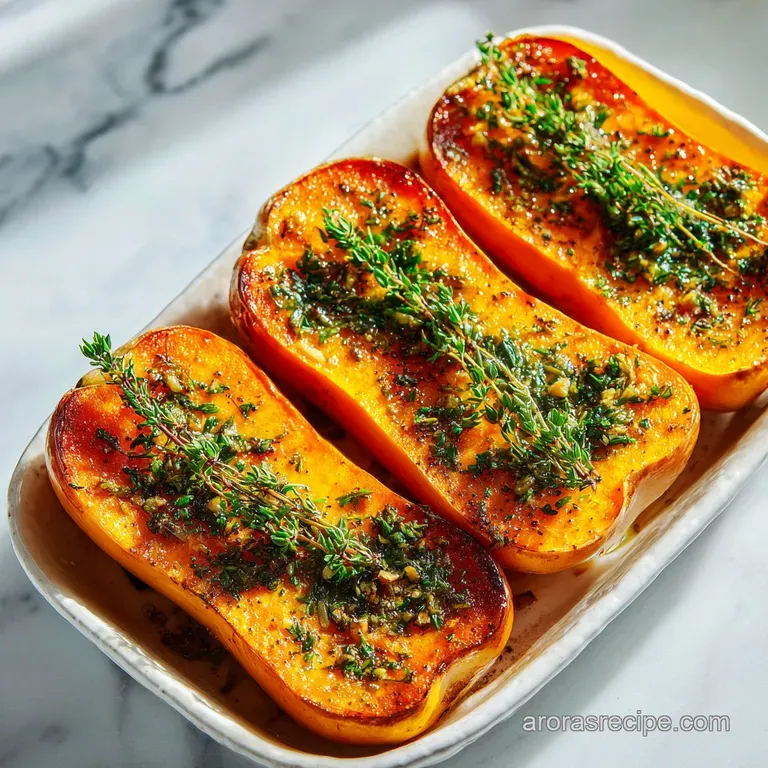
- Time: Active 15 minutes, Passive 30 minutes, Total 45 minutes
- Flavor/Texture Hook: Savory herb crusted edges with a velvety, caramelized interior
- Perfect for: Hearty Sunday roasts, easy weeknight sides, or holiday meal prep
- Perfect Roasted Butternut Squash in the Oven with Garlic and Herbs
- Why This Method Never Fails
- Component Analysis and Ingredient Roles
- Simple Ingredients for Savory Success
- Step by Step Roasting Guide
- How to Fix Common Mishaps
- Portion and Method Scaling
- Common Roasting Myths
- Flavor Swaps for Every Palate
- Proper Chilling and Reheating Methods
- Serving Your Squash with Style
- Roasted Butternut Squash FAQ
- 📝 Recipe Card
Perfect Roasted Butternut Squash in the Oven with Garlic and Herbs
There is a specific sound that happens when a hot sheet pan meets a cold counter - a sort of metallic ring that signals dinner is finally ready. I remember the first time I tried to make this in my tiny Nashville kitchen. I thought I could just throw everything in a pile and hope for the best.
What I got was a soggy, sad pile of orange mush that tasted more like steamed squash than anything roasted. It was a total flop, but it taught me everything about what not to do.
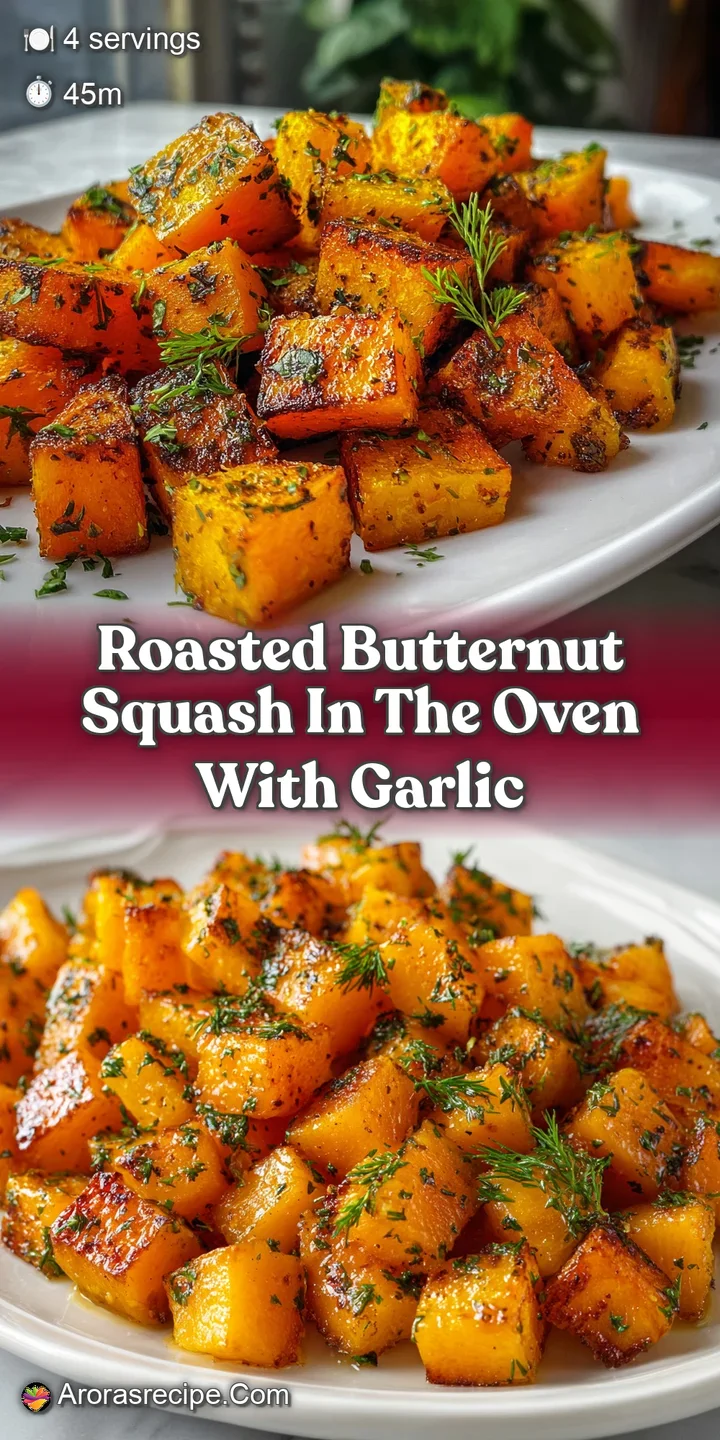
This guide shares a simple recipe for perfectly Roasted Butternut Squash in the Oven with Garlic and Herbs. We are going after those deep brown, caramelized corners and a middle so soft you could spread it like butter.
This isn't just about cooking a vegetable; it’s about understanding how high heat and the right fat transform something starchy into something spectacular. You’ll want your kitchen to smell like rosemary and toasted garlic for the rest of the week.
We’ve all been there with the pre cut grocery store bags that look convenient but end up dry. Forget those. We are starting with a fresh bird’s eye view of the squash, peeling it down to that vibrant orange flesh, and seasoning it with a blend that actually sticks.
Trust me, once you hear that first "shatter" of the crispy outer skin, you’ll never go back to any other side dish.
Why This Method Never Fails
The Physics of the Crunch
Maillard Transformation: High heat triggers a chemical reaction between amino acids and reducing sugars, creating the brown, savory crust. We use avocado oil specifically because its high smoke point allows for this intense browning without the oil breaking down or tasting burnt.
- Surface Area Maximization: Cutting the squash into uniform 1 inch cubes ensures every piece has six sides ready to hit the hot pan.
- Aromatic Infusion: Adding the garlic and fresh herbs creates a flavored oil that coats the squash during the final minutes of roasting.
- Moisture Evaporation: over High heat roasting (400°F or higher) forces water out of the vegetable quickly so it browns instead of steams.
- Sugar Caramelization: A tiny pinch of brown sugar works with the squash's natural starches to deepen the color and add a subtle tawny sweetness.
| Thickness | Internal Temp | Rest Time | Visual Cue |
|---|---|---|---|
| 0.5 inch cubes | 205°F | 2 mins | Edges turn deep mahogany |
| 1 inch cubes | 205°F | 5 mins | Centers feel like soft butter |
| 2 inch chunks | 205°F | 8 mins | Skin shatters when poked |
When you're looking for a complete meal, this squash pairs beautifully with a hearty main. You might find it similar to the flavor profile in my Super Creamy Cauliflower recipe, where roasting the vegetables first builds that essential base of flavor.
Component Analysis and Ingredient Roles
| Ingredient | Science Role | Pro Secret |
|---|---|---|
| Avocado Oil | over High heat conductor | Creates a barrier that prevents the squash from sticking to the metal. |
| Sea Salt | Osmotic drawer | Pulls internal moisture to the surface where it can evaporate into steam. |
| Brown Sugar | Caramelization agent | Speeds up the browning process to match the internal cook time. |
| Smoked Paprika | Color enhancer | Provides a deep, earthy hue that makes the cubes look professionally roasted. |
Simple Ingredients for Savory Success
- 1 large butternut squash (3 lbs): Look for a heavy squash with a long neck; it’s easier to cube.
Why this? Fresh squash has more internal sugar than pre cut versions for better browning.
- Substitute: Kabocha squash (Keep the skin on for extra texture).
- 2 tablespoons avocado oil: A neutral oil that won't smoke at 400°F.
- Substitute: Refined coconut oil (Adds a very slight nutty note).
- 1/2 teaspoon sea salt: Coarse grains provide better coverage.
- Substitute: Kosher salt (Double the volume if using Diamond Crystal).
- 4 cloves garlic, minced: Use fresh cloves, not the jarred stuff.
- Substitute: 1 teaspoon garlic powder (Mix with the oil before tossing).
- 1 tablespoon fresh rosemary: Finely chopped to release oils.
- Substitute: 1 teaspoon dried rosemary (Crush it in your palms first).
- 1 tablespoon fresh thyme: Stripped right off the woody stem.
- Substitute: Fresh oregano (Gives it a more Mediterranean vibe).
- 1/2 teaspoon cracked black pepper: Large cracks offer tiny bursts of heat.
- Substitute: White pepper (For a more subtle, earthy heat).
- 1 teaspoon brown sugar: Helps with the "Maillard" browning.
- Substitute: Maple syrup (Will result in a slightly stickier finish).
- 1/2 teaspoon smoked paprika: For a hint of backyard grill flavor.
- Substitute: Sweet paprika (Removes the smoky element but keeps the color).
- 1 tablespoon fresh parsley: Added at the very end for brightness.
- Substitute: Fresh chives (Adds a mild onion like finish).
step-by-step Roasting Guide
- Preheat the oven. Set your rack to the center and turn the heat to 400°F. Note: A hot oven is non negotiable for crispy results.
- Peel the squash. Use a sharp Y peeler to remove the tough outer skin until the bright orange flesh is visible.
- Cube the vegetable. Slice the squash in half, scoop out the seeds, and cut into uniform 1 inch pieces.
- Dry the cubes. Pat the squash cubes with a clean kitchen towel. Note: Surface moisture is the enemy of a crispy crust.
- Whisk the oil. In a large bowl, combine avocado oil, sea salt, pepper, brown sugar, and smoked paprika.
- Coat the squash. Toss the cubes in the oil mixture until every side is glistening and orange.
- Arrange the pan. Spread the squash on a large sheet pan. Make sure no two pieces are touching.
- Roast the squash. Bake for 20 minutes until the bottoms are golden and starting to sizzle.
- Add the aromatics. Remove the pan, toss in the minced garlic, rosemary, and thyme, then flip the cubes.
- Final crisp. Return to the oven for 10 minutes until the garlic is fragrant and the edges shatter.
- Garnish and serve. Sprinkle with fresh parsley while the pan is still piping hot.
Chef's Tip: Put your empty sheet pan in the oven while it preheats. When you toss the oiled squash onto the screaming hot metal, you’ll hear a loud sizzle. This "sears" the bottom immediately, giving you a head start on that perfect crust.
How to Fix Common Mishaps
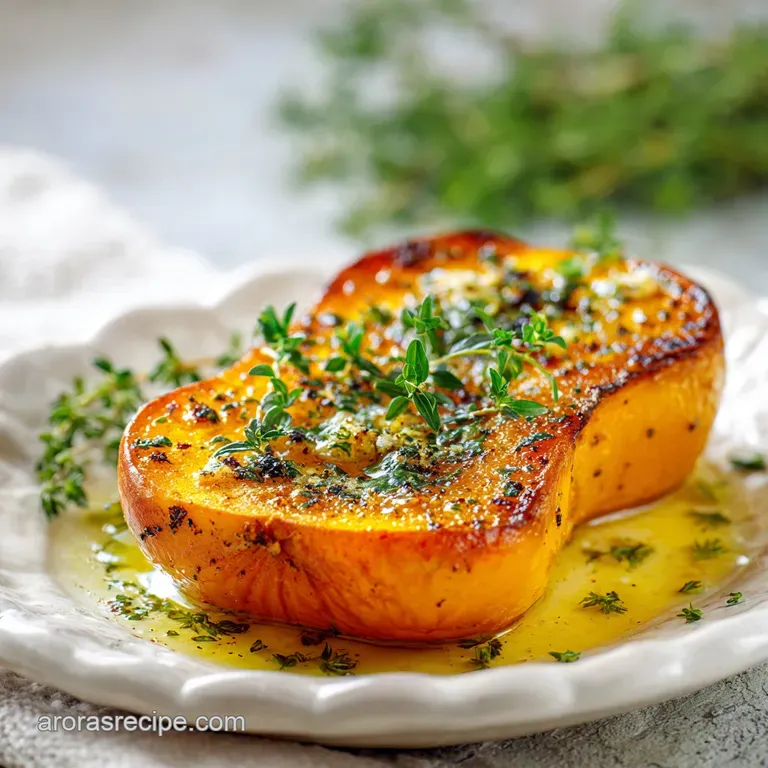
Why Your Squash Is Soft
If your cubes are turning out more like mash than roasted bites, it's usually a space issue. When vegetables are crowded together, they release steam. That steam gets trapped between the pieces and "boils" the squash instead of roasting it. It's the difference between a crispy fry and a boiled potato.
Why Your Garlic Is Bitter
Garlic burns much faster than squash. If you put the minced garlic in at the very beginning, it will turn into little black acrid bits by the 30 minute mark. Always add your fresh garlic during the last 10 minutes of cooking to keep it sweet and mellow.
| Problem | Root Cause | Solution |
|---|---|---|
| Uneven browning | Overcrowded pan | Use two pans or roast in batches to allow airflow. |
| Burnt herb flavor | Dried herbs used | Use fresh herbs or add dried ones halfway through. |
| Hard centers | Cubes too large | Increase cook time by 5 mins or cut cubes smaller. |
Common Mistakes Checklist
- ✓ Never skip drying the squash; moisture creates steam, not crunch.
- ✓ Preheat your baking sheet for 5 minutes before adding the vegetables.
- ✓ Don't use olive oil for over high heat roasting; it can smoke and taste bitter.
- ✓ Avoid the temptation to stir the squash more than once; let the crust build.
- ✓ Use a heavy duty rimmed baking sheet (like a Nordic Ware half sheet) to prevent warping.
Portion and Method Scaling
If you are cooking for a crowd, don't just double the ingredients and throw them on one pan. You’ll end up with a soggy mess. For 8 people, use two separate sheet pans and rotate them halfway through the cooking time.
If you’re scaling down for just one or two people, a smaller toaster oven pan works perfectly, but keep an eye on the time as smaller batches tend to cook about 5 minutes faster.
When you're scaling up the spices, you don't necessarily need to double the salt. Start with 1.5 times the amount and taste a finished cube before adding more. The same goes for the Roasted Sweet Potatoes recipe, where the natural sugars can become overwhelming if the salt balance isn't just right.
| Servings | Squash Weight | Pan Size | Cook Time |
|---|---|---|---|
| 2 people | 1.5 lbs | 9x13 inch | 25-30 minutes |
| 4 people | 3.0 lbs | 13x18 inch | 30-35 minutes |
| 8 people | 6.0 lbs | Two 13x18 inch | 35-40 minutes |
Common Roasting Myths
One big myth is that you need to soak butternut squash in water to make it soft. In reality, squash is already mostly water. Adding more just makes it harder to get that crispy exterior we’re after. The heat of the oven is more than enough to break down the cellular structure and make the inside velvety.
Another misconception is that you have to use butter for flavor. While butter tastes great, its milk solids burn at 400°F. If you want that buttery flavor, toss the squash with a tablespoon of melted butter after it comes out of the oven.
This keeps the flavor fresh without the burnt toast aftertaste.
Flavor Swaps for Every Palate
The Sweet and Spicy Twist
If you want something with a bit more kick, swap the rosemary for 1 teaspoon of chili flakes and increase the brown sugar to 1 tablespoon. The heat from the pepper balances the caramelization beautifully. It’s a great way to liven up a standard weeknight dinner.
The Dairy Rich Alternative
For a more indulgent side, sprinkle 1/4 cup of freshly grated Parmesan cheese over the squash during the last 5 minutes of roasting. The cheese will melt and form a "frico" crust around the cubes. Just be sure to use real Parmesan, not the stuff in the green can, or it won't melt properly.
| Original Ingredient | Substitute | Why It Works |
|---|---|---|
| Rosemary | Sage Leaves | Fried sage adds a sophisticated, earthy crunch. |
| Smoked Paprika | Cumin | Shifts the flavor toward a warm, taco style profile. |
| Brown Sugar | Honey | Note: Adds a floral sweetness but can burn faster. |
Proper Chilling and Reheating Methods
Storage: Keep your leftovers in an airtight glass container in the fridge for up to 4 days. The squash will lose its crispiness as it sits, but the flavor actually deepens as the herbs meld with the vegetable.
Freezing: You can freeze roasted squash for up to 3 months. Spread the cold cubes on a tray to freeze individually first, then bag them. Note: The texture will be much softer after thawing, making them better for soups or mashes than as a standalone side.
Reheating: Avoid the microwave if you can; it turns the squash into a rubbery mess. Instead, throw the cubes back onto a sheet pan at 400°F for 8 minutes. This helps re crisp the edges and revives that "just roasted" feel.
Zero Waste Tip: Don't throw away those seeds! You can roast them just like pumpkin seeds. Clean them, toss with a little salt and oil, and bake at 325°F for 15 minutes for a crunchy snack. Also, if you have leftover roasted cubes, they make an incredible addition to my Butternut Squash Lasagna recipe.
Serving Your Squash with Style
Presentation doesn't have to be complicated. I love serving this on a wide, shallow wooden bowl to keep with that rustic, Southern comfort feel. The orange cubes pop beautifully against the green of the fresh parsley.
If you want to go the extra mile, a drizzle of balsamic glaze right before serving adds a hit of acidity that cuts through the richness of the oil and starch.
For a holiday spread, try tossing in a handful of toasted pecans or dried cranberries at the very end. It adds texture and a festive look without requiring extra cooking steps. Whatever you do, serve it hot.
There’s a small window of about 10 minutes where the contrast between the crispy shell and the velvety interior is at its absolute peak. Enjoy that first bite!
Roasted Butternut Squash FAQ
What is the best oven temperature for roasting butternut squash?
400°F (200°C) is ideal. This high heat promotes quick browning and caramelization, creating crispy edges while cooking the inside to a tender, velvety texture.
How should I cut butternut squash for roasting?
Cut into uniform 1 inch cubes. Consistent sizing ensures all pieces cook evenly, preventing some from burning while others remain undercooked.
Why is my roasted butternut squash mushy instead of crispy?
Likely overcrowded the pan. Vegetables release moisture when steamed; overcrowding traps steam, causing them to boil rather than roast. Ensure cubes have space for air circulation.
When should I add garlic and herbs to roasted butternut squash?
Add during the last 10 minutes of roasting. This prevents the garlic from burning and the herbs from becoming acrid, preserving their fragrant flavors.
Can I use dried herbs instead of fresh for roasted butternut squash?
Yes, but use less. Substitute about 1/3 of the fresh amount (e.g., 1 teaspoon dried rosemary for 1 tablespoon fresh). Crush dried herbs between your palms before adding to release more flavor.
How long can I store leftover roasted butternut squash?
Up to 4 days in an airtight container in the refrigerator. While it loses some crispiness, the flavors deepen over time, making it excellent for future dishes.
How do I reheat roasted butternut squash to retain crispiness?
Reheat on a baking sheet at 400°F (200°C) for about 8 minutes. This method helps to re-crisp the edges and restore that "just roasted" texture, unlike microwave reheating which can make it rubbery.
Roasted Butternut Squash Oven
Ingredients:
Instructions:
Nutrition Facts:
| Calories | 187 kcal |
|---|---|
| Protein | 2.8 g |
| Fat | 7.3 g |
| Carbs | 33.1 g |
| Fiber | 5.1 g |
| Sugar | 6.2 g |
| Sodium | 295 mg |
