And Root Vegetables
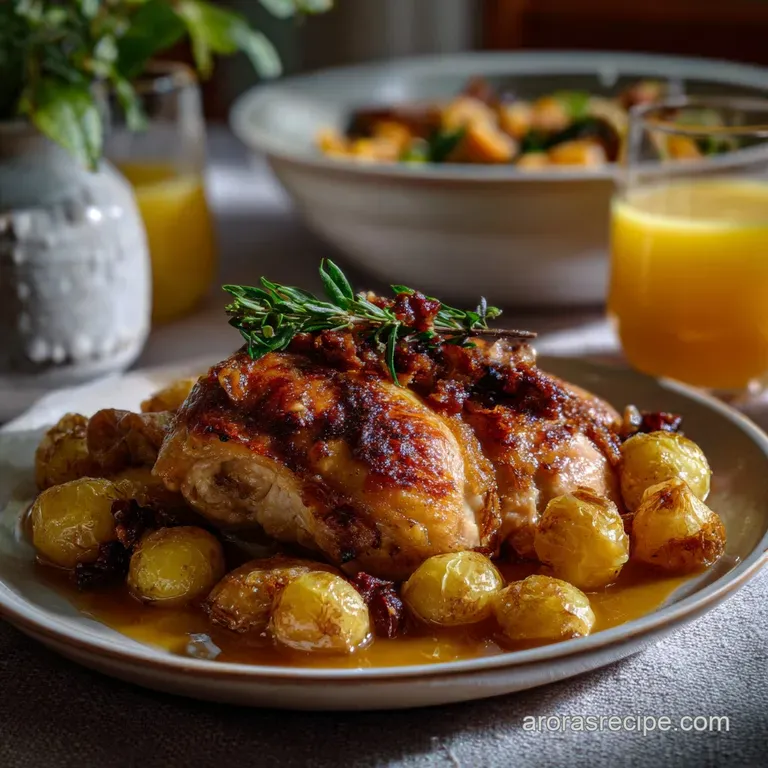
- Time: Active 25 minutes, Passive 1 hour 15 mins, Total 1 hour 40 mins
- Flavor/Texture Hook: Shatter-crisp skin with velvety, cider-glazed parsnips
- Perfect for: Sunday supper, nourishing winter meals, or a beginner-friendly holiday centerpiece
- Master the Ultimate Winter Dinner Recipe with Roasted Chicken
- Why This Works (Scientific Power-Bullets)
- Chemical Function Table
- Functional Elements of the Bird
- Essential Tools for Busy Cooks
- Step-by-Step Roasted Chicken Guide
- Solving Common Roasting Obstacles
- Batch Expansion Logic
- Truth vs. Tradition
- Storage and Zero Waste Logic
- Perfect Pairings and Serving Ideas
- Frequently Asked Roasting Questions
- Common Questions
- 📝 Recipe Card
Nothing warms a Nashville kitchen quite like the sizzle of a bird hitting a hot pan while the frost settles outside. When the days turn short and gray, we crave something that fills the house with the aroma of toasted sage and roasting garlic.
This Winter Dinner Recipe with Roasted Chicken isn't just about feeding the belly; it's about that deep, mahogany colored skin and the way the kitchen feels like a hug while the oven does the heavy lifting.
Most folks struggle with the "soggy bottom" syndrome where the chicken is juicy but the skin is limp, or the vegetables turn to mush before the bird is done. I spent years tweaking this method, moving away from standard roasting racks to a bed of dense winter roots.
By resting the bird directly on the parsnips and potatoes, the rendered fat (liquid gold, truly) seasons the vegetables while the dry heat of the oven circulates around the skin.
We are going for a "set it and forget it" vibe that doesn't compromise on quality. We use unfiltered apple cider to provide a subtle sweetness that cuts through the rich chicken fat, creating a sauce right in the pan.
This is a traditional roast chicken dinner recipe that feels fancy enough for guests but is simple enough for a Tuesday night when you just need some homemade comfort.
Master the Ultimate Winter Dinner Recipe with Roasted Chicken
This method relies on thermodynamics to ensure the dark meat reaches safety while the breast remains silky. By elevating the bird on a platform of Yukon Gold potatoes and parsnips, we create a convection like environment even in a standard oven.
The moisture from the vegetables steams the underside of the bird slightly, while the top remains exposed to intense, dry heat for maximum browning. Mastering this Winter Dinner Recipe with Roasted Chicken ensures tender meat every time.
Why This Works (Scientific Power Bullets)
- Maillard Reaction Optimization: The high fat European butter contains less water than standard sticks, allowing the skin to reach the 285°F threshold for browning faster without steaming.
- Collagen Hydrolysis: Slicing parsnips into thick batons ensures they soften at the exact rate the chicken's connective tissue breaks down into silky gelatin.
- Hygroscopic Balancing: The sugars in the apple cider attract moisture to the vegetables, preventing them from drying out during the long roast, unlike dry-roasting which can lead to shriveled roots.
- Acidic Skin Tightening: Applying apple cider vinegar to the skin before buttering alters the pH, which helps the protein structure tighten and crisp more effectively than oil alone.
Chemical Function Table
| Ingredient | Chemical/Physical Role (Science) | The Pro Secret (Why This Matters) |
|---|---|---|
| Whole Chicken | Gelatin extraction via collagen hydrolysis | Creates a mahogany colored exterior while keeping the interior succulent and soft. |
| European Butter | Lipid based heat conduction | Higher fat-to-water ratio ensures the skin fries in place rather than steaming. |
| Apple Cider | Sugar caramelization and acidity | The malic acid breaks down vegetable fibers while sugars create a glossy, mahogany glaze. |
| Fresh Sage | Volatile oil infusion | High concentrations of thujone and camphor withstand long roasting times without turning bitter. |
Functional Elements of the Bird
For this Winter Dinner Recipe with Roasted Chicken, we need ingredients that can stand up to the cold weather appetite. I always reach for a Lodge Cast Iron Roasting Pan or a heavy Le Creuset Heritage Rectangular Dish because they hold onto heat better than thin aluminum.
- 1 (4 lb) whole roasting chicken: Why this? Air-chilled birds have less water weight, meaning crisper skin.
- 6 tbsp unsalted high fat European butter: Why this? Higher butterfat (82%+) ensures better browning and richer flavor.
- 1 head of garlic, halved: Provides an aromatic base for the pan juices.
- 1 lemon, halved: The citric acid balances the heavy fats of the chicken.
- 1 bunch each fresh sage and thyme: Woody herbs are essential for winter chicken recipes for dinner.
- 1 lb carrots, batons: Use thick cuts so they don't disintegrate.
- 1 lb parsnips, batons: Why this? Parsnips have a nuttier, starchier profile than carrots, perfect for winter.
- 1.5 lbs Yukon Gold potatoes, quartered: Why this? Their waxy texture prevents them from falling apart in the cider.
- 1/2 cup unfiltered apple cider: Adds depth and natural sweetness to the jus.
- 2 tbsp apple cider vinegar: Helps dissolve the skin's surface proteins for extra crunch.
| Original Ingredient | Substitute | Why It Works |
|---|---|---|
| European Butter | Ghee (Clarified Butter) | Higher smoke point; ideal for dairy sensitive diners while keeping the richness. |
| Parsnips | Rutabaga | Similar density and earthy flavor, though slightly more peppery. |
| Apple Cider | White Grape Juice | Provides necessary sugar for caramelization with a cleaner, less autumnal finish. |
| Fresh Sage | Dried Rubbed Sage | Use 1/3 the amount; it carries the same woody notes but lacks the visual appeal. |
Essential Tools for Busy Cooks
We want to keep the dishes to a minimum. You really only need two primary tools to make roasted chicken for dinner successful. A heavy bottomed roasting pan is non-negotiable for even heat.
If you use a thin sheet pan, the cider will evaporate too quickly, and your vegetables will burn before the chicken hits 165°F.
Next,, an instant read digital thermometer like a Thermoworks Thermapen is your best friend. In my Nashville kitchen, we don't guess when the bird is done.
Pulling the chicken at exactly the right moment is the difference between a "good" meal and the best Winter Dinner Recipe with Roasted Chicken you've ever tasted.
step-by-step Roasted Chicken Guide
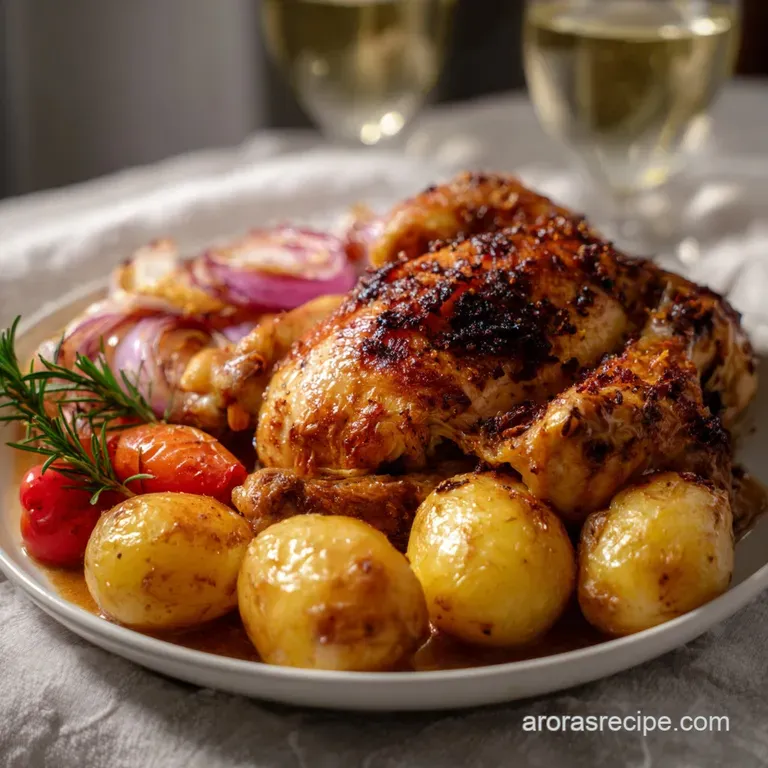
Phase 1: Preparation and Aeration
- Remove the chicken from the fridge 45 minutes before roasting. Note: This prevents "cold shock" and ensures even cooking.
- Pat the skin bone dry with paper towels until no moisture remains. Note: Surface moisture causes steaming, which ruins skin crispness.
- Whisk the softened European butter with chopped sage and thyme.
- Rub the apple cider vinegar over the entire surface of the chicken.
- Separate the skin from the breast meat gently with your fingers.
- Insert half of the herb butter directly under the skin. Note: This "butter shield" bastes the breast meat from within.
Phase 2: Constructing the Vegetable Bed
- Toss the carrots, parsnips, and Yukon Gold potatoes in the roasting pan.
- Drizzle with a tablespoon of melted butter and salt heavily.
- Pour the 1/2 cup of apple cider into the bottom of the pan.
- Place the chicken directly on top of the vegetables. Note: The vegetables act as a natural roasting rack.
Phase 3: The High Low Roast
- Roast at 425°F for 20 minutes until the skin starts to turn golden and the butter sizzles loudly.
- Reduce the oven temperature to 375°F.
- Continue roasting for 50 55 minutes until a thermometer in the thickest part of the thigh reads 160°F.
- Baste the bird once with the pan juices halfway through.
- Remove from the oven and rest for 15 minutes until the juices settle and the internal temp carries over to 165°F.
Solving Common Roasting Obstacles
Roasting a whole bird can feel intimidating if you've ever ended up with raw joints or dry white meat. The key is understanding that a chicken is two different types of meat the lean breast and the fatty thigh which cook at different rates.
Following this Winter Dinner Recipe with Roasted Chicken protocol minimizes risk.
Correcting Soggy Chicken Skin
The most common problem with any roasted chicken recipes for dinner is skin that looks brown but feels rubbery. This usually happens because of trapped steam. If you crowd the pan with too many watery vegetables (like zucchini or onions), the moisture they release prevents the skin from crisping.
Using starchier roots like potatoes and parsnips helps absorb that moisture instead.
| Problem | Root Cause | The Fix | Pro Protocol |
|---|---|---|---|
| Dry Breast Meat | Overcooking while waiting for thighs | Pull at 160°F | Carryover cooking adds 5°F during the rest. |
| Scorched Veggies | Low liquid volume in pan | Add 1/4 cup water or cider | Keep 1/4 inch of liquid in the pan at all times. |
| Pale Skin | Oven temp too low | Increase to 425°F for 10 mins | Finish with a over high heat blast if skin isn't "shattering." |
Batch Expansion Logic
Scaling Down (Cooking for 2): If you are making this for a smaller household, don't buy a smaller bird they tend to dry out. Roast the full 4 lb bird, but reduce the vegetables by half. Use a smaller 9x9 inch baking dish to keep the cider from evaporating too quickly.
- The Pan Trap
- Do not try to fit two chickens in one pan. This creates a "steam tent" that will result in rubbery skin. Use two separate roasting pans.
- Spices
- Scale the salt and herbs to 1.5x rather than 2x. over High heat roasting concentrates flavors.
- The Oven Factor
- If cooking two birds, rotate the pans halfway through the roasting time. The "Square Cube Law" means the oven air has more mass to heat, so expect the total time to increase by about 15 minutes. Achieving consistency across multiple birds is what makes this Winter Dinner Recipe with Roasted Chicken so valuable for entertaining.
Truth vs. Tradition
Myth: You must baste the chicken every 15 minutes for juicy meat. Truth: Every time you open the oven, the temperature drops by 25 50°F. This slows down the rendering of fat and results in flabby skin.
Basting once is plenty; the butter under the skin does the real work.
Myth: The juices must run "clear" to be safe. Truth: Color is an unreliable indicator of safety. Myoglobin in the bone can leave juices pink even at safe temperatures. Use a digital thermometer to hit 165°F for guaranteed safety and texture.
Storage and Zero Waste Logic
Store your leftover Winter Dinner Recipe with Roasted Chicken in an airtight container in the fridge for up to 4 days. The vegetables actually taste better the next day as they continue to soak up the cider butter glaze.
You can freeze the carved meat for up to 3 months, though the roasted vegetables will lose their crispness upon thawing.
Zero Waste Tip: Never toss that chicken carcass! The bones are rich in collagen. Simmer the bones with your leftover herb stems and onion skins to create a rich, golden stock. This stock is the perfect base for a Mushroom Sauce Recipe later in the week. Also, if you have leftover parsnips, mash them with a little cream for a sweet, earthy side dish.
Perfect Pairings and Serving Ideas
This roast is a complete meal on its own, but a few additions can make it feel like a true Southern feast. I love serving this with a side of crusty sourdough bread to mop up the cider drippings. If you find yourself with extra drippings in the pan, consider whipping up this How to Make recipe to douse your potatoes and chicken. When serving this classic Winter Dinner Recipe with Roasted Chicken, gravy is optional but highly recommended.
For a bright contrast to the heavy roasted flavors, a simple arugula salad with a lemon vinaigrette works wonders. The peppery greens cut through the richness of the herb butter. If you're looking for something more decadent, a Creamy Mushroom Sauce recipe draped over the sliced breast meat adds a restaurant quality finish that your family will beg for every Sunday.
Frequently Asked Roasting Questions
Achieving Extra Crispy Skin
To get that "shatter crisp" texture, leave the chicken uncovered in the fridge for 24 hours before cooking. This air-drying process dehydrates the skin, allowing the fat to render much more efficiently during the roast.
This step is crucial for the final result of our Winter Dinner Recipe with Roasted Chicken.
Using Frozen Chicken Successfully
You can use a frozen bird, but it must be thawed completely in the refrigerator for 24 48 hours. If the center is even slightly icy, the outside will dry out before the inside is safe to eat. Always check the internal temperature in multiple spots.
Avoiding Mushy Root Vegetables
The secret is the cut size. If you cut your carrots and parsnips too thin, they will turn to puree. Aim for 1 inch thick batons. These "sturdy" cuts can withstand the 75 minute roast time while absorbing the chicken fat without losing their structural integrity.
Stovetop vs. Oven Comparison
| Feature | Stovetop (Skillet Roast) | Oven (Traditional Roast) |
|---|---|---|
| Skin Texture | Extremely crispy on one side | Uniformly golden and crisp |
| Vegetable Finish | Sautéed/Caramelized | Braised in juices and tender |
| Hands-on Time | High (requires flipping) | Low (mostly passive) |
| Flavor Depth | High Maillard browning | Balanced, aromatic infusion |
Decision Shortcut
- If you want the fastest meal, spatchcock the chicken (remove the backbone) to reduce cook time to 45 minutes.
- If you want the best flavor, use the herb butter-under the-skin method described above.
- If you want minimal cleanup, use a disposable foil roasting pan, though heat distribution won't be as consistent as cast iron.
This Winter Dinner Recipe with Roasted Chicken is the definition of Southern comfort. It’s a reliable, one-pan wonder that turns simple ingredients into something spectacular. Just remember: dry the skin, salt the bird, and let it rest.
You'll have a mahogany colored masterpiece every single time.
Common Questions
What is the ideal internal temperature for the chicken thigh?
165°F for safety and texture. The thigh requires a higher temperature than the breast to fully break down connective tissue into gelatin. If you master the sensory doneness cues here, apply them to our Abgoosht Recipe: Traditional Persian Lamb Chickpea Stew for perfect results.
Can I skip drying the skin overnight?
Yes, but skin will steam. Lack of surface moisture forces the oven’s energy to evaporate water before browning can initiate. Patting vigorously is the minimum requirement.
Should I use salted or unsalted butter?
Unsalted butter for precision control. Salted brands vary widely in sodium content, preventing accurate seasoning when combined with salted chicken skin. Unsalted lets you adjust salt based on vegetable seasoning.
What's the fastest way to ensure the chicken cooks evenly?
Spatchcocking reduces the cook time significantly. Removing the backbone allows the chicken to lie flat, exposing all surfaces to uniform dry heat simultaneously. This technique allows you to achieve the same final flavor profile as our Chicken Gnocchi Soup: The Best Easy Homemade Recipe base flavors, but in a roast form.
Why are my root vegetables mushy?
Vegetables were cut too small or pan overcrowded. Excess moisture released by crowding steams the roots instead of allowing them to caramelize.
- Use 1 inch thick batons
- Ensure 1/4 inch liquid remains in the pan
- Use starchier roots like potatoes
Myth: Washing raw chicken makes it safer.
Myth: Washing chicken removes bacteria. Reality: USDA confirms this spreads Salmonella via splash. Cooking to 165°F kills all pathogens effectively.
Is it better to rest the chicken on a rack or vegetables?
Vegetables create a better self basting system. A rack lifts the bird away, but placing it directly on dense roots allows rendered fat and cider to season the vegetables below beautifully. The difference in flavor infusion is substantial.
Roasted Chicken Winter Dinners
Ingredients:
Instructions:
Nutrition Facts:
| Calories | 871 kcal |
|---|---|
| Protein | 62g |
| Fat | 44g |
| Carbs | 51g |
| Fiber | 9g |
| Sugar | 14g |
| Sodium | 460mg |
