Velvety Garden-To-Bowl: Homemade Tomato Bisque
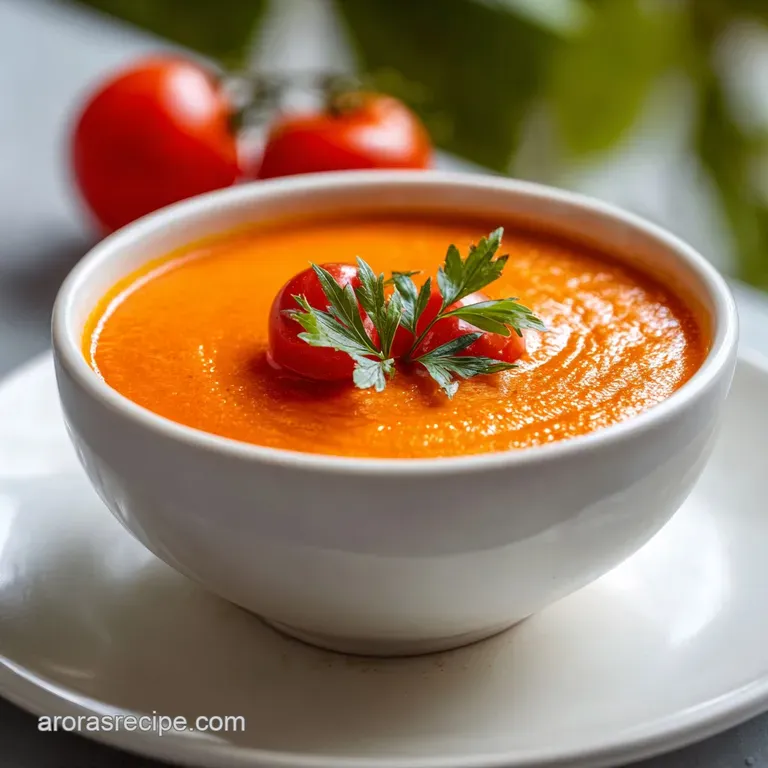
- Time: Active 15 minutes, Passive 45 minutes, Total 60 minutes
- Flavor/Texture Hook: Velvety smooth with a charred, smoky undertone
- Perfect for: Rainy weeknights, healthy meal prep, or a cozy beginner friendly dinner
- What Makes This Tomato Bisque So Velvety and Rich
- Essential Numbers for Your Quick Roasted Tomato Bisque Journey
- Selecting the Best Components for Your Deep Umami Base
- The Kitchen Arsenal Required for a Smooth Bisque Finish
- A Step-By-Step Guide to Roasting and Simmering Success
- Solving Frequent Hurdles to Keep Your Soup Silky Smooth
- Creative Ways to Customize Your Homemade Tomato Bisque Bowls
- Debunking Common Tomato Soup Misconceptions
- Preserving That Fresh Garden Flavor for Future Busy Weeknights
- Adding the Final Visual Flourish for a Restaurant Grade Look
- Recipe FAQs
- 📝 Recipe Card
What Makes This Tomato Bisque So Velvety and Rich
The moment those Roma tomatoes hit the 400°F oven, your kitchen starts smelling like a dream. It's that specific aroma of garlic skins getting crisp and tomato juices bubbling over onto the parchment paper.
I remember the first time I tried roasting the base rather than just boiling canned sauce; it was a total revelation for my Nashville kitchen. The house felt warmer, and the flavor was ten times more intense.
This method is the ultimate "quick win" because the oven does all the heavy lifting, leaving you with a concentrate of pure summer flavor even in the middle of October.
If you have ever felt like homemade soup is a bit too thin or "watery," this is the fix you've been looking for. We aren't just making soup; we are building layers of comfort. By the time you pull that tray out of the oven, the red bell peppers will have those beautiful blackened edges that add a subtle smokiness you simply cannot get from a stovetop simmer alone.
It’s the kind of meal that makes you want to grab a thick slice of sourdough and just hide away from the world for a while.
You are going to love how the Greek yogurt swirls in at the end. It provides that classic creamy "bisque" mouthfeel without the heavy, weighted down sensation of traditional cream. It’s bright, it’s tangy, and it balances the sweetness of the roasted carrots perfectly.
Trust me, once you see those tomatoes shrivel and char, you will know exactly why we don't skip the roasting step. It is the difference between a "good" soup and a bowl people talk about for weeks.
High Heat Concentration Methods
Fluid Reduction: Roasting evaporates the excess water in the tomatoes, leaving behind a thick, jammy essence that provides natural body to the soup.
Sugar Development: The intense oven heat breaks down the complex carbohydrates in the carrots and onions into simpler sugars, creating a natural sweetness that counters the tomato acidity.
Emulsion Stability: Whisking in the Greek yogurt at the end creates a protein bound fat structure that keeps the soup silky without separating.
Done In-One Decision Table
| Thickness | Internal Temp | Rest Time | Visual Cue |
|---|---|---|---|
| Heavy Cream Style | 195°F | 5 minutes | Coats the back of a spoon solidly |
| Light & Sippable | 185°F | 2 minutes | Leaves a thin, translucent film on a spoon |
| Hearty & Thick | 205°F | 10 minutes | Holds a slight peak when the blender stops |
This table helps you decide exactly when to stop simmering based on how you like your bowl. I usually aim for that "Heavy Cream Style" because it feels the most like a traditional Nashville comfort meal. If you find it's getting too thick, a splash more broth fixes it in seconds.
Essential Numbers for Your Quick Roasted Tomato Bisque Journey
Getting the right balance of ingredients is what separates a mediocre soup from a masterpiece. We are looking for that specific "bisque" texture, which is smoother than a standard tomato soup but lighter than a chowder.
This isn't just about throwing things in a pot; it's about the ratio of roasted solids to flavorful liquids.
| Component | Science Role | Pro Secret |
|---|---|---|
| Roma Tomatoes | Structural Base | Use Romas because their low water content prevents a "runny" soup texture. |
| Extra Virgin Olive Oil | Flavor Carrier | The fat captures the aromatic compounds from the garlic during the over high heat roast. |
| Greek Yogurt | Texture Modifier | Adds a lactic tang that cuts through the sugar of the roasted bell peppers. |
The Greek yogurt is a little trick I learned when I wanted that creamy finish without the calorie load of heavy cream. It adds a "velvety" finish that is just incredible. When you're picking out your tomatoes, look for the ones that feel heavy for their size; that's where the juice is hiding. If you are in the mood for a different vibe, you might enjoy how the acidity in this soup contrasts with something like a Tomato Feta Basil appetizer if you're hosting a garden themed lunch.
Selecting the Best Components for Your Deep Umami Base
When you head to the store, keep an eye out for the ripest Romas you can find. Even if they look a little bruised, that’s actually okay for roasting. They often have more developed sugars than the firm, "perfect" looking ones.
- 3 lbs Roma tomatoes, halved: These are the workhorse of the recipe. Why this? They have thick walls and fewer seeds, making for a smoother blend. (Substitute: Vine ripened tomatoes, though you may need to simmer longer to reduce liquid).
- 1 large red bell pepper, quartered and seeded: Adds a wonderful sweetness and vibrant color. Why this? It provides a fruity undertone that balances the savory garlic. (Substitute: Jarred roasted red peppers if you are in a massive rush).
- 6 cloves garlic, skin on: Roasting them in the skin keeps them from burning. Why this? It turns the garlic into a sweet, spreadable paste. (Substitute: 1 tbsp pre minced garlic, but add it to the sauté instead of the roast).
- 3 tbsp extra virgin olive oil: Necessary for that over high heat roasting. Why this? It helps the tomato skins blister and char effectively. (Substitute: Avocado oil for a higher smoke point).
- 1 large yellow onion, diced: The foundation of your aromatic base. Why this? Yellow onions provide a balanced sweetness when sautéed in butter. (Substitute: White onion or shallots).
- 2 medium carrots, peeled and diced: Natural sweetener. Why this? They thicken the soup and negate the need for added sugar. (Substitute: One small sweet potato, peeled).
- 1 stalk celery, diced: Adds a subtle salty, earthy note. Why this? It completes the "mirepoix" flavor profile common in classic bisques. (Substitute: 1/4 tsp celery seed).
- 1/4 cup plain Greek yogurt: The "bisque" element. Why this? It provides creaminess and a probiotic tang. (Substitute: Heavy cream or coconut milk for a different fat profile).
Chef Tip: If your tomatoes are out of season and a bit pale, add a pinch of brown sugar to the roasting pan. It mimics the natural sweetness of peak summer produce and helps the skins caramelize.
The Kitchen Arsenal Required for a Smooth Bisque Finish
You don't need a professional kitchen to make a killer Tomato Bisque, but having the right tools makes the 15 minute prep feel like a breeze. The most important piece here is your blender. If you want that truly "shatter smooth" texture, a high speed upright blender like a Vitamix is the gold standard.
However, a trusty immersion blender (the "boat motor" as my grandma called it) works wonders right in the pot.
You will also need a solid, heavy bottomed Dutch oven. I swear by my Lodge cast iron for this. It holds heat so steadily that the onions and carrots sauté evenly without those annoying burnt bits in the corners. A large rimmed baking sheet is also non negotiable.
Make sure it has a lip because those tomatoes are going to release a lot of liquid, and you want every single drop of that "liquid gold" for your soup base.
Finally,, grab some parchment paper. It’s not just for easy cleanup; it prevents the natural sugars in the tomatoes from sticking and burning to the metal pan. This keeps the flavor clean and prevents any bitter "burnt pan" notes from sneaking into your finished bisque.
A step-by-step Guide to Roasting and Simmering Success
- Prep the oven: Set your oven to 400°F (200°C). Note: This high heat is essential for blistering the skins quickly without overcooking the interior.
- Arrange the roast: Place the halved tomatoes, quartered bell pepper, and the garlic cloves (leave the skins on!) on a parchment lined sheet.
- Season the vegetables: Drizzle with 3 tablespoons of olive oil, then sprinkle with the sea salt and black pepper.
- The roasting phase: Slide the tray into the oven for 30–35 minutes until the tomato skins are shriveled and charred.
- Start the aromatics: While the roasting happens, melt the butter in your Dutch oven over medium heat. Add the diced onion, carrots, and celery.
- Sauté the base: Cook the vegetables for 8–10 minutes until they are soft and the onions look glassy.
- Combine the components: Take the tray out of the oven. Squeeze the roasted garlic out of the skins into the pot, then tip in all the roasted tomatoes, peppers, and every drop of juice from the pan.
- Simmer for depth: Add the tomato paste, vegetable broth, oregano, and paprika. Bring it to a simmer and let it bubble gently for 10–15 minutes.
- The smooth blend: Use your blender to process the soup until it is velvety and completely free of lumps.
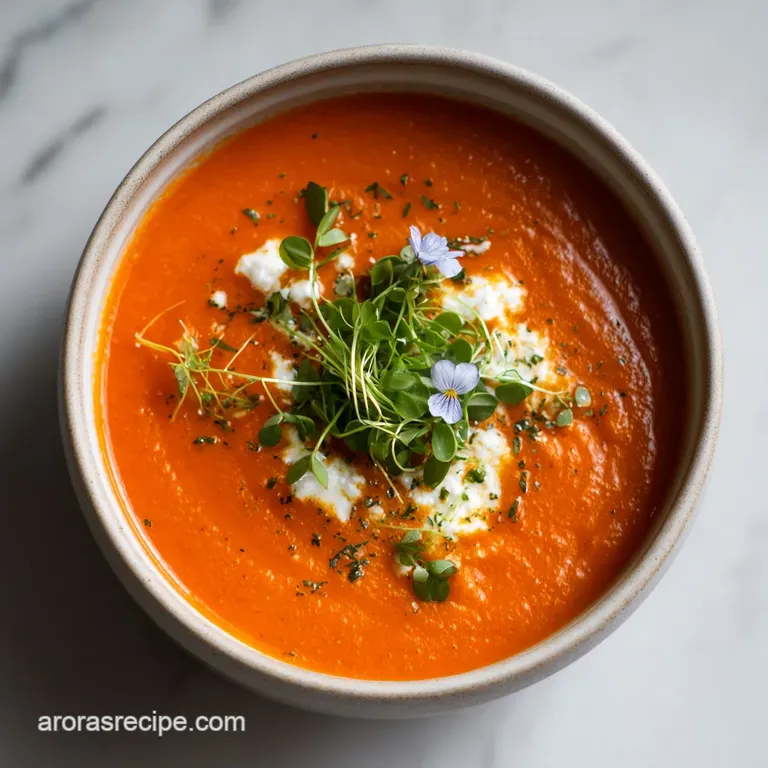
- The creamy finish: Whisk in the Greek yogurt until it is fully incorporated. Serve it hot with a drizzle of balsamic glaze and the fresh basil.
The Fresh vs. Shortcut Comparison
| Method | Prep Time | Flavor Depth | Texture |
|---|---|---|---|
| Fresh Roasted (This Recipe) | 15 minutes | Complex, smoky, and naturally sweet | Thick, rustic, and velvety |
| Canned Shortcut | 5 minutes | Simple, acidic, and bright | Thin and consistent |
| store-bought Carton | 0 minutes | Often overly salty or sugary | Very smooth but "flat" |
As you can see, taking those extra few minutes to roast fresh veggies adds a level of complexity that canned versions just can't touch. If you find yourself loving this fresh approach, you should definitely try my Gnocchi Pomodoro for another way to use a rich tomato base in under half an hour.
Solving Frequent Hurdles to Keep Your Soup Silky Smooth
Sometimes, despite our best efforts, the kitchen throws us a curveball. The most common issue with a Tomato Bisque is the acidity level. Depending on the time of year, your tomatoes might be more tart than sweet. If you take a sip and your mouth puckers a bit too much, don't panic.
You can fix it with a tiny pinch of baking soda (which neutralizes acid) or an extra teaspoon of balsamic glaze.
Correcting High Acidity Levels
If the soup tastes sharp or metallic, it usually means the tomatoes haven't been "tamed" by the sweetness of the carrots. I have made the mistake of skipping the carrots before, and let me tell you, I regretted it. The carrots are there for a functional reason, not just flavor.
They provide the sugar needed to balance the pH of the dish.
| Problem | Root Cause | Solution |
|---|---|---|
| Soup is too watery | Tomatoes had high water content | Simmer uncovered for 10 extra minutes to reduce. |
| Bitter aftertaste | Garlic cloves burned in the oven | Remove any black garlic bits before blending; add a touch of honey. |
| Grainy texture | Skin/seeds didn't blend fully | Run the soup through a fine mesh sieve after blending. |
Common Mistakes Checklist
- ✓ Leave the garlic skins on during roasting (prevents the cloves from turning bitter and hard)
- ✓ Don't skimp on the roasting time - those charred spots are where the "bisque" flavor lives
- ✓ Pat the bell peppers dry before roasting to ensure they char rather than steam
- ✓ Wait to add the Greek yogurt until the soup is off the direct high heat to prevent curdling
- ✓ Use a high speed blender for at least 60 seconds to ensure the tomato skins vanish
Creative Ways to Customize Your Homemade Tomato Bisque Bowls
If you want to scale this recipe down for a solo lunch, it's pretty simple. Just use 1.5 lbs of tomatoes and half an egg's worth of Greek yogurt (about 2 tablespoons). Reduce your roasting time by about 5 minutes since a smaller tray heats up faster.
For scaling up to a crowd, you'll want to use two separate baking sheets so you don't overcrowd the vegetables. If the tray is too full, the tomatoes will steam in their own juices instead of roasting and charring.
When doubling the recipe, keep the salt and spices to about 1.5 times the original amount first. You can always add more at the end, but you can't take it out once it's blended! If you are cooking for 12 people, you'll need about 6 lbs of tomatoes and a much larger Dutch oven to hold the volume.
Spicy Customization Options
If you like a little Nashville heat, add half a teaspoon of crushed red pepper flakes to the sautéing onions. The heat will bloom in the butter and permeate the entire bisque.
You could even roast a de seeded jalapeño right alongside the bell peppers for a smoky, green heat that plays beautifully with the basil.
Vegan Adaptation Strategies
Making a "Vegan Tomato Bisque" is easier than you think. Swap the butter for a high-quality vegan butter stick or just more olive oil. For the creamy element, use a full fat coconut milk or a cashew based yogurt.
Just be aware that coconut milk will add a slight tropical nuttiness to the finish, which actually tastes great with the smoked paprika.
Debunking Common Tomato Soup Misconceptions
One thing I hear all the time is that you must peel the tomatoes before making a bisque. Honestly, don't even bother with that. It’s a messy, time consuming step that isn't necessary if you have a decent blender.
The roasting process softens the skins so much that they pulverize into the soup, adding extra fiber and color.
Another myth is that "bisque" must contain shellfish or heavy cream to be authentic. While historically that's true for French cooking, the modern home cook uses "bisque" to describe the texture silky, smooth, and refined.
Using Greek yogurt is a modern trick that gives you the same result with a much brighter flavor profile.
Finally, some people think you can't use "overripe" tomatoes. In reality, the squishy, deep red tomatoes that are almost too soft for a salad are actually the best for this recipe. They have the highest sugar content and the most intense aroma once they hit the heat.
Preserving That Fresh Garden Flavor for Future Busy Weeknights
This soup is a meal prep dream. I usually make a big batch on Sunday and have it for lunch throughout the week. It stays fresh in the fridge for up to 4 days. In fact, I think the flavor actually gets better after 24 hours because the garlic and oregano have more time to really meld with the tomato base.
Storage: Keep the bisque in an airtight glass container. Plastic can sometimes take on the red tint of the tomatoes, which is a pain to clean. To reheat, just pop it on the stove over low heat.
If it has thickened too much in the fridge, whisk in a tablespoon of water or broth to bring back that velvety flow.
Freezing: This recipe freezes beautifully for up to 3 months! Just leave about an inch of space at the top of your container because the liquid will expand as it freezes. Zero Waste Tip: Don't throw away those herb stems!
If you have leftover basil stems or celery leaves, toss them into your vegetable broth as it simmers to extract every bit of flavor before straining and blending.
Adding the Final Visual Flourish for a Restaurant Grade Look
We eat with our eyes first, right? To make this look like a fancy Nashville bistro dish, don't just dump the basil on top. Take the time to do a "chiffonade" roll the basil leaves up like a little cigar and slice them into thin, delicate ribbons.
It looks beautiful and ensures you get a hit of fresh herb in every spoonful.
The balsamic glaze is another non negotiable for me. It adds a dark, dramatic contrast to the bright orange red of the soup. Just a simple zig zag across the surface makes it look gourmet.
If you want to go the extra mile, save a tiny dollop of the Greek yogurt, thin it with a drop of water, and swirl it into the surface with a toothpick to create a "marbled" effect.
Serving Suggestions: A classic grilled cheese with sharp cheddar and sourdough. A side of Fruit Skewers for a light, refreshing contrast to the warm soup. Crispy parmesan tuiles or simple garlic croutons for that "shatter" crunch.
There you have it a deep, comforting bowl of Tomato Bisque that feels like a hug in a bowl. It’s simple enough for a Tuesday but fancy enough for a Saturday dinner party. I can't wait for you to smell those roasting tomatoes; it's honestly the best part of the whole process. Happy cooking!

Recipe FAQs
What is the difference between tomato soup and tomato bisque?
A bisque is defined by its velvety, cream enriched texture. While standard tomato soup can be thin or chunky, a true bisque is blended until perfectly smooth and finished with a dairy component in this case, Greek yogurt to create a rich mouthfeel.
What is tomato bisque made of?
It starts with oven-roasted Roma tomatoes, red bell peppers, and garlic. These are simmered with a classic mirepoix of onion, carrots, and celery, then combined with vegetable broth, tomato paste, dried oregano, and smoked paprika before being finished with Greek yogurt.
Is tomato soup good for hypertension?
Yes, provided you control the sodium intake. By using low-sodium vegetable broth and relying on the natural acidity and sweetness of roasted vegetables rather than added salt, you can keep this dish heart healthy.
What makes a soup a bisque?
The secret is the emulsification process. The soup must be processed until completely smooth and then enriched with a dairy agent to ensure a stable, silky consistency. If you enjoyed the technique of building layers of flavor here, you can apply similar logic to our smoky hogao sauce for other dishes.
How to ensure the soup texture is perfectly smooth?
Blend the soup on high speed for at least 60 seconds. Using a high speed upright blender or an immersion blender for this duration ensures that all tomato skins are fully pulverized and incorporated into the liquid.
How to prevent the Greek yogurt from curdling?
Whisk in the yogurt only after removing the pot from direct high heat. Adding dairy while the soup is actively boiling can cause it to separate, so stirring it in once the temperature has stabilized is essential for a smooth finish.
How to get the most flavor out of the garlic?
Roast the cloves in their skins at 400°F. Keeping the skins on during the 30 35 minute roasting time prevents the garlic from turning bitter or hard, allowing the inside to soften into a sweet, creamy paste that is easily squeezed into the pot.
Roasted Tomato Bisque
Ingredients:
Instructions:
Nutrition Facts:
| Calories | 173 kcal |
|---|---|
| Protein | 4.6 g |
| Fat | 8.8 g |
| Carbs | 16.7 g |
| Fiber | 4.2 g |
| Sugar | 9.5 g |
| Sodium | 417 mg |
