Thanksgiving Stuffing with Sausage, Sage, and Apple (Baked Outside the Bird)
- Mastering the Perfect Thanksgiving Stuffing: Baked Outside the Bird
- The Anatomy of Exceptional Stuffing: Texture and Flavour Science
- Step-by-Step: Constructing and Baking Your Holiday Dressing
- Troubleshooting and Expert Tips for Stuffing Success
- make-ahead Strategies and Storing Leftover Stuffing
- The Perfect Pairings: What to Serve Alongside Sausage and Apple Dressing
- Recipe FAQs
- 📝 Recipe Card
Mastering the Perfect Thanksgiving Stuffing: Baked Outside the Bird
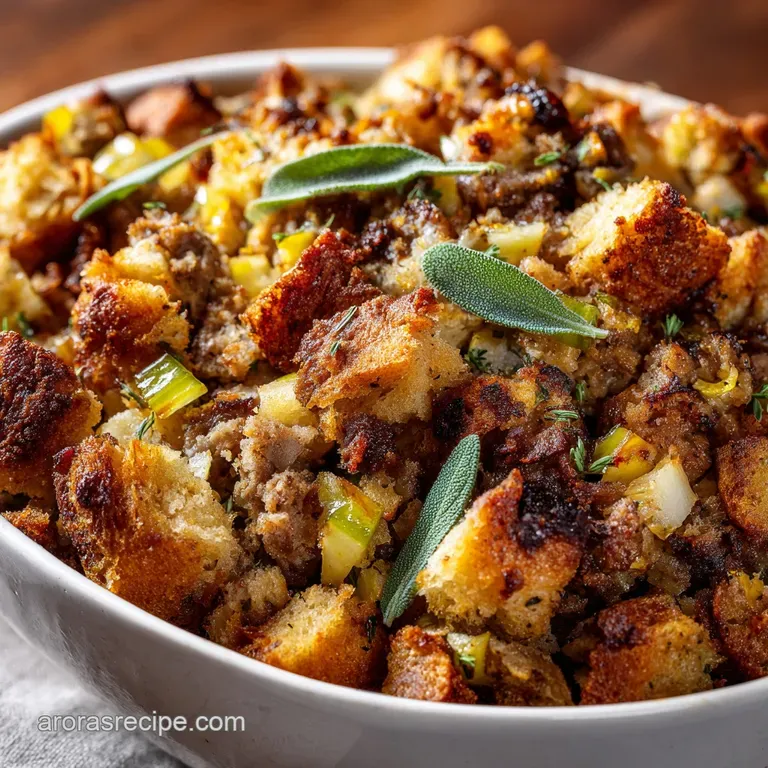
That smell. You know the one I mean, right? It’s the deep, rich aroma of caramelized butter, fragrant fresh sage, and browned sausage wafting out of the oven. This isn't just a side dish; it’s the heart of the holiday, the truly essential component of the plate.
For years, I stressed over my Thanksgiving Stuffing , always resulting in something either dry and crumbly or disappointingly mushy. But once I cracked the code focusing on technique rather than complicated ingredients it became a lifesaver.
This Best Homemade Stuffing Recipe is fast, ridiculously flavourful, and eliminates all the guesswork from your holiday cooking marathon.
We are officially leaving the era of bland, gummy bread behind. Grab your biggest mixing bowl because we are about to make the most reliable, crispy edged, and perfectly moist sausage dressing your family has ever tasted. Let's make some proper Oven Baked Stuffing Thanksgiving .
Why Baking Outside the Bird Is Essential for Texture
Stuffing baked inside the turkey is technically "stuffing," and while traditional, it poses serious risks and yields terrible texture. The center rarely reaches a safe temperature (165°F/74°C) without hopelessly overcooking the surrounding turkey meat.
That’s a recipe for dry bird and wet, dense stuffing.
When you bake it in a pan, suddenly you have control. You get those magnificent crispy, browned edges that contrast beautifully with the moist, flavourful center. This pan stuffing technique allows you to use more butter and stock without worrying about food safety.
Sausage, Sage, and Apple: The Perfect Flavor Trio
This isn’t your grandma’s plain bread dressing; this is a flavor explosion built on balance. We start with rich, savory breakfast sausage it brings incredible depth and fat to the party. The fresh sage and thyme provide that earthy, undeniable holiday signature. But the real secret weapon?
A crisp Granny Smith apple. It cuts through the richness of the fat and butter with a touch of necessary acidity and sweetness.
Is This Stuffing or Dressing? Clarifying the Terminology
Look, legally, if it’s cooked outside the bird in a casserole dish, it’s technically "dressing." I know. But here in my kitchen, we call this glorious pan full of sausage, bread, and sage exactly what it is: the best darn Thanksgiving Stuffing you’ll ever eat.
Don't worry about the semantics; worry about making enough for seconds.
The Anatomy of Exceptional Stuffing: Texture and Flavour Science
Achieving the Crispy Crust, Moist Interior
This perfect texture is achieved entirely through liquid management and controlled baking. We use just enough warmed stock to fully hydrate the dried bread, transforming it from a hard cube into a moist sponge.
Covering the dish initially traps steam, preventing premature drying, and then removing the foil at the end creates that gorgeous, golden, crunchy crust we all crave.
The Role of Sourdough in Moisture Retention
Sourdough is brilliant here. Its slightly firm structure, even when dried, resists collapsing into a paste when liquid is added. While softer bread like brioche or challah is delicious, sourdough or a rustic country loaf provides the backbone this hearty dressing needs.
It ensures that every single cube remains distinct, absorbing the flavourful liquids without disintegrating.
Balancing Sweet and Savory: Apples vs. Sausage Fat
A properly fatty breakfast sausage provides the foundation for this Thanksgiving Stuffing Casserole. This fat renders out, carrying the flavor of the sage and celery throughout the mixture.
The diced Granny Smith apple then steps in, offering a slight tartness that brightens the entire dish, preventing the final result from feeling too heavy or overwhelming.
Selecting the Right Breakfast Sausage and Sourcing Fresh Sage
For this recipe, stick to bulk mild or sweet Italian breakfast sausage. Avoid anything too spicy, as it can dominate the delicate herb flavors. Always use fresh sage. Dried, ground sage is a completely different beast, lending a dusty, muted flavour that simply won't stand up to the richness.
Preparing Your Sourdough Bread Cubes (The Drying Process)
This step is non-negotiable, folks. I learned this the hard way after making a very dense batch of stuffing years ago it was basically savory bread pudding. You must have truly dry bread cubes .
Whether you do the overnight counter method (my favorite) or the quick oven toast, the cubes should feel firm, like slightly stiff croutons, before any liquid touches them.
Stock, Butter, and Aromatics: Building the Flavor Base
The combination of lots of butter and the aromatic vegetables (onions, celery, garlic) is called the soffritto —it’s where flavor depth begins. We cook these until they are perfectly softened and sweet, infusing the butter with their essence before scraping the whole magnificent mixture over the dried bread.
This highly flavored fat is what makes every bite luxurious.
step-by-step: Constructing and Baking Your Holiday Dressing
Preparing the Aromatics and Browning the Sausage Base
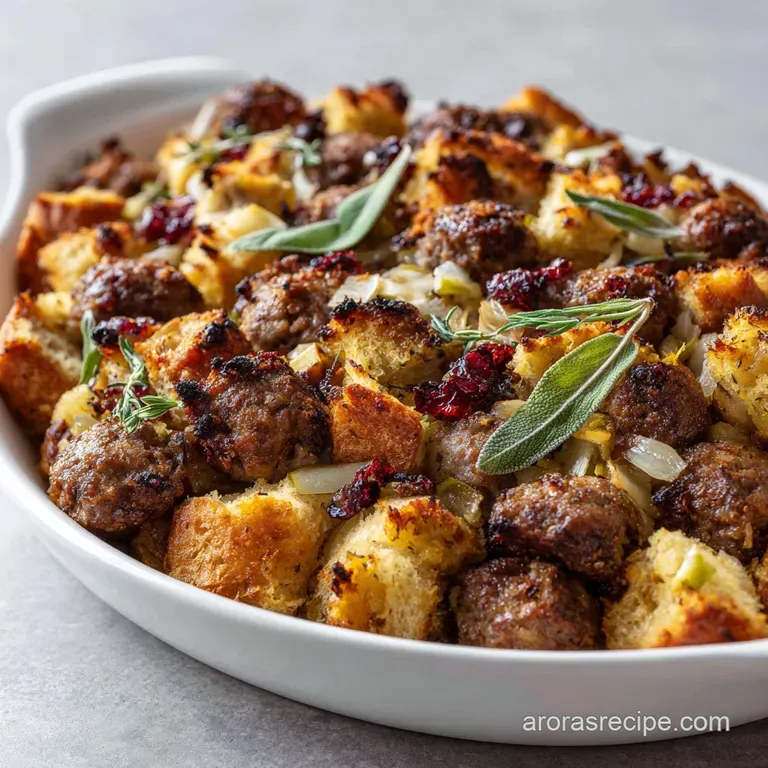
Start by getting that sausage deeply browned in your skillet, breaking it up into crumbles as you go. Crucial Tip: Drain off most of the excess fat, but save about two tablespoons!
That rendered sausage fat is pure liquid gold and needs to stay in the pan when you add the butter, giving the onions and celery an instant flavor boost. Sauté the onions and celery gently until completely tender, stirring in the fresh sage and thyme right at the end until they smell intoxicatingly nutty.
Combining the Wet and Dry Ingredients for Optimal Consistency
Get ready for the fun part! Gently transfer all the cooked aromatics and the sausage back into the enormous bowl with your dried bread cubes. Pour the lightly beaten eggs over the mix first; they act as a gentle binder.
Next, slowly add the warm chicken or turkey stock, one cup at a time, gently tossing everything together.
Chef's Note: Stop adding liquid the second the bread cubes look thoroughly moistened. They should be damp and pliable, not soaking wet, or you will end up with a watery mess. It’s better to slightly under liquidize than to overdo it!
Packing the Casserole Dish for Maximum Crispy Edge Surface Area
Lightly butter a 9x13 inch dish we want every edge to get that glorious golden crunch. Spoon the mixture into the dish, spreading it evenly. Do not press down firmly. A light hand ensures a lofty, airy interior that bakes up beautifully rather than turning into a dense brick.
The Crucial Final Rest Before Serving
Once the Baked Stuffing Recipes dish comes out of the oven, smelling ridiculously good, resist the urge to immediately attack it. Let it sit for 10 minutes.
This resting time allows the starches and liquids inside to redistribute and settle, resulting in a cleaner scoop and a superior overall texture.
Troubleshooting and Expert Tips for Stuffing Success
Preventing a Mushy Stuffing Interior (The Liquid Ratio Trick)
Mushiness is usually caused by two things: too much stock or bread that wasn’t dry enough. Always start with the minimum amount of stock called for (4 cups in this recipe) and only add the fifth cup if the mixture is still genuinely dry.
Remember the "Squeeze Test" from the recipe card: a few drops of liquid is perfect; a gush is a fail.
When is the Stuffing Properly Baked? (Temperature Checks)
While you’re looking for a deep golden brown crust, safety is key, especially when using sausage and eggs. The internal temperature must hit 165°F (74°C). Stick an instant read thermometer right into the center of the thanksgiving stuffing with sausage to ensure everything is fully cooked through.
Adjusting Seasoning Before Baking (The Taste Test)
You need to taste the mixture before it goes into the oven! While you can't taste the raw sausage mixture, you can season the sautéed vegetables and stock mixture heavily, knowing the dry bread will absorb and mute some of those flavors.
Make sure the savory base is punchy and a little aggressive on the salt.
make-ahead Strategies and Storing Leftover Stuffing
Safe Refrigeration Times for Raw Components
This is a phenomenal make-ahead dish. You can fully assemble the entire Thanksgiving Stuffing Casserole (up to the point of baking) and cover it tightly. Refrigerate it for up to 24 hours.
If baking from cold, add an extra 10– 15 minutes to the initial covered bake time.
The Best Way to Reheat Stuffing Without Drying It Out
To bring leftover stuffing back to life without turning it into dried out gravel, place the leftovers in a small, oven safe dish. Add a splash of stock (maybe 1 2 tablespoons) and cover tightly with foil. Reheat in a 350°F (175°C) oven for about 15– 20 minutes until piping hot.
The trapped steam rehydrates the bread perfectly.
Can You Freeze Unbaked Stuffing?
Absolutely! This is a great freezer meal. Assemble the mixture in a foil lined or freezer safe dish, cover tightly, and freeze for up to 3 months. Thaw it completely in the fridge for 24 hours before baking. Since this recipe is baked outside the bird, you can check out my other related recipe for a simpler version you can make any time, like this Copycat Boxed Stuffing Mix: The Proper Homemade Herb Recipe .
The Perfect Pairings: What to Serve Alongside Sausage and Apple Dressing
This bold, herbaceous dressing needs partners that can hold their own. Think rich sauces and bright, acidic sides.
- Gravy: A silky, homemade turkey gravy poured generously over this dressing is required by law (my law, anyway). The bread is designed to soak it all up.
- Cranberry Sauce: That sharp, tartness of a beautiful homemade cranberry relish cuts through the fat and richness of the sausage and butter perfectly.
- Other Holiday Sides: If you are a serious fan of sausage and bread like I am, consider making a whole centerpiece out of it! I’ve got a fantastic, slightly different take in my Thanksgiving Stuffing Recipe: The Crispy Sourdough Sausage Dressing that focuses on maximizing the crispy texture.
Recipe FAQs
Why is my stuffing dry and crumbly?
Dry stuffing is usually a result of insufficient liquid or over baking. Ensure you use the full amount of stock and melted butter specified in the recipe, aiming for the bread cubes to be moist but not saturated before baking.
If you notice it drying out during cooking, cover the dish tightly with foil to trap steam, and only remove the foil for the final 15 minutes to achieve that desirable crispy top crust.
Can I assemble the stuffing ahead of time?
Yes, prepping ahead is a great time saver for Thanksgiving. You can fully assemble the mixture, including adding the liquids, and store it tightly covered in the refrigerator for up to 24 hours.
When ready to bake, let the dish sit at room temperature for about 30 minutes before placing it in the oven to ensure even cooking throughout the centre.
I don't eat pork. What is a suitable substitute for the sausage?
You can easily substitute the breakfast sausage with ground turkey or chicken, ensuring you season it aggressively with salt, pepper, and perhaps a pinch of smoked paprika to replicate the savory depth of pork.
For a vegetarian version, sauté an equal weight of finely chopped cremini and shiitake mushrooms until deeply caramelized, which provides a rich, meaty texture.
My stuffing came out too soggy or mushy. What went wrong?
Soggy stuffing is typically caused by insufficiently dried bread cubes or too much liquid. The sourdough must be completely stale or thoroughly toasted before incorporating the wet ingredients, as fresh bread immediately absorbs and breaks down.
If the mixture looks too wet when assembling, hold back a quarter cup of the stock and only add it if the mixture seems too dry when pressed lightly.
Can I use a different type of bread besides sourdough?
While sourdough offers excellent structure and tanginess, you can use other hearty, robust breads such as challah, rustic Italian bread, or pain de campagne.
The key is to use a bread that can stand up to soaking without becoming paste like; avoid soft, pre-sliced sandwich breads entirely.
How do I store and reheat leftover stuffing?
Store cooled leftovers in an airtight container in the refrigerator for up to four days, or freeze them for up to three months.
To reheat, sprinkle a small amount of extra chicken stock over the top, cover with foil, and warm in a 350°F (175°C) oven until piping hot throughout, uncovering for the last few minutes to restore crispness.
Can I cook this stuffing inside the turkey instead of a separate dish?
While traditionally done, we highly recommend baking this stuffing outside the bird for both superior texture and food safety. Stuffing cooked inside the turkey must reach 165°F (74°C) to be safe, which often means the bird itself becomes overcooked and dry.
Baking it separately guarantees those desirable crispy edges and allows you to add extra moisture precisely without compromising the turkey.
Sausage Apple Thanksgiving Stuffing
Ingredients:
Instructions:
Nutrition Facts:
| Calories | 1044 kcal |
|---|---|
| Protein | 31.8 g |
| Fat | 40.0 g |
| Carbs | 127.5 g |
