Seared Foie Gras: Classic Preparation with Fig Balsamic Reduction
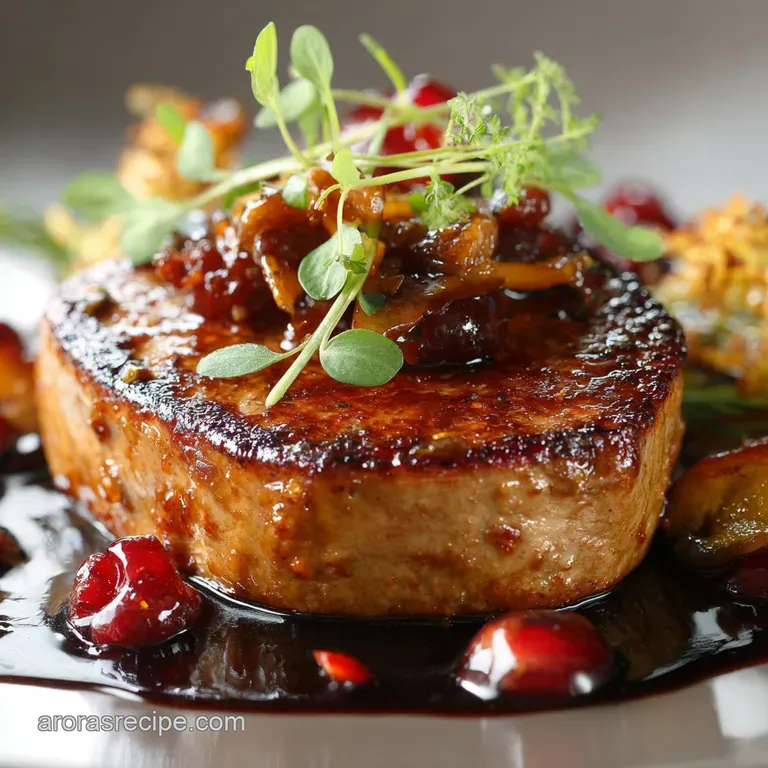
- Mastering the Art of Seared Foie Gras at Home
- The Science of the Perfect Sear: Fat, Heat, and Flavor
- Essential Components for Your Classic Pan-Seared Foie Gras
- Precision Cooking: The Step-by-Step Guide to Pan-Searing
- Troubleshooting and Chef’s Secrets for Perfect Seared Foie Gras
- Storing Rendered Fat and Handling Leftover Foie Gras
- Elegant Accompaniments and Wine Pairing Notes
- Recipe FAQs: Classic Pan-Seared Foie Gras
- 📝 Recipe Card
Mastering the Art of Seared Foie Gras at Home
That perfect crunch. That's the sound of a perfectly Seared Foie Gras steak hitting your palate, immediately followed by the rich, warm centre melting away. It smells luxurious, like a high end French restaurant exploded in your kitchen, but in a good way. You need this texture in your life, seriously.
Most people think this French gastronomy jewel is impossible at home, reserved for chefs with fancy degrees or those who shop only at specialty markets. Wrong! This Seared Foie Gras Appetizer is ridiculously fast we’re talking under 5 minutes of total cook time.
If you can handle extreme high heat and follow the chilling rule, this gourmet home cooking appetizer is actually a breeze and totally worth the small splurge.
I used to be terrified of the high heat required, worried I’d ruin an expensive ingredient and end up with a tragic, oily puddle. But the secret isn't some complex sauce; it’s all about the temperature and the speed of the sear.
Let's look at the simple science and the precise steps you need to master this ultimate classic pan-seared foie gras recipe.
The Science of the Perfect Sear: Fat, Heat, and Flavor
The Culinary Philosophy: Why Temperature is Everything
The entire success of pan-seared foie gras rests on creating an enormous temperature differential. The slab of foie gras needs to be freezer cold right before it hits a screaming hot dry pan.
This brutal, instant shock causes the exterior fat to caramelise almost instantly, forming a protective, crisp crust. This crust then insulates the centre, keeping it velvety and rich rather than allowing the entire piece to dissolve.
The Magic of Fig & Balsamic Reduction: A Study in Contrasts
Foie gras is incredibly rich; let's not pretend otherwise. To balance that richness and prevent palate fatigue, you absolutely need a sharp, sweet and sour counterpoint. Balsamic vinegar and figs are classical partners because the fig provides body and deep sweetness while the high acid in the vinegar cuts straight through the buttery fat.
Duck vs. Goose Liver: Choosing Your Foie Gras
When you’re buying foie gras, you'll usually find either duck (canard) or goose (oie). Duck foie gras is more common, easier to source, and generally has a slightly stronger, more rustic flavour profile. Goose foie gras is prized for being milder, incredibly delicate, and exceptionally buttery.
For your first attempt at this Foie Gras Recipe, duck liver is excellent, reliable, and more forgiving in the pan.
Achieving the Golden Crust (The Maillard Reaction)
We achieve that beautiful golden brown crust purely through the Maillard reaction, not through adding external fat. The high, dry heat of the pan instantly melts the surface fat, and that rapid exposure to heat causes the sugars and amino acids on the surface to brown intensely.
This is why the pan must be dry. Any added oil or moisture inhibits the reaction and increases the chance of the liver steaming instead of searing.
Rendering the Foie Gras Fat Properly
The fat is your enemy and your friend here. It’s what makes the liver melt, but it's also the source of the heat transfer. As the fat renders out, you must constantly tip the pan and drain it away fast!
Too much rendered fat in the pan lowers the cooking temperature dramatically, turning your sear into a miserable, slow, oily fry. Save that beautiful liquid gold; we’ll talk about what to do with it later.
Balancing Richness with Acidity
Our Fig and Balsamic Reduction does the heavy lifting here. When you pair the unctuous texture of the fat with the tartness of the reduction, you create harmony. This is why you often see seared foie gras paired with fruit, like apples or grapes.
It's not just tradition; it's culinary science ensuring every bite tastes fresh and satisfying, not just heavy.
Essential Components for Your Classic Pan-Seared Foie Gras
This recipe is built on four core ingredients. You need high-quality here, especially regarding the liver itself. If you can only afford one upgrade, make it the vinegar.
| Ingredient | Role | Substitution (If Needed) |
|---|---|---|
| Foie Gras Slices | Richness, texture | Sliced, scored, high-quality Magret Duck Breast (cook longer!) |
| Flaky Sea Salt | Texture, flavour | Fine sea salt, used sparingly |
| Balsamic Vinegar | Acidity, sweetness | PX Sherry vinegar or high-quality Pomegranate Molasses |
| Fig Jam/Preserves | Sweetness, body | Quince paste (membrillo) or high-quality apricot preserves |
Sourcing high-quality Foie Gras Steaks (A Grade vs. B Grade)
When buying, look for "Grade A." This indicates a beautifully pale, firm, uniform texture with few visible blemishes or veins. Grade B is totally fine for searing, especially if you plan on serving it with a bold reduction. Whatever you buy, make sure it is fully chilled before slicing.
Preparing the Fig and Balsamic Reduction Base
This is your easy insurance policy. Toss your balsamic vinegar, fig jam, and a splash of water or dry port into a small pan. Heat it gently until the jam melts and the sauce is syrupy enough to coat the back of a spoon lightly. Done. You want it slightly thick but still pourable.
Essential Seasoning: Flaky Salt and Fresh Pepper
I cannot stress this enough: Use flaky sea salt, like Maldon. The large crystals hit your tongue immediately, providing an essential textural crunch and salinity that contrasts with the softness of the liver. Season both sides immediately before searing; salting too early draws out moisture.
Can I Use a Different Acid than Balsamic Vinegar?
Absolutely. You need punchy acid and deep sweetness. If you want to try something different, a reduction of a sweet wine like Port or Madeira works incredibly well. You could also try a simple reduction of apple juice and high-quality cider vinegar for a brighter, more autumnal flavour profile.
Precision Cooking: The step-by-step Guide to Pan-Searing
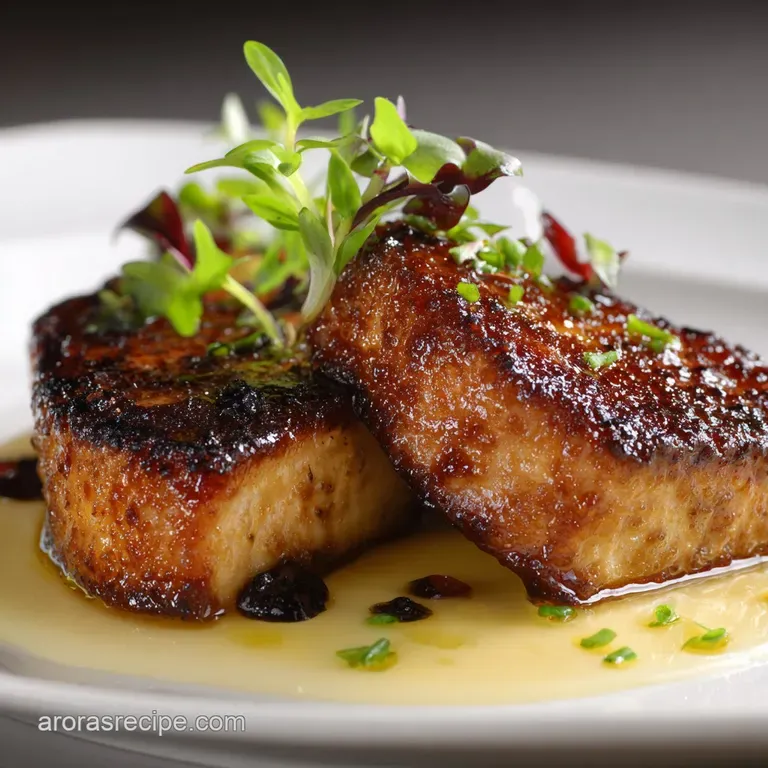
This part is fast, so read ahead! Set a timer, seriously. We are aiming for perfection in less than 90 seconds per slice. I use this quick sear technique for fast weeknight meals too, like when I make Lemon Herb PanSeared Flounder Fillets: Quick, Restaurant Quality Dinner .
Prepping and Chilling the Foie Gras Steaks
Slice the raw, chilled foie gras block into four even steaks, about 1 inch thick. I use a knife dipped in hot water and wiped dry to get super clean cuts. Now, here is the non-negotiable step: place these slices in the freezer for 30 minutes .
They must be freezer cold to the touch before searing.
Achieving Maximum Pan Heat (The Dry Pan Method)
Use a heavy bottomed pan, like cast iron. Put it on the highest heat setting and walk away for 5 minutes. We need the pan to be screaming hot. You know it’s ready when you see the very first wisps of smoke rising from the surface that’s your cue.
Do not add oil; this is a dry sear .
The 60 Second Flip: Timing the Sear
Remove the foie gras from the freezer and season instantly. Place the slices in the hot, dry pan. They should sizzle violently. Sear for 30 to 45 seconds, watching for a deep, golden crust. Using tongs, quickly turn the slice.
As the fat begins pooling, immediately tilt the pan and pour off the excess rendered fat into a cup. Sear the second side for another 30 45 seconds, draining the fat again.
Chef’s Note: Never press down on the foie gras, and do not crowd the pan. If you have more than two slices, sear them in batches. Crowding lowers the pan temperature immediately, guaranteeing a melted mess.
Deglazing and Finishing the Fig & Balsamic Reduction
Once the foie gras is on the rack resting, you can quickly reheat your balsamic reduction. You can, optionally, add a tiny splash of dry wine (like Sauternes or Port) to the pan where the foie gras cooked and scrape up any caramelized bits.
Pour this liquid into your reduction for extra depth, then serve immediately over the hot, rested foie gras.
Troubleshooting and Chef’s Secrets for Perfect Seared Foie Gras
Why Is My Foie Gras Melting? (Preventing Excessive Rendering)
If your foie gras dissolves into a tragic puddle, one of two things happened:
- It wasn't cold enough: The interior was too warm, and the fat melted before the exterior could crust up. (Fix: Freeze it longer next time.)
- The pan wasn't hot enough: Low heat equals slow cooking, which gives the fat too much time to render out. (Fix: Wait for the smoke next time.)
How to Handle and Season Delicate Foie Gras
Foie gras is delicate when warm, but it’s actually quite firm when cold. Handle the chilled slices minimally, using your tongs once they are in the pan. Seasoning happens just before searing; if you salt too early, the salt acts like a sponge and draws out precious moisture, which will ruin the sear.
Maximizing Flavor: Utilizing the Rendered Fat
Seriously, do not throw that gorgeous, liquid gold fat away! Rendered foie gras fat (also known as schmaltz ) is incredible. Strain it through cheesecloth and store it in the fridge. Use it to fry potatoes, scramble eggs, or spread on toast. It adds unbelievable richness to everything it touches.
Fixing a Reduction Sauce That is Too Thin
If your Fig and Balsamic Reduction is too watery, you need more heat and time. Return it to a gentle simmer and reduce it until it coats the back of a spoon. If you’re in a real rush, dissolve 1/4 teaspoon of cornstarch in 1 teaspoon of cold water and whisk it into the warm sauce; this will thicken it instantly.
Storing Rendered Fat and Handling Leftover Foie Gras
Short Term Storage of Cooked Foie Gras
If you absolutely must store leftover cooked foie gras (and I highly recommend eating it all immediately), wrap it tightly and refrigerate it. It will keep for 2 days. The texture will not be the same when cold; the fat will solidify, and the crust will soften.
Freezing and Reheating (Spoiler Alert: Don't)
Do not freeze seared foie gras. Just don't. Freezing will destroy the delicate cell structure, resulting in a rubbery texture when thawed. As for reheating, while technically possible (a quick zap in a 350°F oven for 1 minute), the crust will be lost.
It's truly a dish meant to be eaten immediately off the wire rack.
Elegant Accompaniments and Wine Pairing Notes
This classic pan-seared foie gras is intensely luxurious and calls for simple, sophisticated pairings. Think about providing crunch and acidity.
- Foundation: Toast small slices of brioche or pain d'épices (gingerbread) in some of the rendered foie gras fat. The slightly sweet bread is perfect.
- Crunch & Acidity: Serve alongside a small, sharp counterpoint like a few toasted pecans or hazelnuts, or a tiny spoonful of quickly sautéed green apples.
- Wine Pairing: The ultimate pairing for this French Gastronomy Recipe is a glass of chilled, honey sweet Sauternes or Monbazillac the sweetness balances the richness beautifully. Alternatively, a crisp, high acid Champagne works wonders, providing necessary cleansing bubbles.

Recipe FAQs: Classic Pan-Seared Foie Gras
Why did my foie gras melt away completely during searing?
This common issue, known as "rendering out," occurs if the pan is not hot enough, or if the liver slices were not sufficiently chilled beforehand. The goal is to cook the exterior rapidly, usually under 90 seconds per side, before the interior fat structure collapses.
Should I salt the foie gras before or after searing?
Salt should be applied immediately before it hits the hot pan, or preferably, immediately after plating. Salting too far in advance can draw moisture from the liver, which inhibits proper browning and crisp crust formation.
My crust isn't crispy. How do I achieve that perfect golden brown exterior?
Ensure you are using a dry, screaming hot skillet (cast iron or stainless steel is ideal) and do not overcrowd the pan. Sear only one or two slices at a time to maintain high heat, allowing moisture to evaporate instantly and create the desirable crispness.
What should I do with the rendered fat left in the pan?
The rendered duck or goose fat is incredibly valuable and flavorful; do not discard it. Carefully pour it through a fine mesh sieve into a clean container and store it in the refrigerator. It is excellent for cooking potatoes, searing vegetables, or making rich savory sauces.
How should I properly store raw foie gras, and can I freeze it?
Raw foie gras should be tightly wrapped and kept in the coldest part of your refrigerator for no more than 48 hours. It freezes exceptionally well; vacuum seal the slices and defrost them slowly overnight in the refrigerator before preparing.
I don't like figs. What is an appropriate substitute for the Fig & Balsamic Reduction?
Since foie gras is very rich, you need an acidic or sweet counterpoint. Excellent alternatives include tart cherry compote, a quince paste (pâte de coing), or simply a drizzle of high-quality aged honey and sea salt flakes.
What wine pairing is traditionally recommended for seared foie gras?
The classic and most luxurious pairing is a sweet, botrytized wine such as Sauternes, whose honeyed acidity beautifully cuts through the richness of the liver. If you prefer dry wines, a high acid Champagne or a crisp Gewürztraminer also provides a wonderful balance.
Seared Foie Gras With Fig Reduction
Ingredients:
Instructions:
Nutrition Facts:
| Calories | 328 kcal |
|---|---|
| Protein | 6.3 g |
| Fat | 30.2 g |
| Carbs | 8.9 g |
