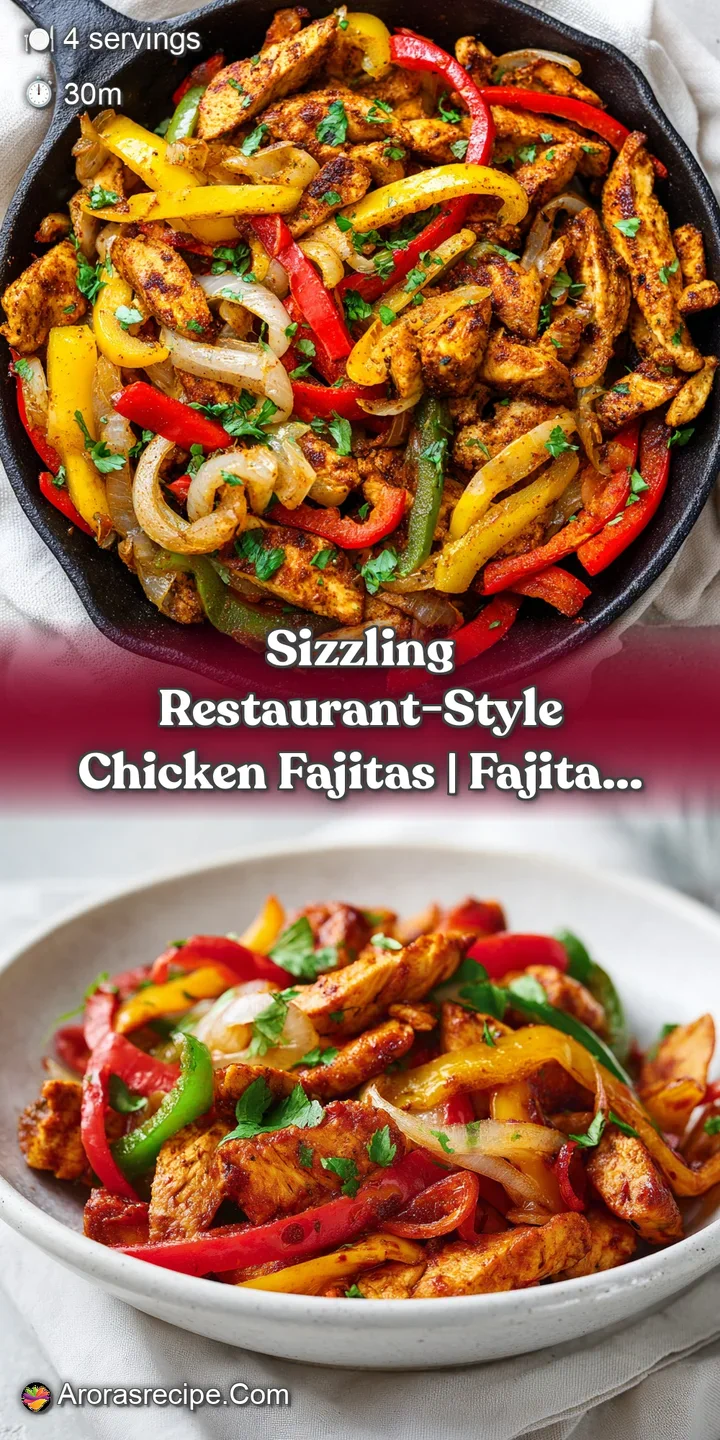
Sizzling Restaurant-Style Chicken Fajitas
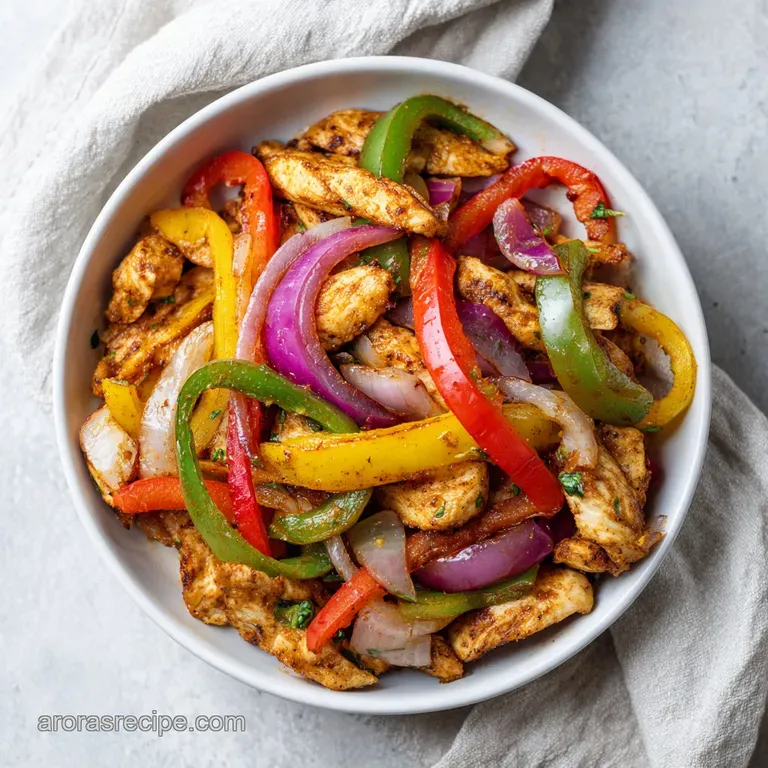
- Time: Active 15 minutes, Passive 10 minutes, Total 25 minutes
- Flavor/Texture Hook: Zesty, charred, and tender
- Perfect for: High energy weeknight dinners or casual weekend hangouts
- Mastering the Zesty Kick of My Chicken Fajitas Recipe
- Quick Specs for the Perfect Sizzle
- Analyzing the Elements of Flavor
- Essentials for a Successful Sear
- Preparing the Elements for Your Chicken Fajitas Recipe
- Step by Step to the Ultimate Sizzle
- Troubleshooting the Common Fajita Flops
- Adjusting for a Crowd or a Solo Meal
- Debunking the Fajita Myths
- Storage Guidelines and Zero Waste
- Soulful Presentation and Final Touches
- Recipe FAQs
- 📝 Recipe Card
Mastering the Zesty Kick of My Chicken Fajitas Recipe
The second that fresh lime juice hits the hot cast iron, you get this sharp, citrusy steam that clears your sinuses and tells everyone in the house that dinner is going to be legit. I remember the first time I realized that the "magic" of great fajitas isn't just the heat; it’s the acid.
I used to use bottled lime juice because it was easier, but the flavor was flat, almost metallic. Once I switched to squeezing fresh limes right over the bowl, the whole dish transformed.
It’s that hit of Vitamin C and citric acid that cuts through the earthy cumin and smoky paprika, making every bite feel bright and soulful.
We aren't just making a meal here; we’re building layers of flavor that feel like a party on a Tuesday. The fresh lime juice is the hero because it does double duty. While it’s providing that signature tang, it’s also working behind the scenes to break down the muscle fibers in the chicken breast.
Most people think chicken breast is destined to be dry, but that’s only if you treat it like an afterthought. With this method, we’re essentially "pre cooking" the texture with acid so it stays juicy even when we blast it with high heat to get that beautiful, dark sear.
Trust me, when you see those edges of the bell peppers start to blister and turn black, and the aroma of toasted garlic and chili powder fills your kitchen, you’ll understand why this is a staple in my house. It’s fast, it’s bold, and it doesn't apologize for being loud.
We’re going for high octane flavor that makes those store-bought seasoning packets look like a joke. Let’s get into why this actually works so you can nail it every single time.
Quick Specs for the Perfect Sizzle
This dish is all about timing and heat management. If you try to cook this on a lukewarm pan, you’ll end up with steamed, grey chicken and nobody wants that. We need to be intentional with our temperature and our prep.
Acidic Pre Softening: The combination of lime juice and apple cider vinegar creates a low pH environment that begins to unravel the protein strands. This is why 15 minutes is the sweet spot; any longer and the chicken can turn mushy, but any less and you miss that tenderizing window.
The Batch Searing Rule: Overcrowding is the enemy of the char. When you dump all the chicken in at once, the temperature of the pan drops, and the moisture from the meat pools at the bottom. By working in batches, we ensure the "sizzle" stays aggressive, creating a crust that locks in the juices.
Residual Heat Finish: We cook the vegetables until they are "crisp tender." This means they still have a bite but are charred on the outside. When we add the chicken back in at the end, the residual heat from the skillet marries the flavors together without overcooking the meat.
| Feature | Fast Method (This Recipe) | Traditional Slow Marinated | Result Difference |
|---|---|---|---|
| Marinating Time | 15 minutes | 4 to 12 hours | Fast is brighter; Slow is deeper |
| Heat Source | over High heat Stovetop | Charcoal Grill | Stovetop is more consistent for char |
| Texture | Snappy & Juicy | Ultra soft | Stovetop keeps the "bite" in the veg |
The difference between a "good" fajita and a "soulful" one is the contrast. You want the snap of the onion against the tenderness of the chicken. If everything is the same soft texture, it gets boring after three bites. We want a variety of sensations in every tortilla wrap.
Analyzing the Elements of Flavor
To get that deep, complex taste without spending all day in the kitchen, we have to understand what each ingredient is bringing to the party. It isn't just a list; it’s a team.
| Ingredient | Science Role | Pro Secret |
|---|---|---|
| Lime Juice | Acidic Denaturant | Use room temp limes for 20% more juice yield |
| Cumin | Earthy Anchor | Bloom it in the oil to release essential oils |
| Avocado Oil | over High heat Vehicle | Its high smoke point prevents a burnt oil taste |
| Smoked Paprika | Flavor Depth | Provides that "outdoor grill" taste without a grill |
I always tell people that the apple cider vinegar is the secret weapon here. While lime juice brings the fruitiness, the vinegar brings a sharp, clean tang that lingers. It’s like a backup singer that makes the lead vocalist sound ten times better.
Together, they create a marinade that penetrates deep into the meat in a very short amount of time.
If you find yourself out of a specific spice, don't panic. Cooking should be fluid. However, if you skip the garlic or the cumin, you’re losing the soul of the dish. Those are the foundation stones.
Essentials for a Successful Sear
You don't need a kitchen full of gadgets, but you do need the right heavy hitters. If you're using a thin, non stick pan, you're going to struggle to get the char we're looking for.
- Cast Iron Skillet: A 12 inch Lodge or similar heavy skillet is the gold standard. It holds heat like a champion, which is vital when you add cold meat to the pan.
- Sharp Chef’s Knife: Since we’re slicing chicken and peppers into thin strips, a sharp blade ensures clean cuts, which leads to even cooking.
- Large Mixing Bowl: Plenty of room to toss that chicken without splashing marinade everywhere.
- Tongs: These are your best friend for flipping individual strips of chicken and tossing the vegetables without bruising them.
If you don't have cast iron, a heavy stainless steel pan will work, but you'll need to be more diligent with your oil to prevent sticking. Avoid air fryers for the main cook if you want that authentic "skillet sizzle," though they are great for reheating. For another crunchy chicken experience that uses different techniques, you might love my Honey Chipotle Chicken Crispers, which focus on a totally different kind of texture.
Preparing the Elements for Your Chicken Fajitas Recipe
Here is everything you need. Note the specific measurements they matter for the balance of salt, acid, and heat.
- 1.5 lbs chicken breast: Sliced into thin 1/2 inch strips. Why this? Strips maximize surface area for both marinade and char.
- 3 tbsp extra virgin olive oil: Use for the marinade. Why this? Carries the fat soluble spice flavors into the meat.
- 3 tbsp lime juice: Freshly squeezed. Why this? Essential for tenderizing and that signature bright flavor.
- 1 tbsp apple cider vinegar: Why this? Adds a complex tang that complements the lime.
- 2 cloves garlic: Minced fine. Why this? Provides the aromatic base that ties the spices together.
- 1 tbsp chili powder: Why this? The primary driver of that "Tex Mex" flavor profile.
- 1 tsp cumin: Why this? Adds the earthy, smoky aroma that defines fajitas.
- 1 tsp smoked paprika: Why this? Mimics the flavor of wood fired cooking.
- 1/2 tsp onion powder: Why this? Distributes onion flavor evenly across every strip of meat.
- 1/2 tsp dried oregano: Why this? Adds a subtle herbal note to balance the heavy spices.
- 1/2 tsp sea salt: Why this? Enhances all other flavors and helps with moisture retention.
- 1/4 tsp red pepper flakes: Why this? Just enough "back of-the throat" heat.
- 1 large white onion: Sliced into wedges. Why this? White onions hold their shape better under high heat than yellow.
- 3 bell peppers: Mixed colors, sliced into strips. Why this? Variety provides different sugar levels and visual appeal.
- 1 tbsp avocado oil: For the skillet. Why this? Won't smoke out your kitchen at high temperatures.
- 8 small corn tortillas: Why this? Authentic flavor and naturally gluten-free.
- Toppings: 1 avocado (sliced), 0.25 cup fresh cilantro, 0.25 cup Greek yogurt.
| Original Ingredient | Substitute | Why It Works |
|---|---|---|
| Chicken Breast | Chicken Thighs | More fat, harder to overcook. Note: Needs 2 mins extra cook time. |
| Lime Juice | Lemon Juice | Similar acidity but lacks the specific floral notes of lime. |
| Greek Yogurt | Sour Cream | Same creamy texture and tang. Note: Sour cream is slightly richer. |
| White Onion | Red Onion | Adds a beautiful purple hue and a slightly sweeter finish. |
If you're feeling adventurous with your spice cabinet, you can always play with the heat levels. Some people love adding a bit of chipotle powder for a deeper, earthier spice, similar to the flavor profile I use in some of my layered spice recipes.
step-by-step to the Ultimate Sizzle
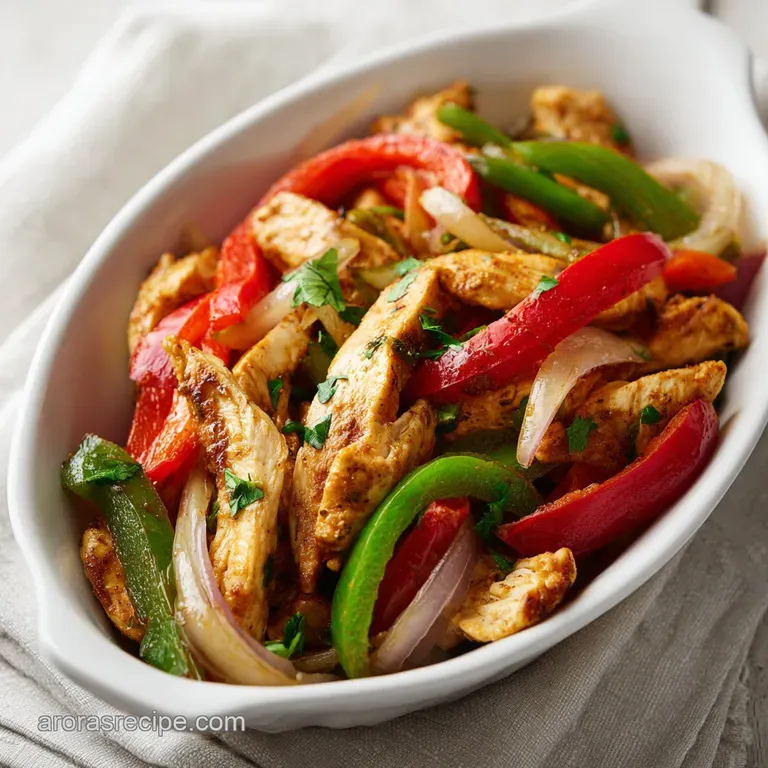
Follow these steps closely. The timing is designed to keep the chicken succulent and the vegetables vibrant.
- Whisk the marinade. In a large mixing bowl, combine the 3 tbsp olive oil, 3 tbsp lime juice, 1 tbsp apple cider vinegar, minced garlic, and all the spices (chili powder, cumin, paprika, onion powder, oregano, salt, and red pepper flakes).
- Coat the chicken. Toss the 1.5 lbs of sliced chicken strips into the bowl. Massage the marinade into the meat with your hands or tongs until every piece is covered.
- The waiting game. Let the chicken sit at room temperature for 15 minutes. Note: This allows for acidic denaturation to begin, making the meat tender.
- Heat the iron. Place your cast iron skillet over high heat for at least 3 minutes. You want it screaming hot flick a drop of water on it; it should dance and vanish instantly.
- Oil up. Add the 1 tbsp avocado oil to the pan. It should shimmer and swirl immediately.
- Sear the chicken. Add half the chicken to the pan. Cook for 3-4 minutes until the edges are charred and the meat is opaque. Do not stir too much; let the crust form!
- Batch two. Remove the first batch of chicken, set it aside on a plate, and repeat with the remaining meat.
- Flash fry the veg. In the same skillet (don't clean it!), toss in the onions and bell peppers. Cook for 4-5 minutes until they are blistered and slightly softened but still have a crunch.
- The reunion. Return all the chicken and its juices back into the skillet. Toss everything together for 1 minute to marry the flavors.
- Serve hot. Warm your tortillas in a separate pan or over a gas flame until they smell toasted. Pile on the chicken, veg, avocado, cilantro, and a dollop of Greek yogurt.
Chef's Note: If the pan starts to look too dry during the vegetable phase, add a tiny splash of water or a squeeze of lime. The steam will help scrape up all those flavorful brown bits (the fond) from the bottom of the skillet and coat the veggies.
Troubleshooting the Common Fajita Flops
Even with the best intentions, things can go sideways in a hot kitchen. Here is how to handle the most common issues that might arise when making this chicken fajitas recipe.
Why Your Veggies Are Soggy
If your peppers and onions look more like a stew than a stir fry, it’s usually a heat issue. If the pan isn't hot enough, the vegetables release their moisture and sit in it, steaming themselves instead of searing.
Another culprit is overcrowding if the veggies are piled three inches deep, the steam can't escape.
| Problem | Root Cause | Solution |
|---|---|---|
| Tough Chicken | Marinated too long or overcooked | Limit marinade to 15 mins; pull chicken at 165°F. |
| Bland Flavor | Didn't salt the marinade enough | Add a pinch of salt to the finished dish before serving. |
| Burnt Garlic | Pan was too hot before oil | Add oil, then immediately add meat to buffer the heat. |
Why the Chicken is Grey
Grey chicken is the result of "boiling" in its own juices. This happens when you don't use enough heat or you crowd the pan. To fix this mid cook, remove some meat from the pan, turn the heat to the absolute max, and let the remaining meat sit undisturbed for 60 seconds to develop some color.
Common Mistakes Checklist
- ✓ Pat the chicken strips dry before putting them in the marinade if they seem excessively wet from the package.
- ✓ Ensure the skillet is preheated for a full 3 to 5 minutes patience is key here.
- ✓ Don't skip the apple cider vinegar; that secondary acid layer is what makes this soulful.
- ✓ Use a high smoke point oil like avocado or grapeseed; olive oil for the pan can get bitter if it smokes.
- ✓ Slice your vegetables to a uniform thickness so they all finish cooking at the same time.
Adjusting for a Crowd or a Solo Meal
Scaling this recipe is fairly straightforward, but there are some physical constraints to keep in mind regarding pan space and seasoning balance.
Scaling Down (1-2 People): If you’re cutting the recipe in half, you can usually cook everything in one batch. Use a smaller skillet if possible to prevent the marinade from burning on the empty surface area of a large pan.
Scaling Up (8-10 People): When doubling the recipe, do not double the salt and red pepper flakes immediately. Start with 1.5x the amount and taste. You will definitely need to work in 3 or 4 batches for the chicken. If you have two skillets, get them both going at once to save time.
For the tortillas, if you're serving a big group, wrap them in foil and put them in a 200°F oven to keep them warm while you finish the last batches of meat. Nobody likes a cold tortilla.
Debunking the Fajita Myths
There is a lot of misinformation out there about how to get that "authentic" restaurant vibe. Let's clear the air.
The Sizzling Platter Myth: Restaurants use those heavy cast iron platters that come out screaming and smoking. Many people think they are cooking the food on that platter. In reality, the food is cooked in the kitchen and then dumped onto a pre heated, oiled platter for theatrical effect.
You don't need the "show" to have the flavor.
The "Sealing in Juices" Fallacy: Searing the chicken doesn't actually create a waterproof seal that keeps juices inside. What it does do is create a crust through browning that adds massive amounts of flavor.
The juiciness comes from the marinade and not overcooking the meat, not from the "seal."
The low-fat Marinade Idea: Some people try to skip the oil in the marinade to save calories. Don't do it. Many of the flavor compounds in chili powder and cumin are fat soluble. Without the oil, those flavors stay "locked" in the spice and never actually move into the meat.
Storage Guidelines and Zero Waste
If you find yourself with leftovers, you're in luck. Fajita meat and veg actually hold up quite well if treated with respect.
Storage: Keep the chicken and vegetables in an airtight container in the fridge for up to 3 days. When reheating, I highly recommend using a skillet over medium high heat rather than a microwave. The microwave tends to make the chicken rubbery and the peppers mushy.
Freezing: You can freeze the cooked mixture for up to 2 months. However, the peppers will lose their "snap" once thawed. It’s better to freeze the raw chicken in the marinade (for up to 1 month) and then cook it fresh when you're ready.
- Veggie Scraps
- Save the tops and tails of your bell peppers and the onion skins for a homemade vegetable stock.
- Leftover Tortillas
- If they get a bit stale, cut them into triangles and fry them for 2 minutes in a little oil to make the best homemade corn chips you've ever had.
- Remaining Cilantro
- If you have a bunch of cilantro left over, blend it with some oil and lime to make a quick "fajita pesto" that you can use on eggs the next morning.
Soulful Presentation and Final Touches
We eat with our eyes first, especially with a dish as colorful as this. I love to serve this family style right out of the cast iron skillet. It keeps the food hot and looks rustic and inviting.
The Tortilla Steam Trick
To get your tortillas soft and pliable like they do in the best taco trucks, take a clean kitchen towel, dampen it slightly, and wrap your warm tortillas in it. Let them sit for 2 minutes. The trapped steam makes them incredibly soft and prevents them from cracking when you roll your fajita.
Color Contrast
When you're plating, think about the rainbow. If you have red, yellow, and green peppers, don't just mix them into a brown mess. Try to keep them vibrant. A big dollop of that bright white Greek yogurt and a shower of fresh green cilantro against the charred meat makes the dish pop.
It's that bold, soulful look that makes people reach for seconds before they've even finished their first wrap.
Finish the dish with one last squeeze of fresh lime right before it hits the table. That "raw" acid hit at the end wakes up all the cooked spices and makes the whole kitchen smell like a summer festival. Enjoy the sizzle!
Recipe FAQs
What's the secret to good fajitas?
The secret is searing at a high temperature. Using a screaming hot cast iron skillet creates a rapid char on the chicken and vegetables while keeping the interior juicy and preventing a soggy texture.
What do you put in chicken fajitas?
Use a base of sliced chicken breast, bell peppers, and white onion. The flavor profile comes from a marinade of olive oil, lime juice, apple cider vinegar, garlic, chili powder, cumin, smoked paprika, onion powder, oregano, sea salt, and red pepper flakes.
What is the secret ingredient in fajitas?
The apple cider vinegar provides the necessary acidity. If you enjoyed mastering this acidic marinade technique, see how we balance similar rich flavor profiles in our velvety Gruyère sauce.
Are fajitas ok for diabetics?
Yes, this recipe is a suitable option. It focuses on lean protein and fresh vegetables, allowing you to control carbohydrate intake by limiting the number of corn tortillas served.
How to prevent the chicken from becoming rubbery?
Sear the chicken in small batches to avoid crowding the pan. Crowding lowers the surface temperature too quickly, which leads to steaming rather than browning and ruins the texture.
How to achieve the perfect charred vegetable texture?
Cook the onions and peppers for exactly 4-5 minutes over high heat. Stir only occasionally during this window to allow the vegetables to develop deep, charred edges while maintaining a crisp tender bite.
How to store leftover fajita filling?
Keep the mixture in an airtight container in the refrigerator for up to 3 days. When ready to eat again, reheat using a skillet over medium high heat to restore the texture better than a microwave would.
Sizzling Restaurant Style Chicken Fajitas
Ingredients:
Instructions:
Nutrition Facts:
| Calories | 518 calories |
|---|---|
| Protein | 44g |
| Fat | 21g |
| Carbs | 39g |
| Fiber | 9g |
| Sugar | 6g |
| Sodium | 640mg |
