Best Spicy Korean Bbq Steak with Mahogany Char
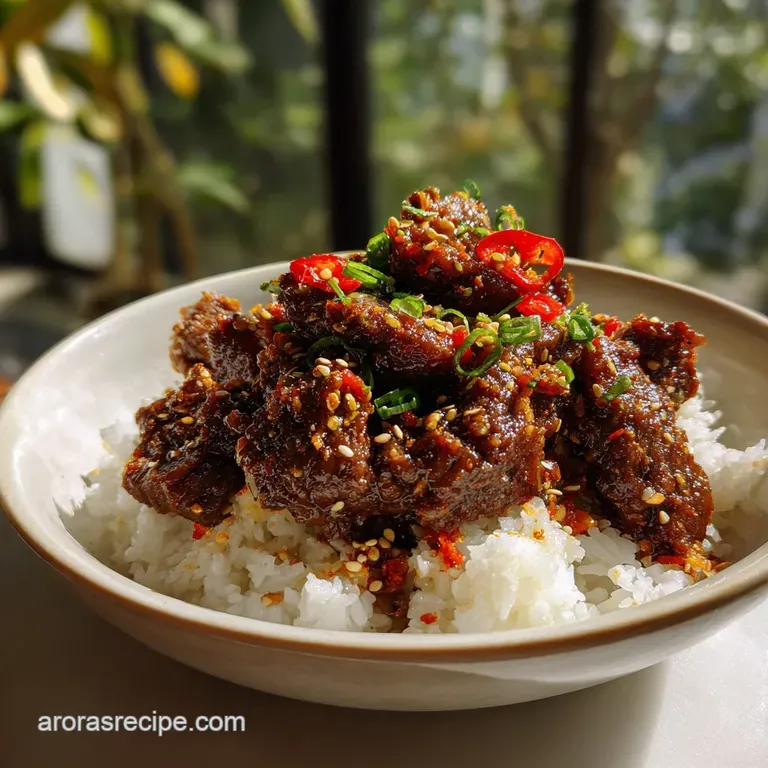
- Effort/Time: 30 minutes total (Active prep + flash sear).
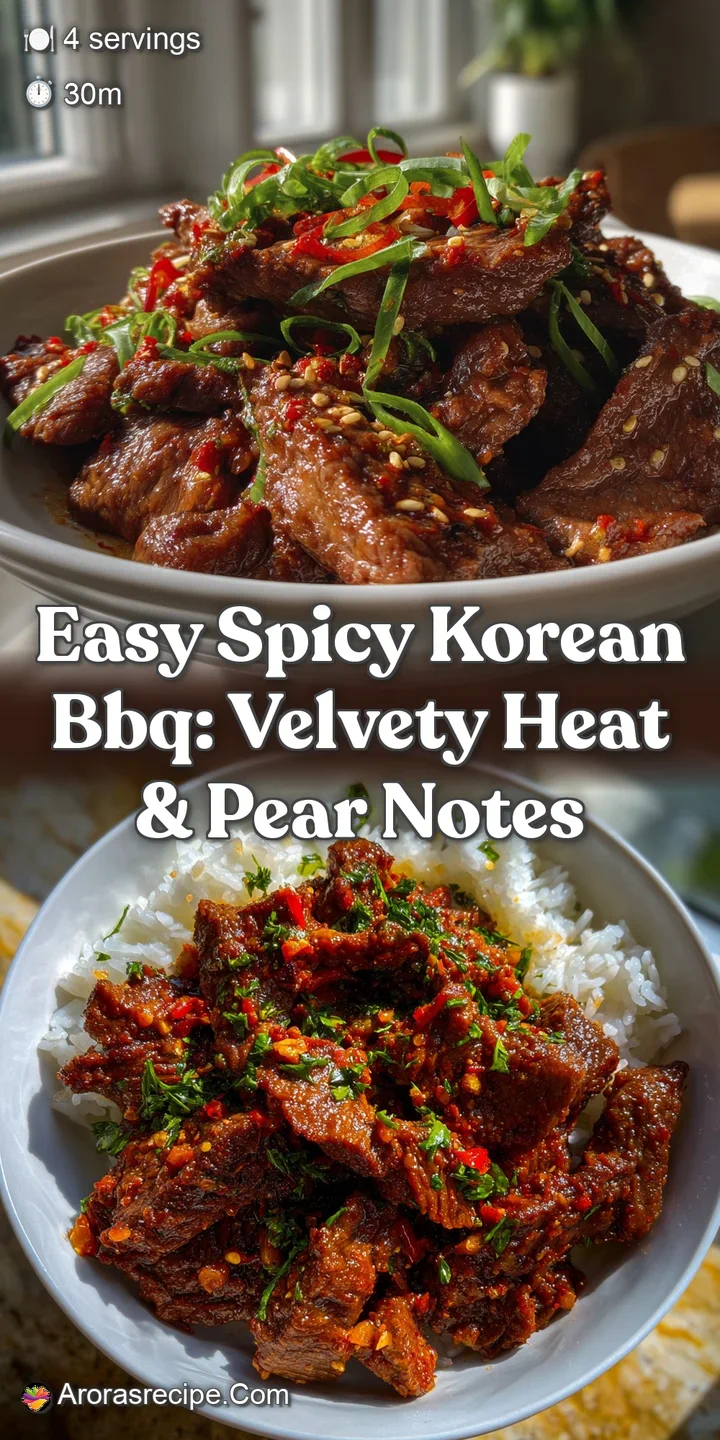
- Flavor Hook: A velvety, fermented heat balanced by the floral sweetness of Asian pear that defines great Spicy Korean BBQ.
- Perfect for: Stress-free weeknight dinners or a crowd-pleasing Friday night "fake-away" featuring spectacular Spicy Korean BBQ.
- Master the Ultimate Spicy Korean BBQ with This Hearty Homestyle Guide
- The Culinary Physics Behind This Sweet and Spicy Char
- Precision Prep for a Quick Weeknight Spicy Korean BBQ Dinner
- The Alchemy of Umami: Selecting Your Elements for Success
- Minimal Tools for Maximum Sizzle in the Kitchen
- The 30 Minute Assembly Protocol for over High heat Perfection
- Why Your Meat Turns Out Gray Instead of Seared
- Flavor Architecture and Simple Swaps for Any Pantry
- ⚗️ The Scaling Lab: The Physics of Quantity
- Common Myths about Korean BBQ
- Cold Chain Management and Reheating Your Hearty Leftovers
- Pairing Your Hearty Meal with Simple Midwestern Sides
- Recipe FAQs
- 📝 Recipe Card
Master the Ultimate Spicy Korean BBQ with This Hearty Homestyle Guide
There is nothing more heartbreaking than spending $40 on a beautiful cut of ribeye only to have it turn out gray, rubbery, and swimming in a watery puddle. I’ve been there standing over a lukewarm skillet, watching my expensive dinner steam instead of sear because I didn't understand the physics of pan crowding.
It felt like a total waste of hard earned money and a blow to my confidence as a cook.
I once tried to rush this process by throwing room temperature, thick cut steak into a crowd sourced marinade that lacked an acid or enzyme. The result was a chewy disaster that even my dog looked at with suspicion.
It took ruining three batches of Spicy Korean BBQ to realize that the secret isn't a fancy grill; it's the chemistry of the slice and the biological power of a specific fruit enzyme that elevates this Spicy Korean BBQ dish.
The magic happens through proteolytic tenderization and the Maillard reaction. By using Asian pear to break down tough muscle fibers and a cast iron surface to create a concentrated crust, you achieve a shattering exterior and a velvety interior.
You don't need a PhD in chemistry to make a hearty meal, but a little bit of science ensures that every bite of your Spicy Korean BBQ delivers that signature smoky sweet punch without the "gray meat" blues.
Achieving this level of flavor in 30 minutes is why this specific Spicy Korean BBQ recipe is a staple.
The Culinary Physics Behind This Sweet and Spicy Char
- Enzymatic Breakdown: Asian pear contains calpain, a proteolytic enzyme that severs the peptide bonds in meat proteins, making even cheaper cuts feel like butter for superior Spicy Korean BBQ.
- Maillard Reaction: The combination of brown sugar and amino acids in the beef, when hit with high heat, creates hundreds of new flavor compounds and a mahogany crust on your Spicy Korean BBQ.
- Hygroscopic Sugars: Honey or brown sugar attracts moisture to the surface initially, then quickly dehydrates under heat to form a sticky, lacquered glaze that clings to the fibers of the Spicy Korean BBQ.
- Fermentation Depth: Gochujang provides a stable base of glutamates (umami), which amplifies the beef's natural savoriness far beyond standard salt and pepper, essential for authentic Spicy Korean BBQ.
Precision Prep for a Quick Weeknight Spicy Korean BBQ Dinner
| Metric | Checkpoint | Why It Matters |
|---|---|---|
| Meat Temp | 30 minutes in freezer | Partially frozen meat allows for 1/8 inch "paper thin" slices. |
| Pan Surface | 400°F (205°C) | Prevents the meat from "stewing" in its own juices; ensures instant sear for the Spicy Korean BBQ. |
| Marinade Time | 20 minutes | Essential for the pear enzymes to begin protein denaturation without turning meat to mush. |
Fast vs. Classic Comparison
| Feature | Fast Method (This Recipe) | Classic Method |
|---|---|---|
| Heat Source | over High heat Lodge Cast Iron Skillet | Traditional charcoal brazier |
| Prep Time | 20 minutes | 4 6 hours (over marinating) |
| Texture | Snappy edges, tender core the ideal Spicy Korean BBQ texture | Deeply infused, but often softer texture |
The Alchemy of Umami: Selecting Your Elements for Success
- 1.5 lbs Ribeye or Top Sirloin: Why this? High intermuscular fat ensures the meat remains succulent during over high heat searing.
- 4 tbsp Gochujang (Korean red chili paste): Why this? Fermented base provides both the heat and the "glue" for the sauce.
- 1/2 cup grated Asian pear: Why this? Contains calpain enzymes to tenderize tough beef fibers naturally.
- 2 tbsp toasted sesame oil: Why this? High smoke point with intense nutty aromatics that define the dish's profile.
- 3 tbsp brown sugar or honey: Provides the glucose necessary for rapid caramelization and balance against the salty soy.
- 4 cloves garlic, finely minced: Essential aromatics that mellow into sweetness when exposed to the oil.
- 3 tbsp soy sauce: The primary sodium source and liquid base for the marinade.
- 2 tbsp Gochugaru (Korean red chili flakes): Adds a smokier, textural heat that Gochujang alone lacks.
- 1 tsp fresh ginger, grated: Provides a sharp, bright counterpoint to the heavy fats.
- 1 tbsp rice wine or Mirin: The acidity balances the sugars and helps deglaze the pan.
- 1 tbsp vegetable oil: Necessary for the initial over high heat contact to prevent sticking.
- 3 stalks green onions, sliced diagonally: For fresh, pungent finish.
- 1 tbsp toasted sesame seeds: Adds a subtle crunch and visual appeal.
Ingredient Chemistry Breakdown
| Ingredient | Chemical/Physical Role (Science) | The Pro Secret (Why This Matters) |
|---|---|---|
| Asian Pear | Proteolytic enzyme (Calpain) | Breaks down collagen; makes sirloin taste like expensive tenderloin. |
| Gochujang | Fermented Umami/Capsaicin | Capasicin increases blood flow to taste buds, enhancing flavor perception in this Spicy Korean BBQ. |
| Brown Sugar | Carbonization/Caramelization | Lowers the temperature at which the meat "browns," creating a thick glaze. |
Minimal Tools for Maximum Sizzle in the Kitchen
You don't need a specialized grill for an incredible Spicy Korean BBQ. I swear by my Lodge Cast Iron Skillet because its thermal mass is unmatched. Once that heavy iron gets hot, it stays hot, even when you drop cold meat onto it.
If you use a thin aluminum pan, the temperature will plummet, and you'll end up boiling your beef instead of charring it. A professional grill can't replicate the unique sear profile of this indoor Spicy Korean BBQ.
A simple Microplane Zester is your best friend here for the ginger and garlic. It turns them into a paste that emulsifies perfectly into the oil, ensuring you don't get a bitter, burnt hunk of garlic in your teeth. This is all about homestyle efficiency one bowl for the marinade, one heavy pan for the fire. If you’re looking for a side that matches this intensity, my Spicy Asian Cucumber recipe provides the perfect cooling crunch.
The 30 Minute Assembly Protocol for over High heat Perfection
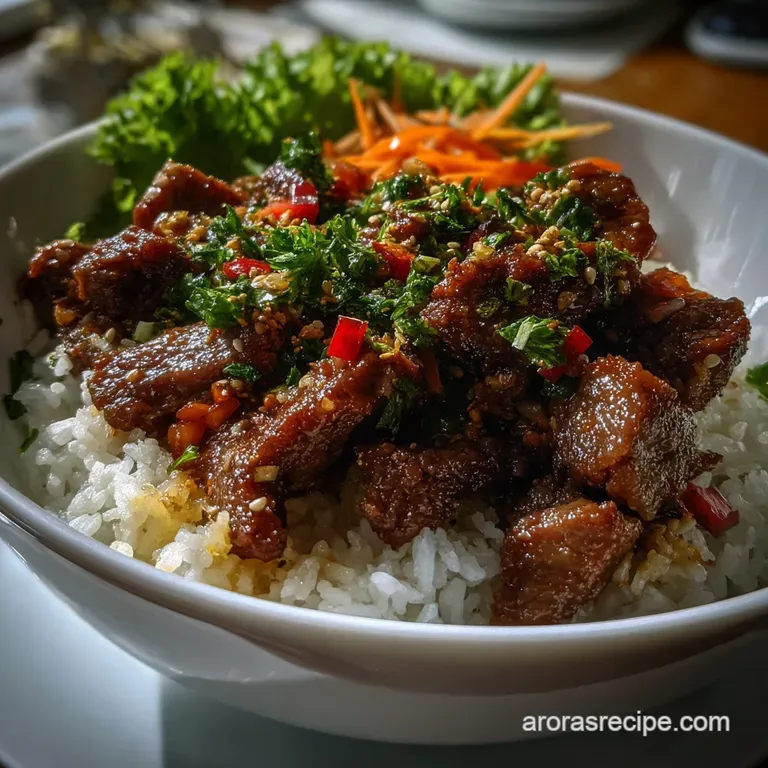
- Freeze the 1.5 lbs Ribeye for 30 minutes until firm to the touch but not solid. Note: This stiffens the fat and muscle for precise slicing.
- Slice the beef against the grain into 1/8 inch strips. Note: Cutting against the grain shortens protein fibers for maximum tenderness.
- Whisk the 4 tbsp Gochujang, 3 tbsp soy sauce, 2 tbsp toasted sesame oil, 3 tbsp brown sugar, 1/2 cup grated Asian pear, garlic, ginger, 2 tbsp Gochugaru, and 1 tbsp rice wine in a large bowl. Note: Creating a stable emulsion ensures even coating for your Spicy Korean BBQ marinade.
- Incorporate the beef into the marinade, massaging with your hands for 1 minute until every surface is glossy and opaque.
- Rest the mixture for 20 minutes at room temperature. Note: Allows calpain enzymes in the pear to begin breaking down protein bonds.
- Preheat the Lodge Cast Iron Skillet with 1 tbsp vegetable oil over medium high heat until a faint wisp of blue smoke appears.
- Lay the beef in a single layer, avoiding any overlapping. Note: Maintaining surface area prevents "steaming" and promotes the Maillard reaction.
- Sear for 2 minutes without moving until the bottom edges turn mahogany brown and smell nutty.
- Flip the strips and cook for an additional 1 2 minutes until the sauce thickens into a bubbling, sticky lacquer.
- Garnish with sliced green onions, sesame seeds, and optional red chilies until the aroma shifts from spicy to fresh and toasted.
Chef's Tip: If you don't have an Asian pear, use a grated Fuji apple. It contains similar enzymes and the same high sugar content for that signature Spicy Korean BBQ glaze.
Why Your Meat Turns Out Gray Instead of Seared
When beef turns gray, it's usually a result of thermal mass failure. If you put too much cold meat into the pan at once, the temperature drops below 300°F (150°C). At this point, the moisture inside the meat leaks out and turns to steam. You are essentially boiling your steak. To fix this, you must work in batches. If you are making a larger meal, consider trying this Gochujang Tofu The recipe alongside it to vary textures without crowding the pan. Achieving perfect sear is crucial for premium Spicy Korean BBQ.
Troubleshooting the Char
| Problem | Root Cause | The Fix | Pro Protocol |
|---|---|---|---|
| Gray/Watery Meat | Overcrowding the pan | Cook in small batches | Leave 1 inch of space between pieces. |
| Bitter/Burnt Taste | Sugar burning before meat | Lower heat slightly or add meat later | Use honey; it has a slightly higher burn point than brown sugar. |
| Tough/Chewy Beef | Sliced with the grain | Slice against the grain | Look for the "lines" in the meat and cut perpendicular to them. |
Decision Shortcut
- If you want it extra crispy: Add 1 tsp of cornstarch to the marinade to absorb excess moisture.
- If you want it milder: Reduce the Gochugaru to 1 tsp but keep the Gochujang for the fermented base.
- If you want it "smoky": Use a blowtorch on the finished meat for 30 seconds to mimic charcoal.
Flavor Architecture and Simple Swaps for Any Pantry
| Original Ingredient | Substitute | Why It Works |
|---|---|---|
| Asian Pear | Fuji Apple or Bosc Pear | Similar enzyme profile (calpain) for tenderizing. |
| Ribeye | Pork Butt (thinly sliced) | High fat content; changes flavor to "Jeyuk Bokkeum" style. |
| Gochugaru | Red Pepper Flakes (crushed) | Provides heat, but lacks the specific smokiness use 50% less volume. |
gluten-free Adjustment
To make this Spicy Korean BBQ gluten-free, substitute the soy sauce for Tamari and ensure your Gochujang is labeled GF. Many commercial Gochujang brands use barley malt, which contains gluten. Tamari provides a richer, less salty umami that actually complements the beef beautifully.
⚗️ The Scaling Lab: The Physics of Quantity
- 1. The Evaporation Paradox
- If you double the liquid marinade, it won't reduce as fast in the same skillet. Reduce the soy sauce by 15% when doubling to prevent a "soupy" BBQ.
- 2. Thermal Mass
- Doubling the meat in one pan will drop the temperature instantly. You must cook in three or four batches, or use two separate cast iron skillets simultaneously for your Spicy Korean BBQ.
- 3. Spice Saturation
- Capsaicin is non-linear. Start with 1.5x the Gochugaru for a double batch, then taste. You can always add more, but you can't subtract the fire.
Common Myths about Korean BBQ
Myth: You must marinate the meat overnight for the best flavor. Truth: Over marinating with Asian pear can turn the meat into mush due to excessive enzymatic breakdown.
20 40 minutes is the "sweet spot" for 1/8 inch slices, ensuring great texture for your Spicy Korean BBQ.
Myth: You need a specialized "Bulgogi Pan" to get the right flavor. Truth: A heavy cast iron skillet actually provides better heat retention for home stoves, leading to a superior sear compared to thin, specialized pans.
Cold Chain Management and Reheating Your Hearty Leftovers
Storage: Store leftovers in an airtight glass container in the fridge for up to 3 days. The fat in ribeye can oxidize quickly, so ensure the lid is tight to prevent that "fridge smell" from penetrating the meat.
Freezing: You can freeze the sliced meat in the marinade for up to 3 months. This is a Midwestern meal prep classic. The freezing process actually helps the marinade penetrate the cells. Thaw completely in the fridge before searing.
Reheating: Avoid the microwave; it will turn your tender beef into rubber bands. Reheat in a dry skillet over medium high heat for 2 minutes to re-crisp the edges.
💡 ZERO WASTE PHILOSOPHY: Don't discard the green onion roots or ginger skins. Transform: Simmer them with a bit of soy sauce and water to create a quick "scallion oil" or aromatic base for soups.
Science: The skins contain concentrated essential oils that provide deep flavor without the fibrous texture of the root.
Pairing Your Hearty Meal with Simple Midwestern Sides
This Spicy Korean BBQ is best served in the "Ssam" style. Grab some sturdy butter lettuce or romaine leaves, a scoop of white rice, and a dollop of extra Gochujang. The cool lettuce provides a thermal and textural contrast to the sizzling, lacquered beef.
If you're feeling adventurous, this beef makes an incredible base for a hearty fusion bowl. Toss it over a bed of quinoa with some roasted corn and black beans for a Midwestern meets-Korean powerhouse lunch. The bold, fermented heat of the Korean BBQ Marinade Spicy profile is strong enough to stand up to heavy starches, making it a stress free win for feeding a hungry family. For another spicy kick to round out your menu, consider my Crazy Feta recipe as a surprising but addictive appetizer.
Recipe FAQs
What is the critical tenderizing agent in the marinade?
Asian pear contains calpain enzymes that actively sever protein bonds. This proteolytic action breaks down collagen and muscle fibers efficiently, mimicking long term aging processes.
- Use grated, not juiced, pear
- Maximum rest time is 40 minutes
- Avoid over mixing once added
Can I substitute Gochujang with plain chili powder?
No, Gochujang provides essential umami via fermentation. Chili powder only supplies capsaicin heat without the deep, complex glutamates necessary for authentic depth.
What pan temperature ensures proper Maillard reaction crust?
Aim for 400°F (205°C) before adding the marinated beef. If the pan temperature is too low, surface moisture will boil instead of evaporating rapidly, inhibiting the necessary browning.
Why is slicing the meat paper thin so important?
Thin slices allow rapid heat transfer and even enzyme exposure. This ensures the entire strip cooks quickly to a tender state before the surface sugars burn excessively.
Is an overnight marinade better for maximum flavor penetration?
Myth: You must marinate the meat overnight for the best flavor. Over marinating with Asian pear can turn the meat into mush due to excessive enzymatic breakdown. 20 40 minutes is the "sweet spot" for 1/8 inch slices, ensuring great texture for your Spicy Korean BBQ.
Should I use brown sugar or honey for the glaze?
Brown sugar achieves faster, more intense caramelization due to its molasses content. Honey has a higher water content, which slightly prolongs the initial moisture release phase before the lacquer forms.
What happens if I crowd the cast iron skillet during searing?
Thermal mass failure causes the meat to steam rather than sear. When too much cold mass is added, the pan temperature drops below the boiling point of water, leaching out meat juices and preventing crust formation.
- Cook in single layers only
- Ensure 1 inch of space between strips
- Preheat skillet until it just begins to smoke
Spicy Korean Bbq Steak Master
Ingredients:
Instructions:
Nutrition Facts:
| Calories | 648 calories |
|---|---|
| Protein | 39g |
| Fat | 44g |
| Carbs | 21g |
| Fiber | 2.2g |
| Sugar | 15g |
| Sodium | 1240mg |
