Steamed Mussels in White Wine and Garlic Butter Classic Moules Marinières
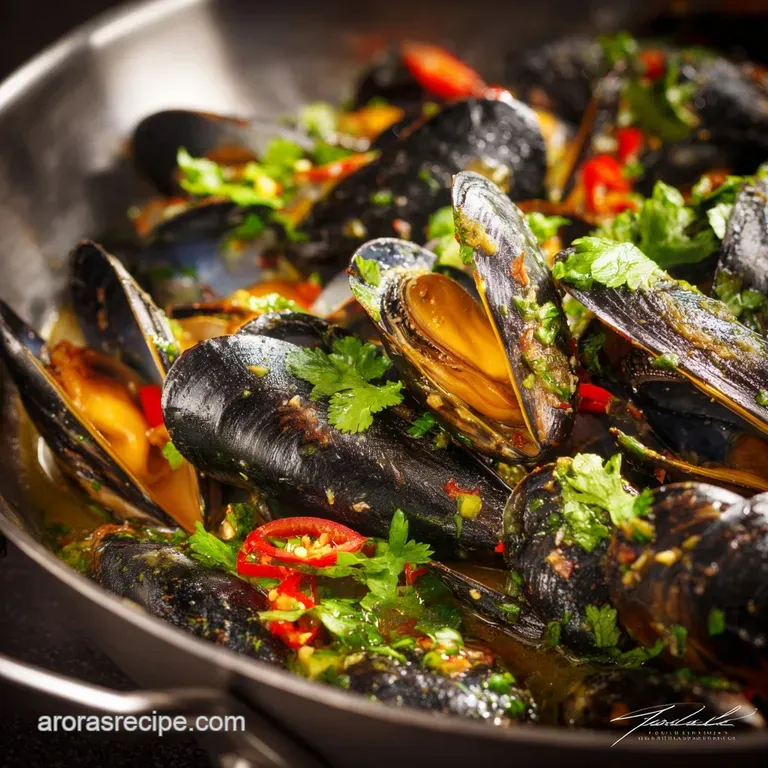
- Why Moules Marinières is the Ultimate 30 Minute Gourmet Meal
- Mastering Steamed Mussels: The Essential Guide to a Classic Dish
- Gathering Your Catch: Essential Components for the Perfect Broth
- Handling and Prepping Mussels: What You Need Before You Cook
- Step and by-Step Steaming: Building Flavor for Our Signature Broth
- Elevating Your Plate: Serving Suggestions and Pairing Recommendations
- Troubleshooting and Variations: Expanding Beyond the Classic Recipe
- Recipe FAQs
- 📝 Recipe Card
Why Moules Marinières is the Ultimate 30 Minute Gourmet Meal
Look, I am a huge believer in maximum flavor for minimum effort. And if you're like me, you probably want to feel incredibly fancy without actually spending three hours stirring a sauce. Enter: Steamed Mussels. Specifically, Moules Marinières .
This is the fastest, most impressive dinner you can possibly make. Seriously. We’re talking under 10 minutes of actual cook time. It takes longer to find your keys than it does to steam these little beauties. And what do you get for that minimal effort?
A bowl piled high with plump, glistening mussels bathed in a rich, garlicky, buttery white wine broth that you will desperately want to drink straight from the bowl. (Don’t worry, we all do.)
It’s perfect for a weeknight when you’re craving seafood but can’t be bothered with complicated frying. Plus, the look on people’s faces when you plonk a huge pot of steaming seafood in front of them? Priceless. Stop thinking mussels are only for restaurants. They’re absolutely not.
Mastering Steamed Mussels: The Essential Guide to a Classic Dish
The beauty of this classic steamed mussels recipe lies in its elegant simplicity. We are making a steamer , not a soup. That’s the key difference. We want just enough liquid to create a powerful aromatic cloud that permeates the shells and cooks the meat rapidly.
From the Coast to Your Kitchen: A Brief History of the Mariner's Dish
Moules Marinières literally translates to "Mariner’s Mussels." This dish has been a staple along the French and Belgian coasts for centuries. It was the original fisherman’s fast food.
Think about it: you’ve got these incredibly cheap, plentiful shellfish, a bit of whatever dry wine you had on the boat, and some aromatics like onion and parsley. They needed a way to cook the catch quickly and efficiently. Necessity is the mother of invention, right?
It’s a humble dish, really, but the way that simple broth marries with the salinity of the fresh mussels elevates it into pure gold.
The Secret Ingredient: What Makes the Buttery Broth So Addictive?
The broth is everything. It's not just white wine and garlic; it’s the emulsion . We start by sautéing the shallots and garlic in butter, which forms the aromatic foundation. Then comes the wine, which deglazes and adds acidity.
But the real magic happens at the very end when you swirl in a final tablespoon of cold, unsalted butter off the heat.
This final knob of butter doesn't just melt; it binds with the liquid (the wine, the shallot juices, and the precious liquid released by the mussels). It makes the broth glossy, slightly thickened, and incredibly rich. It transforms the liquid from a wine sauce into a silky, craveable garlic butter sauce.
Comparing Cooking Methods: Steaming vs. Boiling for Tender Results
This is a hill I will die on: Do not boil your mussels.
| Method | Outcome | Notes |
|---|---|---|
| Boiling (Too much liquid) | Tough, rubbery meat | Shellfish releases natural juices, which, when overboiled, toughen the meat and dilute the flavor base too much. |
| Steaming (Just enough liquid) | Tender, plump, silky meat | The quick, high heat of the steam cooks them gently while the concentrated broth infuses the flavor. This is what we want. |
We are using just one cup of wine (plus maybe a splash of stock) for 2 lbs of mussels. That small amount is plenty. It’s the steam created by that hot liquid, trapped by the tight lid, that does the work.
Gathering Your Catch: Essential Components for the Perfect Broth
Selecting the Finest Fresh Mussels: Quality Checks and Sourcing Tips
First, always look for mussels that smell like the ocean clean, salty, refreshing. If they smell fishy, run. If you buy them from the seafood counter, they should be stored properly on ice.
When you get them home, they need to be alive. That's non and negotiable.
Crucial Note: If a mussel is open, give it a firm tap on the counter. If it remains gapping open after 30 seconds, it's dead, and you must discard it. Cooking a dead mussel can make you seriously ill. Trust your nose and trust the tap test.
Choosing the Right White Wine: Dryness and Acidity Matters
Please, do not buy one of those sad, little bottles of "cooking wine" that have been sitting on a dusty shelf since 2004. The wine concentrates as it cooks, so whatever flavor is in that glass is going to dominate your steamed mussels.
You need a dry, crisp white wine. Sauvignon Blanc or Pinot Grigio are my go and tos. They offer the necessary acidity to cut through the richness of the butter and shallots. You should genuinely enjoy drinking it, because you’ll probably have a glass while you cook (and definitely while you eat).
The Role of Aromatics: Shallots, Garlic, and Fresh Herbs
Skip the regular yellow onion for this one. Shallots are sweeter, more delicate, and they break down beautifully into the sauce. If you absolutely have to use onion, use half the amount, finely minced.
Garlic is a requirement, obviously. Three cloves, but don't be shy if you love it.
And for the love of all that is holy, use fresh parsley. That dry, dusty stuff you bought in 2018? No. We need bright, green, vibrant flavor to lift the entire dish at the end.
Necessary Kitchen Tools for Safe and Quick Steaming
You only need one star tool here: The Pot .
You need a large, heavy and bottomed pot (like a Dutch oven) that can handle high heat and, most importantly, has a ridiculously tight and fitting lid. If the lid is loose, all the steam escapes, and your mussels will cook unevenly or dry out.
Make sure the pot is wide enough that the mussels aren't stacked more than two deep, or they won’t steam properly.
Related Recipes Worth Trying
- New Zealand Mussels Recipe Creamy CoconutLime Broth in 25 Minutes — New Zealand Mussels shine in this luxurious quick recipe inspired by Asian Cooking Steamed in a rich punchy coconut and lime broth this dish is easy and...
Handling and Prepping Mussels: What You Need Before You Cook
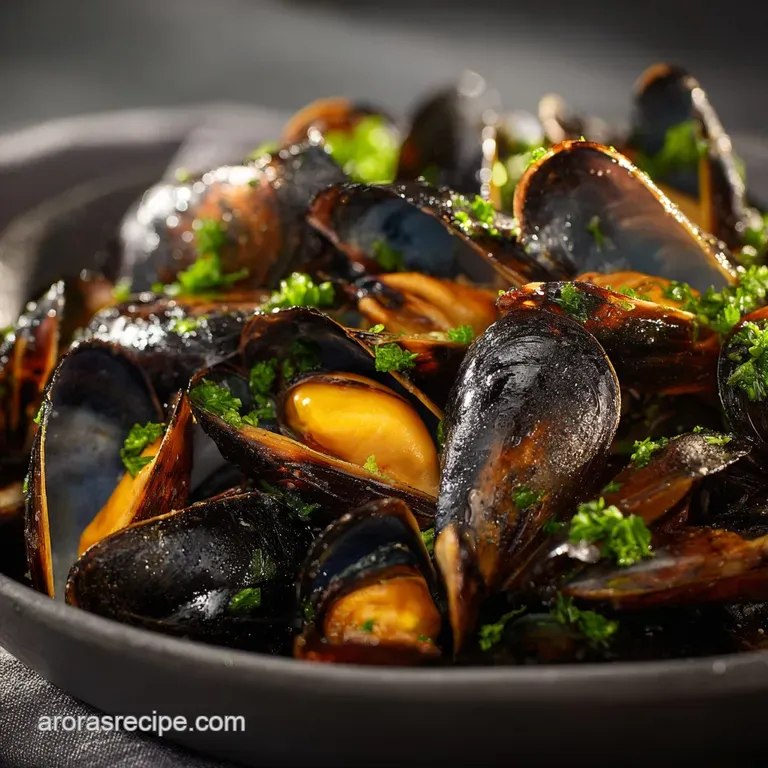
This is the boring part, but it’s essential. Get a big colander and put your mussels in the sink under cold running water. Give them a good scrub. You want to remove any sand, barnacles, or grit.
The tricky bit is the "beard." The beard is the stringy, hairy bit that the mussel uses to anchor itself. If you leave it, it's unpleasant (like chewing on fishing line).
To de and beard: Hold the mussel firmly. Grab the beard and pull it sharply toward the hinge of the shell (the back, rounded part). It should come right out. If you pull towards the opening, the mussel might clamp down harder. Do this just before you plan to cook them, not hours ahead of time.
Step and by-Step Steaming: Building Flavor for Our Signature Broth
Purging and De and Bearding: Cleaning Your Mussels for the Pot
As covered above, clean them, de and beard them, and perform the essential tap test. Keep them chilled until you’re ready to cook. If you see any cracked or broken shells, toss those too. We only use perfect specimens.
Sautéing the Foundation: Melting Butter and Infusing Aromatics
We start with medium heat. Melt that first tablespoon of butter and add your minced shallots. Cook them gently until they are translucent and sweet, maybe three to five minutes. We want flavor development, not browning.
Then, toss in the garlic. Stir constantly for about 60 seconds. Don't let it turn brown. Burnt garlic will ruin the whole dish, trust me.
The Grand Steam: When to Add the Wine and Cover the Pot
Okay, heat the pan slightly. Pour in the cup of dry white wine. It should sizzle immediately. Turn the heat up to medium and high and let that liquid boil rapidly for about two minutes. This step, known as reduction or deglazing, burns off the harsh alcohol taste and concentrates the wine flavor.
Next, tip the mussels directly into the hot liquid. Season immediately with salt and pepper. Clamp that lid on tightly .
Turn the heat to high. Now we wait.
How to Tell When Steamed Mussels Are Perfectly Ready (Doneness Test)
Set your timer for 5 to 7 minutes. About halfway through (around 3 minutes), grab the pot and give it a good, vigorous shake. Don't remove the lid! The shake helps redistribute the mussels so that the ones on top get exposure to the hot steam and broth.
When the timer goes off, lift the lid. If they are mostly opened, they are done. They cook incredibly fast. Once they open, they are cooked. Remove the pot from the heat immediately.
Stir in the remaining tablespoon of cold butter and most of your chopped parsley until everything is glossy. Now, a final, crucial step: use tongs or a slotted spoon to fish out and discard any mussel that stayed stubbornly closed.
Elevating Your Plate: Serving Suggestions and Pairing Recommendations
Honestly, this dish requires only one thing: something to mop up that golden broth.
We usually serve ours with a big side of crusty, freshly sliced baguette. Tear off huge chunks and dunk them deep into the sauce. Don’t be polite about it.
My favourite way, however, is the classic French and Belgian way: Moules Frites . Crispy, hot, homemade fries served right alongside the mussels. Dip the fries in the broth, too. It’s magnificent.
For pairing, pour yourself a glass of the same chilled Sauvignon Blanc you cooked with. It is acidic enough to cut through the richness of the butter and complements the salinity of the seafood perfectly.
Troubleshooting and Variations: Expanding Beyond the Classic Recipe
Flavor Twists: How to Make Spicy Tomato Steamed Mussels
The standard recipe is brilliant, but sometimes you want a little more zing.
-
Spicy Tomato & Sausage:
This is a fantastic Mediterranean take.
- Sauté 1/2 cup diced chorizo (or Italian sausage) with the shallots.
- Add 1/2 cup crushed canned tomatoes and a pinch of red pepper flakes after the wine step.
- Proceed with steaming. Finish with a squeeze of fresh lemon and some oregano instead of parsley.
- Creamy Blue Cheese: Stir in 2 Tbsp of crumbled blue cheese (Gorgonzola is great) with the final knob of butter for a pungent, decadent twist.
- Thai Green Curry: Use coconut milk instead of wine (or a mix). Add 1 Tbsp green curry paste, some lemongrass, and a few slices of ginger to the sautéing stage. Finish with lime and cilantro.
What to Do With Mussels That Won't Open (Safety Checks)
If they don't open after cooking, throw them away. Full stop.
If you cooked them for 7 minutes and 5 10 percent remain closed, give them one more minute under the lid. But if they still refuse to open, those mussels were likely dead before they hit the pot, or they were filled with mud and the muscle simply locked up too tightly.
Don’t force them open. It's not worth the risk.
Safety Warning: Do not attempt to pry open or eat mussels that remain closed after steaming. While it occasionally happens that a perfectly good mussel stays closed, the risk of consuming a bad one is too high. Discard them immediately to ensure food safety.
Dealing with Leftovers: Storage and Reheating Safely
Here's the truth: mussels are best eaten immediately. Like, within 20 minutes of coming off the heat. They don’t hold well, and the texture suffers massively when you try to reheat them.
If you absolutely must save them (maybe just the broth, honestly), remove the meat from the shells, place the cooked meat in an airtight container, and cover it completely with the leftover broth. Store in the fridge for no more than one day.
To reheat, gently warm the meat and broth in a saucepan (do not boil) and serve over pasta. Never microwave.
Nutritional Breakdown: Calories, Protein, and Sustainable Seafood Facts
Mussels are fantastic for you. They’re a real superfood hiding in plain sight. They’re high in protein (a huge amount, actually) and rich in B12 and zinc. Because they are bivalves (filter feeders), they are also one of the most sustainable seafood choices you can make.
They clean the ocean as they grow, and they reproduce like crazy. So, eat guilt and free. You’re doing the planet a favour while treating yourself to the best 30 minute meal ever.
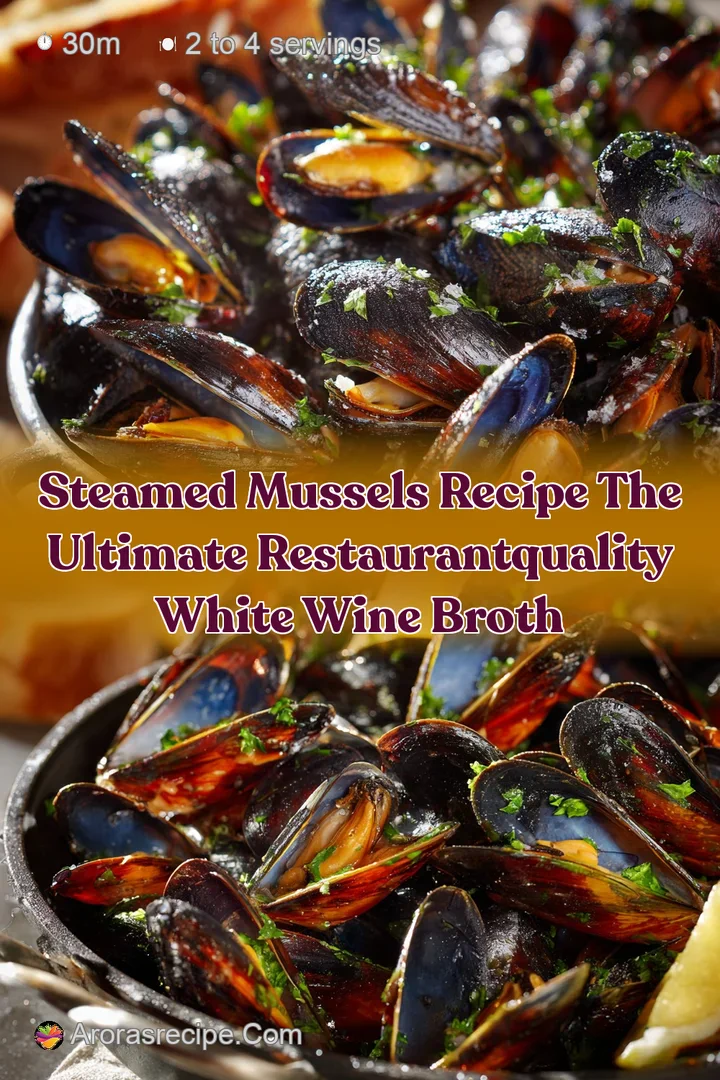
Recipe FAQs
How do I prepare and clean mussels properly? I'm worried about getting a dodgy batch!
Always scrub them, pull off the hairy "beard" (byssus thread), and perform the crucial "tap test." If an open mussel doesn't close after a firm tap, it’s spoiled and must be binned immediately safety first, old chap.
Why are some of my Steamed Mussels still closed after cooking?
Mussels fail to open for two main reasons: they either didn't receive enough heat (often due to overcrowding the pot) or they were dead before cooking. Always discard any mussels that remain stubbornly closed after steaming, as they are unsafe to eat.
I don't fancy wine, or I don't have any left. What is a good substitute for the white wine?
If you’re looking to skip the wine, a dry, crisp lager or beer (like a Pilsner) works brilliantly as a substitute, or you can use a high-quality vegetable stock with a squeeze of fresh lemon for the necessary acidity.
I’ve nailed the Classic Moules Marinières. How can I vary the flavour for a bit of a switch-up?
You can easily change the profile; try swapping the shallots for chorizo and adding smoked paprika for a Spanish flavour, or introduce coconut milk and red curry paste for a fragrant Thai twist.
I've got a fair bit left over. Is it safe to reheat and eat cooked mussels the next day?
It is generally safe to reheat cooked mussels, provided they are cooled quickly and stored correctly, but you must only reheat them once and make sure they are piping hot throughout before serving. Alternatively, shell the leftovers and toss them cold into a seafood salad.
Steamed Mussels In White Wine Sauce
Ingredients:
Instructions:
Nutrition Facts:
| Calories | 400 kcal |
|---|---|
| Fat | 18 g |
| Fiber | 1 g |
