Sweet Potato Casserole with Marshmallows: Velvety, Spiced Foolproof
- The Ultimate Sweet Potato Casserole with Marshmallows: Holiday Classic Reimagined
- The Science of Velvety Texture: Why This Recipe Works
- Essential Ingredients and Smart Substitutions for the Perfect Sweet Potato Bake
- Step-by-Step Guide to Baking Your Golden Sweet Potato Casserole
- Chef’s Troubleshooting: Avoiding Common Sweet Potato Casserole Mistakes
- Make Ahead and Storage Guide for Sweet Potato Casserole with Marshmallows
- Festive Pairings and Creative Serving Suggestions
- Recipe FAQs
- 📝 Recipe Card
The Ultimate Sweet Potato Casserole with Marshmallows: Holiday Classic Reimagined
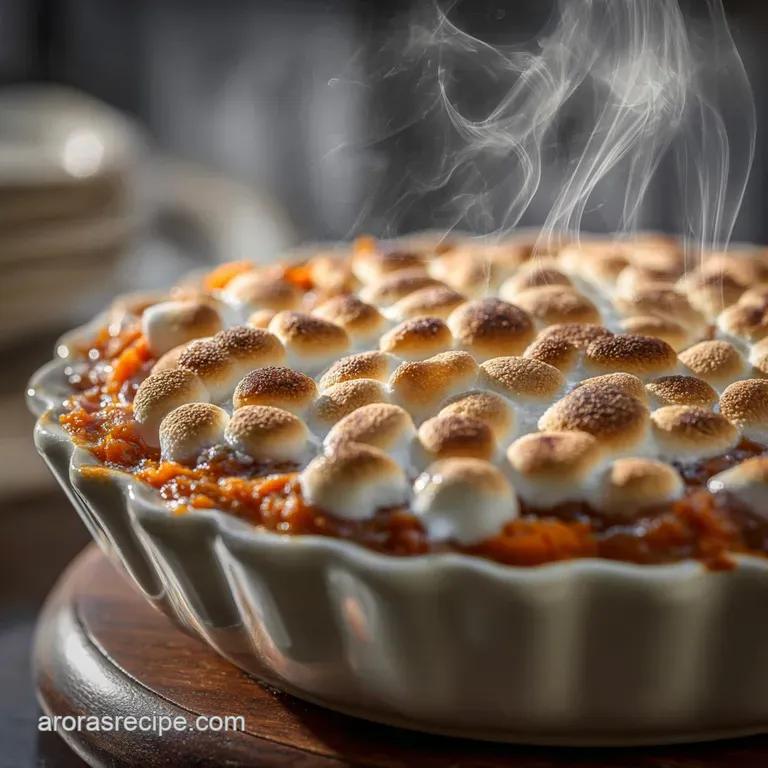
The scent of this Sweet Potato Casserole with Marshmallows baking is instantly transporting. It’s that glorious mix of melted butter, cozy brown sugar, and warming holiday spices like cinnamon and fresh nutmeg filling every corner of your kitchen.
When you peek into the oven, you see that perfectly velvety, orange base topped with a cloud of marshmallows just starting to turn golden brown and caramelized it's sheer magic.
I know what you're thinking: isn't this dish complicated? Nope! This is the stress free side dish, a guaranteed winner that costs next to nothing and requires only simple pantry staples. It frees you up to worry about the turkey (or maybe just whether you remembered to chill the wine).
This recipe is incredibly forgiving and truly the best Sweet Potato Casserole recipe you will ever make.
Today, we're ditching the bland, watery versions of the past and aiming for luxurious perfection. We’re talking about a sweet potato base that is utterly smooth, perfectly balanced between savory salt and sweet sugar, and crowned with the iconic toasted marshmallow topping.
Let's make some memories (and maybe a magnificent mess)!
The Science of Velvety Texture: Why This Recipe Works
There are a few key moves we make in this recipe that transform it from "okay holiday side" to "first dish to disappear." It really comes down to how we treat the potatoes and the fat. Trust me on this process; it matters!
Why This Dish Deserves the Holiday Spotlight
It’s simple: balance. Many recipes are either too dry, resembling cake, or too loose and runny. We use just the right amount of egg and whole milk to bind the sweet potato puree without making it heavy or custard like. We want fudgy and smooth, not spongy.
Essential Equipment for Fluffy Success
You absolutely need to invest in a potato ricer or at least pull out that electric hand mixer if you want a true Nana's Sweet Potato Casserole texture. Lumpy potatoes are the cardinal sin here!
A food processor can overwork the mixture, releasing too much starch, but a ricer guarantees perfectly uniform, fluffy strands every time.
Understanding Prep Time vs. Bake Time
The best part about this classic Sweet Potato Casserole with Marshmallows is that most of the effort is passive. We spend about 20 minutes active prep time getting those potatoes ready, but the rest is just waiting for the oven to work its flavor concentrating magic.
This is why it’s a brilliant dish to make-ahead you can focus on the mix and bake later.
Maximizing Sweetness Through Roasting and Caramelization
Boiling is the enemy of great texture. Seriously, just don't do it. We roast the sweet potatoes instead because that process concentrates the natural sugars and burns off any excess water, meaning your final casserole is incredibly creamy, not watery or dull. This crucial step is the difference between good and great.
Achieving the Perfect Velvety Smooth Consistency
Using melted butter, rather than cold cubes, ensures immediate integration with the potato puree. It creates a rich, homogeneous emulsion when combined with the warm potato and eggs. This method bypasses the need for excessive beating, which keeps the sweet potatoes light and airy rather than gluey.
Secret to the Golden, Not Burnt, Marshmallow Topping
The secret is the two-stage bake. We bake the base until it’s fully set, then pull it out, add the topping, and finish it quickly under the broiler (grill). Do not use the bake setting for the marshmallows, or they will deflate into a sticky, sugary pool long before they get color.
Essential Ingredients and Smart Substitutions for the Perfect Sweet Potato Bake
This recipe relies on simple, fresh ingredients. I promise you already have most of this stuff sitting in your pantry right now!
Choosing the Best Sweet Potatoes (Yams vs. Jewel/Garnet)
In the US, most potatoes labeled "yam" are actually just orange fleshed sweet potatoes (like the Jewel or Garnet varieties). These are perfect because they are sweet, moist, and mash up beautifully. Avoid the pale, yellow, dry sweet potatoes they simply won't give you that luxurious texture we need.
Spicing the Base: Cinnamon, Nutmeg, and the Secret Ingredient
Cinnamon and nutmeg are non-negotiable warmers here. But the secret ingredient? Fine sea salt. That tiny half teaspoon elevates the whole dish, preventing it from tasting like baby food by contrasting the extreme sweetness of the sugar and marshmallows.
If you use salted butter, cut the added salt down to a quarter teaspoon!
Deciphering Butter and Cream Ratios for Richness
We use a full stick of butter and whole milk for maximum richness, but you have options.
| Ingredient | Substitute Option | Notes on Change |
|---|---|---|
| Sweet Potatoes | Butternut squash puree (canned or fresh) | Will taste less sweet; add an extra tablespoon of brown sugar. |
| Unsalted Butter | Vegan Butter Sticks or Coconut Oil | Use exact same measurement for fat content. |
| Light Brown Sugar | Granulated Sugar + 1 tsp Molasses OR Maple Syrup | Maple syrup provides a thinner liquid, so reduce milk slightly. |
| Whole Milk | Half and Half OR Full Fat Oat Milk | Needs that fat content for the best mouthfeel. |
| Eggs | 2 Tbsp Cornstarch mixed with 2 Tbsp Water | Texture will be slightly less rich and fluffy, but still binds. |
Marshmallow Varieties: Mini vs. Standard Size for Optimal Coverage
I prefer using the large marshmallows cut in half, placed cut-side down. They expand beautifully and create a smoother, puffier cloud. However, mini marshmallows are quicker to lay down and brown faster under the broiler. Either way, make sure they are fresh! Stale marshmallows won't puff properly.
step-by-step Guide to Baking Your Golden Sweet Potato Casserole
Let's crack on with the cooking!
Roasting the Potatoes for Maximum Depth of Flavor
Preheat your oven to a hot 400°F (200°C). Peel and cube your sweet potatoes into roughly one-inch pieces; consistency is key for even cooking. Toss them lightly with a tiny bit of oil I use coconut oil here and spread them on a baking sheet.
Roast them for 30– 40 minutes until they are totally tender and you see caramelized, dark orange edges. This is flavor heaven!
Whipping the Sweet Potato Base to Light, Airy Perfection
Once roasted, let those potatoes cool for about 10 minutes; you don't want to scramble your eggs, right? Now, use that ricer or electric mixer to obliterate all lumps. Whisk together your melted butter, eggs, milk, vanilla, brown sugar, and spices in a separate bowl until everything is uniform.
Pour the wet mixture over the potato fluff and mix gently until just combined. Do not overmix.
Chef's Note: I once tried to mash these with a regular fork after boiling them. The result was a sticky, lumpy tragedy. Learned my lesson fast. Use the right tool for the job!
Initial Bake: Heating the Base Before Adding Toppings
Reduce your oven temperature to 350°F (175°C). Transfer the beautiful, velvety base into your prepared casserole dish and smooth the top. Bake for 30– 35 minutes. You're looking for the edges to pull away slightly and the center to feel mostly firm when touched.
This ensures the casserole is warm all the way through before the quick marshmallow finish.
Achieving the Signature Toasted Marshmallow Cloud
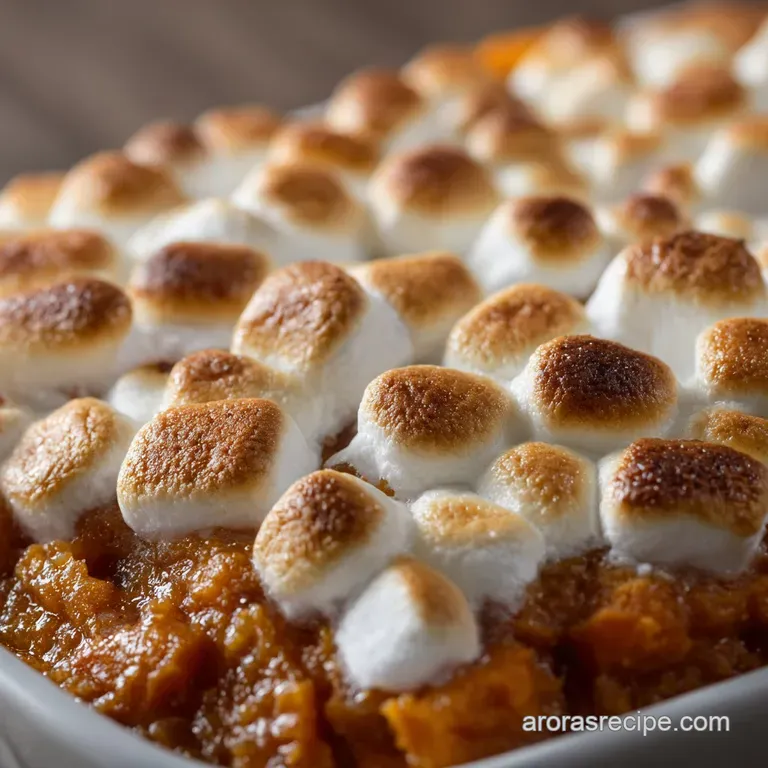
Pull the casserole out and cover the entire top edge-to-edge with your marshmallows. Switch the oven setting to Broil (Grill) on high. Place the dish on the top rack, but keep the door ajar and do not walk away .
This takes anywhere from 60 seconds to three minutes, maximum. Once they are gorgeously golden brown and toasted, pull it out immediately and let it sit for at least 10 minutes before serving.
Chef’s Troubleshooting: Avoiding Common Sweet Potato Casserole Mistakes
We’ve all been there. My first sweet potato casserole looked like a volcano exploded. Here’s how to avoid the pitfalls.
Why Your Casserole is Watery or Too Dense
If your casserole is watery, you likely boiled the potatoes or didn't allow them to steam off excess moisture after roasting. The fix? Roast them longer next time, or if it’s already too wet, gently simmer the pureed mixture in a saucepan to cook off excess liquid before adding the eggs (but let it cool slightly first).
If it's too dense, you might have skipped the melted butter or over mixed the puree, developing too much starch.
Preventing Marshmallows from Melting Away or Burning Instantly
The biggest error is trying to bake the marshmallows on the bake setting for 10 minutes. They will disappear. They need that intense, direct heat from the broiler for a quick toast and puff. If they burn, your broiler setting is too hot or the dish was too close to the heating element.
Next time, move the rack down one notch and keep a literal hawk eye on it!
make-ahead and Storage Guide for Sweet Potato Casserole with Marshmallows
This is a fantastic make-ahead dish, which is essential when planning a massive holiday meal!
Can You Assemble This Dish Ahead of Time?
Absolutely. You can prepare the entire sweet potato base (Step 1 and 2) up to two days in advance. Simply spread the mixed puree into the casserole dish, cover it tightly with plastic wrap, and refrigerate.
When ready to bake, let it sit on the counter for 30 minutes to take the chill off, then proceed with the initial bake (Step 3). Do not add the marshmallows until right before the broiling stage.
Storing Unbaked vs. Baked Casserole in the Fridge
The unbaked base lasts perfectly for 48 hours in the fridge. Once baked, the casserole will keep, covered, for 3 4 days. However, the marshmallows lose their wonderful texture and get chewy once refrigerated.
If you plan on leftovers, it’s best to only marshmallow the portion you intend to eat immediately.
How to Freeze Sweet Potato Base Safely
The filling freezes brilliantly! Prepare the base completely, omitting the marshmallows. Transfer it to a freezer safe aluminum baking dish, cover tightly with foil, and freeze for up to 3 months. Thaw overnight in the fridge.
To bake from frozen, you may need to add 10– 15 minutes to the initial bake time.
Best Methods for Reheating Holiday Leftovers
If you have leftover casserole without the marshmallow topping, you can cover it loosely and bake at 325°F (160°C) for 15– 20 minutes until piping hot.
If the marshmallows were already toasted, the best way to reheat is briefly in the microwave, although they will be sticky. For a superior finish, scrape off the old marshmallows and broil a few fresh ones on top!
Festive Pairings and Creative Serving Suggestions
While this marshmallow version is a masterpiece, sometimes you need options. This recipe’s base is so good, it works well with other toppings too!
For those who want a crunch, I highly recommend transitioning to the classic streusel topping. We have a great recipe for the traditional [Sweet Potato Casserole: Classic Recipe with Pecan Streusel Topping]. The pecan crunch provides a beautiful textural contrast to the smooth base.
For the adults at the table, you might want to consider adding a splash of booze. My recipe for the truly decadent [Bourbon sweet potato casserole: The grown-up version with pecan streusel.] is always a massive hit!
If you are serving this Sweet Potato Casserole with Marshmallows as a side for a major holiday, remember to pair the intense sweetness with tart, savory dishes. A tart cranberry sauce or some lemony roasted Brussels sprouts are fantastic counterpoints.
Recipe FAQs
Can I boil the sweet potatoes instead of roasting them for the casserole base?
While boiling is faster, roasting is highly recommended as it caramelizes the natural sugars and reduces the overall water content of the potatoes. Boiling can result in a watery base unless the potatoes are extremely well drained, leading to a less velvety final texture.
If you must boil, ensure they air-dry for at least 15 minutes after draining.
Why did my sweet potato casserole turn out grainy or dry?
A grainy texture usually indicates that the potatoes were not mashed or blended completely smooth before mixing with the dairy and eggs. A dry result means insufficient fat or liquid was used, often caused by the sweet potatoes being naturally dry, so you may need to increase the amount of cream slightly.
Ensure all ingredients are properly measured for the best outcome.
I don't like marshmallows. What is a good alternative topping?
A crunchy pecan or walnut streusel topping provides a fantastic textural contrast to the smooth casserole base. Combine 1/2 cup brown sugar, 1/3 cup flour, 1/4 cup melted butter, and chopped nuts for a quick crumb topping. Sprinkle it over the casserole before baking for the full duration.
Can I assemble the sweet potato casserole base ahead of time?
Yes, you can assemble the entire sweet potato mixture (omitting the marshmallows) up to 24 hours in advance. Cover the dish tightly and refrigerate until ready to bake. Remember that a cold dish will require an extra 10 15 minutes in the oven, and the marshmallows should only be added during the last few minutes of baking.
How do I prevent the marshmallows from burning before the casserole is heated through?
The marshmallows should only be added for the final 5 7 minutes of baking time, or once the internal temperature of the casserole reaches about 165°F. If you desire a deeply golden top, place the casserole under the broiler for 30 60 seconds, but watch it constantly as marshmallows burn extremely quickly.
Can I use canned yams or pumpkin instead of fresh sweet potatoes?
Canned yams can be substituted, but they are often packed in syrup, requiring you to reduce or completely omit the added sugar in the recipe. Canned pumpkin is generally too watery and lacks the necessary starch structure, yielding a much looser and less fluffy casserole.
Stick to fresh or frozen sweet potatoes for the best texture.
Is it possible to freeze leftover sweet potato casserole?
You can freeze the casserole, but it is best to freeze only the base without the marshmallow topping, as marshmallows become sticky and chewy when thawed. Wrap the cooled casserole tightly in plastic wrap and foil; it will keep for up to three months.
Thaw overnight in the refrigerator and reheat gently before adding a fresh marshmallow topping.
Sweet Potato Casserole With Marshmallows
Ingredients:
Instructions:
Nutrition Facts:
| Calories | 320 kcal |
|---|---|
| Fat | 8 g |
| Fiber | 3 g |
