Orange Rafi Cake: the Sticky-Sweet Sultan of Citrus
- Welcome to the World of Orange Rafi: Why This Recipe is a Must-Bake
- The Science of Sticky: Why This Orange Rafi Texture is Perfection
- Essential Ingredients for the Ultimate Orange Rafi Cake
- Mastering the Bake: A Step-by-Step Guide to Orange Rafi
- Chef's Tips and Troubleshooting for Your Sticky Orange Rafi
- Storage, Preparation, and Freezer Guide
- Complementary Pairings and Serving Suggestions
- Recipe FAQs
- 📝 Recipe Card
Welcome to the World of Orange Rafi: Why This Recipe is a Must Bake
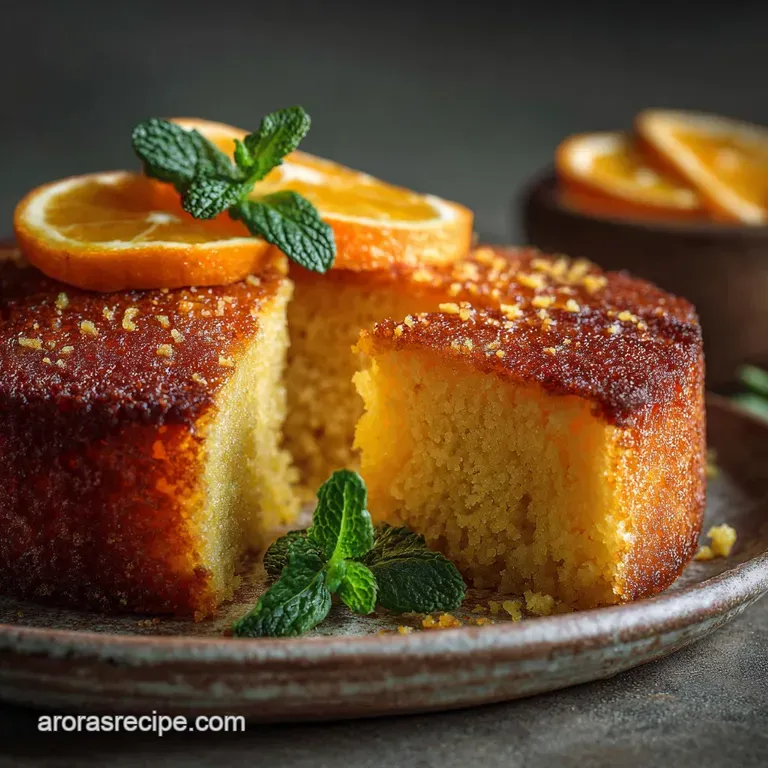
When this Orange Rafi bakes, your entire kitchen transforms into a Mediterranean citrus grove. The smell is utterly divine: warm, caramelized sugar meets bright, heady orange peel, creating an intoxicating mix of cozy and zesty.
It’s that wonderfully dense, sticky semolina texture that truly delivers maximum comfort, tasting a bit like the best sunshine soaked cake and pudding had a glorious baby.
Forget complicated layer cakes that take three days and a diploma to assemble correctly. This traditional Middle Eastern semolina dessert is incredibly fast, uses pantry staples you already have, and tastes deeply luxurious.
You literally just drench the hot cake in syrup, and the actual magic of absorption happens while you put your feet up.
I’ve messed up my share of semolina cakes once creating a rubbery disaster instead of a tender sponge but I finally figured out the key temperature trick that guarantees a sticky, non-soggy Rafi every single time.
Trust me, once you master this simple technique, you’ll never buy those dry, pre-packaged versions again. Let’s crack on and bake this zesty masterpiece together.
The Science of Sticky: Why This Orange Rafi Texture is Perfection
Defining Rafi: Is it a Cake, a Pudding, or Both?
The beauty of this Orange Rafi is that it manages to be both structurally sound and intensely moist, blurring the lines between cake and pudding. It starts as a simple, humble semolina batter, which bakes up light and relatively dry in the oven.
But the key is that semolina is a hungry grain, specifically engineered to absorb maximum liquid, which is where the syrup comes in.
The Secret History of Syrup Soaked Semolina Desserts
Orange Rafi is often referred to as a regional variation of Revani or Basbousa , which are wildly popular across the Levant and Greece. These traditional recipes often involve yogurt or buttermilk, which tenderizes the semolina and adds a slight tang to cut the overwhelming sweetness.
We are leaning heavily on those authentic techniques to ensure our cake is intensely flavored and wonderfully tender.
Flavor Profile: Balancing Zest, Sweetness, and Texture
To get that authentic, complex flavor, we use the zest of two whole oranges directly in the batter. This is non-negotiable! The oils from the zest contain the strongest citrus aroma, whereas the juice (which we use in the syrup) primarily adds liquid and tanginess.
We balance the sugary syrup by using Greek yogurt in the batter, providing that essential sour counterpoint.
Mastering the Semolina Soak: Achieving Maximum Moisture
This is the most critical step, and one I failed at dozens of times: You must rest the batter before baking. Fine semolina needs time to hydrate fully before it hits the heat. If you mix the batter and immediately put it in the oven, you risk a gritty or rubbery texture.
Letting the batter sit for 10 minutes at room temperature allows the semolina to plump up, resulting in a much lighter and more delicate crumb.
The Crucial Temperature Difference (Cake vs. Syrup)
The golden rule for any syrup soaked cake is thermodynamics. The hot cake must meet the warm syrup. If the syrup is boiling hot, it sits on the surface and steams the cake, making it soggy. If the syrup is ice cold, the pores of the hot cake seize up, and the liquid pools on top.
Keeping the syrup just warm ensures the cake’s pores are open and ready to suck up every drop of citrus goodness.
Elevating the Flavor Beyond Simple Citrus
Want to make your homemade Orange Rafi taste like it came from a five star Middle Eastern bakery? The secret is Orange Blossom Water. Adding just one teaspoon to the finished syrup injects a beautiful, delicate floral note that perfectly complements the robust orange flavor.
If you see it at the grocery store, grab it immediately!
Essential Ingredients for the Ultimate Orange Rafi Cake
You don't need fancy tools or obscure items to make this cake; it truly relies on good quality, standard ingredients.
Decoding the Semolina: Fine vs. Coarse Grain
For this recipe, you must use fine semolina (sometimes labeled rava or sooji ). Coarse semolina is usually used for pasta or thick porridges, and it will result in a much tougher, grainier texture that won’t absorb the syrup properly.
Always check the label.
Which Type of Orange Yields the Best Zest and Juice?
Reach for navel oranges or Valencia oranges. They typically have thicker skins, meaning easier zesting and less bitter pith, and they are usually sweet enough to work well in a baked dessert. Definitely skip the sad, thin skinned ones.
Smart Swaps: Dairy and gluten-free Alternatives
| Ingredient | Role | Viable Substitution |
|---|---|---|
| Fine Semolina | Texture/Structure | 50% All-Purpose Flour + 50% Fine Cornmeal (Texture will be grainier) |
| Greek Yogurt | Tenderizer/Moisture | Sour Cream or Buttermilk |
| Melted Butter | Fat/Flavor | Neutral Oil (e.g., grapeseed, sunflower) for a dairy-free cake |
| Orange Blossom Water | Aroma | Vanilla extract or a very small splash of Rosewater |
Prepping Your Citrus: Zesting and Juicing Efficiently
Make sure you zest your oranges before you cut them to juice them. It sounds obvious, but I’ve definitely started juicing before realizing my error. Use a microplane zester and ensure you only take the bright orange outer layer, avoiding the bitter white pith beneath.
A bitter cake is a ruined cake.
Mastering the Bake: A step-by-step Guide to Orange Rafi
Mixing the Batter: Avoiding Overdevelopment
The moment you add the dry ingredients (semolina and flour) to the wet ingredients, you need to mix gently. You are aiming for just combined . Overmixing develops the gluten in the flour and the result is a chewy, heavy cake that struggles to absorb the syrup. A minute of gentle folding is all you need.
Perfect Timing: Knowing When the Cake is Golden
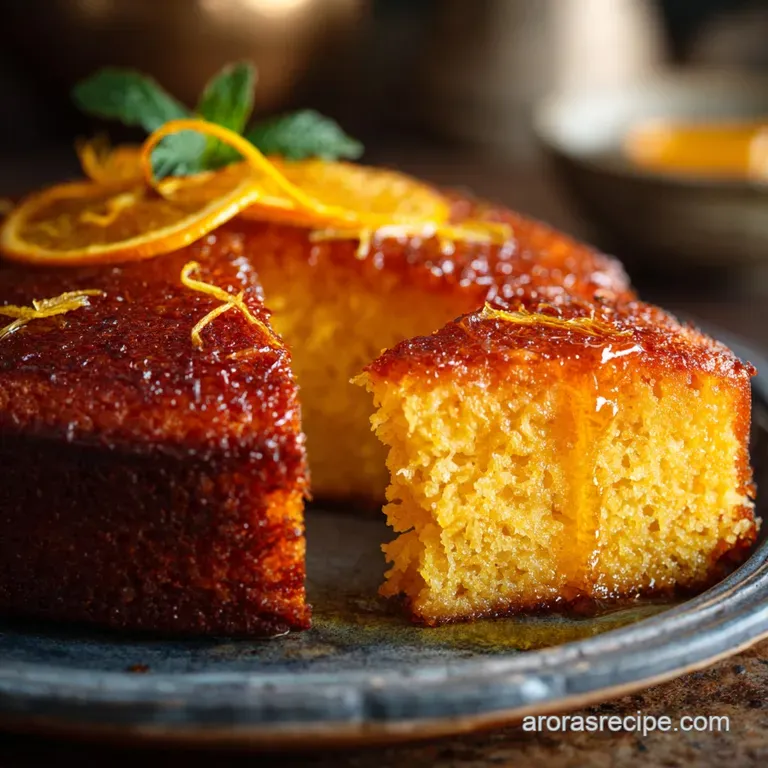
Bake the cake at 350°F (175°C) for around 40 to 45 minutes. The cake should be uniformly golden brown and feel firm but springy when lightly pressed in the center. The edges will just begin to pull away from the sides of the pan. Use a toothpick test; it should come out clean.
The Drenching Process: Pouring the Syrup Correctly
- Pull the hot cake straight out of the oven.
- Use a skewer or fork to prick the entire surface, making at least 20 to 30 deep holes.
- Take your warm syrup (remember the temperature rule!) and pour it slowly and evenly over the whole cake surface. You’ll hear a lovely sizzle.
Crucial Chef’s Note: Don't dump the syrup all at once; pour in steady streams over 30 seconds. This allows the syrup time to fully soak into the pierced holes instead of overflowing the edges.
Resting Time: The Critical Step to Optimal Stickiness
This is the hardest part: the waiting game. You must let the cake rest and cool completely in the tin, ideally for at least one hour. If you cut it while it’s still piping hot, all that gorgeous, sticky syrup will just ooze out the sides and make a massive mess. Patience results in ultimate moistness.
Chef's Tips and Troubleshooting for Your Sticky Orange Rafi
Avoiding a Dry Cake: The Biggest Baking Mistake
The number one reason for a dry semolina cake? Skipping the 10 minute rest after mixing the batter. As discussed, the semolina must hydrate before baking to ensure tenderness. If your cake still feels too dry after soaking, it means the syrup was too cold and the cake’s pores sealed up.
Always check the syrup temperature!
How to Know When the Syrup Has Reached the Perfect Consistency
We aren't looking for a thick candy consistency, but it shouldn't be watery either. Simmer the syrup for about 8 to 10 minutes. When it's ready, it should lightly coat the back of a spoon if you run your finger across the spoon and the line holds, you're good to go.
Adding a single slice of lemon to the simmering syrup, by the way, is my old trick to prevent the sugar from crystallizing.
Presentation Tweak: Cutting the Cake Cleanly
Since this cake is so sticky, cutting it can sometimes be messy. Once the cake has fully cooled and absorbed the syrup, use a sharp, non-serrated knife. Wipe the knife clean with a damp cloth between every cut. This ensures beautifully clean, picture perfect squares or traditional diamond shapes.
Garnish immediately after cutting.
Storage, Preparation, and Freezer Guide
Can You Make Orange Rafi Ahead of Time?
Absolutely, and it’s actually better the next day! The flavors deepen, and the texture becomes perfectly balanced after an overnight rest. The cake will stay perfectly moist and sticky for 3 4 days when stored properly.
Optimal Room Temperature vs. Refrigerated Storage
Because of the syrup and the dairy (yogurt), the cake is best stored in an airtight container in the refrigerator. If your home is very warm, the sugar in the syrup can start to weep at room temperature. Bring individual slices out 30 minutes before serving to let them lose the chill.
Reviving Leftovers: Tips for Re-Moisturizing
If you find a slice has dried out a little (maybe it sat uncovered for too long), don't panic. Simply microwave the slice for 15 20 seconds with a teaspoon of extra simple syrup or a splash of orange juice drizzled over the top. The heat will re-soften the semolina.
You can also lightly cover the piece in foil and heat it briefly in a warm oven.
Complementary Pairings and Serving Suggestions
This zesty orange dessert is a robust treat, so it needs simple, creamy accompaniments to shine.
- Cool Contrast: A dollop of thick, cold crème fraîche or high fat Greek yogurt is the perfect foil for the sticky sweetness.
- The Classic Pairing: Serve this cake with a strong, black coffee or a proper cup of Earl Grey tea. The tannins in the tea cut through the sugar wonderfully.
- Toppings: Sprinkle generously with chopped pistachios, toasted almonds, or shredded coconut just before serving for crucial texture contrast.
Recipe FAQs
Why is my Orange Rafi Cake dry, even after adding the syrup?
This is usually due to improper syrup absorption caused by incorrect temperatures. Ensure the cake is piping hot out of the oven, and the syrup is cool or room temperature; this temperature contrast allows the sponge to suck up the liquid effectively.
Additionally, confirm you used the specified coarse semolina, as finer semolina yields a denser crumb that resists absorption.
Can I make the Orange Rafi cake gluten-free or vegan?
Since traditional Orange Rafi relies on semolina (a wheat product), a truly authentic gluten-free version is difficult, but you can substitute a coarse cornmeal or polenta for a similar granular texture.
For a vegan modification, replace the yogurt/dairy with a plant based alternative, like thick coconut yogurt, and use an egg replacer or aquafaba for binding.
I only have fine semolina. Will that work as a substitute for coarse semolina?
While fine semolina is usable, it is not ideal for this specific recipe. Coarse semolina provides a unique texture that creates air pockets, which are crucial for achieving the light, spongy structure needed to hold the copious amount of citrus syrup.
Using fine semolina will result in a much denser cake that may struggle to absorb the liquid fully.
How should I store leftover Orange Rafi, and can I freeze it?
Store the cake tightly covered at room temperature for up to three days, or refrigerate it for up to seven days; the flavor often improves significantly on the second day as the flavors deepen.
Freezing is possible, but it is best to wrap and freeze the cake before adding the syrup, then pour the syrup over the cake immediately after thawing and reheating slightly.
What are some good flavor variations if I don't want to use only orange?
This recipe is highly adaptable to other citrus fruits; lemon, lime, or grapefruit can be used instead of orange. For a warmer profile, consider adding a teaspoon of ground cardamom or cinnamon to the cake batter to complement the citrus notes, giving it a spicier depth.
You can also infuse the syrup with rosewater or orange blossom water for a distinct floral aroma.
My syrup crystallized after I made it. How do I prevent this next time?
Crystallization occurs when sugar molecules bind together too quickly, often triggered by a stray sugar crystal. To prevent this, add a squeeze of fresh lemon juice to the syrup mixture, as the acid helps break down the sugar molecules.
Also, avoid stirring the syrup aggressively once the mixture starts boiling, and ensure the sides of the pot are wiped down with a wet pastry brush before boiling begins.
When is the best time to serve this cake, and what are ideal garnishes?
This cake is excellent served slightly warm or at room temperature, making it perfect as a late breakfast, afternoon treat, or a grand dessert. Ideal garnishes include crushed pistachios, finely shredded candied orange peel, or a generous dollop of unsweetened clotted cream or mascarpone cheese to cut through the syrup's sweetness.
Ultimate Sticky Orange Rafi Cake
Ingredients:
Instructions:
Nutrition Facts:
| Calories | 505 kcal |
|---|---|
| Protein | 18.0 g |
| Fat | 7.4 g |
| Carbs | 91.6 g |
