Vegetable Ground Beef Soup: Pantry Friendly
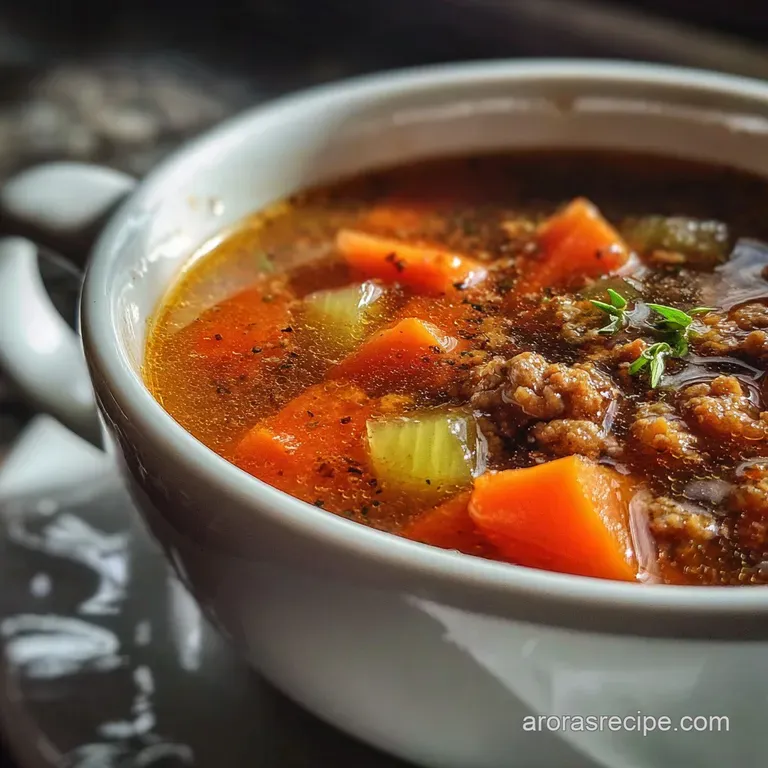
- Time: Active 15 minutes, Passive 30 minutes, Total 45 minutes
- Flavor/Texture Hook: Velvety broth paired with tender, fork crushing potatoes and savory beef.
- Perfect for: Rainy weeknights, budget-friendly meal prepping, or beginner cooks craving a taste of home.
- Comforting Homemade Vegetable Ground Beef Soup Recipe
- The Science of the Simmer
- Analyzing the Savory Soup Components
- Essential Pantry Elements and Substitutions
- Necessary Tools for Hearty Results
- Simple Cooking Steps for Success
- Troubleshooting Tips and Fixes
- Flavorful Variations and Simple Scaling
- Storage and Zero Waste Methods
- Service and Presentation Style Guide
- Recipe FAQs
- 📝 Recipe Card
Comforting Homemade Vegetable Ground Beef Soup Recipe
The way the lean ground beef hits the bottom of a hot Dutch oven is a sound I'll never get tired of. It's that sharp, crackling sizzle that tells you the kitchen is about to transform into the coziest place on earth.
Growing up near Nashville, rainy Tuesday afternoons almost always meant mama would pull out her heavy pot, and before long, the aroma of sautéing onions and dried thyme would drift through the hallway, signaling that a bowl of something warm was on the way.
You'll find that this isn't just a "throw it all in" kind of meal, though it’s certainly simple enough for a busy weeknight. We're going to use a few little tricks, like browning the beef properly and using bone broth instead of plain stock, to get a depth of flavor that tastes like it's been simmering for eight hours instead of just thirty minutes.
It’s hearty, it’s honest, and it’s the kind of recipe that makes you want to scrape the bottom of the bowl.
What I love most about this specific version is how it handles the vegetables. Instead of a mushy mess, we're timing things so the carrots keep their snap and the potatoes get that buttery, velvety texture we all crave.
It’s a reliable classic that has saved my sanity on many cold evenings, and I’m so excited for you to get this bubbling on your own stove.
The Science of the Simmer
Maillard Reaction: Searing the 1.5 lbs lean ground beef until it develops a dark, brown crust creates complex flavor molecules that a gray, steamed meat simply cannot provide.
Starch Gelatinization: As the Russet potatoes simmer, they release tiny amounts of starch into the beef bone broth, which naturally thickens the liquid without needing a heavy flour roux.
Osmotic Pressure: Adding the sea salt early in the process draws moisture out of the aromatics like onions and garlic, concentrating their sugars for a more intense savory base.
| Method | Time | Texture | Best For |
|---|---|---|---|
| Stovetop | 45 minutes | Velvety and rich | Traditional deep flavor |
| Slow Cooker | 6 hours | Extremely tender | Hands off prep |
| Instant Pot | 30 minutes | Infused and concentrated | Last minute hunger |
If you want a thicker, stew like consistency, crush a few of the cooked potato cubes against the side of the pot toward the end of the simmering time. If you prefer a lighter, clearer broth, keep the potatoes whole and ensure you don't let the soup reach a rolling, violent boil, which can make the liquid cloudy. For those looking for a different spin on hearty beef meals, you might also enjoy my Beef Barley Soup Recipe for that classic grain focused comfort.
Analyzing the Savory Soup Components
| Component | Science Role | Pro Secret |
|---|---|---|
| Beef Bone Broth | Provides gelatin for mouthfeel | Use a brand with high protein content for a richer "lip smacking" finish |
| Tomato Paste | Adds glutamates for umami depth | Sauté it with the meat for 2 minutes to remove the raw, metallic tin taste |
| Russet Potatoes | Acts as a natural thickener | Cut them into uniform 1/2 inch pieces so they cook evenly without falling apart |
Selecting the right ingredients is half the battle when you're aiming for that "old fashioned" feel. While you can certainly use standard beef stock, the bone broth mentioned in the recipe data provides a much more velvety body due to the naturally occurring collagen.
It’s a small swap that makes a massive difference in how the soup feels on your tongue.
Essential Pantry Elements and Substitutions
To get this recipe just right, you'll need the following ingredients from your pantry and fridge. I've included some notes on why they're there and what you can use if you're in a pinch.
- 1.5 lbs lean ground beef (90/10): This is the heart of the dish. Why this? Lean beef provides plenty of protein without leaving a thick oil slick on your broth.
- Substitute: Ground turkey or venison. Note: Turkey is leaner and may need a teaspoon of olive oil for browning.
- 1 large yellow onion: Diced finely to melt into the base. Why this? Yellow onions have a higher sugar content than white onions, which aids in caramelization.
- Substitute: Leeks or shallots for a milder, more sophisticated onion flavor.
- 4 cloves garlic: Minced fresh. Why this? Fresh garlic provides a sharp, aromatic punch that pre minced jars lack.
- Substitute: 1 teaspoon garlic powder added with the dried herbs.
- 2 tbsp tomato paste: For that deep red color and savory backbone.
- Substitute: 1/4 cup tomato sauce, but reduce the broth by 2 tablespoons.
- 4 cups beef bone broth: The liquid gold base of our soup.
- Substitute: Beef bouillon cubes mixed with water. Note: Watch the salt levels if using bouillon.
- 14.5 oz canned diced tomatoes: Use them undrained for extra acidity.
- Substitute: Fresh tomatoes, peeled and chopped, plus 1/4 cup of water.
- 2 large Russet potatoes: Peeled and cubed.
- Substitute: Yukon Gold potatoes. Note: These hold their shape better but won't thicken the broth as much.
- 3 large carrots: Sliced into rounds.
- Substitute: Parsnips or sweet potatoes for a different earthy sweetness.
- 2 cups shredded green cabbage: This adds a wonderful texture and slight sweetness.
- Substitute: Chopped kale or spinach, added in the last 5 minutes.
- 1.5 cups frozen peas and corn: For a pop of color and sweetness.
- Substitute: Mixed frozen vegetables or canned green beans (drained).
- 1 tsp dried thyme and 1 tsp dried oregano: The classic herb duo.
- Substitute: 1 tablespoon of fresh herbs if you have a garden handy.
| Original Ingredient | Substitute | Why It Works |
|---|---|---|
| Ground Beef (1.5 lbs) | Ground Bison (1.5 lbs) | Bison is leaner and has a slightly sweeter, richer flavor profile |
| Russet Potatoes (2) | Cauliflower Florets (3 cups) | Provides bulk and texture for a lower carb option. Note: Won't thicken broth |
When I first started making this, I used to forget the tomato paste, thinking the diced tomatoes were enough. Trust me, don't skip it. That little bit of paste, when browned against the bottom of the pot, is what gives the soup its "I've been cooking this all day" soul. It’s a technique I also use when I'm prepping my Stuffed Poblano Peppers recipe to make the filling really pop.
Necessary Tools for Hearty Results
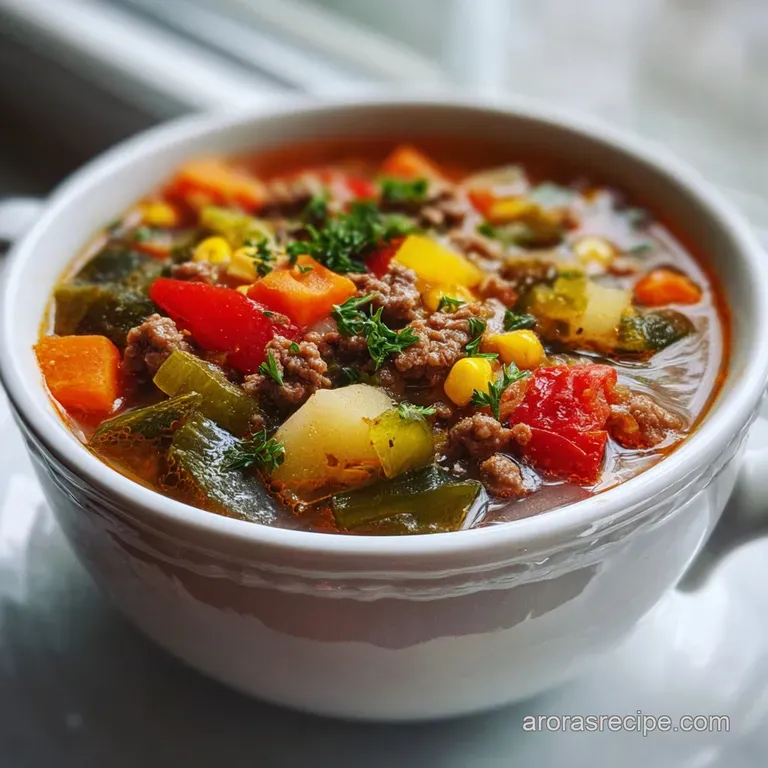
You don't need a professional kitchen to pull this off, but a few specific pieces of gear make the process much smoother. I always reach for my heavy bottomed Dutch oven (like a 6 quart Lodge) because it holds heat so consistently.
This prevents the beef from dropping the pan temperature and "stewing" in its own juices instead of getting that beautiful brown sear.
A sharp chef's knife is also your best friend here. Slicing through those carrots and cubing the potatoes into uniform 1/2 inch pieces isn't just about looking pretty, it's about making sure every bite is perfectly cooked at the same time.
If some potato chunks are huge and others are tiny, you’ll end up with a mix of crunchy and mushy, which is exactly what we want to avoid.
Simple Cooking Steps for Success
- Brown the beef. Place the 1.5 lbs ground beef in a large pot over medium high heat. Note: Don't crowd the meat, let it sit for 2-3 minutes to get a good crust.
- Sauté the aromatics. Add the diced onion to the browned beef. Note: Cook 5 minutes until the onions are translucent and fragrant.
- Add the garlic and paste. Stir in the 4 cloves of minced garlic and 2 tbsp tomato paste. Note: Sauté for 2 minutes until the paste turns a deep brick red.
- Deglaze the pot. Pour in a splash of the 4 cups beef bone broth. Note: Use a wooden spoon to scrape up all the brown bits (fond) from the bottom.
- Build the base. Add the remaining broth, 14.5 oz undrained tomatoes, 1 tsp thyme, 1 tsp oregano, and 2 bay leaves.
- Add root vegetables. Stir in the cubed Russet potatoes and sliced carrots.
- Simmer the soup. Lower the heat to medium low and cover the pot. Note: Simmer 15-20 minutes until the potatoes can be easily pierced with a fork.
- Introduce the cabbage. Stir in the 2 cups shredded cabbage. Note: Cook 5 minutes until the cabbage is tender but still has a slight bite.
- Finish with frozen veg. Add the 1.5 cups frozen peas and corn. Note: Cook 3-4 minutes until the peas are bright green and heated through.
- Final seasoning. Remove the bay leaves and stir in the 1 tsp sea salt and 0.5 tsp black pepper. Note: Taste the broth and add more salt if the flavors don't "jump" yet.
Chef's Tip: If you have a rind of Parmesan cheese sitting in your fridge, toss it into the pot during step 5. It won't melt completely, but it will infuse the broth with an incredible, salty depth that rounds out the acidity of the tomatoes.
Troubleshooting Tips and Fixes
Making soup seems foolproof, but sometimes things go sideways. The most common issue I hear about is a "flat" or boring broth. This usually happens if the meat wasn't browned enough or if there isn't enough salt to bridge the flavors together.
Why the broth tastes watery
If your soup lacks body, it’s likely because the beef didn't release enough fat or the potatoes haven't broken down enough. You can fix this by simmering the soup uncovered for an extra 10 minutes to reduce the liquid, or by mashing a few potatoes into the broth.
Why the vegetables are mushy
This is almost always a timing issue. If you add the peas and corn at the same time as the carrots, they will lose their texture and turn a dull olive green. Always add your delicate or frozen vegetables at the very end of the cooking process to keep them vibrant.
| Problem | Root Cause | Solution |
|---|---|---|
| Greasy Broth | High fat beef used without draining | Chill the soup so the fat solidifies on top, then skim it off with a spoon |
| Bland Flavor | Lack of acidity or salt | Add a teaspoon of red wine vinegar or a squeeze of lemon juice at the end |
| Tough Carrots | Sliced too thick | Simmer for an additional 5-7 minutes until they reach your desired tenderness |
Common Mistakes Checklist:
- ✓ Pat the ground beef dry before adding it to the pot (helps with browning).
- ✓ Don't skip the "deglazing" step - those brown bits are where the flavor lives.
- ✓ Remove the bay leaves before serving; they are for flavor, not for eating.
- ✓ Let the soup sit for 10 minutes after turning off the heat to let flavors meld.
Flavorful Variations and Simple Scaling
If you're cooking for a crowd or just want to change things up, this recipe is incredibly flexible. To scale up (2x-4x), use a much larger stockpot and be sure to brown the beef in batches. If you crowd too much meat into the pot at once, it will steam instead of sear.
When doubling the spices, start with 1.5x the amount and taste before adding the rest, as flavors like thyme can become overpowering in large quantities.
To scale down (1/2), simply halve all ingredients. Since you'll be using a smaller pot, your liquid might evaporate faster, so keep an eye on the broth level and add a splash of water if it gets too thick. For a low carb version, swap the potatoes for cauliflower and the corn for green beans.
- For a spicy kick: Add 1/2 teaspoon of red pepper flakes with the garlic.
- For a creamy finish: Stir in 1/4 cup of heavy cream just before serving.
- For a smoky flavor: Use fire roasted diced tomatoes instead of regular ones.
Storage and Zero Waste Methods
This soup actually tastes better the next day after the ingredients have had a chance to get to know each other in the fridge. You can store leftovers in an airtight container for up to 4 days.
When reheating, you might notice the potatoes have soaked up some of the liquid, so feel free to add a splash of water or extra broth to loosen it back up.
Freezing Instructions: This soup freezes beautifully for up to 3 months. Just leave about an inch of headspace in your container, as the liquid will expand when it freezes. I like to freeze it in individual portions for easy "grab and-go" lunches.
Zero Waste Tip: Don't throw away those onion skins or carrot peels! Toss them into a freezer bag. Once the bag is full, simmer the scraps with water for an hour to make your own homemade vegetable scrap stock for the next time you make this recipe.
Service and Presentation Style Guide
When it comes to serving, I’m a firm believer that every bowl of soup deserves a "crunch factor." A thick slice of crusty sourdough bread slathered in salted butter is the gold standard in my house. It’s perfect for mopping up that last bit of savory broth at the bottom of the bowl.
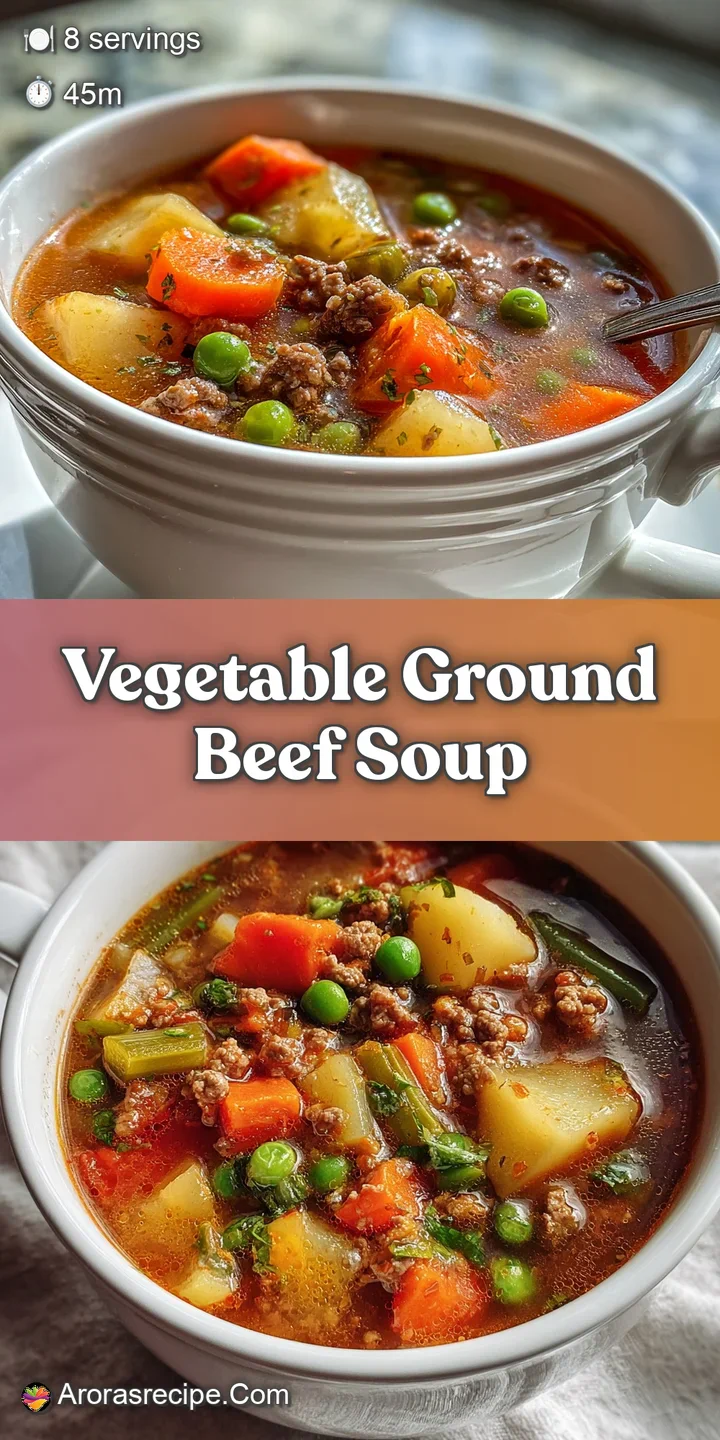
If you want to make it feel a bit more special, garnish each bowl with a sprinkle of fresh parsley and a heavy dusting of cracked black pepper. The green of the parsley makes the colors of the carrots and peas pop, making it look as good as it tastes. For a complete Southern style dinner, you could even serve this alongside some warm cornbread. If you're looking for more ways to use ground beef in a comforting way, don't forget to check out my Beef Chili Verde recipe for a slow cooked alternative that hits all the right savory notes.
Recipe FAQs
What veggies pair best with ground beef in soup?
Carrots, potatoes, and cabbage. These three vegetables offer a fantastic balance of earthy sweetness, starchiness for thickening, and a tender crisp texture when added correctly.
What is a good soup to make with ground beef?
Vegetable Ground Beef Soup is an excellent choice. It’s fast, hearty, and maximizes flavor by searing the beef before adding liquid, similar to the savory base technique used in my Beef Chili Verde recipe.
What all goes in vegetable beef soup?
The essentials are ground beef, beef bone broth, potatoes, carrots, onion, garlic, and tomato paste. You also need a good mix of simple dried herbs like thyme and oregano to build that classic comforting flavor profile.
What vegetables pair with ground beef?
Root vegetables like potatoes and carrots, along with greens such as cabbage or kale. Starchy vegetables absorb the savory beef juices beautifully, creating a cohesive, well rounded bowl.
Should I use bone broth or regular stock for this soup?
Bone broth is highly recommended for superior texture. It contains natural gelatin which creates a richer, velvety mouthfeel, whereas standard stock will result in a much thinner liquid.
How do I keep the vegetables from turning mushy in the soup?
Time your additions based on density. Add hard vegetables like carrots first, then potatoes, and save delicate items like peas, corn, or cabbage for the final 5 to 10 minutes of simmering.
Can I substitute ground turkey for the beef in this soup?
Yes, but you must add fat to compensate. Ground turkey is much leaner than 90/10 beef, so add a tablespoon of olive oil when browning the meat to prevent it from drying out and sticking to the bottom of the pot.
Vegetable Ground Beef Soup
Ingredients:
Instructions:
Nutrition Facts:
| Calories | 284 kcal |
|---|---|
| Protein | 24.8 g |
| Fat | 7.2 g |
| Carbs | 29.4 g |
| Fiber | 4.8 g |
| Sugar | 6.1 g |
| Sodium | 640 mg |
