Xo Sauce: Chefs Authentic Hong Kong Umami Gold Standard
- The Umami Gold Standard: What Makes Authentic Hong Kong XO Sauce Unique?
- Mastering the Umami Bomb: The Science Behind This Chef’s XO Sauce
- Building the Foundation: Essential Ingredients for Premium XO Sauce
- Precision Cooking: Step-by-Step Instructions for Making XO Sauce
- Troubleshooting and Expert Secrets for a Perfect Batch of XO Sauce
- Maximizing Shelf Life: Storage and Preservation Techniques
- Elevate Your Plate: Inspired Serving Suggestions for This Luxury Condiment
- Recipe FAQs
- 📝 Recipe Card
The Umami Gold Standard: What Makes Authentic Hong Kong XO Sauce Unique?
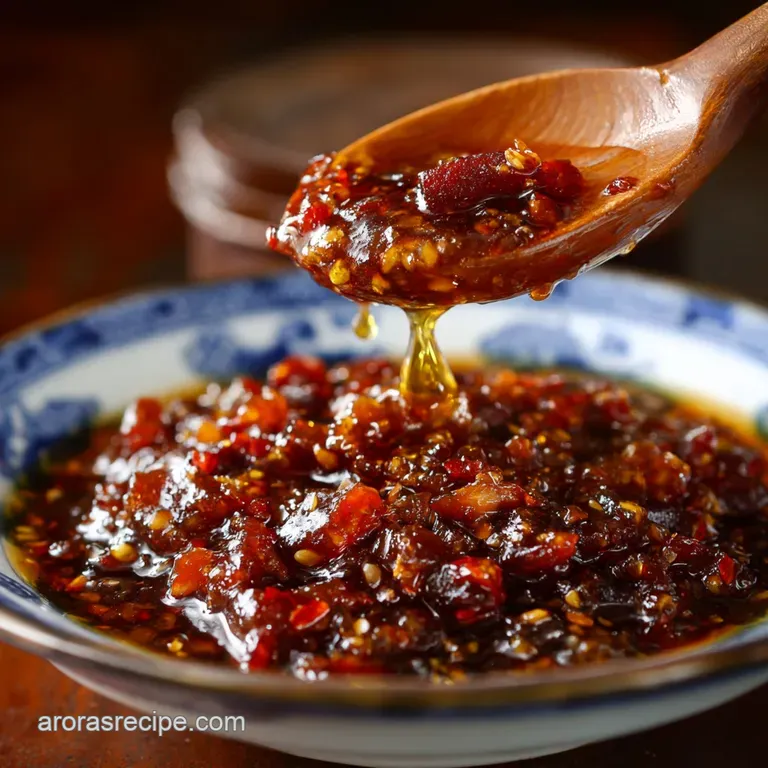
That intense, smoky, marine aroma hitting the back of your throat? That’s XO Sauce doing its job. This Hong Kong treasure is chunky, fiercely savory, and unapologetically luxurious, built layer by layer from dried scallops (conpoy) and deeply cured ham.
You’re about to find out why this condiment is widely called the Rolls Royce of the Chinese kitchen.
I know what you’re thinking: the core ingredients look intimidating and perhaps a little expensive. But consider how fast a single spoonful transforms basic weeknight steamed rice or simple noodles into a five star meal.
Making a large, deeply flavored batch at home guarantees flavor quality and actually ends up being wildly economical compared to the tiny, premium jars you buy at specialty stores.
Forget those pale, weak imitations you see on supermarket shelves. We are making the authentic stuff, slow cooked in oil until the shredded scallops are perfectly tender and the savory ham is crisp. Grab your heavy bottomed pot and prepare for a true umami revelation; trust me, this recipe is worth the dedicated time.
Mastering the Umami Bomb: The Science Behind This Chef’s XO Sauce
Homemade XO Sauce isn't just a recipe; it's a patient exercise in flavor concentration. The success relies on a low and slow fat infusion, pulling savory moisture out of the dried seafood and aromatics without burning them. It’s all about creating flavor density.
Deconstructing the Name: Why "XO" References Fine Cognac
Here’s a fun fact: XO Sauce contains zero brandy. The name "XO" stands for Extra Old, a classification used to denote premium, high-quality, and exclusive cognac. When this sauce was invented in the 1980s in Hong Kong, calling it "XO" instantly communicated its status as a luxury ingredient, suggesting it was rare, refined, and expensive the culinary equivalent of a status symbol.
A Timeline of Luxury: The Culinary History of This 1980s Treasure
XO Sauce is relatively young in the context of Chinese cuisine. It was pioneered in the late 1980s in the kitchens of the Peninsula Hotel in Hong Kong, designed to be a premium, exclusive signature item. It rapidly became a symbol of prosperity and high end Cantonese cooking.
The Five Pillars of Flavor: Umami, Heat, Savory Depth, and Texture
What makes this sauce truly special is its incredible balance. You get the deep, salty umami from the dried seafood, offset by the salty, meaty depth of the ham.
Then there is the textural contrast the satisfying chewiness of the scallops against the crisp shallots all tied together with a gentle, smoky heat.
The Maillard Reaction in Oil: Achieving Deep Golden Color and Flavor
We aren't deep frying here; we are confit cooking. By keeping the oil temperature incredibly low, the Maillard reaction occurs gently, slowly caramelizing the proteins in the ham and seafood.
This dehydrates them perfectly and colors the oil a magnificent, rich gold, infusing every drop with complex flavor.
Conpoy (Dried Scallop) Hydration: Maximizing Marine Savory Notes
You absolutely cannot skip the soaking and steaming steps for the conpoy. The rehydration process is crucial because it softens the tough dried fibers, allowing them to shred beautifully and become tender when confited.
We use the reserved soaking liquid later because it's packed with pure, dissolved scallop essence!
Balancing Salt and Sweetness: Cured Ham vs. Dried Seafood
The salt content is high thanks to the cured ham and the inherently salty dried shrimp. To prevent the sauce from tasting flatly savory, we add a touch of brown sugar. This small addition of sweetness enhances the savory notes dramatically, preventing the final product from tasting overwhelmingly harsh.
Building the Foundation: Essential Ingredients for Premium XO Sauce
Quality matters here, perhaps more than in any other condiment. Since the ingredients are dehydrated and concentrated, any off-flavor will be magnified tenfold. Don’t skimp on the seafood or the ham.
Sourcing Premium Conpoy (Dried Scallops) and Dried Shrimp
Yes, dried scallops are pricey, but they are the heart of this recipe. Look for whole, firm conpoy that have a vibrant orange brown color, which indicates quality. The same rule applies to the dried shrimp; you want whole, plump shrimp, not broken pieces.
The Cured Ham Factor: Selecting the Right Cut for Savory Depth
The traditional choice is Jinhua ham, but finding that outside of specialist Asian markets is a proper struggle. I use a high-quality Prosciutto or Spanish Jamón Ibérico instead.
You need that intense, dry-cured salinity and chewiness, so avoid overly smoky or watery bacon at all costs.
Oil Selection and Preparation: Achieving the Perfect Confit Texture
Since we are heating the oil for an hour, using a high smoke point oil is essential. Refined vegetable oil or quality peanut oil works perfectly. Do not try this with olive oil; it will burn and become acrid.
Aromatic Preparation: Optimizing Garlic and Shallot Infusion
This is where the elbow grease comes in. You must mince the shallots, garlic, and ginger as finely as possible, but do not use a blender or food processor until the last second .
Blending releases too much moisture and results in steam rather than a proper slow fry, causing the aromatics to steam instead of crisping up.
| Ingredient | Viable Substitution | Key Change in Flavor |
|---|---|---|
| Dried Scallops (Conpoy) | None truly comparable, but use more dried shrimp | Slightly less delicate umami |
| Jinhua Ham | high-quality Prosciutto or Serrano Ham | Slightly different salinity/texture |
| Shaoxing Rice Wine | Dry Sherry or Japanese Sake | Maintain the necessary vinous depth |
| Peanut Oil | Refined Canola or Vegetable Oil | Neutral flavor profile retained |
Precision Cooking: step-by-step Instructions for Making XO Sauce
Prepping the Umami Trio: Soaking, Shredding, and Drying
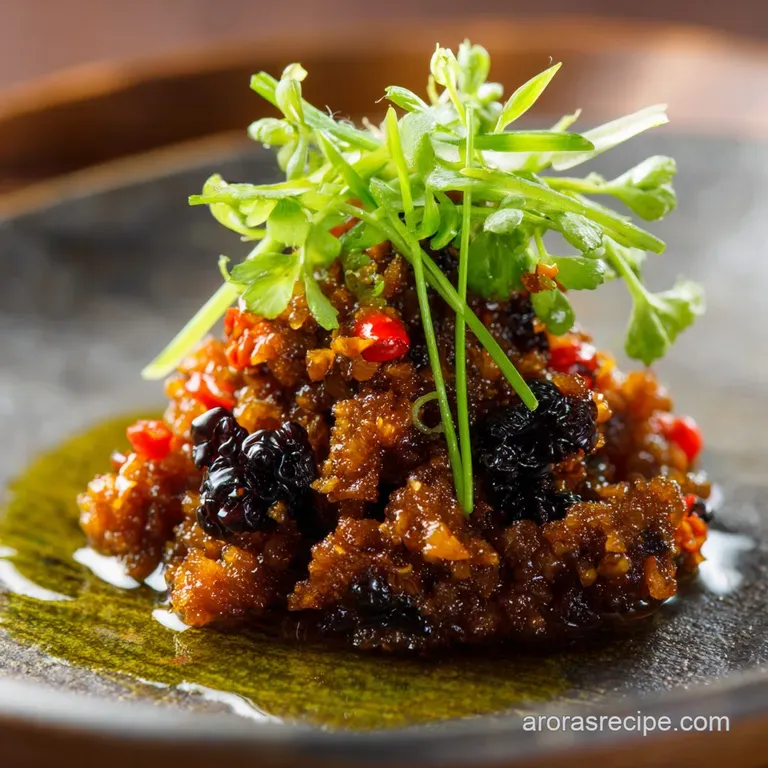
First, soak the dried scallops and shrimp overnight until they are fully rehydrated and soft. Drain them, but remember to save that scallop liquid it’s pure gold. Steam the scallops for about 15 minutes until they pull apart easily, then shred them using your fingers or two forks; you want that shaggy, non-uniform texture.
Finally, mince the soaked shrimp and the cured ham very, very finely.
The Slow Confit Stage: Gently Frying the Aromatics and Seafood
Heat your oil in a large wok over medium low. Add the minced ham first and let it bubble gently for about 5 minutes until the fat renders out and the meat just starts to crisp. Now add the shredded scallops and the minced shrimp.
Reduce the heat to the absolute lowest setting ; we are cooking this for 15– 20 minutes, allowing the seafood to dry out, slightly crisp, and turn golden brown without burning.
Infusing the Flavor Base: Adding Spice and Liquid Elements
Add the finely minced shallots, garlic, and ginger to the wok. This stage requires patience cook slowly for another 10– 15 minutes, stirring constantly. The aromatics should turn translucent and golden, softening beautifully into the oil. Now stir in the dried chili flakes.
Cook for just 2 minutes to toast the spices, releasing their heat and vibrant color.
Cooling and Jarrring: Achieving Optimal Texture and Preservation
Pour in the reserved scallop liquid, the Shaoxing rice wine, oyster sauce, and brown sugar. Turn the heat up slightly until the mixture barely bubbles, then immediately reduce it back to low. Simmer for about 5– 10 minutes, allowing the liquid to completely evaporate.
The sauce is done when it looks chunky, the oil is a stunning orange red, and everything holds together but still separates easily. Remove from heat and cool completely before jarring. Always ensure the solids are submerged under the oil for preservation.
Chef's Note: If you want a quick weeknight blast of flavor, use a spoonful of the oil from the finished XO sauce when making your New Zealand Mussels Preparation: Restaurant Quality Creamy Sauce . The oil carries an incredible marine depth that elevates any seafood dish instantly.
Troubleshooting and Expert Secrets for a Perfect Batch of XO Sauce
Preventing Bitterness: Managing Chili and Garlic Heat
This is the number one rookie mistake, and I made it once myself. You must remember that garlic and chili flakes burn much faster than the seafood. If you add them too early or the heat is too high, the batch will taste acrid and bitter it’s unsalvageable, truly.
Always add the aromatics after the seafood has been cooking for 15 minutes, and keep that heat absolutely dialled down.
Achieving the Ideal "Shaggy" Texture (Avoiding Over processing)
The best XO sauce has a "shaggy" texture, meaning the pieces are distinct, chunky, and visible. Do not run the finished mixture through a food processor! The texture comes from hand shredding the scallops and the fine mincing of the aromatics.
If you over process it, it turns into a paste and loses that fantastic mouthfeel.
Why Is My Sauce Separating? Temperature Management During Cooking
XO sauce is designed to separate: the oil sits on top, preserving the solids below. However, if your sauce looks overly watery, you haven’t cooked it long enough. The liquids (rice wine, scallop water) must fully evaporate during the final simmer.
Keep gently simmering until the bubbles stop looking watery and the oil starts to separate cleanly from the solids.
Maximizing Shelf Life: Storage and Preservation Techniques
Sterilizing Jars: The Key to Long Term Freshness
Because XO sauce is a fat-based preserve, sterilizing the jars is crucial for safety and shelf life. Wash the jars thoroughly, place them on a baking sheet, and heat them in the oven at 250°F (120°C) for 15 minutes. Fill them with the cooled sauce immediately.
Refrigeration vs. Freezing: Which Method Maintains Flavor Best?
XO sauce will last beautifully in the refrigerator for up to 3 months, provided it remains sealed and the solids are fully submerged under the protective layer of oil. If you want to keep it longer, freezing is a perfectly viable option.
Use smaller, freezer safe containers, and it will last 6 8 months; thaw overnight in the fridge before using.
Elevate Your Plate: Inspired Serving Suggestions for This Luxury Condiment
XO Sauce is a finisher, a boost, and an outright flavor bomb. Use it where you need deep savory intensity.
Simple Pairings: Enhancing Steamed Rice, Noodles, and Tofu
This is its most common and easiest application. Toss a couple of spoonfuls into hot, plain jasmine rice or quickly stir it through egg noodles for an instant restaurant quality dish. If you're looking for other savory pairings, try tossing it with the filling of your Foolproof Prawn Summer Rolls Recipe with Homemade Peanut Dipping Sauce before rolling them up for an umami hit.
Beyond the Basics: Stir Fries and Dipping
Try folding XO sauce into scrambled eggs, or use it to sauté green vegetables like gai lan or asparagus. A dollop of this sauce makes an amazing counterpoint to the bright, zesty notes in a dipping sauce like my Tataki Sauce Recipe: The Essential Zesty Homemade Ponzu Style when serving fish or dumplings.
Recipe FAQs
Do I really need to soak the dried seafood (conpoy and shrimp) before making the sauce?
Yes, soaking the dried ingredients is crucial for both flavor and texture. Rehydration allows the scallops (conpoy) to be easily shredded, maximizing the surface area for flavor release during the confiting process.
Be sure to save the soaking liquid, as this intense stock is often added back into the sauce to amplify the umami depth.
Why is my XO sauce turning out bitter or scorched?
Bitterness usually results from frying the dried seafood or the aromatics (garlic/shallots) at too high a temperature, causing them to burn before they are fully confited. Ensure you maintain a very low, consistent heat (around 180°F to 200°F) throughout the cooking process, treating it like a slow oil infusion rather than a quick fry.
Consistent stirring is also essential to prevent ingredients from settling on the bottom and scorching.
How long will homemade XO sauce last, and how should I store it?
When prepared correctly and sealed in sterilized, airtight glass jars, homemade XO sauce can last effectively for 3 to 4 months in the refrigerator. To maximize shelf life and prevent spoilage, ensure that the solids in the jar are always submerged under a layer of oil.
Always use clean, dry utensils when scooping the sauce to avoid introducing moisture or bacteria.
Can I substitute the required Jinhua cured ham with another type of cured meat?
Jinhua ham provides a very specific savory, slightly sweet, and cured depth that is traditional to authentic XO sauce. If it is completely unavailable, you can substitute it with a high-quality, deeply flavorful cured ham like speck or Prosciutto di Parma, but use less fat content.
Be aware that changing this key ingredient will alter the final, distinctive flavor profile slightly.
The recipe calls for dried chillies; can I make a less spicy version?
Yes, the spiciness level is easily adjustable based on the type and quantity of chillies used. To reduce the heat, opt for less potent dried chillies (like mild New Mexico or Kashmiri chillies) and meticulously remove all the seeds, which hold the majority of the capsaicin.
Maintain enough chili flakes to ensure the sauce still develops its signature reddish orange hue and complex flavor, even if the heat is minimized.
Why is high-quality dried seafood so important for this recipe?
The intensity of XO sauce relies almost entirely on the quality of the dried scallops (conpoy), as they deliver the core layer of umami that elevates the sauce beyond simple chili oil. Investing in large, high grade scallops ensures a deeper, sweeter, and more complex maritime flavor.
Compromising on ingredient quality will result in a flatter, less luxurious final product, defeating the purpose of the premium condiment.
What are the most effective ways to use XO sauce in cooking?
XO sauce is incredibly versatile and shines when used as a finishing touch or mixed into simple bases. It is excellent tossed with plain steamed noodles or used to stir fry seafood, such as prawns or calamari, adding instant complexity.
For a classic appetizer, simply use it as a dollop over steamed radish cakes or plain white congee.
Authentic Hong Kong Xo Sauce Recipe
Ingredients:
Instructions:
Nutrition Facts:
| Calories | 90 kcal |
|---|---|
| Fat | 8 g |
| Fiber | 0.5 g |
