How to Bake Salmon in Oven
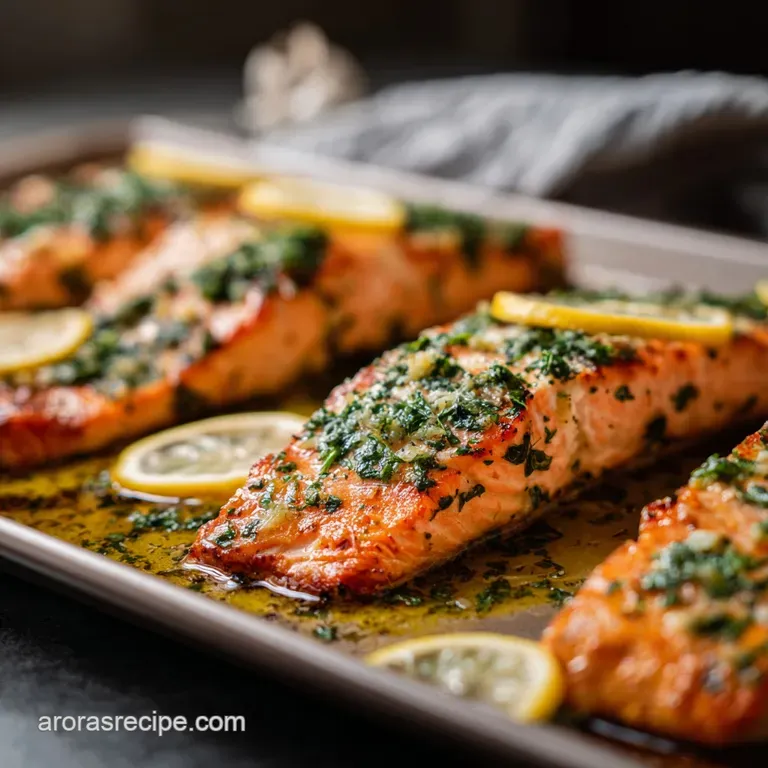
- Time: Active 5 minutes, Passive 12 minutes, Total 17 minutes
- Flavor/Texture Hook: Silky, buttery flakes with a vibrant hit of garlic and lemon
- Perfect for: Busy weeknight suppers or stress free Sunday family dinners
- Practical Guide on how to bake salmon in oven
- Why This Stress Free Hearty Salmon Recipe Always Works
- Core Recipe Specs for Your Next Family Supper
- Shopping List Breakdown for Smart Budget Cooking
- Equipment Needed for a Reliable Oven Roast
- Reliable Steps for a Stress Free Salmon Dinner
- Avoiding Kitchen Disasters and Common Salmon Mistakes
- Flavor Variations for Your Midwestern Kitchen
- Freezing and Reheating Guide for Busy Families
- Serving Suggestions for a Complete Hearty Meal
- Recipe FAQs
- 📝 Recipe Card
Practical Guide on how to bake salmon in oven
There is nothing quite like the scent of fresh lemon zest and minced garlic hitting a warm pan of fish. I remember the first time I tried to make salmon for my family back in our small Midwestern kitchen. I was so worried about it being undercooked that I left it in until it was basically a brick.
We all smiled and chewed through it, but I knew I had to find a better way. This method is the result of years of trial and error, focusing on a stress free approach that works every single time.
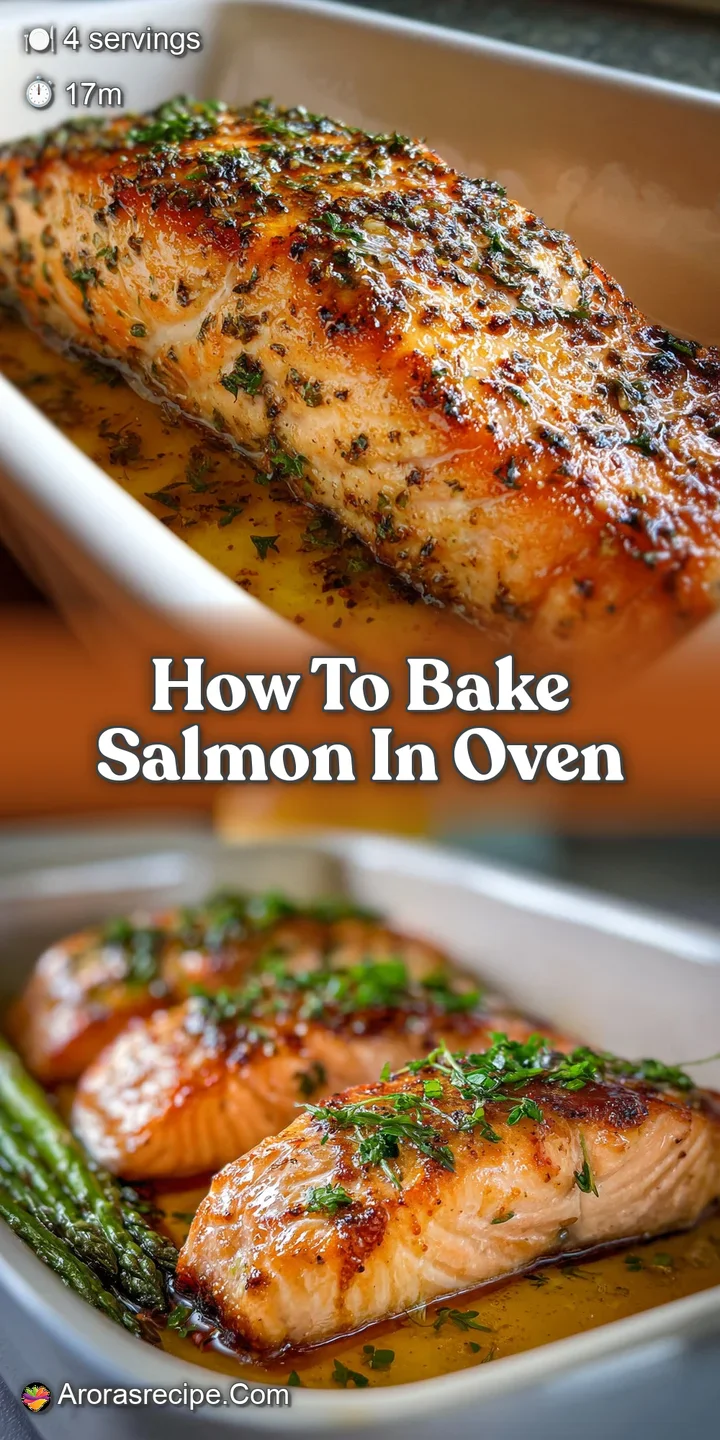
When you slide that tray into the heat, you want to hear a gentle sizzle, not a roar. The goal is to reach that point where the fish transitions from translucent to a soft, opaque pink that just falls apart at the touch of a fork.
We aren't doing anything fancy here, just good, hearty cooking that respects your budget and your time. You don't need to be a professional to get results that make everyone reach for seconds.
We are going to walk through exactly how to handle your fillets, what to look for through the oven door, and how to swap ingredients if your pantry is looking a bit bare. It is all about building confidence in the kitchen so you can spend less time worrying and more time enjoying a solid meal with the people you love.
Right then, let's get into the details of what makes this dish a staple in my home.
Why This Stress Free Hearty Salmon Recipe Always Works
- Lipid Layering: Using both olive oil and butter creates a fat rich coating that prevents the dry oven air from pulling moisture out of the muscle fibers.
- Thermal Buffering: The minced garlic and herbs act as a tiny insulation layer on the surface, slowing down the heat transfer to the delicate top of the fillet.
- Acid Balance: Lemon juice breaks down the lean proteins just enough to keep the texture velvety rather than chewy.
- Carryover Control: Finishing the cook just before the target temperature ensures the internal juices redistribute instead of evaporating during the rest.
Quick Decision Cooking Chart
| Thickness of Fillet | Internal Temp Target | Rest Time | Visual Cue |
|---|---|---|---|
| 1.5 cm (Thin) | 52°C | 3 minutes | Edges turn pale pink |
| 2.5 cm (Standard) | 54°C | 5 minutes | Center is barely opaque |
| 4 cm (Thick/King) | 55°C | 5 minutes | Flakes separate easily |
Knowing your fish thickness is half the battle when learning how to bake salmon in oven. Most grocery store fillets fall into that middle category, which is the sweet spot for a juicy result.
If you find yourself with uneven pieces, you can always tuck the thin tail end under itself to create a more uniform thickness across the baking sheet.
Core Recipe Specs for Your Next Family Supper
When you are standing in the aisle at the market, it can be tempting to grab whatever is on sale. I have found that while fresh is lovely, high-quality frozen fillets can be just as good if you thaw them properly in the fridge overnight. This is a budget smart way to keep salmon on the menu without breaking the bank.
| Feature | Fresh Market Fillets | Frozen Shortcut Fillets |
|---|---|---|
| Texture | Firm and resilient | Slightly softer after thaw |
| Budget | Usually higher price | Best value for families |
| Prep Time | Ready to season | Needs 12 hours to thaw |
If you are in a real pinch and forgot to thaw your fish, you can actually learn how to bake salmon in oven from frozen, though you will need to add about ten minutes to the timer. For the best flavor, though, sticking to thawed or fresh fillets ensures the seasoning really sticks to the surface instead of sliding off with the melting ice.
Shopping List Breakdown for Smart Budget Cooking
I like to keep my shopping list simple and focus on items that I already have in my Midwestern pantry. You don't need a dozen different spices to make this taste like a million bucks. We are looking for 4 center cut salmon fillets, which should be about 170g each.
This size is hearty enough for an adult portion without being overwhelming.
Component Analysis
| Ingredient | Science Role | Pro Secret |
|---|---|---|
| Salmon Fillets | Main Protein | Pat dry with paper towels to ensure the oil sticks properly. |
| Unsalted Butter | Fat & Flavor | Melt it just until liquid so it emulsifies with the lemon juice. |
| Fresh Garlic | Aromatic | Use a microplane to turn it into a paste for better coverage. |
| Fresh Dill | Herbaceous Finish | Add half before baking and half after for layered flavor levels. |
Smart Ingredient Swaps
| Original Ingredient | Substitute | Why It Works |
|---|---|---|
| Extra Virgin Olive Oil | Grapeseed or Avocado Oil | These have higher smoke points and neutral flavors for a clean finish. |
| Fresh Lemon Juice | Bottled Lemon Juice | Provides the necessary acidity. Note: Lacks the aromatic oils of fresh zest. |
| Fresh Garlic (3 cloves) | Garlic Powder (1 tsp) | Distributes evenly. Note: Lacks the pungent bite of fresh cloves. |
| Unsalted Butter | Salted Butter | Adds the same fat. Note: Reduce added sea salt by half to compensate. |
Using what you have on hand is the ultimate stress free move. If you don't have dill, parsley or even a pinch of dried oregano will do the trick. If you’re looking for a slightly different citrus profile, our Baked Salmon at recipe uses a similar logic but focuses on over high heat lemon infusion.
Equipment Needed for a Reliable Oven Roast
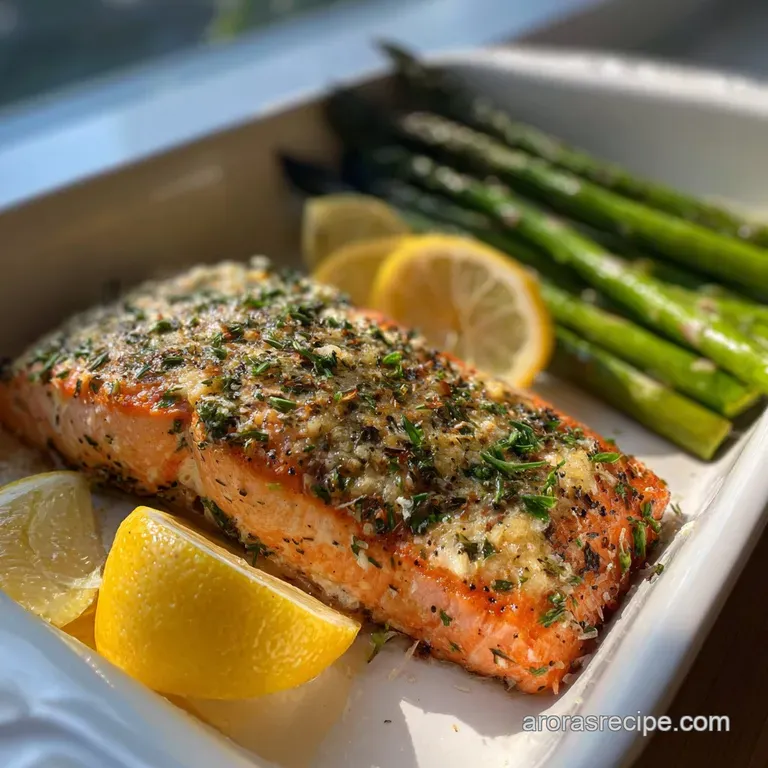
You don't need a kitchen full of gadgets for this. A standard rimmed baking sheet is my go to because it allows air to circulate around the fish better than a deep casserole dish. I always line mine with parchment paper or aluminum foil.
Not only does this stop the skin from sticking, but it makes cleanup a breeze, which is a big win in my book.
A small glass bowl for mixing your "liquid gold" (the butter and herb mixture) and a pastry brush are helpful, but honestly, a spoon works just fine. If you want to be precise, a digital meat thermometer is the best investment you can make for your kitchen.
It takes all the guesswork out of whether the fish is done or not.
Reliable Steps for a Stress Free Salmon Dinner
- Preheat the oven. Set your rack to the middle position and heat to 200°C. Note: This ensures even heat distribution above and below the fish.
- Dry the salmon. Use paper towels to pat the 4 fillets (170g each) completely dry on all sides. Continue until the surface feels tacky, not slippery.
- Arrange on the tray. Place the fillets on a lined baking sheet, leaving at least 3 cm of space between them.
- Whisk the topping. Combine 2 tbsp olive oil, 1 tbsp melted butter, 1 tbsp lemon juice, and 3 minced garlic cloves in a small bowl.
- Season the fish. Sprinkle 1 tsp sea salt and 1/2 tsp black pepper evenly over the fillets.
- Apply the emulsion. Spoon or brush the garlic butter mixture over each piece, ensuring the tops and sides are well coated.
- Bake the fillets. Slide the tray into the oven and cook for 12 minutes until the thickest part flakes easily with a fork.
- Check for doneness. The internal temperature should reach 54°C for a medium well finish.
- Add final aromatics. Remove from the oven and immediately sprinkle with 1 tbsp of chopped fresh dill or parsley.
- Rest the fish. Let the salmon sit on the tray for 5 minutes until the juices settle and the color deepens slightly.
If you prefer a hotter, faster roast for a different texture, you might want to try our Bake Salmon 400 recipe. It is great for when you want a bit more of a crust on the outside while keeping the middle soft.
Avoiding Kitchen Disasters and Common Salmon Mistakes
One of the most common frustrations I hear from friends is about that weird white stuff that sometimes leaks out of the fish. That is called albumin. It is just a protein that gets pushed out when the muscle fibers contract too quickly from high heat.
While it is perfectly safe to eat, it usually means the fish is a little overcooked or was cooked at too high a temperature too fast.
Another issue is soggy skin. If you are baking salmon in foil and seal it up tightly, the steam stays trapped inside. This is great for moisture, but it will never give you "crispy" results. If you want that skin to have some bite, leave the top of the foil open or just bake it directly on parchment paper.
Troubleshooting the Roast
| Problem | Root Cause | Solution |
|---|---|---|
| White spots on surface | Cooked too fast/high | Reduce temp or pull fish out 2 minutes earlier next time. |
| Fish sticks to the pan | Lack of fat or surface moisture | Use parchment paper and ensure the skin is oiled before placing down. |
| Rubbery texture | Overcooked proteins | Use a thermometer and aim for 54°C internal temp. |
Common Mistakes Checklist
- ✓ Skipping the pat dry step (this leads to steaming instead of roasting).
- ✓ Placing the fish in a cold oven (always wait for the beep!).
- ✓ Overcrowding the baking sheet (air needs to move to cook the sides).
- ✓ Cutting into the fish immediately (resting is mandatory for juice retention).
- ✓ Using "light" butter spreads (the water content will ruin the emulsion).
Flavor Variations for Your Midwestern Kitchen
1. The Lipid Insulation Technique
By mixing the butter and oil, you create a complex fat profile. The butter provides that homestyle, rich flavor we love in the Midwest, while the olive oil keeps the butter from burning too quickly in the 200°C heat. This creates a "shield" that lets the fish gently poach in its own fats.
2. Mediterranean Herb Crust
If you want to move away from dill, try a mix of dried oregano, thyme, and a pinch of red pepper flakes. This goes beautifully with some roasted cherry tomatoes on the same vine. It turns your simple bake into a vibrant, colorful meal that looks much fancier than it actually is.
3. Hot Honey and Lime
For those who like a little kick, swap the lemon for lime and add a teaspoon of honey mixed with a dash of cayenne pepper. The sugar in the honey will caramelize slightly under the oven heat, giving you a beautiful golden glow on the top of your fillets.
Freezing and Reheating Guide for Busy Families
Storage: You can keep cooked salmon in the fridge for up to 3 days. I recommend putting it in a glass container with a tight lid. The smell of fish can travel, so a good seal is your friend here.
Freezing: I don't usually recommend freezing cooked salmon as the texture can become quite grainy once thawed. However, if you must, wrap it tightly in plastic wrap and then foil. It will stay "good" for about 2 months, but use it in something like a fish pie or chowder where the texture is masked.
Reheating: This is where most people go wrong! Don't use the microwave if you can help it; it turns the fish into rubber. Instead, place it in a 135°C oven with a splash of water or a tiny pat of butter on top, covered with foil, for about 8-10 minutes.
This gently warms it through without drying it out further.
Zero Waste Tip: If you have leftover scraps, don't toss them! Flake the cold salmon into a bowl, mix with a little mayo, lemon, and green onions, and you have the best salmon salad for lunch the next day.
You can also toss the skin (if you removed it) into a hot pan for 2 minutes to make "salmon bacon" as a crispy salad topper.
Serving Suggestions for a Complete Hearty Meal
In my house, we love serving this with a big scoop of buttery mashed potatoes or some fluffy rice to soak up that extra garlic butter from the tray. A side of roasted green beans or asparagus can go right on the same baking sheet if you have space, making it a true one pan wonder.
If you are looking for a more traditional Japanese pairing, a Japanese Fish Cake Recipe makes a wonderful side dish or appetizer for a seafood themed night. It adds a nice bouncy texture contrast to the flaky salmon.
Whatever you choose to serve it with, just remember that the fish is the star. Keep the sides simple and let those buttery, garlicky flavors shine. Cooking doesn't have to be a chore, and with this recipe in your back pocket, you'll always have a reliable, hearty meal ready to go.
Don't be afraid to experiment with the herbs or the citrus, because that is how you'll find your own "perfect" version of this classic dish. Happy baking!
Recipe FAQs
How long does it take to cook salmon at 400 in the oven?
About 12-15 minutes. This time can vary based on the thickness of your fillet; thicker pieces will require slightly longer. For a precise temperature, aim for an internal reading of 54°C. If you prefer a faster cook with a crispier exterior, our Bake Salmon 400 recipe is a great option.
Is it best to cook salmon at 350 or 400?
400°F is generally better for a quicker cook and crispier exterior. While 350°F works, it's a slower bake that can sometimes lead to a drier fish if you're not careful. The higher temperature at 400°F cooks the salmon more rapidly, locking in moisture and developing a nice crust. This technique is similar to how we achieve tender results in other recipes, like Roast Chicken.
Should salmon be covered or uncovered when baking?
Uncovered is best for achieving a flaky, roasted texture. Covering the salmon will steam it rather than bake it, preventing any desirable browning or crisping of the skin. If you’re looking for a similar moist outcome but with a different flavor profile, consider our Miso Seafood Dinner: Umami Bomb Glazed Salmon Recipe.
How long to heat up salmon at 400 degrees?
About 12-15 minutes for raw salmon. If reheating cooked salmon, aim for around 8-10 minutes at a lower temperature (like 135°C) with a splash of liquid to keep it moist. The goal with raw salmon is to reach an internal temperature of 54°C for perfect flakiness.
How do I prevent salmon from sticking to the baking sheet?
Use parchment paper or aluminum foil and ensure adequate fat. Lining your baking sheet creates a non-stick barrier. Also, make sure the skin side is lightly oiled or the top of the fillet is coated with butter or oil before baking. This prevents the delicate flesh from adhering to the pan.
What is the white stuff that comes out of salmon when cooking?
That white substance is called albumin. It's a protein that leaks out when the fish is cooked too quickly or at too high a temperature, causing the muscle fibers to contract rapidly. While harmless, it's often an indicator that the salmon might be slightly overcooked or cooked too aggressively.
How can I tell when salmon is done cooking?
It should flake easily with a fork and be opaque pink. The most reliable method is using an instant read thermometer, aiming for an internal temperature of 54°C. Visually, the flesh will lose its translucence and separate into flakes when gently pressed with a fork.
Bake Salmon In Oven
Ingredients:
Instructions:
Nutrition Facts:
| Calories | 442 kcal |
|---|---|
| Protein | 34.8 g |
| Fat | 32.4 g |
| Carbs | 1.2 g |
| Fiber | 0.1 g |
| Sugar | 0.2 g |
| Sodium | 610 mg |
