High Protein Baked Lemon Dijon Salmon with Garlic
- Time: Active 10 minutes, Passive 12 minutes, Total 22 minutes
- Flavor/Texture Hook: Zesty, buttery, and incredibly flaky
- Perfect for: Busy weeknight dinners or post workout meal prep
- Flavorful High Protein Baked Lemon Dijon Salmon
- Essential Timing and Specs
- Quality Ingredients and Substitutions
- Essential Equipment for Baking
- Mastering the Cooking Process
- Fixing Common Kitchen Disasters
- Creative Flavor and Dietary Tweaks
- Proper Storage and Zero Waste
- Perfectly Paired Side Dishes
- Debunking Kitchen Myths
- High in Sodium
- Recipe FAQs
- 📝 Recipe Card
Flavorful High Protein Baked Lemon Dijon Salmon
The smell of minced garlic hitting melted butter is basically my love language. I remember the first time I tried making this in my tiny Nashville apartment - I was so worried about overcooking the fish that I basically stared at the oven window for twelve minutes straight.
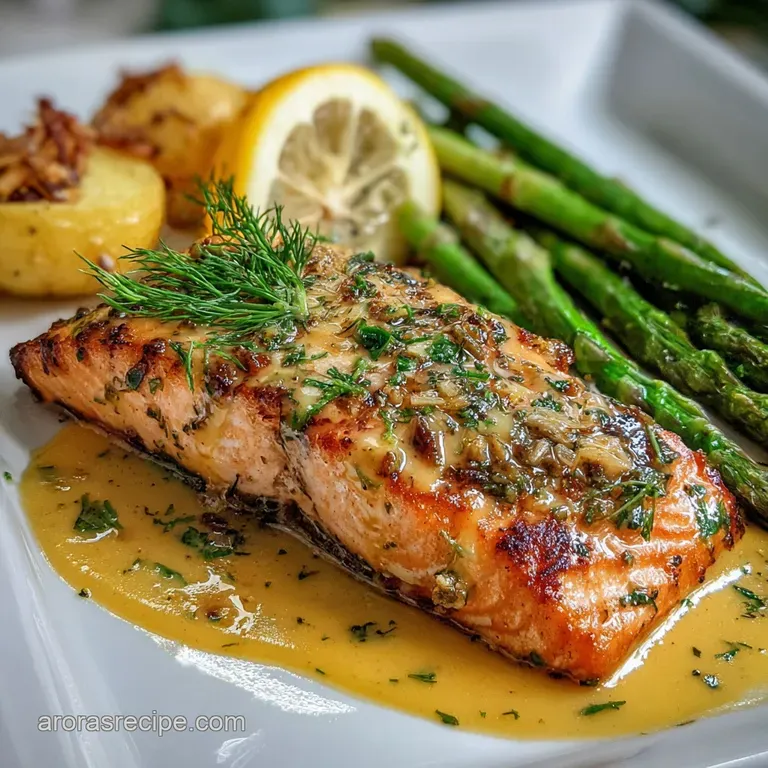
This recipe showcases a wonderfully flavorful High Protein Baked Lemon Dijon Salmon with Garlic. It is one of those magic meals where you feel like a pro chef but actually spend most of the time just waiting for the timer to beep.
We have all had that sad, dry, rubbery fish that tastes like cardboard. Trust me, I have made it more times than I would like to admit! But once you figure out how that tangy Dijon mustard creates a velvety barrier to keep the juices inside, you will never go back to plain salt and pepper again.
It is simple, it is comforting, and honestly, it is the kind of dinner that makes you want to lick the plate clean.
Whether you are trying to hit your protein goals or just want a fancy feeling dinner without the mountain of dishes, this dish delivers. We are skipping the complex techniques and sticking to what actually works in a real home kitchen. Right then, let's get your apron on and get to work.
Essential Timing and Specs
Success in the kitchen often comes down to knowing exactly when to pull the plug on the heat. Salmon is delicate, and even sixty seconds too long can turn a silky fillet into something much less appetizing. I always keep a digital thermometer handy to make sure I am hitting the sweet spot.
The Physics of the FlakeProtein Denaturation: As the salmon heats, the coiled proteins unwrap and bond together, squeezing out moisture if the temperature rises too quickly or too high.
The Dijon mustard acts as an insulator, slowing this process down so the center stays tender while the outside develops a beautiful crust.
| Thickness | Internal Temp | Rest Time | Visual Cue |
|---|---|---|---|
| 1 inch | 145°F | 3 minutes | Opaque center with slight flake |
| 1.5 inches | 145°F | 4 minutes | Firm to touch, not bouncy |
| 0.5 inches | 140°F | 2 minutes | Edges slightly golden |
Understanding your oven is just as important as the timer. Most home ovens have hot spots, so I usually recommend rotating your pan halfway through if you notice one fillet browning faster than the others. If you are looking for more tips on heat management, you might find my Baked Salmon at recipe quite helpful for mastering different oven temperatures.
Quality Ingredients and Substitutions
Using fresh ingredients makes a world of difference here. I always look for fillets that are bright in color and firm to the touch. If the fish smells "fishy" before you even start, it is probably past its prime. Freshness is the ultimate secret ingredient.
| Ingredient | Science Role | Pro Secret |
|---|---|---|
| Salmon Fillets | Main protein structure | Pat dry to ensure the glaze sticks |
| Dijon Mustard | Emulsifier and insulator | Use "creamy" style for better coverage |
| Lemon Juice | Acidic tenderizer | Freshly squeezed has active enzymes |
| Garlic | Aromatic flavor base | Mince very fine to avoid bitter bites |
For the best results, stick to the basics. I love using a high-quality sea salt (like Diamond Crystal) because the flakes dissolve evenly into the mustard. Here is exactly what you will need from your pantry:
- 4 (6 oz) Salmon Fillets: The star of the show, packed with omega-3s.
- 1 tsp Sea Salt: To draw out the natural flavors.
- 1/2 tsp Cracked Black Pepper: For a little bit of earthy heat.
- 3 tbsp Dijon Mustard: This acts as the glue for our flavors. Why this? It emulsifies the fats and acids into a thick, protective coating.
- 1 tbsp Melted Butter: Adds that Nashville style richness.
- 2 tbsp Freshly Squeezed Lemon Juice: Cuts through the fat of the fish.
- 1 tsp Lemon Zest: Where the real citrus punch lives.
- 4 cloves Garlic, minced: Because you can never have too much garlic.
- 1 tbsp Fresh Parsley, finely chopped: For a pop of color and freshness.
- 1/2 tsp Red Pepper Flakes: Just enough to wake up the palate.
| Original Ingredient | Substitute | Why It Works |
|---|---|---|
| Melted Butter | Olive Oil | Provides healthy fats but lacks the milky sweetness. |
| Dijon Mustard | Stone Ground Mustard | Adds texture but has a more aggressive vinegar bite. |
| Fresh Parsley | Dried Dill | Adds a traditional "fish" herb flavor. Note: Use only 1 tsp. |
| Lemon Juice | Apple Cider Vinegar | Provides necessary acidity but lacks citrus aromatics. |
When it comes to the garlic, there is no shortcut for the real deal. Jarred garlic often has a metallic aftertaste that can ruin the delicate flavor of the salmon.
| Element | Fresh Garlic | Jarred Garlic |
|---|---|---|
| Flavor Profile | Sharp, pungent, and sweet when cooked | Mellow, slightly acidic, and muted |
| Texture | Crisp bits that soften | Soft, sometimes mushy |
Essential Equipment for Baking
You do not need a fancy kitchen to make a restaurant quality meal. I have made this on a cheap aluminum sheet pan and in a high end cast iron skillet - both turned out great. However, having a few specific tools will make your life a lot easier and the cleanup a lot faster.
Chef's Tip: Grate your lemon zest directly over the mustard mixture. The oils from the skin will fall right into the bowl instead of getting stuck to your cutting board. This preserves every bit of that bright aroma.
I usually reach for a sturdy baking sheet, like one from Lodge or Nordic Ware. Lining it with parchment paper is a non negotiable for me. It prevents the skin from sticking and makes cleanup a thirty second job.
You will also need a small glass bowl for whisking the glaze and a pastry brush if you want to be precise, though a spoon works just fine in a pinch.
If you are a fan of different textures, you might want to compare this method to a Coho Salmon Recipe which often uses a pan searing technique for a crispier skin.
Mastering the Cooking Process
This is where the magic happens. The goal is to move efficiently so the fish stays cold until the very moment it hits the oven. This helps the outside cook at a similar rate to the center.
- 1. Prep Flow
- Whisk the glaze, zest the lemon, and pat the salmon dry with paper towels.
- 2. Cooking Flow
- Coat the fillets generously and bake for exactly 12 minutes at 400°F.
- 3. Finish Flow
- Let the fish rest on the pan for 3 minutes before garnishing with fresh parsley.
step-by-step Instructions 1. Preheat your oven to 400°F. Note: A hot oven is crucial for a quick bake that doesn't dry the fish out. 2. Line a baking sheet with parchment paper. This keeps the fillets from tearing when you go to serve them.
3. Pat the 4 (6 oz) Salmon Fillets completely dry. Use a paper towel to remove every bit of surface moisture. 4. Season the fish with 1 tsp Sea Salt and 1/2 tsp Cracked Black Pepper. Do this before adding the wet glaze so the seasoning sticks to the protein. 5.
Whisk together the 3 tbsp Dijon Mustard, 1 tbsp Melted Butter, 2 tbsp Lemon Juice, and 1 tsp Lemon Zest. The mixture should look thick and creamy. 6. Stir in the 4 cloves minced Garlic and 1/2 tsp Red Pepper Flakes. This ensures the aromatics are evenly distributed. 7.
Spoon the glaze over each fillet. Use the back of the spoon to spread it all the way to the edges. 8. Bake for 12 minutes. Bake until the salmon flakes easily with a fork and looks opaque. 9. Remove from oven and let rest.
Allow it to sit for 3 minutes so the juices redistribute. 10. Garnish with 1 tbsp Fresh Parsley. Serve immediately while the butter is still warm.
Fixing Common Kitchen Disasters
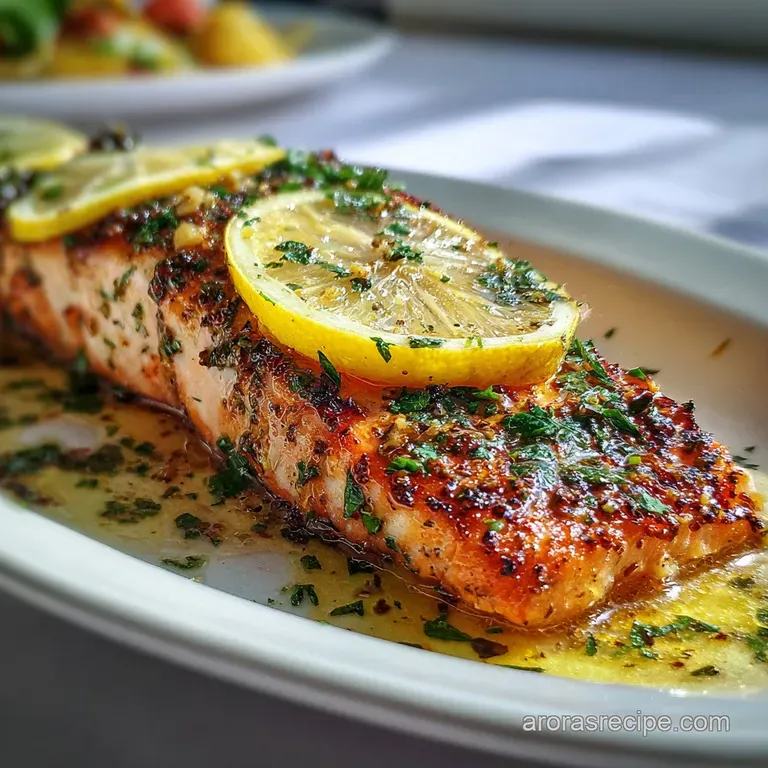
Even the best cooks have days where things don't go according to plan. The most common issue with salmon is "white stuff" appearing on the surface. That is called albumin, and while it is perfectly safe to eat, it usually means the fish was cooked a bit too fast or at too high a temperature.
Sidestepping the Rubbery Texture
If your salmon feels like a bouncy ball, it is overdone. To avoid this, start checking the internal temperature at the 10 minute mark. Every oven is different, and thickness varies wildly between the tail and the center cut.
Preventing White Albumin Seepage
Albumin is a protein that is pushed out of the muscle fibers when they contract too tightly. To minimize this, try brining the salmon in a basic salt water solution for 10 minutes before cooking, or simply ensure you don't exceed that 145°F internal temperature.
| Problem | Root Cause | Solution |
|---|---|---|
| Dry, Chalky Meat | Overcooking/High Heat | Pull from oven at 140°F; let carryover heat do the rest. |
| Glaze Sliding Off | Wet Salmon Surface | Pat the fillets very dry with paper towels before glazing. |
| Bitter Garlic Flavor | Burnt Garlic Bits | Ensure garlic is mixed into the wet glaze, not sitting on top. |
Common Mistakes Checklist
- ✓ Never skip the "pat dry" step - moisture is the enemy of a good glaze.
- ✓ Don't use "light" or "honey" mustard - the flavor profile will be completely off.
- ✓ Avoid crowding the pan; leave at least two inches between fillets for air circulation.
- ✓ Do not wash your salmon in the sink - it spreads bacteria and ruins the texture.
- ✓ Always zest the lemon before you juice it; it is nearly impossible to zest a squished lemon.
Creative Flavor and Dietary Tweaks
One of the reasons I love this Dijon Salmon with Garlic so much is how easy it is to customize. If you are bored with the standard flavor profile, you can easily pivot without changing the cook time or temperature.
- If you want a Spicy Kick: Increase the red pepper flakes to 1 teaspoon or add a dash of sriracha into the mustard mixture.
- If you want it Keto Friendly: This recipe is already naturally low carb, but you can swap the butter for ghee if you are avoiding dairy.
- If you want a Smoky Finish: Add 1/2 teaspoon of smoked paprika to the glaze.
For those who enjoy a bit of crunch, you can press some crushed pecans or walnuts into the glaze before baking. It adds a wonderful Southern texture that reminds me of Sunday dinners back home.
Proper Storage and Zero Waste
Leftover salmon is a gift, honestly. It is perfect cold over a salad the next day. I usually store my leftovers in a glass airtight container to keep the fridge from smelling like a fish market. It will stay fresh for up to 3 days in the refrigerator.
When it comes to reheating, proceed with caution. Microwaving salmon usually leads to a rubbery mess. I prefer to flake the cold salmon and toss it into a warm pasta dish or use it in "salmon cakes." If you must reheat the whole fillet, do it in a 300°F oven with a splash of water and a cover of foil for about 8 minutes.
Zero Waste Tip: Don't throw away those lemon halves after juicing! Toss them into a pot of simmering water with a cinnamon stick to make your house smell amazing, or use them to scrub your wooden cutting board with a little coarse salt to disinfect it naturally.
Perfectly Paired Side Dishes
What you serve alongside your High Protein Baked Lemon Dijon Salmon can turn a simple meal into a feast. Since the salmon is quite rich from the butter and mustard, I usually look for sides that offer a bit of crunch or a bright, clean flavor.
I personally love serving this over a bed of garlicky sautéed spinach or with some roasted asparagus. The lemon in the salmon glaze acts like a built in dressing for the greens. If you need something more filling, a simple quinoa pilaf or some smashed baby potatoes works wonders.
Another trick I learned from my grandmother is to serve a small bowl of extra "clean" lemon wedges on the table. Some people love that extra hit of acid to cut through the fatty omega-3s in the fish. It’s all about balance, honey!
Debunking Kitchen Myths
One of the biggest myths I hear is that you must "seal in the juices" by searing the meat first. That is actually not how physics works! Searing creates flavor through the Maillard reaction, but it doesn't create a moisture proof seal.
In fact, the high heat of searing can sometimes dry out the exterior before the inside is even warm.
Another common misconception is that "fresh" salmon at the grocery store is always better than frozen. Most salmon is "flash frozen" right on the boat, which actually preserves the cellular structure and nutrients better than fish that has been sitting in a display case for three days.
Don't be afraid of the freezer aisle!
Finally, many people think you should leave the salmon out to reach room temperature before cooking. With fish, this is actually a safety risk and doesn't significantly help with even cooking like it does with a thick ribeye. Take it straight from the fridge, glaze it, and get it in the oven.

High in Sodium
885 mg mg of sodium per serving (38% % of daily value)
The American Heart Association recommends limiting sodium intake to no more than 2,300mg per day for overall cardiovascular health.
Tips to Reduce Sodium in Your Salmon
-
Reduce Sea Salt-25%
Cut back on the sea salt. Start by using only 1/4 tsp instead of 1 tsp and taste. Salt can always be added, but can't be removed. This is the highest sodium contributor. Consider eliminating salt entirely.
-
Low Sodium Dijon-20%
Opt for a low-sodium Dijon mustard. Many brands offer versions with significantly less sodium than the standard varieties. Check the nutrition label and choose one with the lowest sodium content. Look for options with 50mg or less per serving.
-
Enhance Lemon Flavor-15%
Increase the lemon zest to 2 tsp and the lemon juice to 3 tbsp for a brighter, more impactful flavor. This allows you to reduce the need for salt to enhance the taste of the salmon. Lemon intensifies the perceived flavor.
-
Unsalted Butter-10%
Use unsalted butter instead of salted butter. This eliminates a source of added sodium and allows you to control the salt level in the recipe more precisely. You can always add a pinch of salt if needed.
-
Adjust Red Pepper Flakes-5%
Reduce the amount of red pepper flakes to 1/4 tsp or eliminate them altogether. This can help to reduce the perceived need for salt, as the heat from the pepper provides a different flavor dimension. Adjust according to your spice preference.
-
Fresh Herbs & Spices
Experiment with other fresh herbs and spices like dill, oregano, or thyme to add depth of flavor without adding sodium. Fresh herbs provide aromatic complexity and can reduce reliance on salt.
Recipe FAQs
Is Dijon mustard good on salmon?
Yes, Dijon mustard is excellent on salmon. It acts as a brilliant binder for seasonings while adding a sharp, tangy counterpoint to the fish's natural richness. The acid in the mustard also helps tenderize the exterior layer.
Do you put lemon on salmon before or after cooking in the oven?
Apply lemon juice and zest both before and after cooking. Use the juice and zest in the glaze applied before baking to introduce acidity early on, then squeeze fresh lemon over the finished fish for a bright lift of fresh flavor.
Is baked salmon a good source of protein?
Yes, baked salmon is an exceptional source of high-quality protein. A standard fillet provides a substantial amount of protein needed for muscle repair and satiety, plus it delivers essential Omega-3 fatty acids.
Should I add lemon to salmon before or after cooking?
Apply lemon juice and zest both before and after cooking. Use the juice and zest in the glaze applied before baking to introduce acidity early on, then squeeze fresh lemon over the finished fish for a bright lift of fresh flavor.
How to ensure the salmon stays moist while baking at 400°F?
Coat the fillets generously with the Dijon glaze and pull them before they reach full doneness. The mustard layer insulates the fish, slowing moisture loss, and you should aim to remove them when the internal temperature hits 140°F to allow carryover cooking. If you are mastering heat management for proteins, check out the temperature guidance in our Bake Salmon 400 recipe.
What is the white substance that sometimes appears on baked salmon?
The white substance is cooked albumin, which is harmless but signals the fish cooked too quickly or hot. To minimize this, pat the salmon very dry before glazing and ensure you do not exceed 145°F internally. If you are looking for a richer sauce profile, the technique of stabilizing liquids is key in our Chicken Cordon Bleu Sauce recipe.
How can I make this recipe richer or creamier?
Whisk heavy cream or mascarpone cheese into the Dijon glaze. Adding about two tablespoons of heavy cream will significantly increase the fat content, leading to a creamier mouthfeel similar to what you would find in pan-sauce recipes. For an alternative creamy texture achieved in one pot, see our Creamy Tuscan Salmon recipe.
Baked Lemon Dijon Salmon
Ingredients:
Instructions:
Nutrition Facts:
| Calories | 392 kcal |
|---|---|
| Protein | 36 g |
| Fat | 25 g |
| Carbs | 2 g |
| Fiber | 0.4 g |
| Sugar | 0.6 g |
| Sodium | 885 mg |
