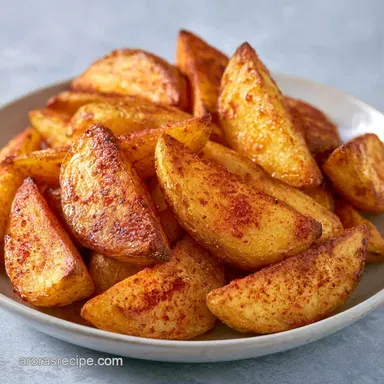
Baked Potato Wedges: Crispy and Golden
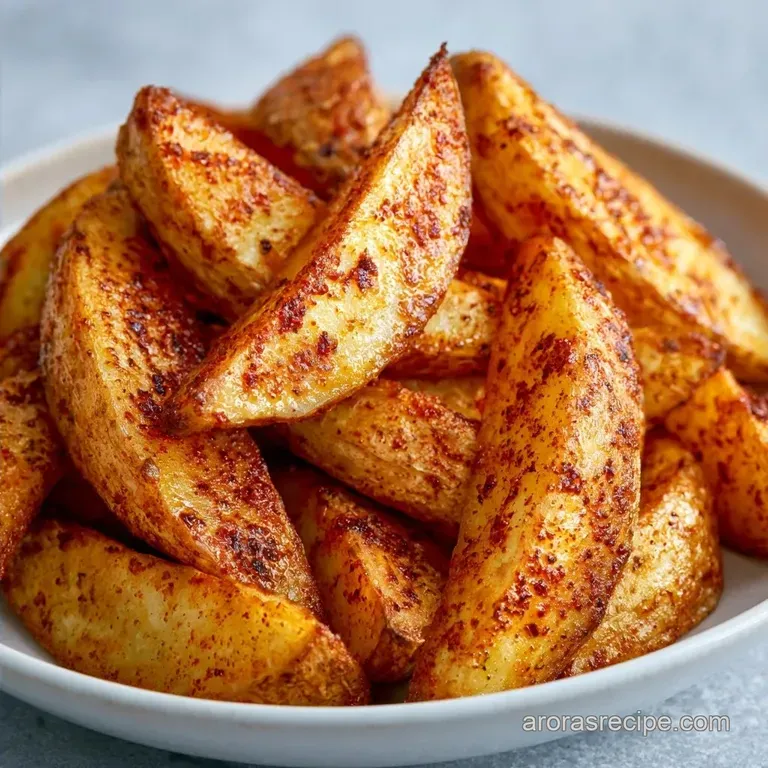
- Time: 10 min active + 35 min bake
- Flavor/Texture Hook: Mahogany gold crust with a fluffy center
- Perfect for: Easy weeknight sides or game day snacks
The smell of paprika and garlic hitting a hot oven is one of my favorite things about home cooking. There is something about the way the potatoes sizzle on the parchment paper that just feels like comfort.
I grew up eating these kinds of sides in Nashville, where the goal was always to get that hearty, homemade feel without spending all day at the stove.
The real star here is the Russet potato. While Yukon Golds work if that's all you have, the higher starch content in a Russet is what makes these Baked Potato Wedges actually hold onto the seasoning. Other potatoes tend to be too waxy, which means they steam instead of crisp, leaving you with something limp.
You can expect a side that feels like a treat but doesn't leave your kitchen smelling like a fry basket. We are going for a deep mahogany color and a texture that snaps when you bite into it. Trust me on this, the cornstarch makes all the difference.
Baked Potato Wedges
The trick to the crunch is the cornstarch. It absorbs the surface moisture of the potato and creates a thin, starchy layer that browns quickly in the heat.
The Cornstarch Trick: This powder mixes with oil to form a paste that dries out rapidly in the oven. It creates a barrier that keeps the inside fluffy while the outside hardens.
High Heat Exposure: Cooking at 400°F triggers the browning of the potato sugars. This happens quickly, so you get a crust before the middle overcooks.
| Method | Time | Texture | Best For |
|---|---|---|---|
| Oven Bake | 35 min | Evenly crisp | Large batches |
| Stovetop | 20 min | Greasy/Crunchy | Small portions |
| Air Fryer | 15 min | Very dry crisp | Single servings |
Ingredient Deep Dive
When you look at the list, it seems basic, but each item has a job. The olive oil isn't just for flavor, it's the heat conductor that carries the spices into the potato.
| Ingredient | What It Does | Best Swap |
|---|---|---|
| Russet Potato | Provides fluffy interior | Yukon Gold (Creamier, less crisp) |
| Cornstarch | Creates the outer crunch | Arrowroot powder (Similar effect) |
| Olive Oil | Conducts heat/browning | Avocado oil (Higher smoke point) |
| Paprika | Adds color and earthiness | Smoked paprika (More intense flavor) |
The cornstarch is the non negotiable part. If you skip it, you're just making roasted potatoes, which are great, but they aren't "wedges" in the traditional, crispy sense. The cayenne adds a tiny bit of heat that you barely notice until the third or fourth piece, which is exactly where you want it.
Equipment Needed
You don't need a fancy kitchen for this. A large mixing bowl is a must so you can toss the wedges without knocking them off the counter. If the bowl is too small, the seasoning won't coat evenly, and you'll end up with some wedges that are bland and others that are salty.
A standard baking sheet works, but parchment paper is a life saver here. Without it, the cornstarch paste can stick to the pan, and you'll tear the crust off when you try to flip them. I usually use a heavy duty rimmed sheet to keep the oil from dripping onto the oven floor.
Finally, a sharp chef's knife is important for the cuts. You want the wedges to be uniform. If some are thin and others are thick, the thin ones will burn before the thick ones are soft in the middle.
The Cooking Process
Let's crack on with the actual making. The flow here is simple: prep the potatoes, coat them thoroughly, and blast them with heat.
Phase 1: The Precision Cut
Scrub 2 lbs of potatoes clean and pat them dry with a towel. Cut each potato in half lengthwise, then cut each half into 3 or 4 equal wedges. Aim for a thickness of about an inch.
Phase 2: The Flavor Coating
Whisk 3 tbsp olive oil and 1 tbsp cornstarch in a bowl until smooth. Add the wedges, 1 tsp garlic powder, 1 tsp paprika, 1 tsp kosher salt, ½ tsp black pepper, and ¼ tsp cayenne pepper. Mix until each piece is covered in a thin, matte paste. Note: Don't overmix or the wedges might break.
Phase 3: The over High heat Roast
Preheat your oven to 400°F (200°C). Line your pan with parchment and arrange the wedges in a single layer. Make sure they aren't touching, or they will steam instead of roast.
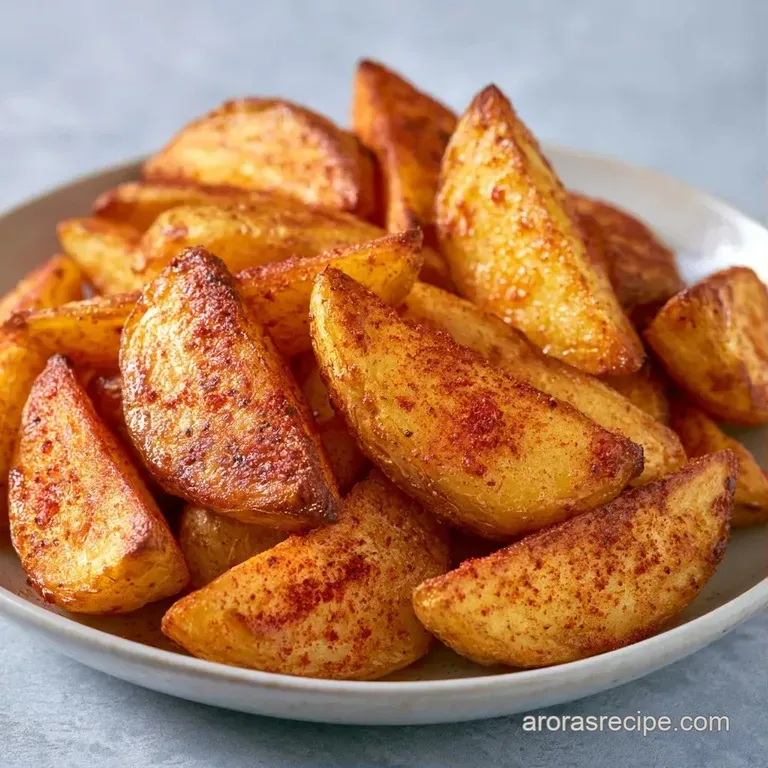
Bake for 30-35 minutes, flipping them halfway through, until they reach a deep mahogany gold color and feel firm.
Chef's Note: If you see the edges starting to blacken too quickly, slide the rack down one level. Every oven is a bit different, so keep an eye on them during the last 5 minutes.
What Can Go Wrong (and How to Fix It)
Even with a simple recipe, things happen. Usually, it comes down to moisture or crowding the pan.
Why Your Wedges Are Soggy
This usually happens if the potatoes were wet when they hit the oil or if you crowded the pan. When wedges touch, they trap steam between them. That steam turns the cornstarch into a mushy layer instead of a crisp one.
Burnt Outside, Raw Inside
This is a sign the oven is too hot or the wedges were cut too thick. If you're using massive Russet potatoes, you might need to slice them into thinner wedges to ensure the heat reaches the center in 35 minutes.
Seasoning Clumping
If the spices are sticking in balls, it means the oil and cornstarch weren't whisked properly first. Always make the "slurry" before adding the potatoes.
| Problem | Root Cause | Solution |
|---|---|---|
| Limp Texture | Too many on one pan | Use two baking sheets |
| Bland Taste | Under seasoned | Add a pinch of salt after baking |
| Burnt Bottoms | Direct pan contact | Use parchment paper |
Creative Twists and Swaps
Once you have the base down, you can play with the flavors. I love adding a tablespoon of grated Parmesan cheese during the last 5 minutes of baking for a salty, cheesy crust. If you want something different entirely, you can follow a similar method for crispy sweet potato fries, though those usually need a bit more time.
For a zesty kick, toss the hot wedges in a mix of lemon juice and fresh parsley the second they come out of the oven. The heat helps the herbs stick. You can also swap the paprika for curry powder to give these an international flare.
If you're avoiding gluten, most cornstarch is naturally gluten-free, but double check your brand. For a dairy-free option, this recipe is already set. If you want to use an air fryer, reduce the oil to 2 tbsp and cook at 400°F for 15-20 minutes, shaking the basket every 5 minutes.
Decision Shortcut:
- Want extra crunch? Add an extra teaspoon of cornstarch.
- Want a spicy kick? Double the cayenne pepper.
- Short on time? Cut the wedges thinner and reduce bake time to 25 minutes.
Scaling Guidelines
When you're cooking for a crowd, don't just double everything in one pan. That's the fastest way to get soggy potatoes.
Scaling Down (½ batch): Use 1 lb of potatoes. You can use a smaller quarter sheet pan. Reduce the bake time by about 5 minutes, but still flip halfway through.
Scaling Up (2x-4x batch): Work in batches. Use multiple baking sheets. I recommend only increasing the salt and spices to 1.5x the original amount, as they can become overpowering in large volumes.
If you crowd the oven with four pans, you might need to add 5-10 minutes to the total cook time because the cold potatoes will drop the oven temperature.
Potato Myths
You'll often hear that you have to boil potatoes before baking them to get them crispy. That's a common belief, but it's not necessary for this specific recipe. While boiling helps remove surface starch, our cornstarch coating does the heavy lifting by creating a dry crust.
Another myth is that "searing" them in a pan first helps. It might add a bit of flavor, but it adds a lot of work and extra oil. over High heat roasting at 400°F does the same thing more consistently.
Storage Guidelines
If you have leftovers, keep them in an airtight container in the fridge for up to 4 days. But be warned, they lose their crunch in the fridge.
To bring them back to life, don't use a microwave. That will make them rubbery. Instead, put them back in a 400°F oven or an air fryer for 5 minutes. This crisps the outside again without overcooking the inside.
For freezing, you can freeze them after the initial coating but before baking. Lay them flat on a tray to freeze individually, then bag them. Bake from frozen, adding about 10 minutes to the cook time. If you're looking for other ways to use up your potato stash, a classic potato gratin is a great way to use the softer parts of the potato.
Zero Waste Tip: Don't throw away the potato peels if you scrubbed them well. Toss them in the same oil and seasoning and bake them on the side of the pan. They turn into salty, crunchy potato chips.
Presentation Tips
These are comfort food, so you don't need to be too fancy. I like to pile them high in a wooden bowl or on a platter lined with brown parchment paper. It gives it a "gastropub" feel.
The Dipping Station: Since these Baked Potato Wedges are savory and slightly spicy, they pair well with cool dips. I recommend a side of garlic aioli or a spicy sriracha mayo. A simple sour cream mixed with chives and a squeeze of lime also cuts through the richness of the oil.
The Main Event Pairing: These are heavy, so pair them with something bright. A crisp green salad with a vinaigrette or some grilled chicken works well. If you're doing a burger night, these are the only side you'll need.
Just sprinkle a little extra flaky salt over the top right before serving to make the flavors pop.
Recipe FAQs
How long do you bake potato wedges?
Bake for 30 35 minutes at 400°F (200°C). Flip the wedges halfway through the cooking time to ensure they reach a uniform mahogany gold color.
How to make potato wedges in the oven?
Cut potatoes into uniform wedges and coat them in a mixture of olive oil and cornstarch. Toss with garlic powder, paprika, salt, pepper, and cayenne, then bake at 400°F on parchment paper for 30 35 minutes.
Is it better to bake potato wedges at 400°F or 425°F?
Stick with 400°F (200°C). This temperature provides the ideal balance, ensuring the interior is fully cooked while the outside becomes firm and crisp.
What are some good things to serve with potato wedges?
Pair them with bold, creamy dips. These wedges taste excellent when dipped in a creamy blue cheese sauce for a sharp flavor contrast.
Why add cornstarch to the oil coating?
Cornstarch absorbs surface moisture. It creates a thin, matte paste that helps the wedges achieve a professional level crunch without deep frying.
Is it true that baked potatoes are not okay for diabetics?
No, this is a common misconception. They can be included in a diabetic diet when enjoyed in moderation and paired with fiber rich vegetables.
Which potatoes work best for wedges?
Use Russet or Yukon Gold potatoes. Russets provide a classic fluffy interior, while Yukon Golds offer a denser, creamier texture.
Baked Potato Wedges