Beef Bourguignon: Rich Red Wine Sauce
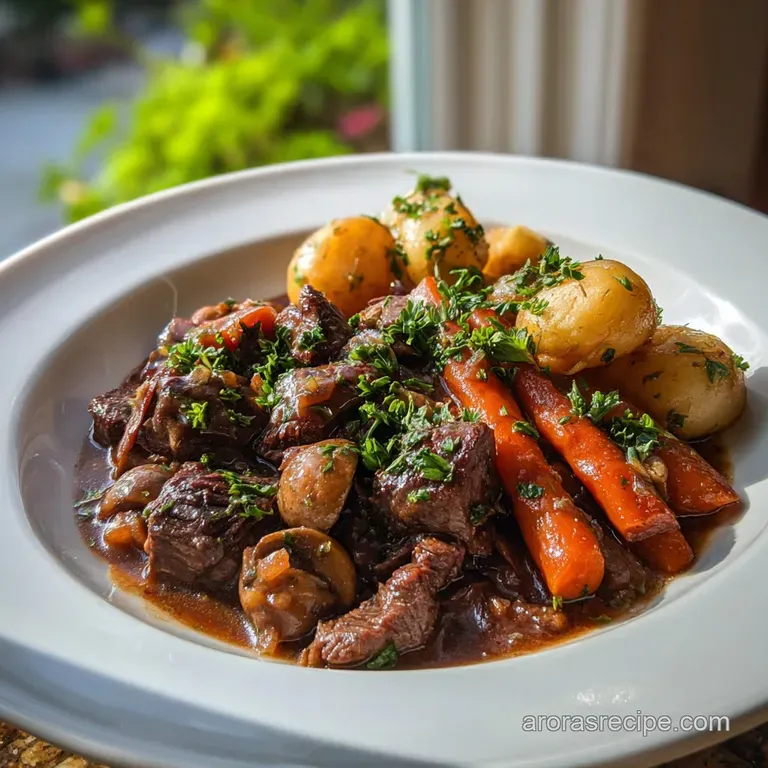
- Time: Active 30 minutes, Passive 3 hours, Total 3 hours 30 mins
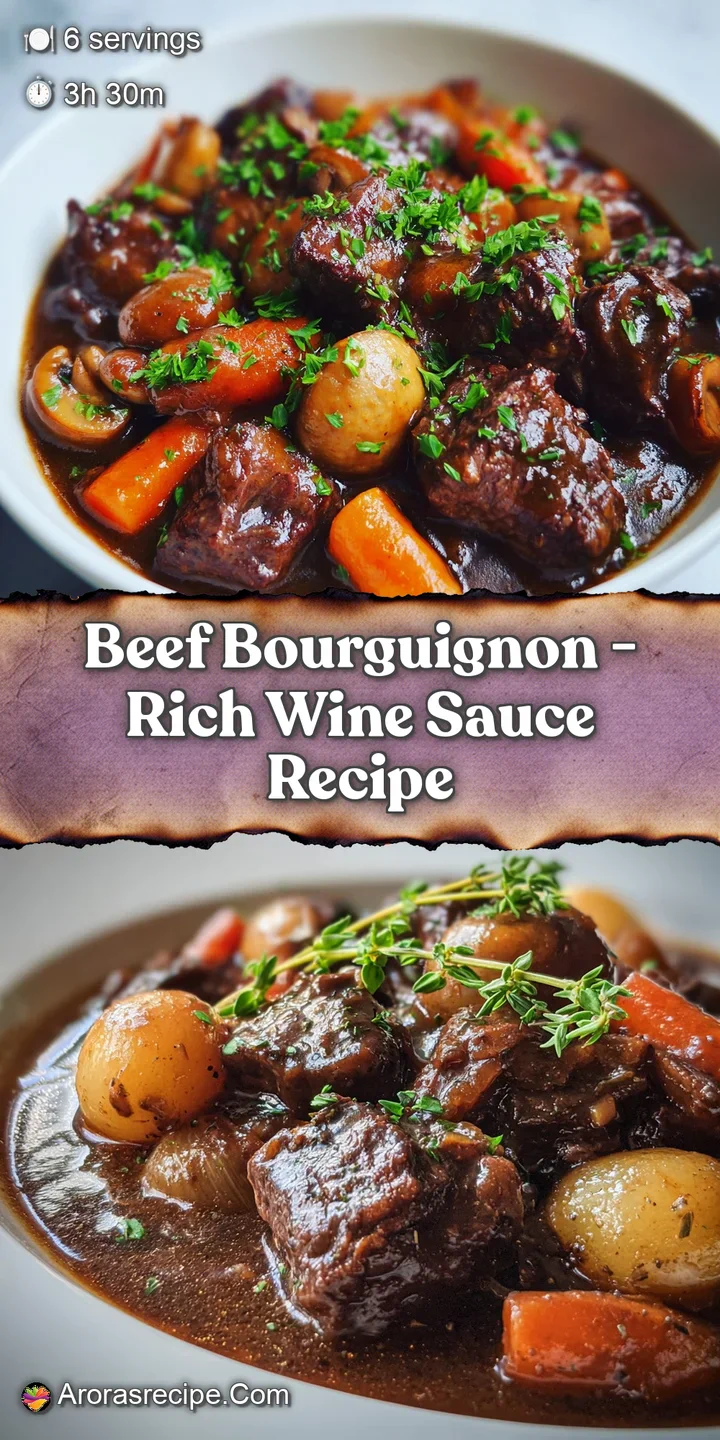
- Flavor/Texture Hook: Velvety wine sauce and buttery beef
- Perfect for: Cold Sunday afternoons and special family gatherings
- A Comforting Classic Homemade Beef Bourguignon Recipe
- Why You Will Love This Cozy French Country Stew
- The Basic Preparation Specs for This Hearty Meal
- Selecting the Best Ingredients for Deep Savory Flavor
- Simple Kitchen Tools Required for This One Pot Wonder
- Step by Step Guide to Bringing It All Together
- How to Fix Common Problems for a Velvety Sauce
- Flavor Variations to Try for Your Next Family Dinner
- Make Ahead and Leftover Tips for Busy Weeknight Cooks
- Serving Suggestions to Complete Your Comfort Food Feast
- Common Myths
- Very High in Sodium
- Recipe FAQs
- 📝 Recipe Card
A Comforting Classic Homemade Beef Bourguignon Recipe
There is something truly magical about the way a heavy pot of meat and wine can change the entire mood of a house. I remember the first time I tried to make a Beef Bourguignon recipe; I was so intimidated by the French name that I almost didn't start.
But here is the secret I learned in my Nashville kitchen: at its heart, this is just a fancy beef stew. It is about patience, a good heavy pot, and the willingness to let things simmer until they are just right.
You do not need a culinary degree to pull this off. You just need to follow the steps and trust the process. When those bacon lardons start to sizzle and that first splash of wine hits the pan, you will know exactly why people have been obsessed with this dish for decades.
It is rich, it is deep, and it feels like a warm hug on a plate.
We are going to skip the complicated French techniques and focus on what actually works for a busy home cook. We’ll talk about how to get that beef perfectly browned without making a mess and how to ensure your sauce has that gorgeous, glossy finish that makes everyone think you spent all day hovering over the stove.
Let's get into it.
Why You Will Love This Cozy French Country Stew
- Gelatinous Mouthfeel: Long simmered beef chuck breaks down its tough connective tissue, releasing natural gelatin that gives the sauce a thick, luxurious body without needing too much flour.
- Maillard Magic: By searing the beef in rendered bacon fat, we create a deep crust that provides the foundational "brown" flavor for the entire dish.
- Layered Aromatics: Using whole sprigs of thyme and rosemary allows the oils to infuse the liquid slowly, creating a complex herbal backdrop that never feels overpowering.
- Wine Reduction: The alcohol in the Burgundy evaporates, leaving behind the concentrated sugars and acidity of the grapes, which cuts through the richness of the beef fat.
The Science of Why it Works
The slow braising process triggers collagen hydrolysis, turning tough fibers into soft gelatin for a velvety texture. Simultaneously, the Maillard reaction from the initial sear creates hundreds of new flavor compounds that define the stew's savory profile.
| Method | Time | Texture | Best For |
|---|---|---|---|
| Stovetop | 3 hours | Very tender, easy to monitor | Controlling evaporation |
| Oven (325°F) | 3 hours | Even heat, less stirring | Hands off consistency |
| Slow Cooker | 8 hours | Fall apart tender | Busy work days |
When choosing between methods, I usually go for the oven because it surrounds the pot with steady heat, preventing any scorching on the bottom. However, if you are like me and love to peek and stir, the stovetop works beautifully as long as you keep the heat at a very low, lazy bubble.
The Basic Preparation Specs for This Hearty Meal
Before we start chopping, let's look at what we are building. This recipe is designed to serve a family of six, providing plenty of protein and a rich sauce that demands a side of mashed potatoes or crusty bread.
| Component | Science Role | Pro Secret |
|---|---|---|
| Beef Chuck | High collagen for tenderness | Cut into 2 inch cubes so they don't disappear during the long simmer. |
| Dry Red Wine | Acidity to balance fat | Use a Pinot Noir you would actually drink; it makes the sauce sing. |
| Tomato Paste | Umami and thickener | Fry it in the bacon fat until it turns dark brick red to remove the raw metallic taste. |
| Pearl Onions | Structural sweetness | Blanch them for 30 seconds in boiling water to make peeling them a breeze. |
I once made the mistake of using a very cheap "cooking wine" for this, and let me tell you, I regretted it. The sauce ended up tasting thin and sour. Now, I always grab a decent Burgundy or a Pinot Noir. If you are looking for a shorter cook time on a different beef dish, you might enjoy my Instant Pot Beef recipe, but for today, we are embracing the slow life.
Selecting the Best Ingredients for Deep Savory Flavor
- 3 lbs beef chuck roast: Why this? The fat and connective tissue are essential for a tender, moist result after long cooking. (Substitute: Venison or beef brisket).
- 6 oz thick cut bacon: Why this? Provides the smoky fat base for searing the beef. (Substitute: Pancetta).
- 1 tsp kosher salt: Essential for drawing out moisture during the sear. (Substitute: Sea salt).
- 0.5 tsp freshly cracked black pepper: Adds a subtle heat. (Substitute: White pepper).
- 2 large carrots: Adds natural sweetness to the braise. (Substitute: Parsnips).
- 1 large yellow onion: The aromatic backbone of the stew. (Substitute: White onion).
- 3 cloves garlic: Provides depth and pungency. (Substitute: 1 tsp garlic powder).
- 2 tbsp tomato paste: Concentrated savory flavor. (Substitute: Tomato puree, but reduce liquid slightly).
- 750 ml dry red wine: Use a Pinot Noir or Burgundy for the best results. (Substitute: Beef broth with a splash of balsamic vinegar).
- 2 cups beef bone broth: Why this? Bone broth has more natural gelatin than standard stock. (Substitute: Chicken stock in a pinch).
- 2 sprigs fresh thyme: Earthy notes that pair perfectly with beef. (Substitute: 0.5 tsp dried thyme).
- 1 sprig fresh rosemary: Piney aroma that deepens the sauce. (Substitute: Dried rosemary).
- 2 bay leaves: Adds a subtle floral background. (Substitute: None).
- 1 lb cremini mushrooms: Earthy texture. (Substitute: White button mushrooms).
- 12 oz pearl onions: Classic garnish for sweetness and texture. (Substitute: Sliced shallots).
- 2 tbsp unsalted butter: To sauté the mushrooms at the end for a glossy finish. (Substitute: Olive oil).
- 2 tbsp fresh parsley: A bright, fresh finish. (Substitute: Chives).
Simple Kitchen Tools Required for This One Pot Wonder
You don't need a pantry full of gadgets to make a world class Beef Bourguignon. I honestly prefer keeping it simple because it means fewer dishes for me later. A heavy bottomed pot is your best friend here; something like a Dutch oven (Lodge or Le Creuset) is perfect because it holds heat so well.
You'll also need a sharp chef's knife for those carrots and onions. A slotted spoon is really helpful for pulling the bacon and beef out of the pot while leaving that precious fat behind.
Other than that, just a wooden spoon for scraping up all those delicious brown bits that's the "fond," and it's where all the flavor lives!
step-by-step Guide to Bringing It All Together
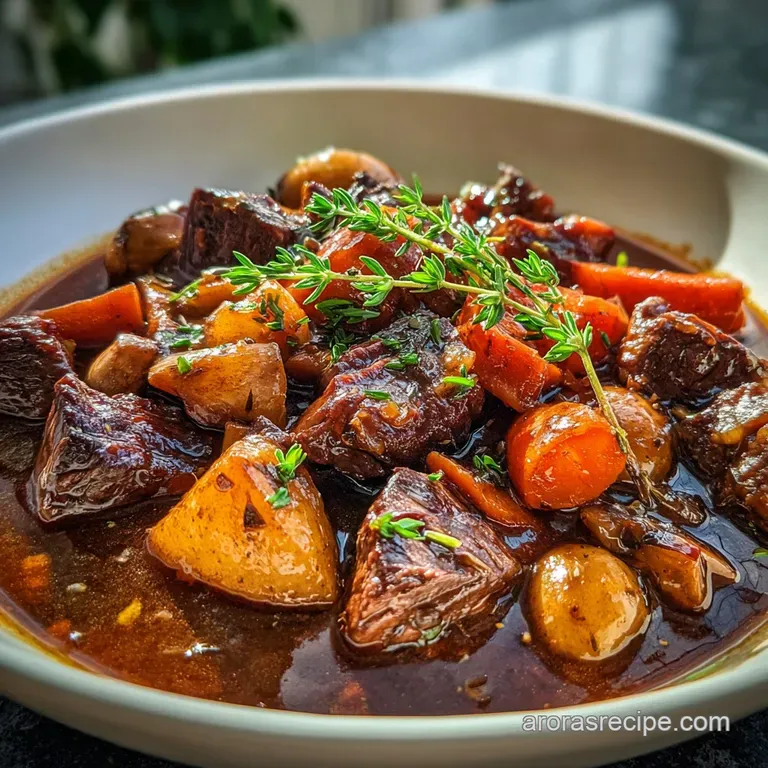
Rendering the Fat and Searing
- Sizzle the bacon. Place the 6 oz of sliced bacon lardons in a cold Dutch oven. Turn the heat to medium and cook until the bacon is crispy and has released its fat. Remove the bacon with a slotted spoon and set aside.
- Prep the beef. Pat your 3 lbs of beef chuck roast cubes completely dry with paper towels. Note: Wet meat will steam instead of sear, and we want a crust.
- Sear in batches. Season the beef with salt and pepper. Add it to the hot bacon fat in batches. Cook 3 minutes per side until deeply browned. Do not overcrowd the pot. Remove and set aside with the bacon.
Building the Aromatic Base
- Soften the vegetables. In the same pot, add the sliced carrots and diced yellow onion. Sauté 5 minutes until the onions are translucent and fragrant.
- Bloom the paste. Stir in the minced garlic and 2 tbsp tomato paste. Cook 2 minutes until the paste turns a dark mahogany color. This removes the raw edge.
Deglazing the Fond
- Deglaze the pot. Pour in the 750 ml of red wine. Use your wooden spoon to scrape every single brown bit off the bottom of the pot. Note: This is where the magic happens; those bits are pure concentrated flavor.
- Simmer and skim. Add the 2 cups of beef bone broth, thyme, rosemary, bay leaves, the seared beef, and the bacon. Bring to a boil, then immediately turn the heat down to the lowest setting.
Mastering the Braise
- The long wait. Cover the pot tightly. Simmer for 2 hours 30 mins until the beef is tender enough to break with a spoon. If using the oven, place it in at 325°F for the same amount of time.
Finishing with the Garnish
- Sauté the mushrooms. While the stew finishes, melt 2 tbsp butter in a separate skillet. Add the quartered cremini mushrooms and pearl onions. Sauté 8 minutes until golden and tender.
- Final assembly. Stir the mushrooms and onions into the stew. Let it cook uncovered for another 15 minutes to thicken the sauce slightly. Remove the herb sprigs and bay leaves before serving with a sprinkle of fresh parsley.
How to Fix Common Problems for a Velvety Sauce
Sometimes things don't go exactly as planned, but don't worry! I've had my share of kitchen "oops" moments. If your sauce feels a bit thin at the end, it’s usually because too much moisture stayed in the pot. You can easily fix this by simmering it uncovered for a few extra minutes to let the liquid evaporate.
If you find the sauce is a bit too salty which can happen if your broth was high in sodium try adding a peeled, halved potato for the last 20 minutes of cooking. It acts like a little sponge for the salt. For more tips on fixing beef based liquids, you can check out my Beef Broth Gravy recipe.
Why Your Sauce is Greasy
If you see a thick layer of oil on top, it means the fat from the beef and bacon hasn't emulsified. Simply use a wide spoon to skim it off the surface, or drag a piece of bread across the top to soak it up.
| Problem | Root Cause | Solution |
|---|---|---|
| Tough Beef | Not cooked long enough | Simmer for another 30 mins; collagen needs time. |
| Bitter Sauce | Wine didn't reduce enough | Add 1 tsp of sugar to balance the acidity. |
| Bland Flavor | Lack of salt or searing | Add a splash of soy sauce or more salt. |
Common Mistakes Checklist
- ✓ Never skip the drying step: Pat your beef dry with paper towels. If it's wet, it won't brown, and you'll miss out on that "shatter" crust.
- ✓ Don't rush the sear: Work in small batches. If you put all the meat in at once, the temperature of the pot drops and the meat boils in its own juices.
- ✓ Check your heat: A "boil" is too aggressive. You want a "smile" just a few bubbles breaking the surface every few seconds.
- ✓ Watch the salt: Since the sauce reduces significantly, wait until the very end to do your final seasoning check.
Flavor Variations to Try for Your Next Family Dinner
While the classic version is iconic, I love playing around with the ingredients based on what I have in my Nashville pantry. If you aren't a fan of wine, you can actually make a beautiful version using a dark stout beer or extra beef broth with a tablespoon of balsamic vinegar for that necessary acidity.
If you are in a massive hurry, you could try the Instant Pot Beef recipe logic here, though you'll lose some of that deep reduction flavor.
- The Southern Twist: Add a splash of bourbon in place of 1/4 cup of the wine for a smoky, sweet depth that feels very Tennessee.
- Mushroom Heavy: Double the cremini mushrooms and add some dried porcinis for an incredibly earthy, forest floor vibe.
- Without Wine: Use 3 cups of beef broth and 2 tablespoons of red wine vinegar to mimic the acidity without the alcohol content.
Chef's Tip: To get a truly professional finish, grate 1/2 ounce of very dark chocolate (at least 70% cocoa) into the sauce at the very end. It won't taste like chocolate, but it adds a darkness and gloss that is unmatched.
make-ahead and Leftover Tips for Busy Weeknight Cooks
This is one of those rare dishes that actually benefits from a "timeout" in the fridge. As it sits, the flavors continue to meld and the beef absorbs more of the wine's aromatics. I often make this on a Saturday so we can have a stress free dinner on Sunday.
- Storage: Store in an airtight container in the fridge for up to 4 days. The sauce will likely turn into a gel that’s just the natural gelatin working! It will melt back into a liquid once heated.
- Freezing: This freezes beautifully for up to 3 months. Just make sure to leave some headspace in your container as liquids expand when they freeze.
- Reheating: Reheat gently on the stovetop over medium low heat. Add a splash of beef broth or water if the sauce has thickened too much during storage.
- Zero Waste: Don't throw away those herb stems! You can toss them into your next batch of homemade stock for extra flavor.
Serving Suggestions to Complete Your Comfort Food Feast
In our house, Beef Bourguignon is nothing without a soft place for that sauce to land. The most classic choice is a mountain of buttery mashed potatoes. You want them smooth and velvety to match the texture of the stew.
If you want to keep it traditional to the Parisian style, serve it over buttered egg noodles with a little extra parsley on top.
Don't forget the bread! A crusty baguette is essential for swiping up the last drops of that mahogany sauce from the bottom of your bowl. Honestly, I've even served this over a thick slice of toasted sourdough, and it was incredible.
A simple side salad with a sharp lemon vinaigrette is also a great way to cut through the richness of the beef.
Common Myths
Myth: You must use expensive wine for a good stew. The truth is that while you shouldn't use "cooking wine" (which is full of salt), you definitely don't need a $50 bottle. A mid range $10-$15 Pinot Noir or Cotes du Rhone is perfect.
The nuances of an expensive wine are lost during a three hour simmer, so save the fancy stuff for the glass you drink while cooking!
Myth: Searing meat "seals in the juices." This is a classic kitchen tale that science has debunked. Searing actually causes some moisture loss on the surface, but we do it for the flavor.
The crust is a result of the Maillard reaction, which creates the complex savory notes that make the stew taste rich. The "juiciness" actually comes from the collagen in the meat breaking down into gelatin, not from sealing the surface.
Myth: You should always flour the beef before searing. I actually prefer searing the beef "naked" (just salt and pepper). Searing floured meat often leads to the flour burning in the bottom of the pot before the meat is properly browned.
It's much better to add the thickening elements later or rely on the natural reduction of the sauce.
Very High in Sodium
1140 mg mg of sodium per serving (50% of daily value)
The American Heart Association recommends limiting sodium intake to no more than 2,300mg per day for most adults. Even better, an ideal limit of no more than 1,500 mg per day for most adults.
Tips to Reduce Sodium in Your Beef Bourguignon
-
Low-Sodium Broth-30%
Replace the regular beef bone broth with a low-sodium or no-salt added version. This single swap can significantly reduce the sodium content. Alternatively, make your own homemade broth without adding salt.
-
Reduce Bacon-25%
Decrease the amount of bacon used or substitute with pancetta, which often has a slightly lower sodium content. Consider using only 3 oz instead of 6 oz. Look for low-sodium bacon if available.
-
Reduce Added Salt-25%
Reduce the amount of kosher salt added. Start by using half the amount (0.5 tsp) and taste before adding more. You may find that the other flavors are sufficient.
-
No-Salt Tomato Paste-20%
Opt for tomato paste with no added salt to avoid extra sodium. Salt is sometimes added to tomato paste as a preservative or for flavor.
-
Herb Power
Enhance the flavor with a variety of fresh herbs like thyme, rosemary, and parsley, rather than relying on salt. Experiment with other herbs such as oregano, bay leaf, or marjoram to create a more savory flavor profile.
Recipe FAQs
What is the difference between beef bourguignon and beef stew?
Beef Bourguignon is a specific type of beef stew. While both involve slow cooked beef in liquid, Bourguignon is defined by its use of red wine (typically Burgundy), bacon, mushrooms, and pearl onions, resulting in a richer, more complex flavor profile.
What's the secret to great boeuf bourguignon?
Patience and proper searing are key. Allowing the beef to develop a deep brown crust through thorough searing in batches is crucial for flavor. Then, let it braise slowly to achieve that melt-in-your mouth tenderness.
What cut of meat is best for beef bourguignon?
Beef chuck roast is the best cut. Its marbling of fat and connective tissue breaks down during the long, slow braise, resulting in incredibly tender and moist beef that bathes the sauce in gelatin.
What do the French serve with beef bourguignon?
Classic pairings include mashed potatoes, egg noodles, or crusty bread. These sides are perfect for soaking up the rich, flavorful red wine sauce. A simple green salad often complements the richness.
Can I substitute chicken broth for beef broth?
While you can, beef broth is highly recommended. Beef broth, especially bone broth, contributes a deeper, more savory foundation that is essential to the classic Bourguignon flavor. Chicken broth will result in a lighter, less robust sauce.
How long should beef bourguignon simmer?
Simmer for at least 2.5 to 3 hours. This extended cooking time is necessary for the tough connective tissues in cuts like chuck roast to break down into tender gelatin, creating the signature velvety texture.
What kind of red wine is best for beef bourguignon?
A dry red wine you'd enjoy drinking, like Pinot Noir or Burgundy, is ideal. Avoid "cooking wine" as it can be overly salty and lack depth. The wine's flavor is concentrated during cooking, so use something good quality.
Beef Bourguignon
Ingredients:
Instructions:
Nutrition Facts:
| Calories | 912 kcal |
|---|---|
| Protein | 54 g |
| Fat | 58 g |
| Carbs | 16 g |
| Fiber | 3 g |
| Sugar | 6 g |
| Sodium | 1140 mg |
