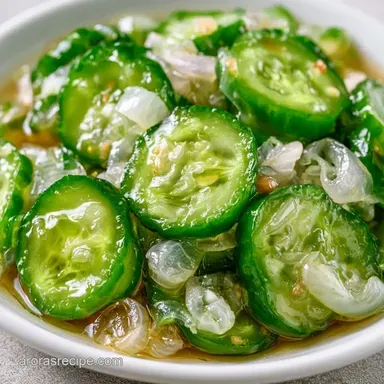
Old Fashioned Bread and Butter Pickles
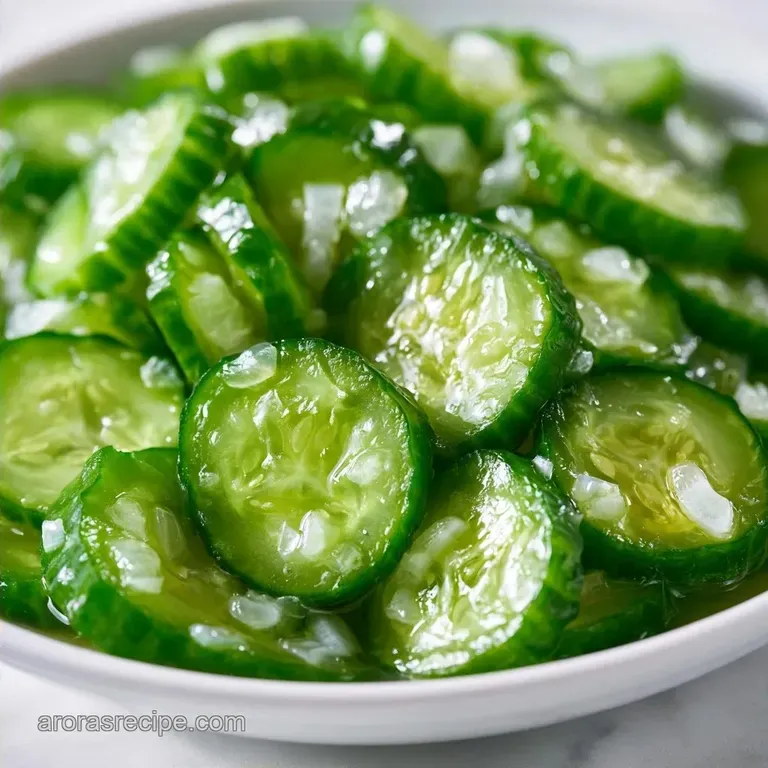
- Time: 210 min active + 10 min cook
- Flavor/Texture Hook: Tangy, sweet, and crisp
- Perfect for: Backyard burgers, sandwiches, or winter pantry stocking
The scent of simmering cider vinegar and mustard seed filled my grandmother's kitchen every August. I can still hear the rhythmic clink of glass jars and see those golden yellow slices floating in the brine.
She always insisted on using Kirby cucumbers, the small, bumpy kind, because they have a denser cell structure than the smooth ones you find in the salad aisle.
The real hero here is the pickling cucumber. Most people try to save a few cents by using English cucumbers, but those are far too watery. When you hit them with heat and acid, they collapse. A true pickling cucumber holds its ground, giving you that distinct crack when you bite into it.
You can expect a preserve that is sweet but balanced by a sharp tang. These Bread and Butter Pickles aren't just about the sugar, they are about the brine's ability to penetrate the vegetable without destroying the texture.
Bread and Butter Pickles
The Salt Soak: Salt draws out excess water from the cucumber cells. This makes the slices denser so they don't get waterlogged once the brine goes in.
The Acid Balance: Using a 5% acidity vinegar ensures the pH level is low enough to prevent spoilage while cutting through the sugar.
Gear You'll Need
While you don't need a professional setup, the right equipment makes the work much easier. A large non-reactive bowl (glass or plastic) is essential for the salting stage, as salt can corrode aluminum.
Use a stainless steel saucepan for the brine. Avoid cast iron or copper, as the vinegar will react with the metal and give your pickles an unpleasant metallic taste.
For the canning process, you'll need a water bath canner or a very deep stockpot. A jar lifter is also highly recommended, since lifting hot jars out of boiling water by hand is a quick way to get burned.
Your Ingredient List
| Ingredient | Role | If You Don't Have It |
|---|---|---|
| Pickling Cucumbers | Primary crunch | Kirby variety is best; avoid English cucumbers |
| Apple Cider Vinegar | Tang and preservation | White distilled vinegar (tastes sharper) |
| Granulated Sugar | Sweetness and balance | Cane sugar or honey (may change color) |
| Pickling Salt | Water extraction | Kosher salt (avoid table salt to prevent cloudiness) |
The Produce
- 4 lbs pickling cucumbers, sliced 1/4 inch thick Why this? Maintains the best snap during processing
- 2 medium white onions, thinly sliced Why this? Budget friendly and provides a clean, sharp bite
The Spiced Brine
- 1/4 cup pickling salt (for the soak)
- 3 cups apple cider vinegar (5% acidity) Why this? Adds a fruity depth compared to white vinegar
- 2 cups granulated white sugar
- 1 tbsp mustard seeds
- 1 tsp celery seeds
- 1/2 tsp turmeric powder Why this? Gives that classic golden yellow hue
- 1/2 tsp salt (for the brine)
For Processing
- Sterilized canning jars with lids and bands
- Water for the bath
Quick Recipe Facts
Before you start, keep these precision checkpoints in mind: slices must be exactly 1/4 inch thick, the salt soak must last 3 hours, and the water bath processing is exactly 10 minutes.
| Feature | Fresh Pickling Cukes | English/Slicing Cukes |
|---|---|---|
| Texture | Firm snap | Tend to soften |
| Skin | Thick, holds brine | Thin, can wrinkle |
| Result | Classic crunch | Mushier bite |
Right then, let's look at the substitutions. If you're on a tight budget, store brand apple cider vinegar works just as well as the name brands.
| Original Ingredient | Substitute | Why It Works |
|---|---|---|
| Apple Cider Vinegar | White Distilled Vinegar | Same acidity. Note: Result is more pungent and less fruity |
| White Sugar | Brown Sugar | Similar sweetness. Note: Adds a molasses note and darker color |
| Celery Seeds | Fennel Seeds | Similar aromatic profile. Note: Adds a slight anise flavor |
Step by step Method
1. Preparing the Crunch
Mix sliced cucumbers and onions in a large bowl, tossing them with 1/4 cup (60 g) of pickling salt. Let the vegetables rest for 3 hours to extract excess water. Rinse them well with cold water and drain in a colander to remove the salt.
2. Simmering the Brine
Combine the apple cider vinegar, sugar, mustard seeds, celery seeds, turmeric, and salt in a stainless steel saucepan. Bring the mixture to a boil over medium high heat, stirring until the sugar has completely dissolved. Reduce the heat and simmer for 5 minutes to allow the spices to fully infuse.
3. The Canning Process
Firmly pack the drained cucumbers and onions into sterilized jars, leaving 1/2 inch (1.3 cm) of headspace. Pour in the hot brine, making sure all vegetables are completely covered. Use a bubble remover tool to eliminate any trapped air.
Wipe the rims clean, apply the lids, and tighten the bands until they are fingertip tight.
4. Water Bath Processing
Set the jars in the water bath canner, ensuring they are covered by at least 1 inch of water. Bring the water to a rolling boil and process for 10 minutes. Carefully lift the jars out using a jar lifter.
Chef's Note: Avoid overtightening the bands. If they are screwed on too tightly, air cannot escape during the processing stage, which might prevent the jar from sealing correctly. "Fingertip tight" is all you need.
Common Pickling Problems
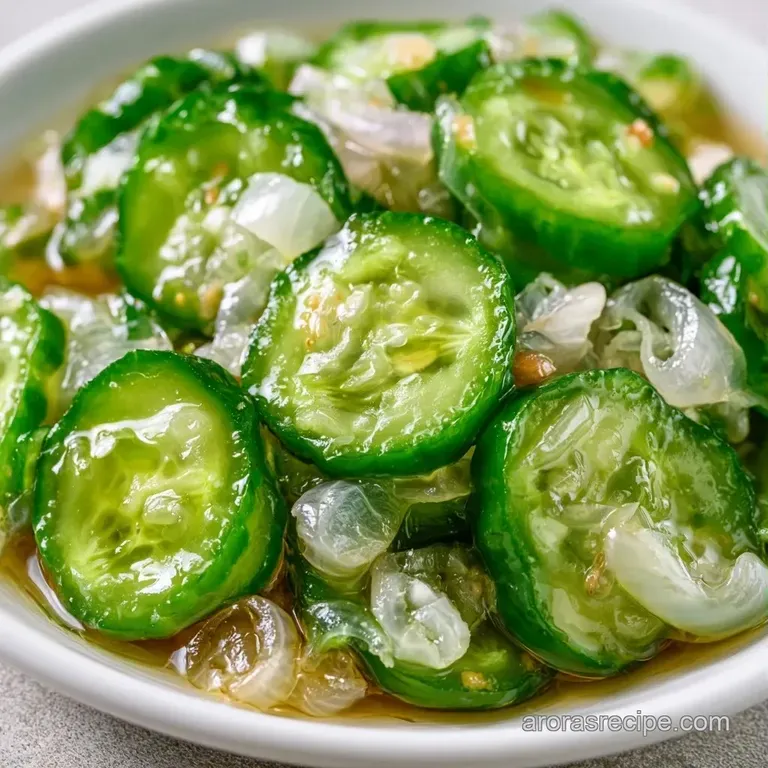
Getting the texture right is the hardest part of making Bread and Butter Pickles. Most issues come down to the type of cucumber used or the temperature of the water bath. If your pickles are too soft, you might have over processed them or used a cucumber with too much water.
When jars don't seal, it's usually because the rim wasn't wiped clean or there was too much headspace. Always double check the seal by pressing the center of the lid; it shouldn't pop back.
If the brine tastes too sweet, you can balance it by adding a pinch more salt or a splash of extra vinegar to the next batch.
Fixing Texture Issues
Seal Failure Fixes
Balancing the Sweetness
| Problem | Root Cause | Solution |
|---|---|---|
| Soft/Mushy Pickles | Using English cucumbers or over processing | Use Kirby cucumbers and stick to 10 min timing |
| Cloudy Brine | Using iodized table salt | Use pure pickling or Kosher salt |
| Lids Not Sealing | Dirty jar rims or incorrect headspace | Wipe rims with vinegar and leave 1/2 inch space |
Keeping It Fresh
After processing and sealing, these Bread and Butter Pickles can be stored on a room temperature shelf for up to a year, provided they are in a cool, dark spot like a pantry. Once opened, transfer them to the refrigerator, where they will remain crisp for about 3 months.
Food safety tip For the safest results, always follow research tested recipes and exact processing times when canning at home. Improper techniques can result in spoilage. Newcomers to canning should review the USDA Complete Guide to Home Canning.
To minimize waste, find a use for the remaining brine. Since it is essentially seasoned vinegar, it makes an excellent marinade for grilled chicken or a zesty topping for potato salad.
Flavor Tweaks
You can easily customize the flavor profile of this recipe. If you're pairing these with a winter meal, they provide a bright contrast to the richness of a roasted tomato soup.
Decision Shortcut:
- More spice? → add 1 tsp red pepper flakes
- Tangier taste? → add 1 tbsp lemon juice
- Less sweet? → reduce sugar by 1/4 cup
The Spicy Twist
Stir a sliced jalapeño or a teaspoon of red pepper flakes into the brine. This introduces a gentle heat that offsets the sugar.
Low Sugar Alternative
Swap half of the sugar for a substitute specifically made for canning. Keep in mind that the brine may end up slightly thinner.
Quick Refrigerator Version
To avoid the water bath, simply pour the hot brine over the cucumbers and place the jars directly in the refrigerator. They won't be shelf stable, but they'll be ready to enjoy in 24 hours.
Adjusting the Batch Size
When scaling Bread and Butter Pickles down to a half batch, use a smaller saucepan for the brine. This prevents the vinegar from evaporating too quickly during the boil, which would make the brine too salty.
For doubling or tripling the recipe, don't just multiply the salt and spices linearly. I find that increasing spices by 1.5x is usually enough to carry the flavor without becoming overpowering. Work in batches when packing the jars to ensure the brine stays hot when it hits the vegetables.
Debunking Pickle Myths
One common belief is that any cucumber will work if you salt it long enough. This is false. English cucumbers have a different cell wall structure and will almost always turn mushy in a hot brine, regardless of the soak.
Another myth is that you need to boil the cucumbers themselves. You don't. Boiling the vegetables destroys the snap. Only the brine should be boiled; the heat of the brine and the water bath does the work of preserving.
Best Ways to Serve
These pickles are a classic for a reason. They are the ideal topping for smash burgers or pulled pork sandwiches, as the sweetness balances the richness of the meat while the vinegar refreshes the palate.
When hosting a party, these pair wonderfully with a cheese board and some garlic breadsticks. Their zesty profile complements creamy brie or sharp cheddars.
For a traditional Southern meal, serve them alongside collard greens and fried chicken, as the acidity provides a necessary contrast to the fried richness. If you want to explore more preserves, try a mixed vegetable pickle recipe to diversify your pantry.
Recipe FAQs
What makes bread and butter pickles different from dill?
They use a sweetened brine instead of a salty, garlic heavy one. This creates a sweet and-sour flavor profile rather than a pungent one.
How should I prepare the cucumbers for pickling?
Toss sliced cucumbers and onions with pickling salt and let them sit for 3 hours. Rinse them thoroughly with cold water and drain well to remove excess moisture.
Is it true that bread and butter pickles are fermented?
False. These are quick pickled using apple cider vinegar and heat rather than lactic acid fermentation.
What is the best way to make the sweet brine?
Boil apple cider vinegar, sugar, mustard seeds, celery seeds, turmeric, and salt in a saucepan. Simmer the mixture for 5 minutes to let the spices bloom.
Which foods pair best with these sweet pickles?
They balance salty dishes like fried chicken or sandwiches. If you love the sharp contrast of sweet and savory, try pairing them with a side of homemade cornbread.
Are these pickles considered a healthy snack?
They provide small amounts of nutrients from the cucumbers and onions. However, the sugar and salt content means they are best enjoyed in moderation.
Bread And Butter Pickles