Chef John's Potato Side Dish with Garlic and Herbs
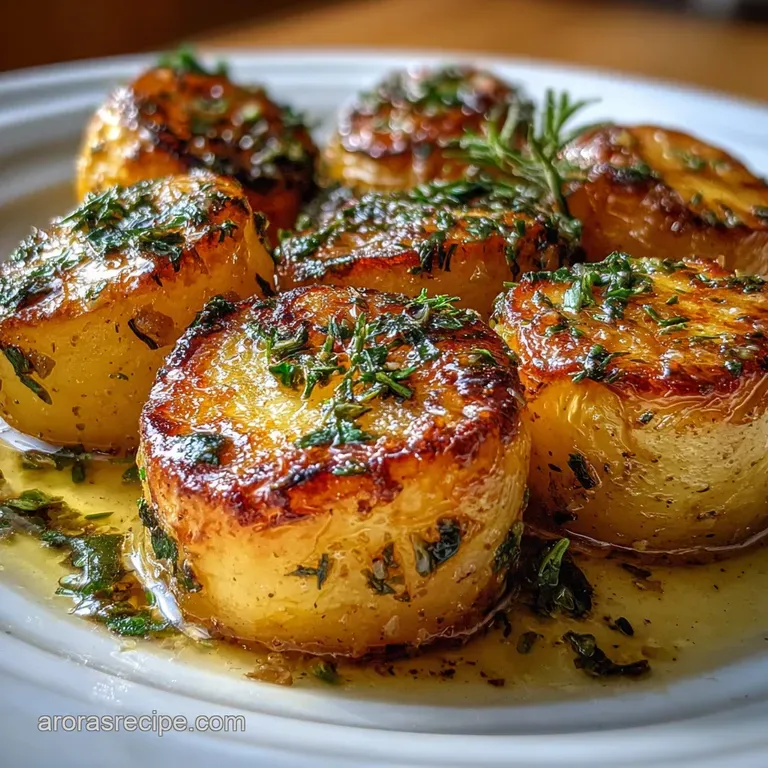
- Time: Active 15 minutes, Passive 45 minutes, Total 1 hours
- Flavor/Texture Hook: Shatter crisp exterior with a buttery, melt in-your mouth center
- Perfect for: Holiday centerpieces, Sunday roasts, or a comforting weeknight treat
- Making Chef Johns Best Potato Side Dish with Garlic and Herbs
- The Physics of the Golden Crunch
- Component Analysis for the Best Spuds
- What You'll Need for Success
- Tools for a Perfect Sizzle
- Step-by-Step Braised Potato Method
- Troubleshooting Common Potato Pitfalls
- Creative Herb and Spice Swaps
- The Truth About Searing Potatoes
- Keeping Leftovers Crisp and Fresh
- Plating for a Five Star Look
- Recipe FAQs
- 📝 Recipe Card
Making Chef Johns Best Potato Side Dish with Garlic and Herbs
The first time I heard the rhythmic sizzle of a potato hitting a cast iron pan in this specific way, I knew my Sunday dinners were about to change forever. I remember standing in my Nashville kitchen, the scent of crushed garlic hitting the hot oil and filling the room with that warm, savory aroma that practically begs you to grab a fork.
Chef John's Best Potato Side Dish with Garlic and Herbs will become your new go to for perfectly roasted potatoes because it solves the age old problem of the "soggy bottom."
For years, I struggled with potatoes that were either burnt on the outside and raw in the middle, or just plain mushy. This recipe uses a "fondant" style technique cutting them into thick cylinders and browning them deeply before let'tling them simmer in a flavorful bath of chicken stock and herbs.
It sounds fancy, but it's one of the most reliable ways to get that restaurant quality finish without a culinary degree. Trust me on this, once you see that golden crust forming, you'll never go back to basic roasting again.
We’re going to focus on the basics here: heat management, starch control, and the patience to let the liquid do its magic. There’s something so satisfying about watching the stock reduce into a thick, glossy glaze that coats every herb flecked surface.
Let's crack on and look at why this specific method works so well in your home kitchen.
The Physics of the Golden Crunch
The Maillard Transformation: over High heat searing creates a complex network of browned proteins and sugars that form a structural, shatter crisp crust.
Starch Gelatinization: Simmering in stock allows the internal starches to absorb liquid and swell, resulting in a velvety, mash like interior texture.
Osmotic Infusion: As the liquid reduces, the salt and herbal oils from the thyme and rosemary are pulled into the potato's cellular structure.
Emulsified Glaze: The final addition of cold butter binds with the remaining potato starches and chicken stock to create a silky, translucent coating.
| Cooking Method | Total Time | Final Texture | Best For |
|---|---|---|---|
| Traditional Roasting | 50 minutes | Tougher skin, fluffy middle | Bulk meal prep |
| Chef John's Braise | 1 hours | Shatter crisp crust, velvety middle | Show stopping dinners |
| Boiled & Mashed | 30 minutes | Completely soft, uniform | Simple comfort food |
Choosing the right method depends on how much you value that contrast between the "crunch" and the "cream." The braising method we're using today is the winner for anyone who wants a side dish that actually steals the spotlight from the main course. It pairs beautifully with a hearty Steak and Mushrooms recipe where the garlic notes can really sing together.
Component Analysis for the Best Spuds
| Ingredient | Science Role | Pro Secret |
|---|---|---|
| Russet Potatoes | High starch content ensures a dry, crispy exterior and fluffy interior. | Trim the ends perfectly flat to maximize pan contact for even browning. |
| Chicken Stock | Provides moisture for the internal cook and deep savory minerals. | Use low sodium so the glaze doesn't become over salted as it reduces. |
| Fresh Rosemary/Thyme | Fat soluble oils infuse the frying oil and then the braising liquid. | Leave them on the sprig for easy removal before the final plating. |
What You'll Need for Success
- 3 Large Russet Potatoes: Why this? High starch is essential for that signature velvety interior texture. Peeled and ends trimmed to 2 inch cylinders.
- 3 tbsp Extra Virgin Olive Oil: Used for the initial over high heat sear to build the crust.
- 4 cloves Garlic: Smashed to release oils without burning too quickly.
- 4 sprigs Fresh Thyme: Why this? Adds a woody, earthy backbone that thrives during long braises.
- 1 sprig Fresh Rosemary: Provides a piney aroma that cuts through the richness.
- 1 tsp Kosher Salt: Essential for drawing out moisture and seasoning deeply.
- 0.5 tsp Cracked Black Pepper: Adds a subtle heat and visual texture to the crust.
- 1.5 cups Low Sodium Chicken or Vegetable Stock: The braising medium that softens the core.
- 1 tbsp Unsalted Butter: Why this? Emulsifies the final sauce into a glossy, professional looking glaze.
| Original Ingredient | Substitute | Why It Works |
|---|---|---|
| Russet Potatoes | Yukon Gold | Creamier texture but won't be as "shatter crisp" on the outside. |
| Chicken Stock | Vegetable Broth | Maintains the savory liquid base while making the dish vegetarian friendly. |
| Extra Virgin Olive Oil | Ghee (Clarified Butter) | Higher smoke point and adds a nutty, rich flavor to the sear. |
Tools for a Perfect Sizzle
To get that restaurant style sear, you really need a heavy bottomed pan. I swear by my 12 inch cast iron skillet for this. It holds heat like nothing else, which means when you drop those cold potato cylinders in, the temperature doesn't plummet.
If you don't have cast iron, a heavy stainless steel pan works too, but avoid non stick you want those potatoes to "grip" the pan slightly to build a proper crust.
You'll also need a sharp chef's knife. Since we're cutting these into specific 2 inch cylinders, precision matters. If the heights are uneven, some will be submerged in stock while others stay dry, leading to uneven cooking.
A pair of metal tongs is the last "must have" to flip the potatoes without tearing that beautiful crust you worked so hard to build.
step-by-step Braised Potato Method
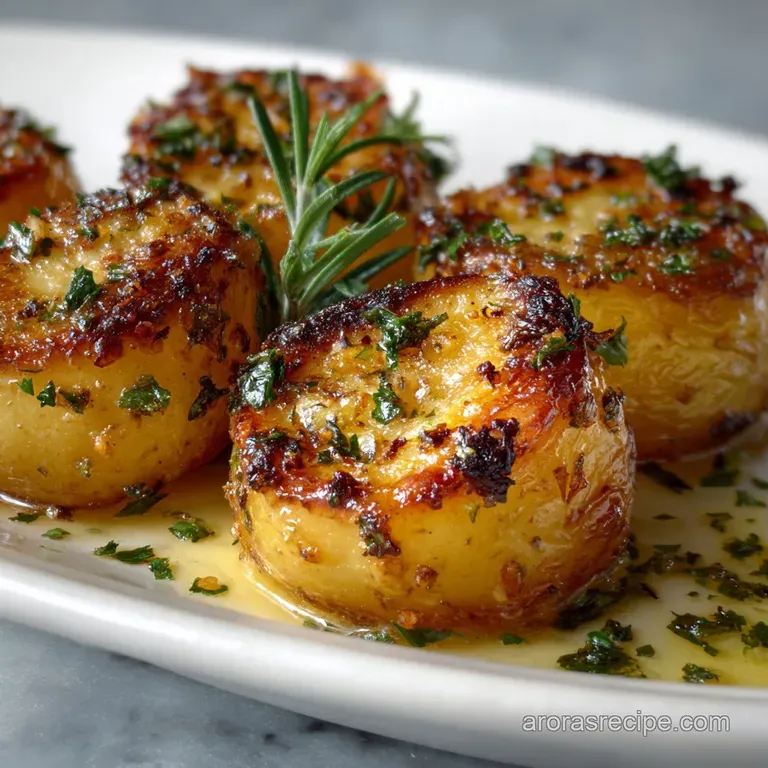
- Prep the potatoes. Peel the 3 Large Russet Potatoes and slice off the rounded ends to create 2 inch tall cylinders. Note: Flat ends are the secret to maximum browning.
- Dry them thoroughly. Use a paper towel to pat the potato surfaces bone dry. until no moisture remains on the skin.
- Heat the oil. Add 3 tbsp Extra Virgin Olive Oil to your skillet over medium high heat until the oil shimmers and barely smokes.
- Sear the first side. Place potatoes flat side down in the hot oil. Cook for about 5-6 minutes until the bottom is deep golden brown.
- Flip carefully. Use tongs to turn the potatoes over. Add 4 cloves smashed Garlic, 4 sprigs Thyme, and 1 sprig Rosemary to the oil.
- Sear the second side. Cook for another 5 minutes. until you hear the herbs crackling and the garlic is fragrant.
- Deglaze the pan. Carefully pour in 1.5 cups Low Sodium Chicken Stock. The liquid should come about halfway up the sides of the potatoes.
- Season and simmer. Sprinkle with 1 tsp Kosher Salt and 0.5 tsp Cracked Black Pepper. Reduce heat to medium low.
- Braise to tenderness. Simmer for about 25-30 minutes until a knife slides into the center like butter.
- Finish with butter. Add 1 tbsp Unsalted Butter to the pan. Spoon the reducing liquid over the potatoes for 2 minutes until the sauce is thick and glossy.
Troubleshooting Common Potato Pitfalls
Why Your Potatoes are Sticking
This usually happens if the pan wasn't hot enough or if you tried to flip them too early. When the starch undergoes the Maillard reaction, it will actually "release" itself from the pan once the crust is fully formed. If you feel resistance, give it another minute.
The Problem of Uneven Cooking
If some potatoes are soft and others are crunchy in the middle, check your liquid level. The stock should reach the midway point of every cylinder. If your pan is too wide, the liquid spreads too thin and evaporates before the potatoes are done.
| Problem | Root Cause | Solution |
|---|---|---|
| Gray/Dull Color | Potatoes sat too long after peeling | Keep peeled potatoes in cold water until ready to sear; dry well. |
| Bitter Aftertaste | Garlic burned in the oil | Add garlic only after flipping the potatoes to the second side. |
| Soggy Crust | Too much liquid at the end | Increase heat for the last 5 minutes to reduce stock into a thick syrup. |
- ✓ Preheat your skillet for at least 3 minutes before adding the oil.
- ✓ Don't overcrowd the pan; leave at least an inch between each potato cylinder.
- ✓ Always use room temperature stock to avoid shocking the hot pan and dropping the temp.
- ✓ Use a spoon to "baste" the tops of the potatoes with the hot herb butter during the final minutes.
- ✓ If the stock evaporates too fast, add an extra splash of water to finish the cook.
Creative Herb and Spice Swaps
When it comes to scaling this recipe for a crowd, keep in mind that the pan size is your limiting factor. If you’re doubling the recipe to serve 8 people, you’ll need two skillets. Don’t try to cram 6 potatoes into a pan meant for 3, or you’ll end up steaming them instead of searing them.
For the liquid, if you double the potatoes, you only need about 1.5x the stock (roughly 2.25 cups) because evaporation happens at the same rate regardless of how many spuds are in the pan.
If you’re looking for a different vibe, you can easily swap the herbs. For a Mediterranean twist, use oregano and lemon zest in the final butter baste. It’s a great way to use up leftovers if you’ve recently made a Chicken Fried Rice recipe and have extra aromatics lying around.
If you want to go the spicy route, add a teaspoon of smoked paprika and a pinch of cayenne to the oil during the second sear. The potatoes absorb that red hue and a smoky depth that is out of this world. For another fun texture, try the technique used in our Gnocchi and Mushrooms recipe by adding crispy sage leaves at the very end for a nutty, autumnal flavor profile.
The Truth About Searing Potatoes
Many people believe that searing "seals in" the moisture of the potato. In reality, searing is all about flavor and texture. The moisture is actually managed by the braising liquid later. The sear provides a structural wall that prevents the potato from falling apart into a pile of mash while it simmers.
Another common myth is that you must soak Russet potatoes for hours to remove starch. While soaking helps for french fries, for this braised method, we actually want some of that surface starch to help create the thick, glossy glaze at the end.
A quick rinse is fine, but don't overdo it or you'll lose the "body" of your sauce.
Keeping Leftovers Crisp and Fresh
You can keep these in the fridge for up to 3 days in an airtight container. The real trick is the reheating. Never use a microwave it will turn that glorious crust into a rubbery mess.
Instead, pop them back into a dry skillet over medium heat for about 5 minutes, or use an air fryer at 350°F for 4 minutes to bring back that shatter crisp texture.
To avoid waste, don't throw away the trimmed ends of the potatoes! I toss them in a little oil and salt and roast them on a sheet pan alongside whatever else I'm cooking. They make great "chef's snacks" or can be boiled and added to a breakfast hash the next morning. If you have leftover braising liquid, save it!
It’s basically a high intensity potato essence that can be whisked into a gravy or used to flavor a soup base.
Plating for a Five Star Look
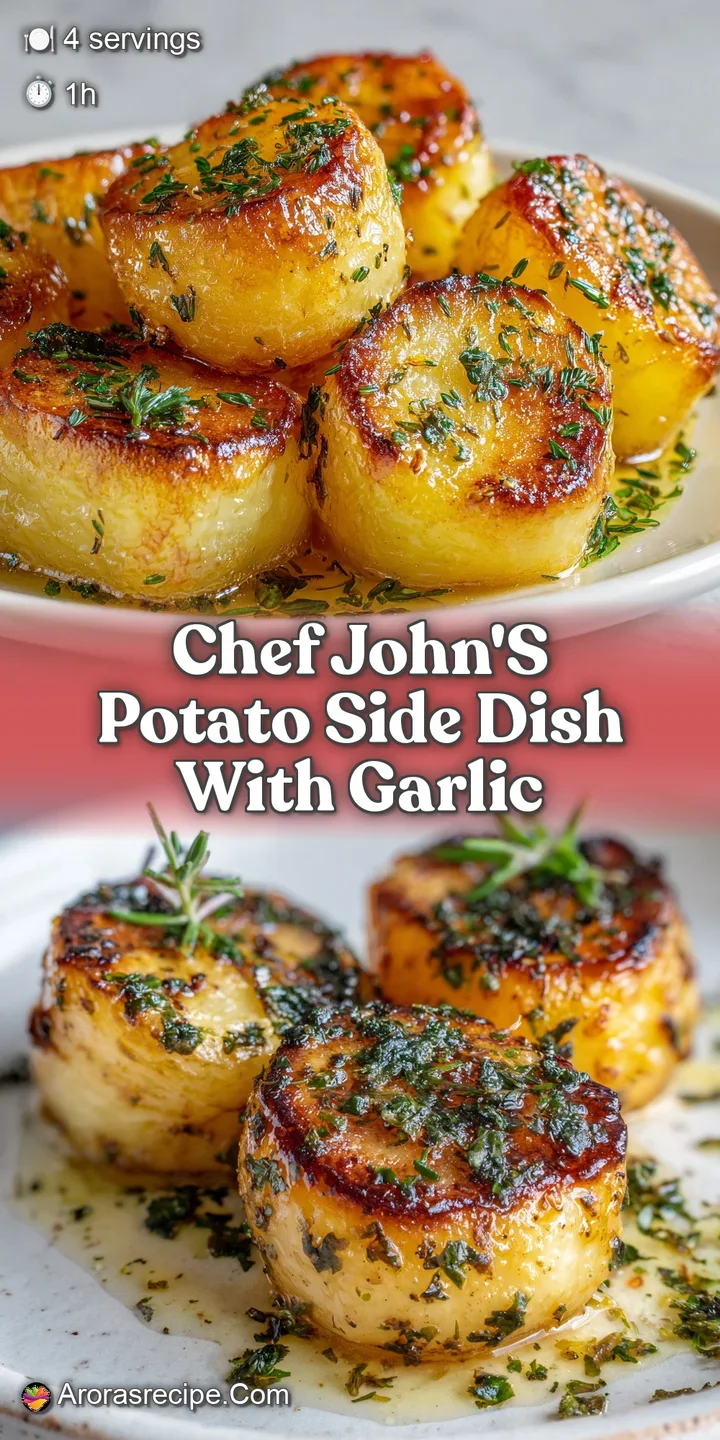
To make these look as good as they taste, focus on height. Stand the cylinders upright on a warm platter. The contrast between the dark golden tops and the pale, creamy sides is visually stunning.
Don't just pour the sauce over them; use a spoon to carefully place a small pool of the herb infused glaze around the base of each potato.
Finally, garnish with a few fresh sprigs of thyme or a light dusting of Maldon sea salt for that extra crunch. If you really want to "wow" your guests, a tiny grating of fresh lemon zest right before serving cuts through the rich butter and brightens the whole plate.
It’s these small Nashville style touches that turn a simple side dish into a homemade masterpiece.
Recipe FAQs
What are three of the most famous potato dishes?
Pommes de Terre Pont Neuf, Dauphinoise, and French Fries. These classics showcase potatoes' versatility, ranging from deep fried perfection to rich, layered gratins that are benchmarks in classic cooking.
What herb goes best with garlic potatoes?
Rosemary or thyme are the top pairings. Their robust, woody flavors hold up well against the high heat searing and the long, slow braise required for tender results.
What enhances the flavor of potatoes?
Fat, salt, and acid provide the biggest flavor enhancement. Use high-quality olive oil for searing, finish with flaky salt, and a small touch of fresh lemon zest brightens the entire profile.
Is it true that searing potatoes creates a flavor seal that locks in moisture?
No, this is a common misconception. Searing creates the Maillard reaction for flavor and texture, but the moisture retention is managed by the liquid added during the braising stage.
What to have with garlic and herb baby potatoes?
Anything roasted or pan-seared that benefits from intense savory sides. These potatoes pair wonderfully with rich meats, similar to the deep flavors you build when mastering the technique in our How to Cook recipe for steak.
How to prevent the garlic from burning during the potato searing process?
Add the smashed garlic only after the potatoes have achieved their initial deep golden crust. Sauté the garlic for only 1-2 minutes on the second side, just until it becomes fragrant before adding the braising liquid.
What can I substitute for chicken stock if I need a vegetarian version?
Use high-quality vegetable broth as a direct 1:1 substitute. This maintains the necessary liquid volume for the braise while ensuring the final glaze retains depth without needing meat drippings.
Chef John Potato Side Dish
Ingredients:
Instructions:
Nutrition Facts:
| Calories | 284 kcal |
|---|---|
| Protein | 4.8 g |
| Fat | 12.8 g |
| Carbs | 40.2 g |
| Fiber | 3.4 g |
| Sugar | 1.6 g |
| Sodium | 618 mg |
