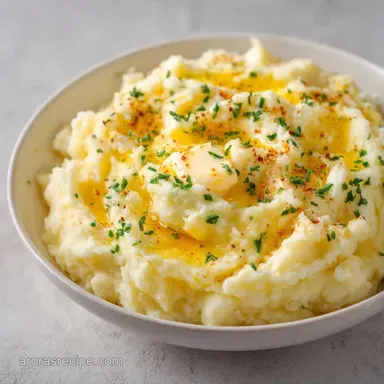
Holiday Mashed Potatoes: Rich and Smooth
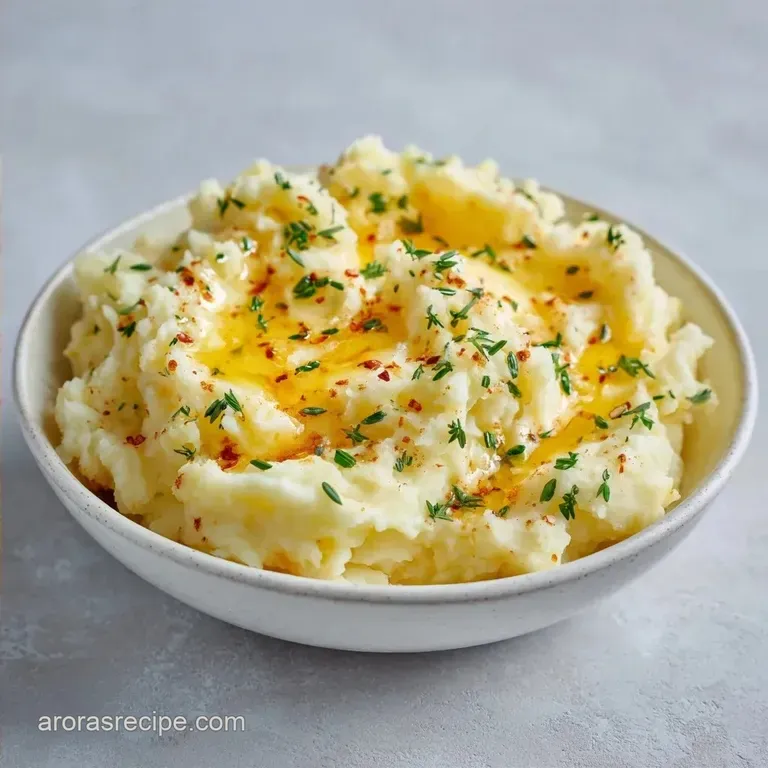
- Time: 15 min active + 45 min cook
- Flavor/Texture Hook: Rich, buttery, and completely smooth
- Perfect for: Family gatherings and big holiday dinners
- Get the Most out of Mashed Potatoes
- The Nitty Gritty Recipe Specs
- Breaking Down Your Shopping List
- Tools for the Job
- Step by Step to the Table
- Fixing Common Texture Issues
- Troubleshooting Common Issues
- Smart Swaps and Flavor Twists
- Adjusting the Batch Size
- Common Potato Misconceptions
- Keeping Leftovers Fresh
- What to Serve With This
- Recipe FAQs
- 📝 Recipe Card
In the South, especially around Nashville, a Sunday dinner isn't a dinner without a big bowl of potatoes. It's the glue that holds the whole meal together, sitting right there next to the roast or fried chicken. For us, these aren't just a side dish. They're a way of showing you're welcome at the table.
Growing up, my grandma always insisted that the way you handle the potato determines if the meal feels fancy or just basic. She taught me that patience in the pot leads to a better result on the plate. It's about that comforting, homemade feel that makes everyone relax.
We're going for something truly rich here. These Mashed Potatoes use a mix of cream cheese and sour cream to get a depth of flavor that butter alone can't reach. It's budget friendly but tastes like something from a high end steakhouse.
Get the Most out of Mashed Potatoes
The real trick to great Mashed Potatoes isn't the amount of butter you throw in. It's how you manage the water. Most people drain their pots and go straight to mashing, but that leaves a layer of moisture that thins out your dairy.
If you spend two minutes drying the potatoes in the hot pot, they soak up the butter and cream much better.
I used to over mash mine with a hand mixer, thinking it would make them smoother. All that did was turn my dinner into wallpaper paste. Now, I stick to a ricer or a simple masher. It keeps the texture light instead of gummy.
The Moisture Purge: Returning the drained potatoes to the heat for 2 minutes lets the surface steam evaporate. This ensures the fats coat the potato starch instead of sliding off.
Warm Dairy: Adding cold cream to hot potatoes crashes the temperature. Heating your butter and cream first keeps the mash hot and makes the folding process much faster.
| Method | Time | Texture | Best For |
|---|---|---|---|
| Hand Masher | 5 mins | Rustic, some lumps | Casual weeknight meals |
| Potato Ricer | 10 mins | Completely smooth | Holiday dinners |
| Food Processor | 3 mins | Gluey, elastic | Avoid this method |
Why These Ingredients Work
| Ingredient | What It Does | Best Swap |
|---|---|---|
| Yukon Gold | Provides a naturally buttery flavor | Russet (more fluffy, less rich) |
| Cream Cheese | Adds thickness and a tangy depth | Extra butter (less tang) |
| Sour Cream | Gives a slight zip and lightness | Greek yogurt (tarter) |
| Heavy Cream | Creates a lush, pourable consistency | Whole milk (lighter result) |
The Nitty Gritty Recipe Specs
For this batch, we're prepping for a crowd. This recipe makes 15 servings, so it's a powerhouse for a party. You'll need about 60 minutes total. The prep is quick, but don't rush the simmering process.
I recommend using a large stockpot. If the potatoes are too crowded, they won't cook evenly, and you'll end up with some chunks that are hard in the middle. Keep them in 1.5 inch chunks to make sure they hit the same doneness at the same time.
Right then, let's look at the gear. You don't need a professional kitchen, just a few basics. A colander is non negotiable because you need to get every drop of water off those spuds before they go back into the pot.
Breaking Down Your Shopping List
You can find all of this at any local grocery store. To keep costs down, buy the store brand for the cream and butter. The quality difference is negligible once it's mixed with the potatoes.
- 2.27 kg (5 lbs) Yukon Gold potatoes, peeled and cubed Why this? Waxy texture prevents them from falling apart
- 2 tsp Kosher salt Why this? Seasons the potato from the inside out
- 227 g (1 cup) unsalted butter, cubed Why this? Provides a clean, rich base
- 240 ml (1 cup) heavy cream Why this? Necessary for that professional grade richness
- 120 g (1/2 cup) sour cream Why this? Cuts through the fat with a bit of acid
- 113 g (4 oz) cream cheese, softened Why this? Acts as a stabilizer for a thicker mash
- 1 tsp garlic powder Why this? Even distribution of flavor without raw garlic bites
- 1/2 tsp ground white pepper Why this? Adds heat without black specks
- 1/2 cup fresh chives, finely chopped Why this? Fresh, oniony finish
- Additional salt to taste
If you're on a strict budget, you can swap the heavy cream for whole milk. According to Serious Eats, the starch content of the potato variety heavily influences how much liquid it can absorb, so Yukon Golds are more forgiving with cheaper dairy.
Tools for the Job
You'll need a large stockpot and a sturdy colander. For the mashing, a ricer is my go to for a silky result, but a standard hand masher works if you don't mind a few rustic lumps.
A small saucepan is needed to warm the dairy. You can use a microwave, but a saucepan gives you more control. Don't forget a rubber spatula. Folding the dairy in gently is better than stirring vigorously, which can overwork the starch.
Step by step to the Table
- Peel and cut potatoes into uniform 1.5 inch chunks. Note: Uniform size means no undercooked centers.
- Place potatoes in a large stockpot and cover with cold water by at least 2 inches. Add the 2 tsp of salt.
- Bring to a boil over high heat, then reduce to a simmer. Cook for 15-20 minutes until a fork slides in and out with zero resistance.
- Drain potatoes thoroughly in a colander to remove all surface water.
- Return the drained potatoes to the empty hot pot over low heat for 1-2 minutes, shaking occasionally until the potatoes look matte and dry.
- Mash the potatoes while hot using a potato masher or ricer until no large lumps remain.
- Warm the butter and heavy cream together in a small saucepan until the butter is completely melted.
- Fold the warmed dairy mixture, sour cream, and softened cream cheese into the mashed potatoes. Note: Use a folding motion to keep them fluffy.
- Stir in garlic powder, white pepper, and chopped chives. Season with additional salt to taste.
Fixing Common Texture Issues
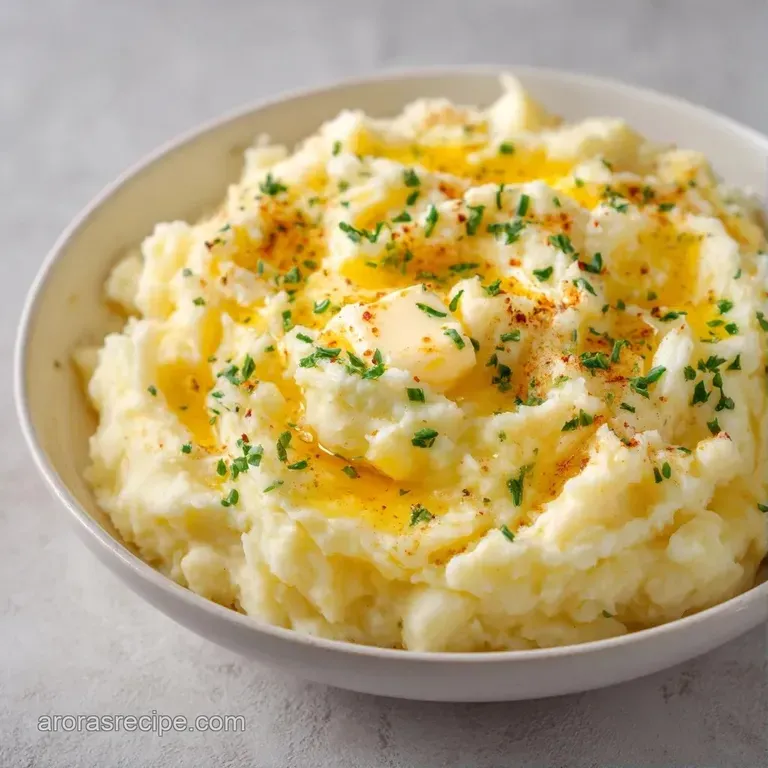
The biggest headache with Mashed Potatoes is when they turn "gluey." This happens when the starch cells rupture and leak, creating a sticky paste. Usually, it's from over mixing or using a food processor.
Troubleshooting Common Issues
| Issue | Solution |
|---|---|
| Why Your Mash Is Gluey | If you used a blender or whipped them for too long, you've activated too much starch. |
| Why Your Mash Tastes Bland | Potatoes absorb a massive amount of salt. If the flavor is flat, it's almost always a lack of salt. Add it in small pinches at the end and taste after every addition. |
| Why You See Small Lumps | This usually means the potatoes weren't simmered long enough or the ricer was skipped. If you're using a hand masher, just embrace the rustic look. |
Smart Swaps and Flavor Twists
You can easily pivot these for different occasions. For a tangy profile, double the sour cream and add a teaspoon of lemon zest. If you're serving these as part of a fancy dinner, try adding a tablespoon of truffle oil.
For a budget friendly version, replace the cream cheese with an extra 2 tablespoons of butter and a splash of milk. It won't have the same thickness, but it's still a solid side. If you want something with a kick, my homemade creamy horseradish sauce stirred in creates a great contrast.
For an Aromatic Upgrade
Swap the garlic powder for roasted garlic cloves. Mash the roasted garlic into a paste before folding it in. This gives a mellow, sweet flavor.
For a Lighter Version
Use half the butter and replace the heavy cream with low-fat milk. You'll lose some of that richness, but it's still comforting.
Adjusting the Batch Size
Scaling Mashed Potatoes is pretty straightforward, but dairy behaves differently in larger volumes.
Scaling Down (1/2 batch): Use a smaller pot so the water covers the potatoes properly. Reduce the simmering time by about 2-3 minutes since there's less mass in the pot.
Scaling Up (2x batch): Don't double the salt immediately. Start with 1.5x the salt and adjust at the end. Work in batches if your pot is too small, otherwise the potatoes at the bottom will mush before the ones on top are cooked.
| Batch Size | Potato Amount | Dairy Adjustment | Cook Time |
|---|---|---|---|
| Half (7-8 servings) | 1.13 kg | Exact half | Reduce 2-3 mins |
| Double (30 servings) | 4.54 kg | 1.7x Salt/Spices | Extend 5-10 mins |
Common Potato Misconceptions
Some people think you have to start potatoes in boiling water. Actually, starting them in cold water ensures the outside doesn't overcook and disintegrate before the center is soft.
Another myth is that you need a professional mixer for a smooth finish. In reality, a manual ricer is far superior because it doesn't beat the starch into a gluey mess.
Keeping Leftovers Fresh
These Mashed Potatoes stay good in the fridge for about 4 days. Store them in an airtight container. To keep them from drying out, press a piece of plastic wrap directly onto the surface of the potatoes before sealing the lid.
For the freezer, you can keep them for up to 3 months. Note that the texture might change slightly due to the cream cheese, but they still taste great.
The Reheating Trick: Don't microwave them on high, or they'll get hot spots and dry edges. Heat them on the stove over low heat, adding a splash of milk or a knob of butter to bring back the creaminess.
Zero Waste Tip: Don't toss the potato peels if you have a little extra time. Toss them in olive oil and salt, then bake at 200°C for 10 minutes for a quick, crispy snack.
What to Serve With This
Because these are so rich, they pair well with proteins that have a bit of a sear or a sharp sauce. I love serving them alongside a roasted tri tip steak where the meat juices mingle with the butter.
They're also the perfect bed for any kind of gravy. Whether it's a thick brown gravy or a peppercorn sauce, the creaminess of the potatoes balances the saltiness of the sauce. If you're doing a holiday spread, these Christmas Mashed Potatoes are a hit next to glazed ham or roast turkey.
For a lighter pairing, try some steamed green beans or a crisp arugula salad with a lemon vinaigrette. The acidity of the greens cuts through the richness of the cream cheese and butter, making the whole meal feel balanced.
Recipe FAQs
What does Gordon Ramsay put in his mashed potatoes?
He relies on a high ratio of butter and cream. This recipe achieves that same professional richness by using a full cup each of unsalted butter and heavy cream.
Are mashed potatoes good for diabetics?
No, they are generally not recommended. Potatoes have a high glycemic index, which can cause significant spikes in blood sugar levels.
Can you make mashed potatoes the day before Christmas?
Yes, they can be made ahead. Store them in the refrigerator and reheat them slowly with a splash of warm heavy cream to restore the original texture.
What does Martha Stewart put in her mashed potatoes?
She typically focuses on high-quality butter and cream. This version mirrors that luxury by blending butter and heavy cream with sour cream and cream cheese for added depth.
Holiday mashed potatoes with cream cheese?
Yes, it adds a tangy, rich thickness. Fold in 4 oz of softened cream cheese and pair the dish with a velvety smooth gravy for a complete holiday meal.
Ina Garten make-ahead mashed potatoes?
Yes, these store and reheat beautifully. Follow the standard preparation steps and warm them gently on the stove or in the oven just before serving.
How to avoid lumps in mashed potatoes?
Simmer the potatoes for 15 20 minutes until a fork slides in with zero resistance. Use a ricer or masher while the potatoes are still hot to ensure a completely smooth consistency.
Creamy Holiday Mashed Potatoes