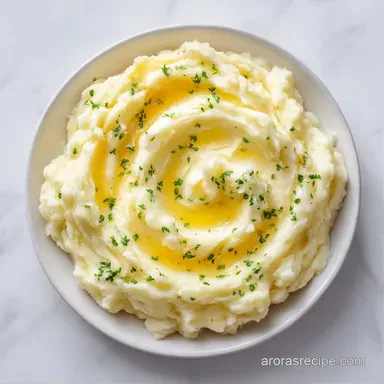
Garlic Mashed Potatoes: Fluffy and Light
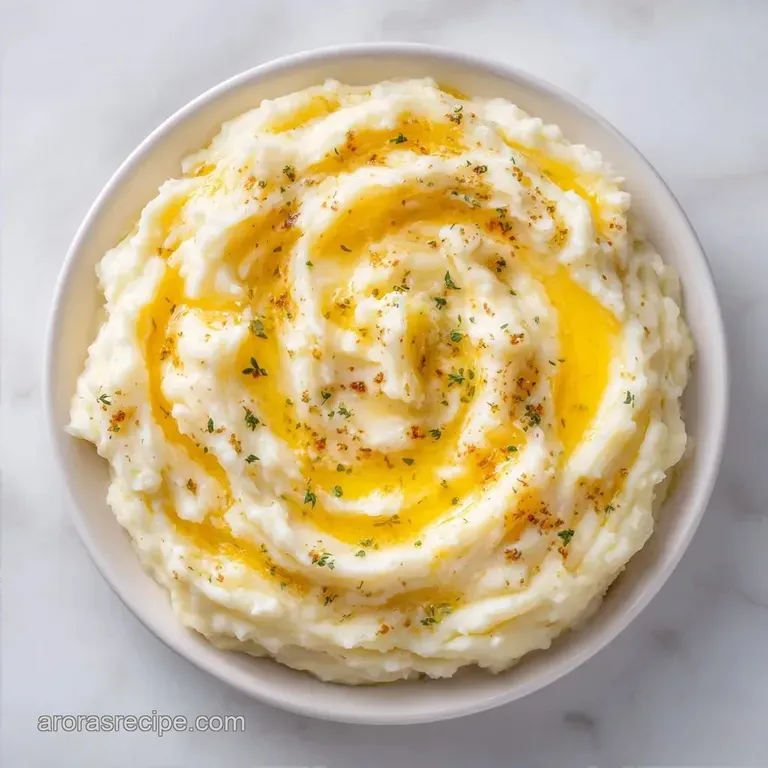
- Time: 15 min active + 40 min cooking
- Flavor/Texture Hook: Cloud like and garlicky
- Perfect for: Holiday dinners or a comforting Sunday roast
Easy Garlic Mashed Potatoes
The smell of garlic roasting in the oven is one of those things that makes a house feel like a home. I used to struggle with potatoes that turned out gluey or rubbery, mostly because I over mixed them or didn't drain them well enough.
It's a frustrating feeling when you've spent an hour peeling and chopping only to end up with something the texture of wallpaper paste.
This recipe fixes that by using a "steam dry" step and a specific type of potato. By letting the potatoes sit in the hot pot for a couple of minutes after draining, you get rid of the surface water. This means the butter and yogurt actually stick to the potato instead of sliding off.
You can expect a side dish that is rich and savory but doesn't feel too heavy. It's a budget friendly way to make a simple dinner feel special. Whether you're serving a crowd or just treating yourself, these Garlic Mashed Potatoes deliver that classic Nashville comfort feel.
Why This Mash Works
- Steam Drying: Letting potatoes sit for 2 minutes after draining removes excess water. This prevents the mash from becoming watery or requiring too much flour.
- Yukon Golds: These have a naturally buttery flavor and a medium starch content. They hold their shape better than Russets but mash easier than red potatoes.
- Greek Yogurt: Adding yogurt provides a slight tang that cuts through the fat of the butter. It also adds a bit of protein and thickness without needing heavy cream.
| Method | Time | Texture | Best For |
|---|---|---|---|
| Roasted Garlic | 55 mins | Rich & Complex | Sunday Dinner |
| Raw Garlic | 30 mins | Sharp & Pungent | Quick Weeknight |
| Garlic Powder | 25 mins | Uniform & Mild | Meal Prep |
Ingredient Deep Dive
| Ingredient | What It Does | Best Swap |
|---|---|---|
| Yukon Gold Potatoes | Provides the creamy base | Russets (will be fluffier but less buttery) |
| Roasted Garlic | Adds a mellow, sweet depth | Garlic powder (lacks depth, use 1 tsp) |
| Greek Yogurt | Adds tang and creaminess | Sour cream (richer, less tangy) |
| Unsalted Butter | Adds richness and shine | Vegan butter or olive oil (changes flavor profile) |
Tools You'll Need
You don't need a professional kitchen for this. A medium pot and a standard potato masher work fine. If you have a ricer, use it. It produces the smoothest results because it doesn't over work the starch. You'll also need a sheet of aluminum foil for the garlic and a small bowl for the garlic paste.
How to Make It
Phase 1: Roasting the Garlic
- Place the garlic head on a piece of foil, drizzle with olive oil, and sprinkle with salt.
- Wrap the foil tightly and roast at 400°F (200°C) for 30-40 minutes until the cloves are soft and golden.
- Squeeze the roasted cloves out of the skin into a small bowl and mash into a smooth paste. Note: Be careful as the garlic will be very hot.
Phase 2: Preparing the Potatoes
- Place cubed potatoes in a pot and cover with cold water.
- Add salt and bring to a boil, then simmer for 15-20 minutes until the potatoes are fork tender.
- Drain thoroughly and let them steam dry in the pot for 2 minutes to remove excess moisture. Note: This is the most important step for texture.
Phase 3: Creating the Mash
- Mash the potatoes while hot using a masher or ricer until no large lumps remain.
- Fold in the roasted garlic paste and softened butter until fully incorporated.
- Stir in the Greek yogurt and milk incrementally, stirring gently until the potatoes reach a cloud like, smooth consistency.
- Season with white pepper and fold in the chives just before serving.
Chef's Note: For a more intense flavor, you can add a pinch of nutmeg. It doesn't make the dish taste like dessert, but it brings out the sweetness of the roasted garlic.
Fixing Common Mash Problems
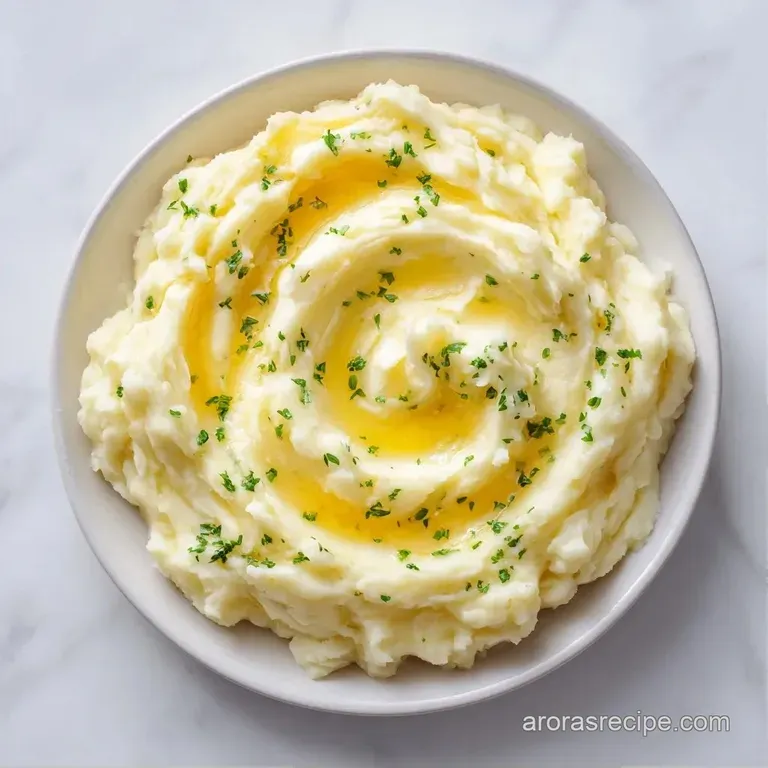
If your potatoes aren't turning out right, it usually comes down to the starch or the moisture. Over working the potatoes is the most common culprit. When you stir too vigorously, you break the starch granules, which releases amylose and creates that sticky, gluey texture.
Why Your Mash is Gluey
This happens when the potatoes are over mashed or beaten with a mixer. The starch transforms into a paste. To avoid this, use a ricer or stop mashing the moment the lumps are gone.
Managing Watery Mash
Watery potatoes usually mean they weren't drained properly or too much milk was added too fast. If this happens, you can put them back in the pot over low heat for 2-3 minutes to simmer off the excess liquid.
Avoiding Raw Garlic Taste
Raw garlic is harsh. Roasting it at 400°F transforms the flavor into something sweet and buttery. If you're in a rush and use raw garlic, sauté it in the butter for 2 minutes first.
| Problem | Root Cause | Solution |
|---|---|---|
| Gluey Texture | Over mixing | Use a ricer or stop mashing earlier |
| Lumpy Mash | Under cooking | Simmer 5 mins longer until fork tender |
| Bland Taste | Low salt in water | Salt the boiling water heavily |
Mix It Up
Depending on what you have in the pantry, you can tweak this recipe easily. If you want a more indulgent version, replace the low-fat milk with heavy cream. If you're looking for something leaner, increase the Greek yogurt and skip the butter entirely.
- If you want a smoky flavor, do this: Add 1/2 tsp of smoked paprika.
- If you want a cheesy kick, do this: Fold in 1/2 cup of shredded sharp cheddar.
- If you want it vegan, do this: Use vegan butter and coconut yogurt.
For those who love potato based sides, you might also enjoy my crispy potato wedges for a different texture.
Scaling Your Batch
When making a larger amount, don't just multiply everything linearly. Starch behaves differently in large volumes.
Scaling Down (Half Batch): Use a smaller pot to ensure the potatoes are fully submerged in water. Reduce the simmering time by about 20% since the smaller cubes will heat through faster.
Scaling Up (Double or Triple): Do not double the salt immediately. Start with 1.5x the salt and taste as you go. Work in batches if you don't have a massive pot, otherwise the potatoes at the bottom will turn to mush before the ones at the top are cooked. According to Serious Eats, using a larger pot helps maintain a consistent boil, which is key for even cooking.
Garlic Mash Myths
Searing or "frying" potatoes before boiling doesn't actually improve the mash. It just adds extra fat and can make the final result feel greasy. The flavor comes from the roasting of the garlic, not the potato.
Some people think adding flour helps thicken the mash. This is a mistake. Flour adds a raw, grainy taste. If your mash is too thin, use the steam dry method or add a bit more Greek yogurt.
Storage and Zero Waste
Keep leftovers in an airtight container in the fridge for up to 4 days. When you reheat them, don't use a microwave on high, or they'll get rubbery. Instead, heat them on the stove with a splash of milk or butter to bring back that silky feel.
For freezing, these hold up for about 2 months. Let them cool completely before freezing. When reheating from frozen, thaw in the fridge overnight and heat slowly on the stovetop.
To avoid waste, save your potato peels. Toss them in olive oil and salt, then bake at 400°F for 15 minutes for a quick, salty snack. You can also use the remaining garlic skins to flavor a homemade vegetable stock.
Best Pairing Ideas
These Garlic Mashed Potatoes are the ultimate side for rich, saucy meats. They act like a sponge for flavors, making them a natural fit for a hearty Beef Bourguignon.
If you're doing a simple roast chicken or pork loin, a drizzle of homemade brown gravy over the top of the mash is a winning combination. The savory gravy balances the tang of the Greek yogurt perfectly. For a lighter pairing, try serving them alongside steamed asparagus or a crisp green salad to cut through the richness.
Recipe FAQs
How do you add garlic to mashed potatoes?
Roast a whole head of garlic at 400°F (200°C) for 30-40 minutes. Squeeze the softened cloves into a smooth paste and fold it into the potatoes after mashing.
Can diabetics have mashed potatoes?
Yes, but in moderation. Because potatoes are high in carbohydrates, balance the portion with a lean protein like a pan-seared steak.
How to make creamy garlic mash?
Stir in Greek yogurt and milk incrementally. Fold these in gently after incorporating the butter and garlic paste until you reach a cloud like consistency.
When to add garlic powder when making mashed potatoes?
Avoid using garlic powder for this recipe. We use roasted garlic paste folded in at the end to provide a richer, more mellow flavor than powder can offer.
How to store and reheat leftovers?
Store in an airtight container in the fridge for 4 days. Reheat them on the stove with a splash of milk or butter to prevent them from becoming rubbery.
Is it true that you must use a ricer to avoid lumps?
No, this is a common misconception. A standard masher works perfectly as long as you mash the potatoes while they are still hot.
What is the best way to avoid lumpy potatoes?
Drain the potatoes thoroughly and let them steam dry in the pot for 2 minutes. This removes excess moisture, making it easier to achieve a smooth texture.
Roasted Garlic Mashed Potatoes