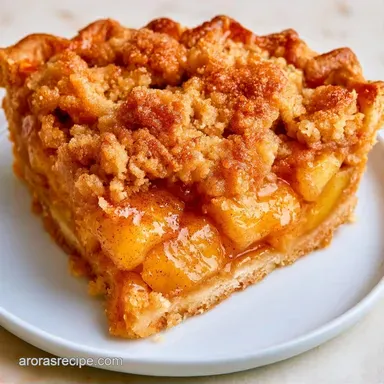
Dutch Apple Pie with Toasted Crumble

- Time: 20 min active + 1 hr chilling
- Flavor/Texture Hook: Tart cinnamon apples under a mahogany brown crunch
- Perfect for: Harvest parties or a cozy Sunday dessert
- Best Dutch Apple Pie Recipe for Fall
- The Building Blocks
- Equipment Needed
- Bringing It Together
- The Trick Behind the Texture
- Ingredients and Substitutes
- Gear for the Job
- Bringing It Together
- The Trick Behind the Texture
- Common Mistakes & Troubleshooting
- Make-Ahead and Leftover Tips
- Mix It Up
- Serving Size Guide
- What to Serve This With
- Debunking Pie Myths
- Recipe FAQs
- 📝 Recipe Card
Best Dutch Apple Pie Recipe for Fall
The smell of cinnamon and toasted butter hitting the air is the only way to truly start October. I grew up in a house where apple season meant the kitchen stayed warm all day, and we'd spend hours peeling bags of Granny Smiths.
In the Midwest, the Dutch version of this dessert is a staple because it swaps the heavy top crust for a crumbly streusel. It feels less formal and more like something you'd eat with your hands while standing in a garage.
This Dutch Apple Pie doesn't try to be fancy. It's about the contrast between the tart, bubbling fruit and that buttery, salty topping. I spent a long time figuring out how to stop the bottom from turning into a sponge, and the answer was all in the oven temperature and the way you handle the butter.
You can expect a pie that holds its shape when sliced but still has that gooey, concentrated apple center. It's hearty, homestyle, and tastes like a crisp afternoon at the orchard.
The Building Blocks
For a Dutch Apple Pie, the crust needs to be sturdy but flaky. I use all purpose flour and plenty of cold butter to ensure it doesn't just melt into a puddle. The sugar in the dough is minimal, just enough to help with browning.
The filling relies on a mix of apples. If you use only one kind, you often end up with a texture that's too soft or too tart. I prefer a blend of tart and sweet varieties. The lemon juice keeps the apples from browning and cuts through the sugar, while cornstarch ensures the juices thicken into a glossy sauce rather than a watery soup.
The crumble is where this recipe wins. Brown sugar gives it a molasses like depth that white sugar can't touch. Adding chopped pecans adds a bit of an earthy, nutty crunch that balances the sweetness of the fruit.
Equipment Needed
Having the right tools simplifies the process. Using a food processor is the quickest way to blend the butter into the flour without your hand heat melting it. If one isn't available, a pastry cutter or two forks are great alternatives.
A 9 inch pie pan is standard for this recipe. Glass and ceramic pans work, but metal typically conducts heat to the bottom more quickly, which helps prevent a soggy base. You will also need a rolling pin and a large mixing bowl for the apple filling.
Bringing It Together
Phase 1: Crafting the Flaky Base
- Pulse 2.5 cups (310g) all purpose flour, 1 tsp (6g) salt, and 1 tbsp (8g) granulated sugar in a food processor.
- Add 1 cup (225g) chilled and cubed unsalted butter. Pulse until the mixture looks like coarse crumbs with pea sized chunks remaining. Note: Don't over process or you'll lose the flakes.
- Drizzle in 7 tbsp (105ml) ice water, one tablespoon at a time. Pulse until the dough just starts to clump.
- Press the dough into a disk, wrap it in plastic, and refrigerate for at least 1 hour.
- Roll the dough into a 12 inch circle on a floured surface. Press it into a 9 inch pie pan and trim the edges.
Phase 2: Balancing the Filling
- In a large bowl, toss 3 lbs (1.3kg) peeled and sliced apples with 1 tbsp (15ml) lemon juice and 1 tbsp (15g) melted unsalted butter.
- Stir in 0.75 cup (150g) granulated sugar, 2 tbsp (16g) cornstarch, 1 tbsp (8g) ground cinnamon, and 0.25 tsp (1.5g) ground nutmeg.
- Pile the apples into the chilled crust. Mound them slightly in the center so the pie doesn't flatten as it bakes.
Phase 3: The Golden Brown Bake
- Rub 0.5 cup (115g) cold, cubed unsalted butter into 1 cup (125g) all purpose flour, 1 cup (200g) packed light brown sugar, and 1 tsp (2g) ground cinnamon. Use your fingers until clumps form, then fold in 0.5 cup (60g) chopped pecans.
- Sprinkle the crumble evenly over the top of the apples.
- Preheat your oven to 425°F (220°C). Bake for 15 minutes to set the crust.
- Lower the heat to 350°F (175°C). Bake for another 45–50 minutes until the topping is a deep mahogany brown and the filling bubbles at the edges.
The Trick Behind the Texture
Cold Butter: Keeping the butter in chunks creates steam pockets that push the flour apart, which results in a shattering crust.
Staged Baking: Starting at a high temperature seals the bottom crust quickly, while the lower temperature cooks the apples through without burning the topping.
Whether you go for a homemade approach or a few shortcuts, the result changes. I've tested this both ways to see what happens to the final Dutch Apple Pie.
| Ingredient/Method | Fresh Approach | Shortcut Approach | Impact |
|---|---|---|---|
| Apples | Freshly sliced | Canned apple slices | Canned are softer and less tart |
| Crust | Homemade buttery dough | store-bought frozen | store-bought is denser, less flaky |
| Topping | Hand rubbed streusel | Pre made crumble mix | Homemade has better salt/sugar balance |
Ingredients and Substitutes
For the Crust:
- 2.5 cups (310g) all purpose flour Why this? Gives the base its essential stability. (Substitute: White whole wheat flour for a nuttier taste)
- 1 tsp (6g) salt Why this? Offsets the sugary notes of the fruit. (Substitute: Sea salt)
- 1 tbsp (8g) granulated sugar Why this? Encourages golden browning. (Substitute: Coconut sugar)
- 1 cup (225g) unsalted butter, chilled and cubed Why this? Produces the flaky texture. (Substitute: Vegan butter blocks)
- 7 tbsp (105ml) ice water Why this? Holds the dough together while maintaining a low temperature. (Substitute: Ice cold vodka for extra flakiness)
For the Filling:
- 3 lbs (1.3kg) apples, peeled and sliced Why this? Granny Smith or Honeycrisp retain their structure. (Substitute: Braeburn or Jonagold)
- 0.75 cup (150g) granulated sugar Why this? Counteracts the tartness of the fruit. (Substitute: Maple sugar)
- 2 tbsp (16g) cornstarch Why this? Sets the apple juices. (Substitute: Tapioca starch)
- 1 tbsp (8g) ground cinnamon Why this? Offers a classic autumnal warmth. (Substitute: Apple pie spice blend)
- 0.25 tsp (1.5g) ground nutmeg Why this? Contributes a mild, earthy quality. (Substitute: Allspice)
- 1 tbsp (15ml) lemon juice Why this? Stops browning and adds a bright tang. (Substitute: Apple cider vinegar)
- 1 tbsp (15g) unsalted butter, melted Why this? Helps the cinnamon adhere to the apples. (Substitute: Melted coconut oil)
For the Crumble:
- 1 cup (125g) all purpose flour Why this? Acts as the streusel's base. (Substitute: Oat flour)
- 1 cup (200g) packed light brown sugar Why this? Delivers a rich caramel profile. (Substitute: Dark brown sugar for more molasses)
- 0.5 cup (115g) unsalted butter, cold and cubed Why this? Creates the chunky bits. (Substitute: Chilled margarine)
- 1 tsp (2g) ground cinnamon Why this? Mirrors the flavors in the filling. (Substitute: Cardamom)
- 0.5 cup (60g) chopped pecans Why this? Provides a nutty crunch. (Substitute: Walnuts or almonds)
Gear for the Job
While you don't need a massive collection of tools, a few items are quite useful. A food processor works well for the dough, though a pastry blender is a great traditional alternative for cutting butter into flour without heating it.
If you're baking multiple pies for a group, a mandoline slicer will speed up the apple preparation significantly; just be mindful of your fingers. A standard 9 inch pie dish is ideal, especially one with sloped sides for easier serving.
Bringing It Together

(Instructions are detailed in the "Bringing It Together" section above)
The Trick Behind the Texture
I've found that the biggest issue with a Dutch Apple Pie is the juice. Apples release a lot of liquid as they heat up. If that liquid doesn't thicken, it just soaks into the bottom crust. Cornstarch is the move here because it creates a clear, thick gel that holds the slices together.
Another point is the crumble. Most people just mix it until it's a paste, but you want actual clumps. Those little pebbles of butter and sugar toast separately in the oven, giving you different levels of crunch in every bite.
Common Mistakes & Troubleshooting
Avoiding Soggy Bottoms
Many bakers struggle with a bottom crust that seems underbaked or damp. This typically stems from an oven temperature that's too low or excess filling liquid. To solve this, set your pie on a preheated baking tray to deliver a quick burst of heat to the base.
Fixing Burnt Toppings
Occasionally, the crumble browns too quickly before the apples have fully softened. If the topping looks like it's burning, simply place a sheet of aluminum foil lightly across the top. This protects the crust while the filling finishes cooking.
Stopping Filling Overflow
To prevent apple juices from bubbling over and leaving a sticky residue on the oven floor, heap the fruit in the center of the dish. Because apples shrink as they bake, they will flatten out instead of overflowing the edges.
| Problem | Fix |
|---|---|
| Wet bottom crust | Use a preheated baking sheet or the bottom rack |
| Topping browning too quickly | Place aluminum foil lightly over the top |
| Filling is too thin | Add an extra 1 tsp of cornstarch next time |
| Crust slides down the sides | Let dough chill for one hour before rolling |
Make-ahead and Leftover Tips
This Dutch Apple Pie can be prepared a day ahead of time. Simply cover it with plastic wrap and store it in the cooler. When you're ready to serve, heat it in the oven; it may need an extra 5-10 minutes to warm through to the middle.
Keep leftovers in an airtight container in the cooler for up to 4 days. To reheat a slice while maintaining its crispness, forgo the microwave. Use a toaster oven at 300°F (150°C) for about 10 minutes.
Don't throw away the leftover apple peels and cores. Place them in a jar with water, cinnamon, and a pinch of sugar, then simmer on the stove to make a rustic syrup.
Mix It Up
For a different kind of fruit dessert, you might enjoy a Traditional Apple Cobbler recipe, which has a softer, more cake like top. But if you're sticking with this Dutch Apple Pie, there are a few ways to tweak it.
For a Nut Free Version: Swap the pecans for rolled oats. It gives a similar chew and a very homestyle feel.
For an Autumnal Crunch: Add a pinch of ground cloves or ginger to the apple mix. It deepens the flavor and makes the pie feel more "wintery."
For a Lighter Option: You can reduce the butter in the crumble by 2 tablespoons and add a bit of almond flour to keep the richness.
The Pear Twist: Replace half of the apples with firm Bosc pears. The pears add a floral sweetness that pairs beautifully with the cinnamon.
- - For a firmer set
- add 1 extra tsp of cornstarch.
- - For a darker crust
- brush the edges with an egg wash.
- - For more tartness
- use 100% Granny Smith apples.
Serving Size Guide
Adjust the proportions to suit your group. This recipe serves 8 people comfortably.
| Servings | Apples | Butter (Crust+Crumble) | Pan Size |
|---|---|---|---|
| 4 (Small) | 1.5 lbs | 0.75 cup | 6 inch |
| 8 (Standard) | 3 lbs | 1.5 cups | 9 inch |
| 12 (Party) | 4.5 lbs | 2.25 cups | 12 inch |
What to Serve This With
The best way to eat a slice of Dutch Apple Pie is warm, with a big scoop of vanilla bean ice cream. The cold cream melts into the hot cinnamon apples and creates a rich sauce on the plate.
If you're serving this at a holiday gathering, a sharp cheddar cheese slice on the side is a classic Midwestern move. The saltiness of the cheese cuts through the sugar of the crumble.
For a drink, this pairs perfectly with a Homemade Hot Chocolate. The dark cocoa and the toasted apples together make for the ultimate cozy evening.
Debunking Pie Myths
Many people believe that pre-cooking the apples is necessary to avoid a soggy crust, but it isn't. Pre-cooking usually just turns the fruit into mush. In this Dutch Apple Pie recipe, the high-heat start protects the crust, while cornstarch manages the juice.
Another mistake is using room-temperature butter for the dough. When butter is too warm, it incorporates too thoroughly into the flour, creating a cookie-like consistency instead of a flaky one. Keep it chilled until the moment it goes into the processor.
Lastly, blind baking isn't mandatory for every pie. In this case, the 15-minute high-heat blast serves as a partial blind bake, firming up the base before the filling adds moisture.
Recipe FAQs
What's the difference between apple pie and Dutch apple pie?
The topping is the key. While a traditional pie has a pastry lid, Dutch apple pie features a crumbly streusel made from flour, brown sugar, cinnamon, butter, and pecans.
How to prevent a soggy bottom crust?
Bake at 425°F (220°C) for the first 15 minutes. This high initial heat sets the pastry immediately before you reduce the oven to 350°F (175°C) to cook the filling.
Is it true that making a homemade crust is too difficult for beginners?
No, this is a common misconception. Using a food processor to pulse chilled butter into flour makes the process fast and foolproof. If you enjoyed mastering dough handling here, see how the same principle works in our soft sourdough sandwich bread.
Can red apples be used in this recipe?
Yes, as long as they are firm. Choose varieties that hold their structure during the 65-minute cook time to ensure the filling doesn't become mushy.
Dutch Apple Pie for 8 Servings