Fruit and Cheese Platter Ideas the Effortless Elegance Blueprint
- The Culinary Blueprint: Why Balance is Key to a Perfect Platter
- Curating the Perfect Portfolio: Selecting Components for Your Fruit and Cheese Platter
- The Architecture of Attraction: Mastering Platter Placement and Flow
- Frequently Asked Questions and Expert Platter Troubleshooting
- Recipe FAQs
- 📝 Recipe Card
The Culinary Blueprint: Why Balance is Key to a Perfect Platter
Look, I’m going to be completely honest with you. For years, my “cheese board” was just a bunch of sad cheddar cubes and grapes tossed onto a plate. It was fine. It got eaten. But it didn't spark joy.
The truth is, building a stunning fruit and cheese platter isn’t about spending a fortune; it’s about understanding food chemistry. You need to hit certain flavor and texture notes to make the whole thing sing. Think of it like a band: you need a bass, a rhythm, and a lead.
You can’t just have four drummers.
Defining the Four Essential Texture Categories (Creamy, Crumbly, Hard, Fresh)
When I design a platter, I immediately break down the components into these four groups. If I’m missing one, the board feels flat.
| Texture Category | Example Cheese/Fruit | Role on the Platter |
|---|---|---|
| Creamy | Brie, Camembert, Honey | Provides a rich, velvety mouthfeel. |
| Crumbly | Stilton, Goat Cheese, Feta | Introduces sharpness, funk, and high salt. |
| Hard | Aged Gouda, Sharp Cheddar | Offers nutty notes and serious chew resistance. |
| Fresh | Apples, Grapes, Cucumbers | Cleanses the palate between bites. |
The key here is contrast. That soft, creamy Brie is fantastic, but by itself, it’s boring. You need the satisfying crunch of an apple slice and the salty hit of an aged cheese right next to it.
Matching Acidity: How Fruit Cuts Through the Richness of Dairy
This is the big secret. Dairy fat (butterfat) coats your mouth. That’s why cheese feels heavy and luxurious. If you just eat cheese and bread, you eventually hit a wall, right? That’s where fruit acidity comes in.
The sharp, tart kick from a Granny Smith apple, a raspberry, or even a sliver of dried apricot acts like a little scrub brush for your palate. It cuts through the fat, refreshing your taste buds and making you want another bite of the cheese. That’s why grapes are classic.
They have just enough tart sweetness to reset the flavour profile. If you only use ultra and sweet things, like mango or banana (please, don’t use banana), you just compound the richness, and the whole thing ends up tasting heavy. We want bright, vibrant energy here.
Curating the Perfect Portfolio: Selecting Components for Your Fruit and Cheese Platter
Right then. Now we know why we are choosing things, let’s crack on with the actual ingredients list. This is where I tell you my non and negotiables.
The Three and Cheese Rule: Must and Have Varieties for Dynamic Flavor Profiles
Three cheeses is the magic number for a standard party platter (serving 6 8 people). Five if you’re trying to impress royalty. Never four. I don’t know why, it just looks wrong. The three choices must cover the spectrum:
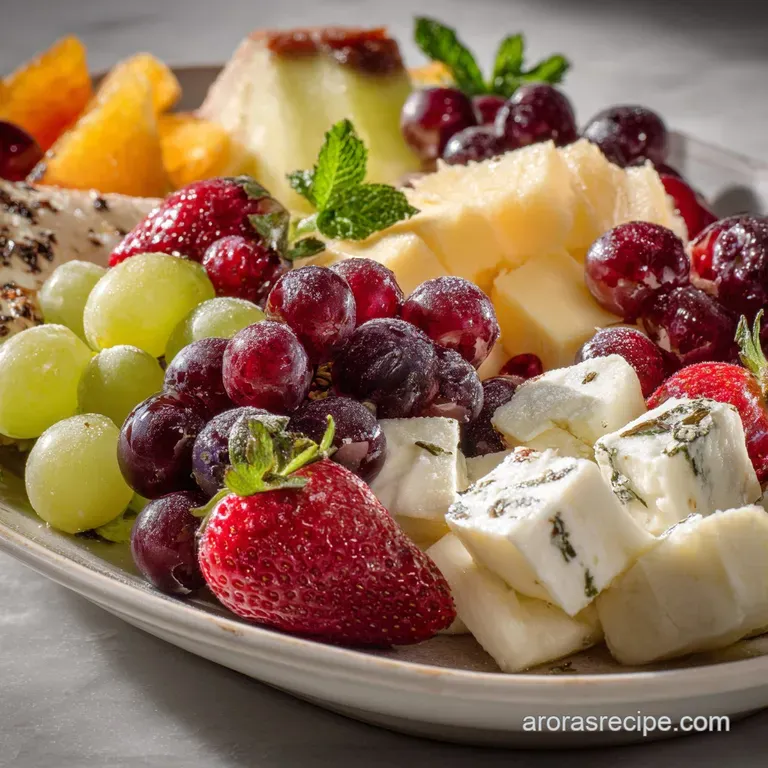
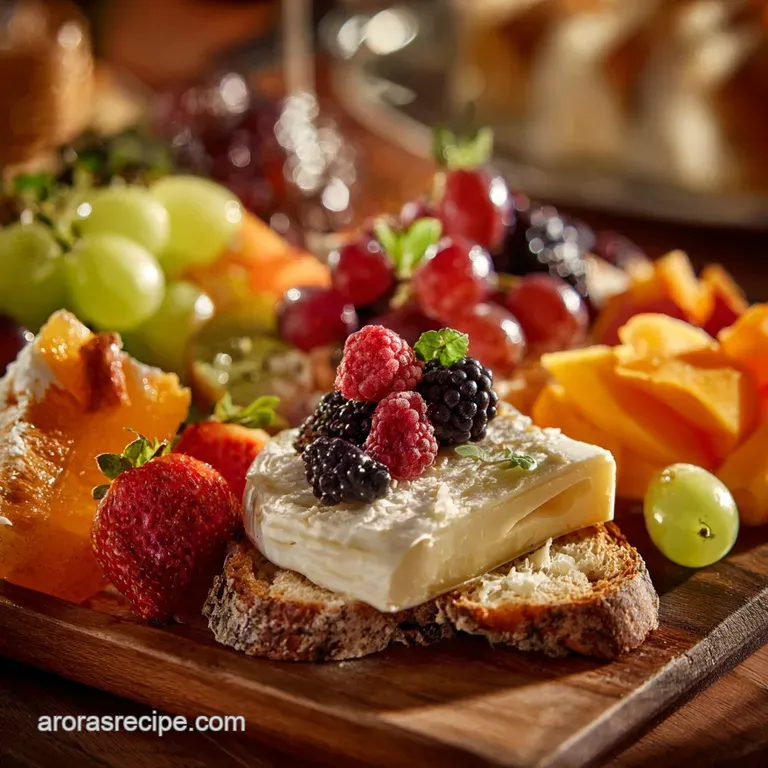
- The Soft and Buttery (The Crowd and Pleaser): Brie or a high and quality goat cheese (chevre). This is the baseline. Everyone loves Brie.
- The Aged and Nutty (The Texture): Aged Gouda, Sharp English Cheddar, or a salty Manchego. These are usually the easiest to pre and slice, which is a blessing.
- The Bold and Funky (The Challenge): A blue cheese, like Stilton or Roquefort. This might scare some guests, but the intense salty punch pairs magically with honey and dried figs. You gotta have a wild card.
I made the mistake once of buying three types of cheddar. They were three different colours , but they all tasted essentially the same. Total fail. Don't be me. Get the contrast.
Seasonal Stars: Choosing the Ripest Fruit Companions and Accents
You shouldn't buy blueberries in December. They taste like sadness. The best fruit selection follows the seasons.
- Summer: Cherries, raspberries, sliced peaches, figs.
- Autumn: Pears, crisp apples, pomegranates, persimmons.
- Year and Round Lifesavers: Seedless grapes (red and green mix looks best) and dried apricots (which pair beautifully with hard cheeses).
Pro and Tip: Slice apples and pears just before assembly and toss them with a tiny splash of lemon juice to prevent browning. Nobody likes a brown apple slice.
Beyond the Basics: Nuts, Honey, and the Unexpected Crunch Factor
These are the flavour bridges the little helpers that connect the cheese to the fruit.
- Nuts: Marcona almonds are expensive, but they are buttery and glorious. Walnuts and pecans offer a necessary bitterness that works great with blue cheese. Lightly toasting them in a dry pan beforehand seriously boosts their flavour.
- Sweet Spreads: Forget simple grape jelly. Go for a high and quality fig jam or, my favorite, Quince Paste (Membrillo). Quince paste is dense, tart, and phenomenal with Manchego. Hot honey is also a game and changer for those creamy soft cheeses.
- Salty/Briney: Don't forget the pickles. Tiny cornichons and small marinated olives reset the palate differently than fruit does. They add that necessary, savory punch.
Essential Gear: Preparing Your Serving Board and Necessary Utensils
A good board needs to be big. Seriously. You always need more room than you think. I use a massive wooden cutting board because it holds heat (for tempering the cheese) and looks rustic. Slate is gorgeous, but it can make your knives screech.
What you need on the board:
- A dedicated knife for each cheese type (or at least a hard and cheese knife, a soft and cheese spreader, and a small fork for the blue).
- A few small spoons for the jams and honeys.
- Little pinch bowls or ramekins for olives and nuts. They keep everything tidy and prevent the nuts from rolling onto the floor.
Related Recipes Worth Trying
- San Giorgio Lasagna Rich Ragu and Creamy Ricotta Layers — Make the best San Giorgio Lasagna with this traditional homemade recipe featuring a slowsimmered rich Ragu and creamy ricotta filling Forget the noboil...
- Vietnamese Breakfast The Ultimate Bánh Mì Ốp La Fried Egg Sandwich — Start your day right with an authentic Vietnamese Breakfast This Banh Mi Sandwich Recipe features perfectly runny fried eggs savory pâté and quick pickled...
- Paua Fritters Recipe How to Cook Tender New Zealand Abalone — This classic Paua preparation turns the challenging New Zealand abalone into irresistibly crispy fritters Learn how to tenderise the Paua meat perfectly for...
The Architecture of Attraction: Mastering Platter Placement and Flow
This is the artistic bit. We aren’t laying things out in neat little rows like a grocery store display. We are creating abundance . We want the board to look so full it's almost spilling over the sides.
Anchoring the Board: Where to Position the Cheese Blocks First
Cheeses are the big, heavy anchors. Place them first. I like to put the three cheese blocks (or wedges) in a loose triangle formation around the board. If the board is huge, make the Brie the center star.
Crucial Step: Cut some of the hard cheese (Cheddar/Gouda) right on the board. Slice a few pieces and fan them out slightly beside the block. This sends a visual cue to guests: "It's okay to start eating!" Guests are always nervous to make the first cut into a beautiful wheel of cheese.
The River of Fruit: Strategically Weaving Fresh Produce Around Cheeses
Once the anchors and the small ramekins are placed (jam near the soft cheese, olives near the hard cheese), start building movement with the fruit.
- Place the grapes still on the vine and let them spill dramatically off the edge of the board. This immediately adds depth.
- Create "rivers" of berries or sliced apples that flow from one cheese anchor to the next. Don't just dump the fruit in a pile. Weave it in and out, creating little valleys and hills.
Filling the Voids: Placement Techniques for Crackers and Dips
Crackers and bread slices go in last, except for the garnish.
I used to arrange crackers neatly in a corner. Disaster. Nobody could reach them. Now, I scatter them strategically in the remaining empty spaces, standing them up on their edges or fanning them out like playing cards. This makes the board look packed and inviting.
- Rule for Crispness: Keep a large stack of crackers off the board, nearby. Only place enough crackers on the board to fill the gaps and provide immediate access. This prevents them from getting soggy from the juicy fruit or the humidity of the party.
The Final Polish: Garnishing Your Finished Fruit and Cheese Platter
This is my favourite part. Garnish takes a nice platter and makes it gorgeous. A few sprigs of fresh rosemary or thyme tucked in amongst the fruit look sophisticated and smell incredible. Don’t overuse it, but a couple of green bursts elevate the look instantly.
You can also use edible flowers if you’re feeling fancy. Little clusters of candied ginger or chocolate and covered almonds also work brilliantly to fill tiny, awkward gaps.
Frequently Asked Questions and Expert Platter Troubleshooting
Calculating Quantities: Scaling the Platter for Larger Groups
Generally, plan for 2 ounces (60 grams) of cheese per person if this is an appetizer before dinner. If the platter is the dinner (or the centerpiece of a wine tasting), bump that up to 3 to 4 ounces (85 115 grams) per person.
Scaling Tip: Keep the ratio of components steady. If you double the cheese, double the carriers and the fruit.
Ideal Timing: How Far in Advance Can I Prepare the Board?
Most of the work can be done in advance, but assembly must wait.
- Advance Prep (Up to 1 Day): Wash and dry all fruit. Place jams and olives in ramekins. Slice the baguette and put it in an airtight container.
- The 60 Minute Mark: Remove the cheese from the fridge to temper.
- The 30 Minute Mark: Begin assembly (anchors, ramekins, rivers). Slice the apples/pears now.
- The 5 Minute Mark (Just Before Guests Arrive): Add crackers and garnish.
Storage Solutions: Keeping Leftovers Fresh and Appetizing (Fruit and Cheese Platter Edition)
Leftover cheese should be wrapped tightly (plastic wrap then foil) and refrigerated. The best way to store cheese is to keep it away from the light and air.
For fruit, if it was touching the cheese, I usually chuck it, honestly. But if you have whole clusters of grapes or unused berries, they can be stored in the fridge. The big problem child is the crackers they are almost certainly soft by the end of the night. Sorry, but you’ll have to toss those.
Dietary Adjustments: Creating a Gluten and Free or Vegan Board
It's surprisingly easy now.
- Gluten and Free: Use rice crackers, certified gluten and free oatcakes, or sturdy vegetable sticks (like jicama or carrots) as carriers. Make sure your dried fruit isn’t processed with flour.
- Vegan: There are incredible artisanal vegan cheeses made from cashews or almonds these days. They look and taste fantastic. Swap honey for maple syrup or agave nectar. Use hummus or nut and based dips in place of creamy dairy spreads. Just don’t forget that crucial salty/acidic balance. It still needs that crisp apple to cut the richness.

Recipe FAQs
I’m a total beginner how do I choose cheeses that work well together for a Fruit and Cheese Platter?
The key is contrast: follow the 'Rule of Three' by picking one Hard (like Aged Cheddar), one Soft/Creamy (Brie or Camembert), and one Bold (Stilton or Blue) to ensure you cover all flavour and texture bases.
My cheese feels rock hard straight out of the fridge. Should I serve it cold, or is that a rookie mistake?
That is absolutely a rookie mistake! For peak flavour the sort that makes you feel like you’re dining in the Cotswolds all cheeses must be tempered at room temperature for 30 60 minutes before serving; this is essential for releasing their complex flavour oils.
I'm hosting a massive bash (about 20 guests). How do I scale this up without breaking the bank?
Stick to the guide of 60g (2 oz) of cheese per person, but buy large blocks of only three reliable cheese varieties; then, bulk up the board generously with cheaper, colourful fillers like grapes, crackers, and olives to create that coveted look of abundance.
Can I easily swap out ingredients if I have vegan or gluten-free guests coming for tea?
Absolutely; replace the standard crackers with plain oatcakes or gluten-free savory biscuits, and substitute dairy cheeses with high-quality aged nut-based soft cheeses, making sure to swap the hot honey for agave or maple syrup.
What’s the secret to making the platter look abundant and not just like a sad supermarket display?
Embrace "organized chaos" by clustering your elements densely, especially by tucking small items (like dried apricots and berries) into every remaining gap, and avoid putting your crackers on the board until the very last minute to prevent them from going limp.
Easy Fruit And Cheese Platter Guide
Ingredients:
Instructions:
Nutrition Facts:
| Calories | 753 kcal |
|---|---|
| Protein | 30.1 g |
| Fat | 37.6 g |
| Carbs | 73.4 g |
