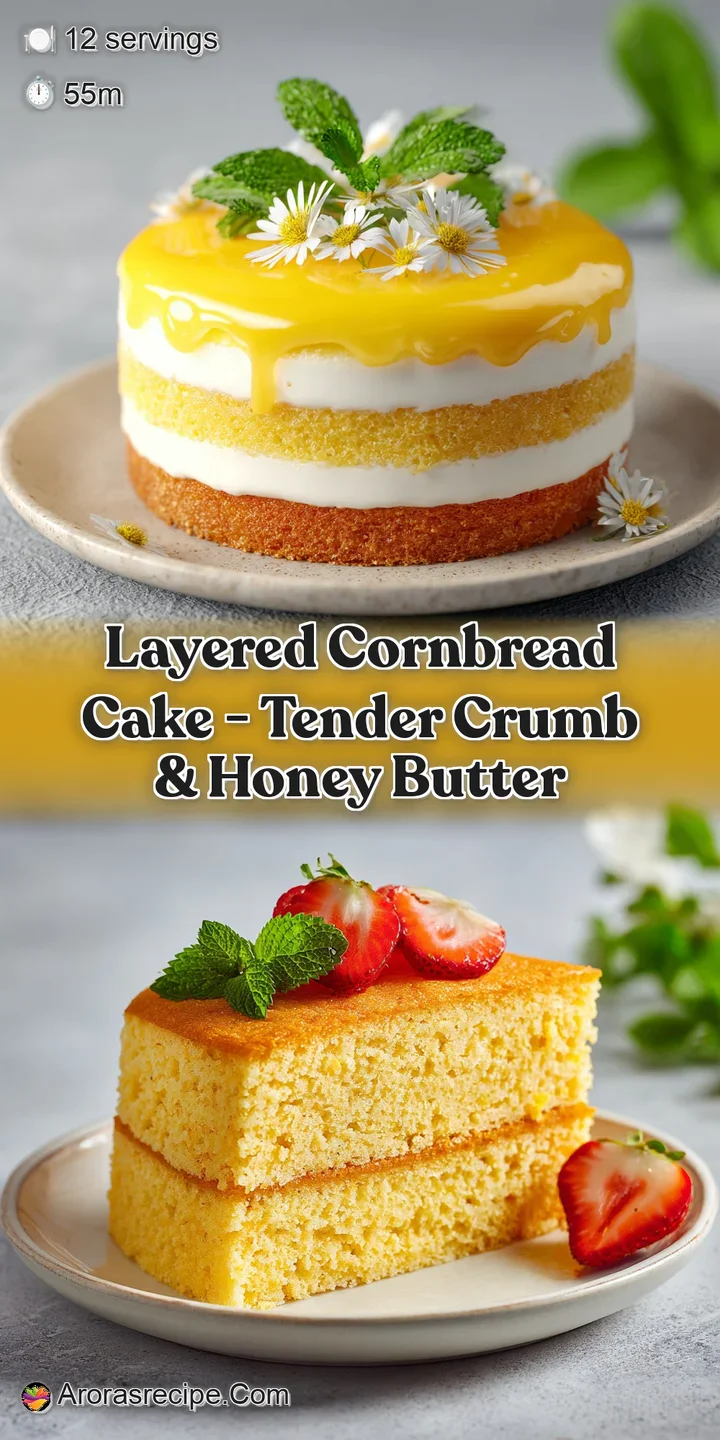
Layered Cornbread Cake Recipe
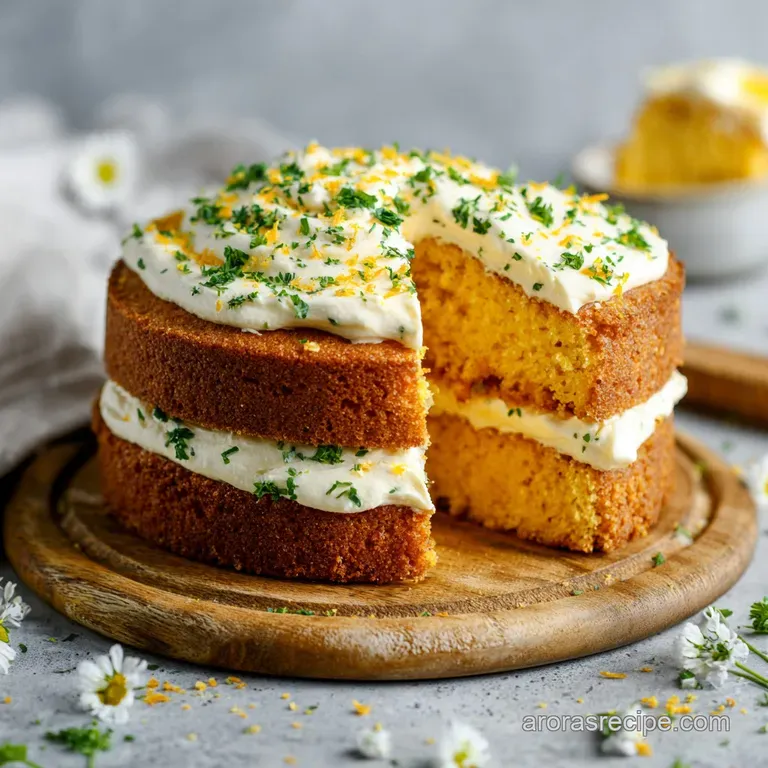
- Time: Active 20 minutes, Passive 35 minutes, Total 55 minutes
- Flavor/Texture Hook: Tender, buttery crumb with a silky honey finish
- Perfect for: Backyard barbecues, unique birthday celebrations, or a cozy Nashville inspired Sunday supper
- Master This Southern Layered Cornbread Cake
- The Science of Tender Crumbs
- Component Analysis for Better Baking
- Selecting Your Baking Essentials
- Essential Tools for Success
- Step By Step Baking Guide
- Fixes for Common Baking Issues
- Easy Swaps for Different Needs
- Storing Your Cake for Freshness
- Best Ways to Serve This Cake
- Debunking Cornbread Cake Myths
- Recipe FAQs
- 📝 Recipe Card
Master This Southern Layered Cornbread Cake
The first time I pulled a Layered Cornbread Cake out of the oven, my kitchen smelled like a Nashville summer. It wasn't just the sweet, toasted aroma of cornmeal; it was that specific scent of wildflower honey hitting warm butter.
I remember my friend looking at the golden stacks and asking if we were having chili for dessert. One bite later, and the confusion vanished. It's that unexpected contrast - the slight, rustic grit of the corn against a cloud like frosting - that makes this dish an absolute legend at my house.
We aren't talking about dry, crumbly side dish cornbread here. This is a deliberate, moist cake that celebrates its roots while putting on a fancy dress. I’ve spent years tweaking the ratio of sour cream to buttermilk to make sure these layers don't just fall apart the second your fork hits them.
You want a crumb that's sturdy enough to stack but tender enough to melt. It’s a delicate dance, but once you get it right, you'll never look at a box of Jiffy the same way again.
Trust me, this isn't just another dessert recipe. It’s a conversation starter. Whether you’re serving it at a big family reunion or just want something different for a weeknight treat, this cake delivers. It feels like home, but a slightly more polished version of it.
We're going to use simple ingredients you probably already have in the pantry, but we'll treat them with the respect a centerpiece deserves. Let's get into how we make this magic happen.
The Science of Tender Crumbs
Acidic Tenderizing: Buttermilk and sour cream break down gluten strands, ensuring the crumb remains soft despite the coarse cornmeal.
Starch Gelatinization: Using melted, cooled butter coats the flour and cornmeal particles, preventing excessive water absorption and keeping the cake moist for days.
Leavening Balance: The reaction between the baking powder and the acidic dairy creates immediate carbon dioxide bubbles, giving the heavy cornmeal the lift it needs.
| Method | Prep Time | Texture Result | Best For |
|---|---|---|---|
| Traditional Skillet | 10 minutes | Extra crispy edges, denser center | Savory sides |
| Layered Cake Method | 20 minutes | Light, uniform, velvety crumb | Special desserts |
| Cupcake Style | 15 minutes | Maximum surface area, very sweet | Party handhelds |
When you are looking for a dessert that really stands out, the texture is everything. If you find yourself wanting to try another Southern classic after this, you might enjoy my Red Velvet Cake recipe, which uses similar buttermilk chemistry but with a cocoa infused twist. Both cakes rely on that specific tang to balance out the sugar, though the cornmeal here adds a rustic charm you won't find anywhere else.
Component Analysis for Better Baking
| Ingredient | Science Role | Pro Secret |
|---|---|---|
| Yellow Cornmeal | Provides structural grit and earthy flavor | Use "fine ground" to avoid a sandy mouthfeel |
| Full fat Buttermilk | Activates leavening and softens proteins | Never use low-fat; the fat stabilizes the crumb |
| Wildflower Honey | Acts as a humectant to keep frosting moist | Spray your measuring cup with oil first for a clean pour |
| Sour Cream | Adds thickness and fat for a velvety finish | Use room temperature cream to prevent batter curdling |
Selecting Your Baking Essentials
To get the best results for your Layered Cornbread Cake, you'll need to gather these specific items. I always recommend using a good quality honey because that flavor really shines through in the frosting.
- 1.5 cups yellow cornmeal (fine ground): Why this? Provides the classic flavor without making the cake feel like sandpaper. (Substitute: White cornmeal for a milder taste)
- 2 cups all purpose flour: Why this? Gives the cake the gluten structure it needs to stack. (Substitute: Cake flour for a softer, more fragile layer)
- 1 cup granulated sugar: Why this? Essential for sweetness and moisture retention. (Substitute: Light brown sugar for a molasses hint)
- 1 tbsp baking powder: Why this? The primary engine for a tall, airy rise. (Substitute: 1 tsp baking soda + 2 tsp cream of tartar)
- 1 tsp kosher salt: Why this? Sharpens the honey and corn flavors. (Substitute: 0.5 tsp table salt)
- 1 cup unsalted butter, melted and cooled: Why this? Adds richness without the air bubbles of creamed butter. (Substitute: Neutral oil like avocado oil)
- 3 large eggs, room temperature: Why this? Binds the fats and liquids into a stable emulsion. (Substitute: Flax eggs for a denser, vegan version)
- 1 cup full fat buttermilk: Why this? Provides the necessary acid for a tender crumb. (Substitute: Whole milk with 1 tbsp lemon juice)
- 0.5 cup sour cream: Why this? Adds a rich, tangy depth and moisture. (Substitute: Full fat Greek yogurt)
- 2 tsp vanilla extract: Why this? Bridges the gap between savory corn and sweet frosting. (Substitute: Vanilla bean paste)
- 1.5 cups unsalted butter, softened: Why this? The base for a fluffy, pipeable frosting. (Substitute: Half shortening for better heat stability)
- 3 cups powdered sugar, sifted: Why this? Creates a smooth, lump free honey butter finish. (Substitute: Organic powdered sugar)
- 0.5 cup wildflower honey: Why this? The star flavor profile of the topping. (Substitute: Clover honey or maple syrup)
- 2 tbsp heavy cream: Why this? Thins the frosting to a spreadable consistency. (Substitute: Half and half)
- 1 pinch sea salt: Why this? Rounds out the sweetness of the powdered sugar. (Substitute: Maldon salt flakes for garnish)
Essential Tools for Success
You don't need a professional bakery setup, but a few specific tools make the process smoother. I swear by my 8 inch round cake pans for this. They give the layers a nice height that makes the final assembly look impressive.
Chef's Tip: Toast your cornmeal in a dry skillet over medium heat for 3 minutes before adding it to the flour. It unlocks a nutty aroma that makes the final cake smell like a dream.
You’ll also want a sturdy whisk and a stand mixer such as a KitchenAid for the frosting. While you can make the frosting by hand, getting that whipped, cloud like texture for the honey butter is much easier with a machine.
A wire cooling rack is also non negotiable; if you leave the layers in the pan too long, they'll steam and get gummy.
step-by-step Baking Guide
Phase 1: Creating the Dry Base
Start by whisking together the 1.5 cups yellow cornmeal, 2 cups all purpose flour, 1 cup granulated sugar, 1 tbsp baking powder, and 1 tsp kosher salt in a large bowl.
Note: Whisking for a full minute ensures the baking powder is evenly distributed so you don't get lopsided layers.
Phase 2: Emulsifying the Wet Ingredients
In a separate medium bowl, beat the 3 large eggs with the 1 cup buttermilk, 0.5 cup sour cream, and 2 tsp vanilla extract. Gradually stream in the 1 cup melted and cooled butter while whisking constantly.
Note: If your butter is too hot, it will scramble the eggs, so let it cool for at least 10 minutes.
Phase 3: Combining the Batter
Make a well in the center of the dry ingredients and pour in the wet mixture. Fold gently with a spatula until no streaks of flour remain. Stop the moment it's combined; over mixing will turn your cake into a hockey puck.
Phase 4: The Golden Bake
Divide the batter evenly between two greased and floured 8 inch pans. Bake at 350°F (180°C) for 30 to 35 minutes until a toothpick comes out clean and the edges pull away from the pan.
Phase 5: The Cooling Process
Let the cakes sit in their pans for 10 minutes, then invert them onto a wire rack. They must be completely cold to the touch before you even think about frosting them, or the honey butter will slide right off.
Phase 6: Whipping the Frosting
In your stand mixer, beat the 1.5 cups softened butter for 3 minutes until pale and fluffy. Gradually add the 3 cups powdered sugar one cup at a time on low speed.
Phase 7: The Honey Integration
Slowly drizzle in the 0.5 cup wildflower honey, 2 tbsp heavy cream, and a pinch sea salt. Turn the mixer to high and whip for another 2 minutes until the frosting looks like a soft, silky cloud.
Phase 8: Final Cake Assembly
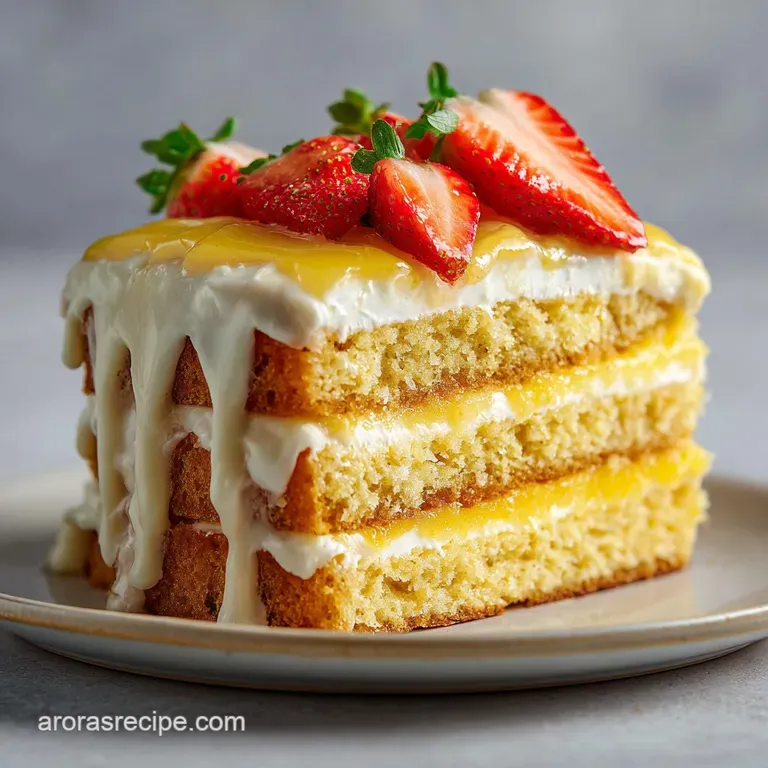
Place one layer on your serving plate and spread about 1 cup of frosting over the top. Place the second layer on top and use the remaining frosting to cover the top and sides. Don't worry about being too neat—a rustic finish suits this cake perfectly.
Fixes for Common Baking Issues
To Avoid a Slippery Cake
If your frosting is sliding off the layers, your cake is likely still holding internal heat. Even if the outside feels cool, the core can stay warm for an hour. Always wait at least 90 minutes before frosting.
If the kitchen is hot, pop the layers in the fridge for 20 minutes to firm them up.
If the Texture is Too Gritty
Cornmeal varies wildly by brand. If you find the texture too "sandy," you can soak the cornmeal in the buttermilk for 30 minutes before starting the rest of the recipe. This hydrates the granules and softens them significantly.
| Problem | Root Cause | Solution |
|---|---|---|
| Cake is crumbling apart | Over baked or too much cornmeal | Reduce bake time by 5 mins or check measurements |
| Frosting is too runny | Butter was too soft or melted | Chill frosting for 15 mins then re whip |
| Layers didn't rise | Expired baking powder | Test powder in hot water; it should bubble instantly |
Common Mistakes Checklist
- ✓ Use room temperature eggs to ensure they emulsify properly with the fat.
- ✓ Don't skip sifting the powdered sugar; honey frosting shows every single lump.
- ✓ Measure your flour using the "spoon and level" method rather than scooping with the cup.
- ✓ Rotate your pans halfway through the bake to account for oven hot spots.
- ✓ Use full fat dairy; the moisture in this cake depends entirely on that fat content.
Easy Swaps for Different Needs
Sometimes you need to work with what you have in the pantry. This recipe is fairly forgiving as long as you maintain the fat ratios. If you're out of buttermilk, for instance, don't panic. You can make a quick version with milk and vinegar, though it won't be quite as thick as the real thing.
| Original Ingredient | Substitute | Why It Works |
|---|---|---|
| Sour Cream | Greek Yogurt (full fat) | Similar acidity and fat level. Note: Result may be slightly tangier |
| Wildflower Honey | Pure Maple Syrup | Provides sweetness and moisture. Note: Adds a distinct woody flavor |
| Butter (in cake) | Neutral Oil | Keeps the cake moist even when cold. Note: Loses that signature buttery flavor |
If you're looking for another easy project while the oven is preheating, you might want to try the Foolproof Pumpkin Dump recipe. It’s a great budget friendly option that uses a similar "dump and bake" philosophy when you're short on time.
Storing Your Cake for Freshness
This Layered Cornbread Cake actually tastes better on day two because the honey has time to soak into the top of the cornmeal layers. Keep it in an airtight cake carrier at room temperature for up to 3 days.
If your kitchen is very warm, move it to the fridge, but let it sit out for 30 minutes before serving so the butter frosting can soften back up.
For freezing, I recommend freezing the un frosted layers. Wrap them tightly in plastic wrap and then foil; they will stay fresh for up to 3 months. When you're ready to eat, thaw them at room temperature overnight before whipping up a fresh batch of frosting.
I don't recommend freezing the frosted cake as the honey butter can change texture once thawed.
For a zero waste tip, if you have any leftover cake that's starting to dry out, crumble it up! You can toast the crumbs in a pan with a little butter and use them as a "dessert crouton" over vanilla ice cream. It's an incredible way to make sure not a single crumb of this gold goes to waste.
Best Ways to Serve This Cake
While this is definitely a dessert, its rustic profile makes it a fantastic bridge for mixed menu events. I love serving it alongside a spread of smoked meats. It provides a sweet relief to salty, savory BBQ. If you are planning a full Southern feast, it pairs beautifully with my Southern Cornbread Dressing Recipe, creating a "corn on-corn" theme that guests always rave about.
Serving Adjustments Table
| Servings | Pan Size | Cook Time | Frosting Needed |
|---|---|---|---|
| 6 people | One 9 inch round | 35-40 mins | Half batch (no layers) |
| 12 people | Two 8 inch rounds | 30-35 mins | Full batch |
| 24 people | One 9x13 sheet | 40-45 mins | 1.5x batch |
- If you want a crunchier exterior, bake the batter in a preheated cast iron skillet before stacking.
- If you want a less sweet version, cut the honey in the frosting by half and add a teaspoon of lemon zest.
- If you want a holiday twist, fold half a cup of dried cranberries into the batter before baking.
Debunking Cornbread Cake Myths
There’s a common misconception that cornbread must be savory or it’s not "authentic." In reality, Southern cuisine has a long history of "sweet corn cakes" served at tea or as a midday treat.
Adding sugar and frosting doesn't make it less authentic; it just makes it a different branch of the same family tree.
Another myth is that cornbread cake will always be dry. People think the cornmeal absorbs all the moisture and leaves you with a throat clogging mess. This only happens if you skip the fats. By using butter, buttermilk, and sour cream, we’re essentially triple insuring the moisture level of this cake.
It’s a dense, moist crumb that actually feels quite luxurious on the palate.
Finally,, you don't need "cake flour" to make a good cake. While cake flour has less protein and produces a finer crumb, the all purpose flour in this recipe is necessary to support the weight of the cornmeal. If you used cake flour, the layers might collapse under their own weight.
Stick to AP flour for the structural integrity this specific Layered Cornbread Cake requires.
Recipe FAQs
What are common cornmeal cake mistakes?
Overmixing the batter after combining wet and dry ingredients. Overmixing develops gluten, leading to a tough, less tender crumb, which is especially bad with heavier cornmeal. Stop folding the moment you see no streaks of flour remain.
What type of cake is best for layering?
A cake with a sturdy, medium density crumb structure. This cake works because the cornmeal provides necessary structure, unlike an overly airy sponge. Mastering the balance of acid and fat here ensures the layers hold up to frosting, much like the structural integrity needed for the dough in our Sugar Cookie recipe.
What do Mexicans call cornbread?
There is no direct translation, as the item is culturally distinct. While some regions might use corn based flatbreads like gorditas or sopes, these are structurally and functionally different from sweet, leavened American cornbread cake.
Can cornbread cake be made ahead of time?
Yes, the baked layers hold up exceptionally well for make-ahead preparation. Bake the layers up to two days in advance and store them tightly wrapped at room temperature. They often taste better the next day as the moisture redistributes.
How to ensure the frosting doesn't slide off the cake layers?
Ensure the cake layers are completely cool to the touch, ideally chilled slightly. Heat trapped in the cake will melt the butter in the honey frosting, causing slippage. If you enjoyed controlling the temperature stability here, that same principle is vital when making our Birria Egg Rolls recipe.
Why is my cornbread cake surprisingly dense and heavy?
This is usually caused by using low-fat dairy or under activating the leavening agents. You must use full fat buttermilk and sour cream; their fat content buffers the heavy cornmeal. Ensure your baking powder is fresh and reacts well with the buttermilk's acid.
How to achieve a very fine, non-gritty crumb texture in cornbread cake?
Soak the cornmeal in the liquid dairy component for at least 30 minutes prior to mixing. This allows the coarse granules to fully hydrate before baking, softening them considerably. This technique is similar to resting dough, ensuring better hydration throughout the final product.
Layered Cornbread Cake Recipe
Ingredients:
Instructions:
Nutrition Facts:
| Calories | 768 kcal |
|---|---|
| Protein | 7g |
| Fat | 48g |
| Carbs | 81g |
| Fiber | 2g |
| Sugar | 56g |
| Sodium | 312mg |
