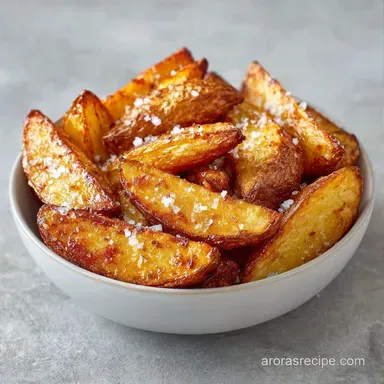
Oven Baked Russet Potatoes: Fluffy and Crispy
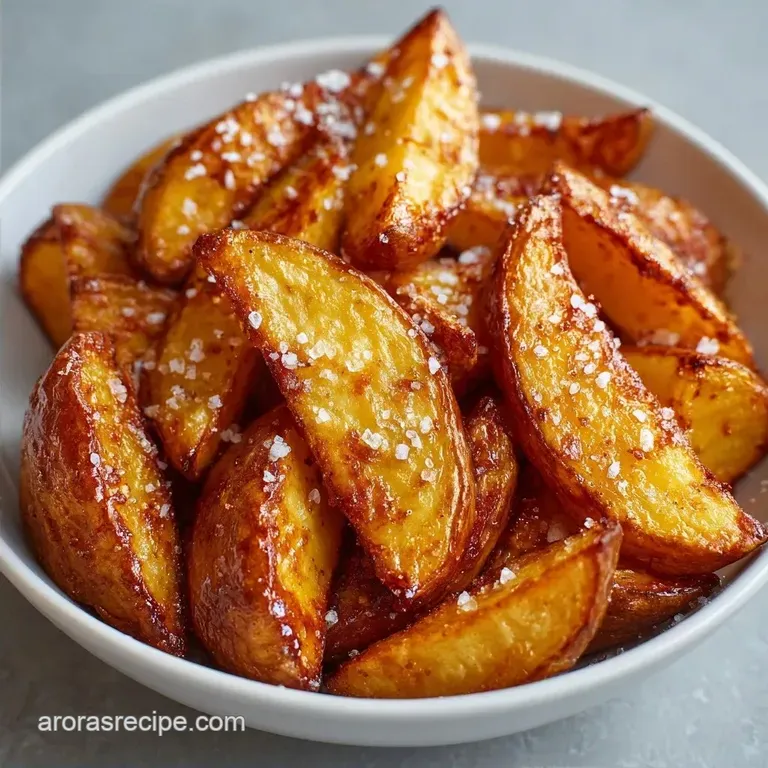
- Time: 5 min active + 60 min roasting
- Flavor/Texture Hook: Deep mahogany, salty skin with a velvety center
- Perfect for: Hearty weeknight dinners or a budget-friendly side
That distinct crackle of a salty potato skin is the only way a jacket potato should start. But let's be honest, most of us have pulled a potato out of the oven only to find the skin is rubbery and the inside is just... wet.
It's a total letdown when you're craving that contrast between a crisp exterior and a cloud like middle.
The culprit is usually too much moisture. Whether it's wrapping them in foil or not drying the skins properly, you end up steaming the potato instead of roasting it. It turns a great side into something that feels more like a boiled potato that just happened to spend an hour in a hot box.
I'm sharing the fix that actually works for Oven Baked Russet Potatoes. By using a wire rack and high heat, we let the air circulate. You get that deep brown, salty crust and an interior that's so light you can practically fluff it with a toothpick.
Oven Baked Russet Potatoes
- The Dry Skin Secret
- Removing surface moisture allows the oil to sear the skin immediately.
- Air Circulation
- A wire rack prevents the bottom from sitting in its own steam.
- Internal Temp
- Reaching 205-210°F breaks down the starch into a fluffy texture.
- Salt Draw
- Coarse salt pulls a tiny bit of moisture from the skin to help it crisp.
| Method | Roast Time | Skin Texture | Best For |
|---|---|---|---|
| Fresh (No Foil) | 60 mins | Shatter crisp | Texture lovers |
| Foil Wrapped | 60 mins | Soft/Steamed | Keeping moisture in |
| Microwave First | 20 mins | Moderate | Extreme rush |
Component Analysis
| Ingredient | Science Role | Pro Secret |
|---|---|---|
| Russet Potato | High starch content | Stick to Russets for the fluffiest interior |
| Olive Oil | Heat conductor | Rub it in well to avoid burnt "hot spots" |
| Coarse Sea Salt | Dehydration | Use coarse grains; they don't dissolve as fast |
Essential Tool List
You don't need much, but the rack is non negotiable. If you put the potatoes directly on a baking sheet, the bottom side stays pale and soggy because the steam has nowhere to go. A simple cooling rack placed inside a sheet pan solves this.
I usually use a standard rimmed baking sheet and a wire rack that fits inside. For pricking the skins, a basic dinner fork works fine. Don't bother with fancy potato needles; you just need a few holes to let the internal pressure release so they don't split unexpectedly.
Bringing It Together
Ingredients
- 4 large russet potatoes (approx. 2 lbs / 900g)Why this? High starch makes them fluffy.
- 2 tbsp extra virgin olive oilWhy this? Handles 400°F heat well.
- 1 tbsp coarse sea saltWhy this? Creates a salty, textured crust.
Substitution Options
| Original Ingredient | Substitute | Why It Works |
|---|---|---|
| Olive Oil | Avocado Oil | Higher smoke point. Note: Neutral flavor |
| Sea Salt | Kosher Salt | Similar coarse grain. Note: Slightly less "salty" punch |
| Russet Potato | Yukon Gold | Waxier texture. Note: Creamier, but less "fluffy" |
If you're looking for other ways to use your potato stash, you might like my crispy potato wedges for a more snack like vibe.
Instructions
- Scrub the potatoes clean under cold water. Note: Remove all dirt for a clean crunch.
- Dry them completely with a paper towel. until no moisture remains on the skin
- Use a fork to prick each potato 5-6 times. Note: This prevents them from bursting.
- Place potatoes on a baking sheet and drizzle with 2 tbsp olive oil.
- Rub the oil in thoroughly by hand. until every inch is glistening
- Generously coat each potato in 1 tbsp coarse sea salt.
- Place the potatoes on a wire rack over the baking sheet.
- Roast at 400°F (200°C) for 50-60 minutes until the skin is deep mahogany brown and the internal temp is 205-210°F.
- Remove from oven and slice a slit down the center.
- Use a kitchen towel to squeeze the sides inward to fluff the interior.
What Can Go Wrong
The Skin is Still Soft
This usually happens if the oven temperature is too low or if the potatoes were damp when they went in. If the skin isn't mahogany brown, leave them in for another 10 minutes. Trust the color, not just the timer.
The Center is Still Firm
If the skin is dark but the middle feels like a rock, your potatoes were likely too large. Use a meat thermometer to hit that 205°F mark. If you're in a rush, you can wrap them in foil for the last 10 minutes, but it's better to just keep roasting.
The Potato Collapses
Squeezing too hard or cutting too deep can make the potato flatten. Use the "towel squeeze" method to push the fluffy insides up and out without crushing the structure.
| Problem | Root Cause | Solution |
|---|---|---|
| Pale skin | Low oven temp | Increase to 400°F |
| Rubbery skin | Foil wrap | Roast uncovered on a rack |
| Dense center | Under cooked | Roast until 205°F internal |
Mistakes Checklist
- ✓ Did you dry the skins completely?
- ✓ Did you use a wire rack for airflow?
- ✓ Did you avoid the temptation to use foil?
- ✓ Did you check the internal temperature?
Adjusting Batch Sizes
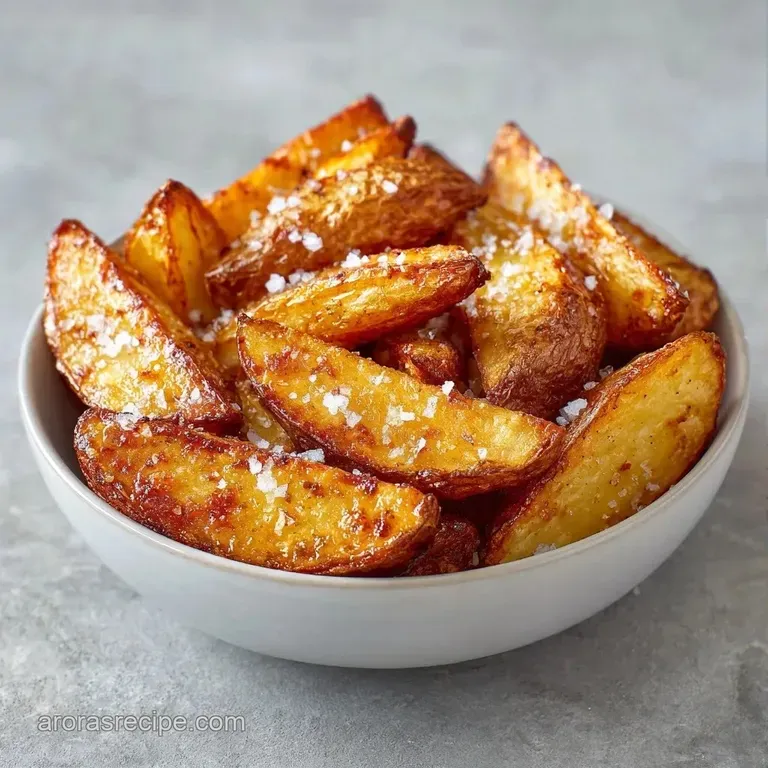
When you're cooking for a crowd, don't just crowd the pan. If the potatoes are touching, they'll steam each other and you'll lose that crispiness. Give them at least two inches of space.
For a half batch (2 potatoes), you can reduce the roasting time by about 10-15% since the oven recovers heat faster with less mass. For a double or triple batch, work in two separate pans. Don't increase the salt or oil linearly; 1.5x the seasoning is usually enough for a 2x batch to avoid over salting.
Common Potato Misconceptions
Wrapping potatoes in foil "locks in the flavor." In reality, foil locks in moisture, which steams the skin and prevents it from ever getting crispy. If you want a baked potato, leave the foil in the drawer.
Soaking potatoes in water before roasting makes them crispier. While this works for fries to remove surface starch, for a whole baked potato, it just adds moisture that you have to fight against in the oven.
Storage and Zero Waste
Storage Guidelines Keep leftovers in an airtight container in the fridge for up to 3 days. To reheat, don't use the microwave if you want the skin back; pop them in a 350°F oven for 15 minutes.
Zero Waste Tips Don't toss the potato peels if you decide to trim any bruised spots. Toss the peels in a bit of oil and salt and roast them at 400°F for 10 minutes for a salty snack. Also, any leftover fluffy potato insides can be mashed into a classic beef chili as a thickener.
Perfect Complements
Since these are so hearty, they need something bright or acidic to balance the starch. A sharp cheddar cheese or a dollop of sour cream is classic for a reason. I love adding chopped chives or green onions for a bit of a bite.
If you're serving these as a side, a lean protein like grilled chicken or a steak works well. For a budget friendly meal, just load them up with steamed broccoli and a bit of melted butter. It's simple, filling, and hits the spot every time.
Critical in Sodium
1463 mg 1,463 mg of sodium per serving (64% 64% of daily value)
The American Heart Association recommends a daily sodium limit of no more than 2,300 mg, with an ideal limit of 1,500 mg for most adults, especially those with hypertension.
Ways to Reduce Sodium in Your Roasted Potatoes
-
Swap the Salt-30%
Replace the coarse sea salt with a salt free seasoning blend or a sodium free potato seasoning.
-
Reduce Quantity-25%
Cut the amount of coarse sea salt by half; you'll be surprised how little you need when potatoes are roasted.
-
Add Acidity-10%
Squeeze fresh lemon juice or a drizzle of vinegar over the potatoes after cooking to mimic the 'zing' of salt.
-
Use Savory Powders-5%
Incorporate garlic powder or smoked paprika to create a flavorful crust without relying on sodium.
-
Boost with Herbs
Add fresh rosemary, thyme, or parsley to enhance the aromatic profile of the dish.
Recipe FAQs
How long should russet potatoes bake at 400 degrees?
Bake for 50 to 60 minutes. They are finished when the skin is deep mahogany brown and the internal temperature reaches 205-210°F.
Is it better to bake a potato at 400 or 425 degrees?
Stick with 400°F. This temperature allows the interior to cook through completely without risking a burnt exterior.
Can diabetics eat baked potatoes?
Yes, in moderation. Baked potatoes are whole foods, but monitoring portion sizes is important for managing blood sugar levels.
How to get a fluffy interior after baking?
Slice a slit down the center and squeeze the sides inward. Use a kitchen towel to protect your hands while pressing to aerate the potato.
What are some different potato based side dishes?
Roasted wedges or smashed potatoes. These variations offer a different texture while using the same hearty russet base.
What goes best with baked potatoes?
Savory proteins and rich sauces. They pair exceptionally well with a steak topped with creamy mushroom sauce.
How to reheat leftover baked potatoes?
Place them in a 350°F oven for 15 minutes. This restores the skin's crispness, which is typically lost when using a microwave.
Oven Baked Russet Potatoes