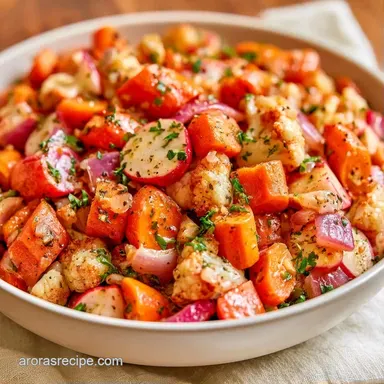
Instant Pickled Vegetables with Rice Vinegar

- Prep time: 10 min active + 1 hour chilling
- Taste & Feel: Zesty, crisp, and vibrant
- Ideal for: Brunch boards, taco nights, or meal prep
I still recall the pungent, vinegary aroma of my first batch made for a summer brunch party. I wanted the platter to look like a piece of art, so I included neon pink radishes and vivid orange carrots.
The colors were so striking that when guests arrived, they actually stopped talking for a moment just to admire the jar.
Hosting is always a whirlwind, and these Pickled Vegetables are a relief because they don't require any last-minute stove-top stress. They offer a bright, acidic snap that cuts right through the richness of other foods.
You'll get a crunch that truly holds up. I've tried the shortcuts that suggest room temperature, but the magic really happens during that hour of chilling. This recipe is all about equilibrium, using very little sugar so the natural taste of the vegetables remains prominent.
Pickled Vegetables
Here is why this technique is so effective. Because we use a high-heat brine, these Pickled Vegetables are ready without needing months of cellar aging.
The Hot Brine: By pouring boiling liquid over the vegetables, the vinegar is pushed into the cells instantly. The Salt Draw: Salting water-heavy vegetables, such as cucumbers, beforehand eliminates excess moisture to prevent them from becoming soggy.
The main distinctions between this approach and traditional canning are storage and timing. Since few of us own root cellars, the refrigerator method is the practical choice.
| Method | Time to Eat | Texture | Best For |
|---|---|---|---|
| Quick (Fridge) | 1 hour | Extra Crunchy | Weekly meals, fresh salads |
| Classic (Canning) | 2-4 weeks | Softer/Mellow | long-term storage, gifting |
It is a balance. While you miss out on the probiotic advantages of slow fermentation, you get a brighter color and a significantly crisper snap.
Quick Project Specs
This project is straightforward. You spend about 10 minutes chopping and 5 minutes boiling. The rest is just patience while the jars cool down in the fridge.
The total time is 75 minutes, but the "work" part is tiny. I usually do this while my coffee is brewing on a Sunday morning. It's a low stress way to feel like you've got your life together for the week.
For the best result, use a digital scale. Measuring 950g of mixed vegetables is way more accurate than eyeing four cups, especially when you're mixing things like bulky cauliflower and thin radish slices.
The Ingredient List
I like to keep the brine simple. Using rice vinegar gives it a softer edge than white distilled vinegar, which can sometimes taste like cleaning fluid if you use too much.
| Component | Purpose | Substitute Notes |
|---|---|---|
| Rice Vinegar | Provides acidity | Apple cider vinegar (adds fruitiness) |
| Maple Syrup | Balances the tang | Honey or Agave (similar sweetness) |
| Sea Salt | Draws out water | Kosher salt (works perfectly) |
| Mixed Vegetables | The main event | Any firm veg (avoid leafy greens) |
Vegetable Selection
I use a mix of carrots, cauliflower, red onion, cucumbers, and radishes. The cauliflower acts like a sponge for the brine, while the radishes keep that peppery bite.
Brine Ingredients
The garlic is smashed, not minced. Smashed cloves release flavor more slowly, which keeps the brine from tasting like a garlic bomb.
Preparation Tips
Keep your slices thin. I aim for about 3mm. If the pieces are too thick, the center stays raw and tasteless, while the outside gets too sour.
The Low Sugar Advantage
By using just a tablespoon of maple syrup, we avoid that "candy pickle" taste. This keeps the Pickled Vegetables tasting fresh and plant based rather than like a dessert.
Ingredients:
- 4 cups (950g) mixed fresh vegetables (carrots, cauliflower, red onion, cucumbers, and radishes)Why this? High contrast colors and varied textures
- 1 tsp (6g) sea saltWhy this? Pre treatment for crunch
- 1 cup (240ml) rice vinegarWhy this? Mild, clean acidity
- 1 cup (240ml) filtered waterWhy this? Dilutes the vinegar for balance
- 1 tbsp (15ml) maple syrupWhy this? Subtle sweetness, vegan friendly
- 1 tbsp (18g) sea saltWhy this? Essential for preservation
- 1 tsp (2g) black peppercornsWhy this? Adds a woody, spicy note
- 2 cloves (6g) garlic, smashedWhy this? Depth of flavor
Essential Jar Gear
Standard household tools are perfectly fine for this recipe; you won't need any specialty equipment.
Start by gathering some clean glass jars. While Mason jars are the go-to choice, any glass container with a secure lid will do. Avoid using plastic, as it tends to soak up the scent of vinegar, which is incredibly difficult to remove.
For the brine, a small saucepan suffices, I typically use a 1 quart pot. To achieve perfectly consistent slices of carrots and radishes, a vegetable peeler or a mandoline is highly recommended.
Chef Note: Always use the safety guard when operating a mandoline. I've encountered far too many kitchen mishaps from people rushing through their carrot prep.
Steps to Success
Let's get started. The goal is to ensure the vegetables are packed firmly and the brine is steaming.
- Cut the mixed vegetables into matchsticks or thin rounds. Note: Uniform slices help the brine penetrate evenly.
- Toss zucchini or cucumbers with 1 tsp sea salt, let them rest for 10 minutes, then rinse. Note: This prevents them from becoming mushy.
- Place the prepared vegetables into clean glass jars, leaving half an inch of headspace.
- In a small saucepan, combine rice vinegar, water, maple syrup, salt, peppercorns, and smashed garlic.
- Warm the brine over medium high until it reaches a gentle boil. Note: Stir to ensure the maple syrup dissolves.
- Pour the hot liquid over the vegetables until they are completely submerged.
- Tap the jar on the counter until air bubbles stop rising. Note: Trapped air can create pockets where veg can spoil.
- Seal the jars, leave them at room temperature until cooled, then refrigerate for 1 hour.
These Pickled Vegetables are technically ready after an hour, but they taste even better the following day as the colors deepen and the flavor settles.
Fixing Common Issues

Mistakes can occur even in straightforward recipes. Usually, the culprit is either the brine temperature or the way the vegetables were sliced.
Soft Vegetables
If the vegetables are limp, you likely boiled the brine for too long or left the jars in direct sunlight. This excess heat "cooks" the produce instead of pickling it.
Sour Brine
An overly sharp taste usually suggests the vinegar-to-water ratio is off. You can correct this by adding a splash of filtered water, although balancing it with a bit more maple syrup works better.
Color Shifts
Red onions typically turn a vivid, glowing pink, which is expected and visually appealing. If your cauliflower turns gray, however, it's likely due to the vinegar type; rice vinegar helps keep the colors bright.
| Problem | Root Cause | Solution |
|---|---|---|
| Mushy Texture | Brine too hot for too long | Boil brine briefly, then pour |
| Dull Colors | Low quality vinegar | Use clear rice or distilled vinegar |
| Floating Veg | Not packed tightly enough | Press down with a spoon before pouring |
Fresh Flavor Twists
The beauty of Pickled Vegetables is that you can change the vibe based on what you're eating. I often make a separate jar for different meals.
For a more Asian inspired version, swap the maple syrup for a teaspoon of toasted sesame oil and add a slice of fresh ginger. These are great as quick pickled vegetables for banh mi or over a bowl of steamed rice.
If you want something with a bit more punch, try adding a pinch of red chili flakes to the brine. If you've already got some pickled red onions recipe in the fridge, you can mix them in for an extra layer of zing.
You can also experiment with the vegetables. I've tried pickled green beans and sliced turnips. Just remember that denser vegetables like carrots need thinner slices than something like a radish.
Keeping Them Crisp
Keep these in a glass jar in the refrigerator, where they will stay crisp and fresh for about 2 to 3 weeks. Just ensure the vegetables remain fully submerged in the liquid.
Avoid freezing pickled vegetables. The freezing process destroys the cell walls, resulting in a watery, mushy texture upon thawing, which simply isn't worth it.
Save the leftover brine for later; it makes a wonderful base for salad dressings. Simply whisk in some olive oil and a touch of Dijon mustard.
Toss any remaining vegetable scraps into the compost or use them to flavor a veggie stock. If you are preparing a larger batch of pickled cucumbers recipe, you can store those using the same method.
Best Food Pairings
These Pickled Vegetables are the ultimate palate cleanser. I love serving them alongside rich, fatty foods because the acidity cuts through the weight.
They are a stellar addition to a vegan cheese board. Pair them with some cashew brie or a smoked almond dip. The bright colors make the whole spread look more professional.
Tacos are another winner. Instead of a standard slaw, use these as a topping for roasted cauliflower tacos. The crunch provides a contrast to the soft tortilla.
You can also chop them up and fold them into a potato salad. It replaces the need for heavy mayo by providing a bright, vinegary lift that feels much lighter.
The Texture Trick
The crispness is achieved through a process called osmosis. By salting the vegetables, you draw moisture out of the cells. Testing from Serious Eats indicates that this prevents the brine from becoming diluted and ensures the vegetable walls remain firm.
Pectin Balance: We utilize a quick chill method to prevent the breakdown of pectin, which is the natural adhesive that holds plant cells together.
Low Sugar Effect: Too much sugar can often leave vegetables feeling soft and syrupy. Limiting the amount of maple syrup helps maintain their structural integrity.
For detailed nutritional information on the base vegetables, visit USDA FoodData Central.
I once skipped the salt draw when pickling cucumbers, and the result was a soggy disappointment that tasted like watered-down vinegar. Trust me on this step. It only takes 10 minutes, but it is the secret to avoiding a mushy snack.
Now you are ready to prepare a jar of vibrant Pickled Vegetables. Just remember to keep your slices thin, your brine hot, and your jars cold. Enjoy the snap!
Critical in Sodium
4644 mg 4,644 mg of sodium per serving (202% 202% of daily value)
The American Heart Association recommends a daily limit of 2,300mg, with an ideal limit of 1,500mg for most adults to reduce cardiovascular risk.
Tips to Reduce Sodium in Your Pickled Vegetables
-
Slash the Brine Salt-30%
Reduce the 1 tbsp of sea salt to 1 tsp. This is the primary source of sodium in the recipe.
-
Omit Pre-salting-25%
Eliminate the initial 1 tsp of sea salt used on the vegetables; the brine provides sufficient salt for flavor.
-
Adjust Vinegar Ratio-20%
Slightly increase the rice vinegar or add a splash of apple cider vinegar to maintain tangy acidity while using less salt.
-
Boost Aromatics
Add fresh ginger slices, chili flakes, or mustard seeds to create complex flavor profiles without adding any sodium.
Recipe FAQs
Which vegetables work best for quick pickling?
Use carrots, cauliflower, red onion, cucumbers, and radishes.
Tip: Slice them into 3mm rounds or matchsticks for the best brine penetration.
Is it true that quick pickling destroys all nutrients?
False. Many vitamins remain, though some heat-sensitive ones decrease during the brine boil.
Tip: Use filtered water to keep the brine clear and pure.
Why do cucumbers lose their crispness?
Excess water causes softening, so toss slices with 1 tsp sea salt for 10 minutes before rinsing.
Tip: Rinse the salt off thoroughly to prevent the vegetables from becoming overly salty.
What is the quickest thing to pickle?
Thinly sliced radishes or cucumbers absorb the brine most rapidly.
Tip: Use a mandoline to get consistent 3mm slices for uniform flavor.
How to make cucumbers taste pickled quickly?
Pour boiling brine over packed slices and refrigerate for at least 1 hour.
Tip: Gently tap the jar on the counter to remove air bubbles and ensure total submersion.
Do quick pickled vegetables store well in a pantry?
Surprisingly, no. These are refrigerator pickles and must stay chilled to remain safe.
Tip: Leave about half an inch of headspace at the top of the jar before sealing.
Where are these pickled vegetables best served?
They provide a bright acidity to rich dishes like classic beef chili.
Tip: Serve them as a side garnish or chop them into a fresh salad.
In rice vinegar, how to prepare cucumbers?
Boil rice vinegar, water, maple syrup, salt, peppercorns, and garlic, then pour over vegetables.
Tip: Pack the jars tightly to prevent the vegetables from floating.
Pickled Vegetables with Rice Vinegar