Sesame Miso Salmon Recipe
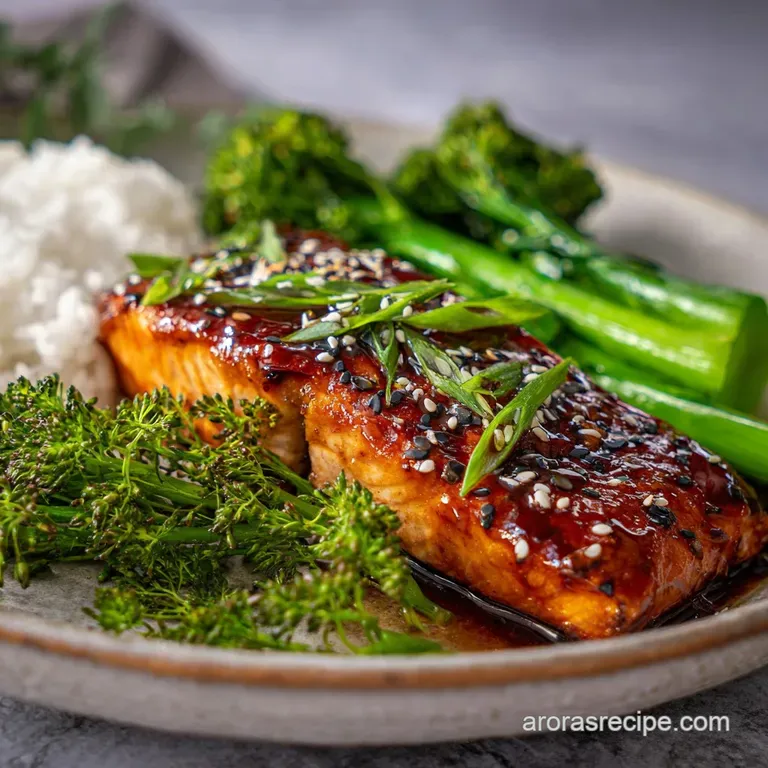
- Time: Active 10 mins, Passive 0 mins, Total 18 mins
- Flavor/Texture Hook: Flaky, velvety center with a sticky, salty sweet crust
- Perfect for: Busy weeknight dinners or an impressive date night meal
- Creating the Perfect Sesame Miso Salmon
- The Secret Umami Science
- Fast vs Classic Comparisons
- Ingredient Deep Dive Analysis
- Essential Tools and Equipment
- Shopping List Breakdown
- Step by Step Sear Method
- Fixing Common Cooking Errors
- Scaling for Larger Groups
- Recipe Variations and Tweaks
- Debunking Kitchen Glaze Myths
- Storage and Zero Waste
- Winning Side Dish Pairings
- High in Sodium
- Recipe FAQs
- 📝 Recipe Card
Creating the Perfect Sesame Miso Salmon
Picture this: the kitchen is filled with the scent of toasted sesame and zesty ginger, and that glorious sizzle hits the pan. I remember the first time I tried making a glaze like this.
I was living in a tiny apartment in Nashville, and I completely scorched the sugar in the miso before the fish even saw a hint of heat. It was a smoky, sticky mess, but it taught me everything about timing and temperature.
That experience is why I love this version so much. We aren't doing anything fancy or complicated here. It is just honest, good food that relies on a few smart pantry staples to do the heavy lifting. You get that deep, savory "umami" punch without having to simmer a sauce for three hours.
When you flake into that first piece of salmon and see the steam rise from the translucent pink center, you'll see why I'm so obsessed. It is comfort food that happens to be quite good for you too. Let's get into the "how" so you can have this on your table in under twenty minutes.
The Secret Umami Science
Protease Power: The enzymes in white miso break down the fish proteins slightly, which acts as a natural tenderizer for a more velvety texture.
Caramelization Control: Adding maple syrup and mirin creates a controlled Maillard reaction, giving you a dark crust without the bitter burnt taste of overcooked sugar.
Emulsification Stability: Mixing the sesame oil and miso first creates a thick paste that grips the salmon fibers, ensuring the flavor stays on the fish.
| Thickness | Internal Temp | Rest Time | Visual Cue |
|---|---|---|---|
| 2 cm | 52°C | 3 mins | Centers look slightly translucent |
| 3 cm | 52°C | 4 mins | Opaque edges, soft center |
| 4 cm | 52°C | 5 mins | Flakes easily with a fork |
Cooking fish can feel like a guessing game, but these physical cues never lie. I always pull mine just a few degrees early because carryover cooking is a very real thing. If you leave it in the pan until it looks "done," it will be dry by the time it hits your plate.
Fast vs Classic Comparisons
When we look at this Sesame Miso Salmon, we're choosing efficiency without sacrificing that deep flavor profile we love.
| Method | Prep Time | Flavor Depth | Best For |
|---|---|---|---|
| 18 Min Sear | 10 mins | Sharp, salty, bright | Weeknight energy |
| 24 Hr Marinate | 24 hours | Deep, funky, mellow | Weekend project |
| Oven Roast | 15 mins | Subtle, sweet, soft | Hands off cooking |
Using a hot pan rather than a long marinade gives you those crispy edges that a slow soak just can't replicate. It is the difference between a soft poached feel and a proper "shatter" when your fork hits the crust. Similar to my Cooked Salmon recipe, the heat management is what defines the final texture.
Ingredient Deep Dive Analysis
| Ingredient | Science Role | Pro Secret |
|---|---|---|
| White Miso | Salt & Umami | Use "Shiro" miso for a milder, sweeter profile |
| Avocado Oil | High Smoke Point | Stays stable at the high heat needed for searing |
| Fresh Ginger | Enzyme Activity | Grate it into a paste to release the juices |
Miso is the backbone of this whole operation. It provides the salt, the fermentation, and the body of the sauce. If you use red miso, just be careful - it is much more aggressive and can easily overpower the delicate fat of the salmon.
Essential Tools and Equipment
You don't need a kitchen full of gadgets for this. A solid non stick skillet or a well seasoned cast iron pan is your best friend here. I prefer cast iron because it holds heat like a champ, which is vital when you drop four cold fillets into it.
If the pan temperature drops too fast, the fish will steam instead of sear, and you'll lose that beautiful crust.
A microplane is also a total lifesaver for the ginger. You want a paste, not chunks. Biting into a huge piece of raw ginger in the middle of a silky piece of fish is... an experience, but not necessarily a good one.
Shopping List Breakdown
For the best results, stick to these specific amounts. I've tested this ratio a dozen times to make sure the salt doesn't overwhelm the maple sweetness.
- 3 Tbsp White Miso (Shiro Miso)
- 1 Tbsp Mirin
- 1 Tbsp Low Sodium Soy Sauce
- 1 tsp Toasted Sesame Oil
- 1 tsp Grated Fresh Ginger
- 1 tsp Maple Syrup Why this? It provides a clean sweetness that caramelizes better than granulated sugar.
- 4 (170 g) Salmon Fillets Why this? This size ensures even cooking through the center.
- 1 Tbsp Avocado Oil
- 0.5 tsp Fine Sea Salt
- 1 Tbsp Toasted White Sesame Seeds
- 1 tsp Black Sesame Seeds
- 2 Scallions, thinly sliced
If you can't find Mirin, you can use dry sherry with a pinch of sugar, but the Mirin adds a specific glossiness that is hard to beat. For the salmon, look for fillets that are uniform in thickness so they finish at the same time.
step-by-step Sear Method
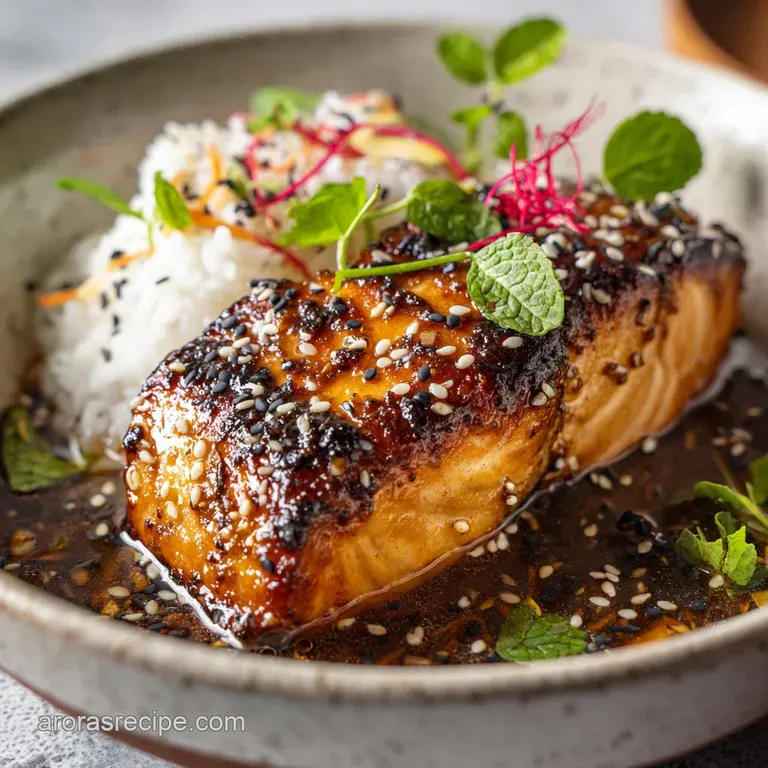
Phase 1: The Glaze
Whisk the 3 Tbsp white miso, 1 Tbsp mirin, 1 Tbsp soy sauce, 1 tsp sesame oil, 1 tsp ginger, and 1 tsp maple syrup in a small bowl. Note: Whisk until the miso is completely smooth with no lumps.
Phase 2: Prep the Fish
Pat the 4 salmon fillets bone dry with a paper towel and sprinkle with the 0.5 tsp sea salt. Note: Moisture is the enemy of a good sear; don't skip the drying step.
Phase 3: High Heat
Heat the 1 Tbsp avocado oil in your skillet over medium high heat until the oil shimmers and barely begins to smoke.
Phase 4: The First Sear
Place the salmon in the pan, skin side up (if they have skin), and cook for 3 minutes until a golden crust forms.
Phase 5: The Flip
Carefully flip the fillets over using a flexible spatula.
Phase 6: Glaze Application
Brush the miso mixture generously over the top of each seared fillet. Note: Do this after flipping so the glaze doesn't burn against the bottom of the pan.
Phase 7: Final Cook
Continue cooking for another 3 to 4 minutes until the sides of the salmon look opaque.
Phase 8: The Garnish
Remove from heat and immediately sprinkle with the 1 Tbsp white and 1 tsp black sesame seeds.
Phase 9: Finishing Touches
Top with the sliced scallions and let the fish rest for 3 minutes before serving.
Fixing Common Cooking Errors
Why Is My Glaze Burning?
Miso has a high sugar content from the fermentation process. If your pan is screaming hot, the glaze will turn black before the fish is cooked. The trick is to apply the glaze after the initial flip.
This lets the residual heat and the remaining couple of minutes in the pan thicken the sauce into a sticky lacquer without incinerating it.
Why Does the Fish Stick?
Usually, this happens because the pan wasn't hot enough when the fish went in, or you tried to flip it too early. Protein "releases" from the pan naturally once a crust has formed. If you feel resistance, give it another 30 seconds.
| Problem | Root Cause | Solution |
|---|---|---|
| Rubbery Skin | Low heat or trapped steam | Start with a dry pan and high heat |
| Bitter Aftertaste | Burnt miso glaze | Reduce heat slightly after flipping |
| Dry Interior | Overcooking | Pull fish at 52°C internal temperature |
Common Mistakes Checklist
- ✓ Always pat the salmon dry with paper towels (damp fish won't crust).
- ✓ Don't overcrowd the pan; leave space for steam to escape.
- ✓ Use a neutral oil with a high smoke point, not butter or olive oil.
- ✓ Let the miso reach room temperature before mixing for a smoother glaze.
- ✓ Let the fish rest! This keeps the juices from running out on the plate.
Scaling for Larger Groups
When you're cooking for a crowd, don't try to cram eight fillets into one pan. Work in batches. Keep the first batch on a wire rack over a baking sheet in a warm oven (around 90°C) while you finish the rest. This prevents the bottom from getting soggy.
For the spices and salt, don't just double everything blindly. Scale the miso and liquids by 2x, but keep the salt to about 1.5x. Miso is already quite salty, and it is easy to overdo it when multiplying the recipe.
| Servings | Salmon Weight | Pan Size | Cook Time |
|---|---|---|---|
| 2 People | 340 g | 25 cm Skillet | 8 mins |
| 4 People | 680 g | 30 cm Skillet | 8-10 mins |
| 8 People | 1.3 kg | Two 30 cm Skillets | 10 mins (batches) |
If you are looking for another crowd pleaser that uses similar Japanese inspired flavors, my Salmon Donburi recipe is a fantastic option for serving many people at once.
Recipe Variations and Tweaks
For a Spicy Kick
If you like heat, whisk in 1 tsp of Sriracha or Sambal Oelek into the marinade. The vinegar in the chili sauce cuts through the fatty salmon beautifully. You can also swap the black sesame seeds for red chili flakes at the very end.
Keto and Low Carb
The maple syrup and mirin contain sugar, but you can swap them. Use a monk fruit syrup or a drop of stevia, and replace the mirin with a splash of rice vinegar and a little extra water. It won't be quite as sticky, but the flavor remains top notch.
Debunking Kitchen Glaze Myths
"You must marinate salmon for hours." Honestly, with a glaze this punchy, you don't need to. Salmon is a dense, fatty fish; marinades only penetrate a few millimeters anyway. A heavy glaze applied at the end gives you the same flavor impact in a fraction of the time.
"High heat ruins the nutrients." While some heat sensitive vitamins might decrease slightly, the fast sear actually preserves the texture and prevents the healthy fats (Omega-3s) from leaching out as much as they would during a long, slow bake.
Storage and Zero Waste
Storage: Keep leftovers in an airtight container in the fridge for up to 2 days. To reheat, I suggest using the air fryer for 3 minutes at 180°C to bring back some of the crust's texture. Microwave reheating often makes fish rubbery.
Zero Waste: If you have leftover glazed salmon, don't just toss it. Flake it into a cold noodle salad the next day or fold it into a morning omelet. The miso flavor is even more pronounced when cold.
You can also simmer the salmon skins (if you removed them) in a bit of water with veggie scraps to make a quick, savory base for a future seafood stew.
Winning Side Dish Pairings
This Sesame Miso Salmon is quite rich, so I love pairing it with something bright and acidic. A simple cucumber salad with rice vinegar and a pinch of sugar is a classic choice.
If you want something heartier, steamed bok choy or snap peas tossed in a little garlic and ginger works wonders. And of course, a bowl of fluffy jasmine rice is the perfect vessel for soaking up any extra miso glaze that escapes the fish. For a different take on seared fish, you might also enjoy the citrusy notes in my Salmon Tataki Sear recipe. It provides a nice contrast to the savory depth we've built here.
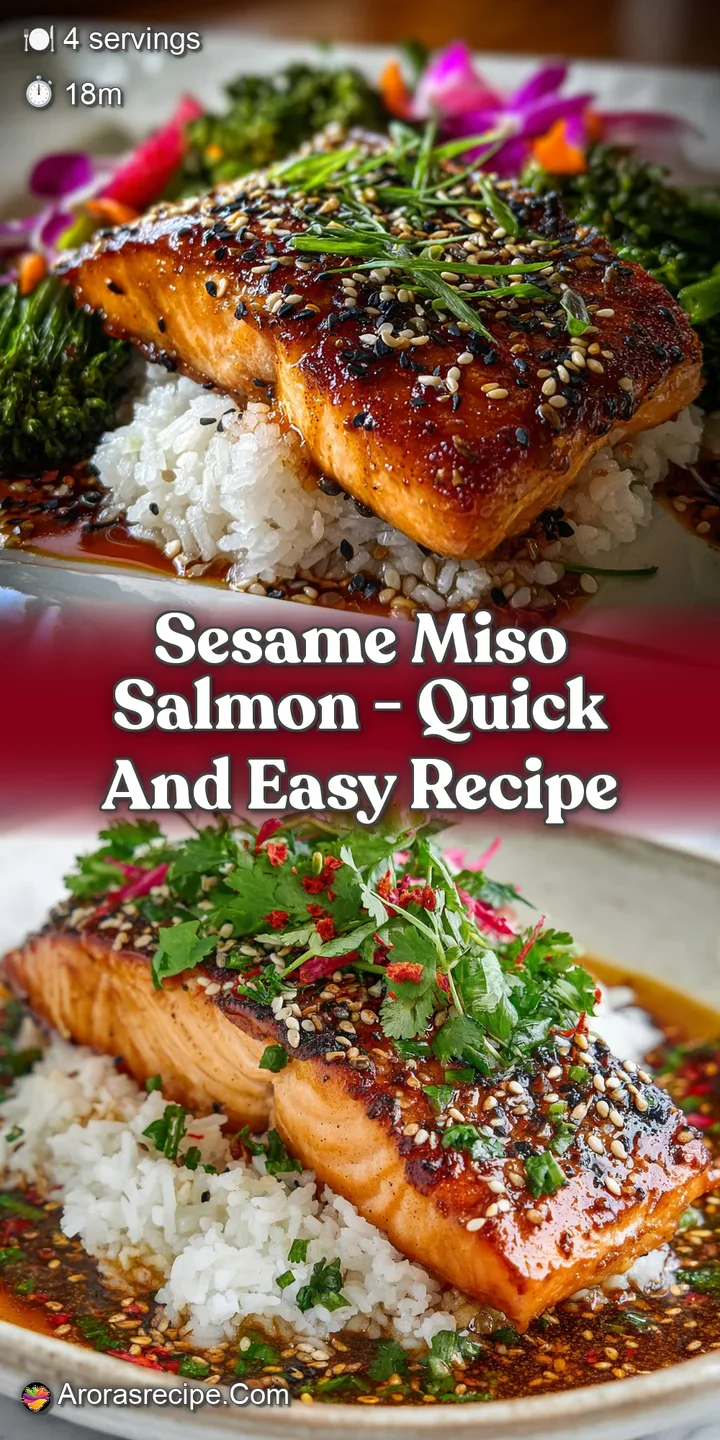
High in Sodium
865 mg mg of sodium per serving (38% of daily value)
The American Heart Association recommends limiting sodium intake to no more than 2,300mg per day for most adults.
Tips to Reduce Sodium in Your Salmon Dish
-
Miso Alternatives-25%
Substitute the 3 Tbsp of white miso with a homemade miso alternative using ingredients like pureed sweet potato or butternut squash combined with a touch of nutritional yeast for umami flavor. This will drastically reduce the sodium content.
-
Reduce Added Salt-20%
Eliminate or significantly reduce the 0.5 tsp of fine sea salt added. Taste the dish before adding any salt and adjust to your preference. Consider using a salt substitute.
-
Dilute Soy Sauce-15%
Even 'low sodium' soy sauce contributes sodium. Try diluting the 1 Tbsp low-sodium soy sauce with an equal amount of water or, even better, unsalted rice vinegar to lower the sodium content while maintaining some flavor.
-
Acidic Boost-10%
Enhance the flavor profile with a squeeze of fresh lemon or lime juice. The acidity will brighten the dish and can help compensate for the reduction in sodium.
-
Spice it Up!
Experiment with sodium free herbs and spices like garlic powder, onion powder, smoked paprika, or black pepper to add depth of flavor without adding sodium.
Recipe FAQs
Do miso and salmon go together?
Yes, they form a classic pairing. Miso's deep umami and saltiness perfectly balance the rich, oily flavor of the salmon.
Do sesame and miso go together?
Yes, they create an excellent flavor synergy. Sesame adds a nutty, aromatic depth that complements the fermented saltiness of the miso glaze.
What does miso do to salmon internally?
Miso acts as a mild tenderizer. The enzymes in the miso break down surface proteins slightly, contributing to a more velvety texture during cooking.
How long should I marinate salmon in miso?
Marination for more than 30 minutes is unnecessary for this glaze. Since the glaze is applied at the end of cooking, a short 10-minute coating before searing is sufficient for surface flavor.
Is it true that high heat searing ruins the healthy fats in salmon?
No, this is a common misconception when done correctly. A very fast sear preserves moisture and prevents excessive Omega-3 leaching, especially when compared to long, slow cooking methods.
How do I prevent my miso glaze from burning on the pan?
Apply the glaze only after flipping the fish. Sear the salmon skin side first, flip, and then brush the glaze on; this allows the residual heat to caramelize it without scorching. Mastering this timing is key, similar to the temperature precision needed for our How to Bake recipe.
Can I use red miso instead of white miso in this recipe?
You can, but you must significantly reduce the amount used. Red miso is much stronger and saltier; using the same volume as white miso will easily overpower the salmon flavor.
Sesame Miso Salmon Recipe
Ingredients:
Instructions:
Nutrition Facts:
| Calories | 442 kcal |
|---|---|
| Protein | 36.8 g |
| Fat | 24.1 g |
| Carbs | 8.4 g |
| Fiber | 1.2 g |
| Sugar | 5.3 g |
| Sodium | 865 mg |
