Red Miso Chicken the Sticky Umami Weeknight Hero

Capturing the Baritone Flavour: Why Red Miso is the Umami Powerhouse
You asked for a recipe that punches way above its weight class, right? I am delivering. This sticky red miso chicken is my go-to when I need deeply satisfying flavour without spending two hours in the kitchen. Seriously, we’re talking 40 minutes start to finish if you hustle.
The magic ingredient here, the culinary MVP, is Red Miso Paste .
If white miso is the sweet, gentle soprano of the fermented soybean world, red miso (or Aka Miso , for the purists) is the baritone. It’s deep. It’s earthy. It’s got this intense savoury quality that just coats your tongue.
We aren't making a delicate Red Miso Soup Recipe here; we are building a robust, sticky glaze that will seriously redefine your weeknight chicken game. Get ready to embrace the umami.
Decoding Aka Miso: A Quick Primer on Fermentation Depth
The reason Red Miso tastes so much more intense than its paler cousin, Shiro (white) miso, all comes down to patience. It’s fermented longer. Way longer (sometimes years!), and usually with a higher percentage of soybeans and a different type of koji rice culture.
This long aging process breaks down the proteins further, deepening the colour from creamy beige to a rich, ruddy brown, and transforming the flavour profile entirely.
If you try to substitute white miso for red in this recipe, you'll end up with something much sweeter and far less complex. It just won't give you that glorious, malty backbone we are chasing. When we talk about Red Miso vs White Miso , remember that depth is the critical difference.
You need that power to stand up to the soy sauce, the honey, and the heat of the broiler.
Why Chicken Thighs Are the Perfect Canvas for Glazing
Honestly, forget breast meat here. I know some people are devoted to breasts, but when you are dealing with a sticky, high heat glaze, you need fat and connective tissue. Boneless, skinless chicken thighs are the perfect vessel.
The fat in the thigh meat renders beautifully during the initial bake, keeping the chicken incredibly tender and juicy. Plus, that rendered fat helps the miso glaze stick and caramelize without drying out the actual meat. You want the glaze to burn a little (in a good way!), not the protein underneath.
Trust me, the extra moisture content in the thighs makes all the difference when we hit it with the broiler at the end. They can handle the heat.
The Chef's Promise: Maximum Flavour, Minimal Weeknight Effort
I hate recipes that promise simplicity but then require five different pans and a trip to a specialty market. This isn't that. The prep takes about 15 minutes. The only complex step is remembering to divide the marinade before you put the chicken in it.
(Rhetorical question alert: We’ve all accidentally cross contaminated a beautiful sauce by dipping the brush back into the raw marinade, haven’t we? Don't worry, I learned that lesson the hard way so you don't have to).
This simple action guarantees food safety and ensures you get the thickest, shiniest glaze imaginable. Right then. Let’s crack on with the essentials.
Essential Components for Your Sticky Red Miso Glaze
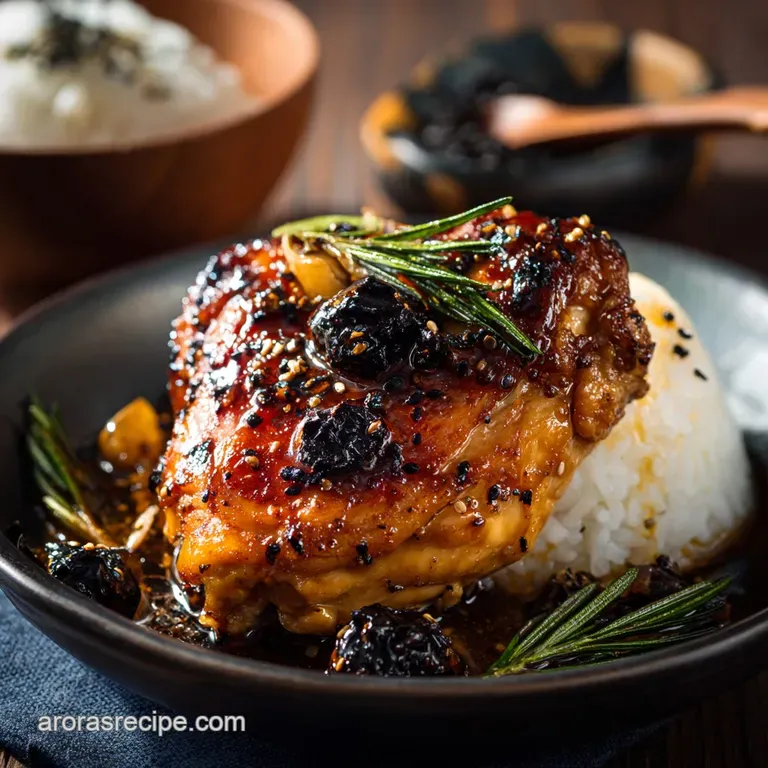
This is where we build the symphony of flavour. Don't skip the small stuff, like that little dash of rice vinegar; it’s essential for balancing the richness of the Red Miso Paste .
Sourcing Guide: Selecting Your Premium Red Miso Paste
Because miso is the star, don't buy the dusty jar on the shelf that looks like it’s been there since 2010. Miso is a living product and should generally be purchased refrigerated. Look for the darker, saltier, more robust variety.
It might be labelled Aka Miso or Mugi Miso (barley miso), which is also quite dark and strong.
If you are new to Asian ingredients, head straight for the refrigerated section of your local Asian market or the specialty refrigerated section of a large grocery store. A quality miso paste is rich in beneficial bacteria (probiotics) and should smell intensely savoury, not sharp or sour.
You will likely have paste left over. Fantastic. Use it in a vinaigrette, rub it on pork shoulder, or finally try that awesome Red Miso Ramen recipe you saved.
If you absolutely need a Red Miso Paste Substitute because your store is out, your best bet is mixing 1 part brown rice miso with 1 part soy sauce and a touch of honey but honestly, try to find the real deal first.
Pantry Staples for Japanese Inspired Marinades
We need a balance of sweet, salty, and acidic components to make the miso shine.
- Mirin and Sake: These are non-negotiable for that authentic Japanese base. Mirin adds necessary sweetness and sheen. Sake adds depth and complexity. Use cooking grade; no need to open your best bottle.
- Honey: This gives us the stickiness we crave. Maple syrup works fine, but I find honey caramelizes slightly better under the broiler.
- Ginger and Garlic: Keep it fresh. Use a microplane to grate the ginger; it melts into the marinade far better than mincing it.
- Toasted Sesame Oil: We add this right at the end of the glaze reduction. It retains its nutty aroma better if it's not boiled for too long, adding that final fragrant note.
Required Tools for Achieving Perfect Caramelization
You need three things to nail this dish, besides the obvious bowl and whisk.
- Parchment Paper: Critical. Miso glaze is basically concentrated sugar and protein. It sticks like crazy. Use parchment or a silicone baking mat to save your sheet pan (and your sanity).
- Basting Brush: Essential for painting that glorious, thick glaze onto the semi cooked chicken right before broiling. Silicone brushes are easiest to clean afterwards.
- Meat Thermometer: You want the chicken to reach 165°F (74°C). If you don't have one, just slice into the thickest part to ensure juices run clear, but really, get a thermometer. It’s brilliant.
Related Recipes Worth Trying
- Essential Dashi Broth Recipe Pure Umami Base for Miso Ramen — Master authentic Dashi broth Japanese soup stock in just 25 minutes This recipe is the clean foundational umami kick your miso and ramen bases need
- Classic Hyderabadi Chicken Biryani The Best Layered Dum Recipe — This is the definitive Chicken Biryani recipe using the slow Dum method Achieve perfectly fluffy biryani rice and tender chicken The complex spices sing in...
- RestaurantStyle PanSeared Orange Roughy with Lemon Brown Butter — Achieve perfectly flaky Orange Roughy fillet in just 25 minutes using our foolproof pansearing method Drenched in a rich nutty lemoncaper brown butter sauce
step-by-step Mastery: Transforming Simple Chicken into a Sticky Glazed Hero
Ready? Preheat your oven to a nice, warm 395°F (200°C).
Phase One: Preparing the Chicken and Crafting the Umami Marinade
This whole process relies on that clever two-part sauce system.
- Glaze Creation: In a small bowl, whisk together the red miso paste, mirin, sake, soy sauce, honey, rice vinegar, ginger, and garlic. It will be thick and pungent. Perfect.
- The Divide: Immediately measure out 1/3 of that mixture into a separate container. This 1/3 is the marinade. The rest (2/3) goes straight into your saucepan, ready to be reduced later. Keep these separate!
- Marinate: Trim any serious excess fat off your chicken thighs. Pour the small marinade portion over the thighs. You can marinate for just 30 minutes on the counter if you’re pressed for time, but if you can manage 4 hours in the fridge, the flavour payoff is huge.
Phase Two: The Baking Method for Optimal Tenderness
Line your tray, arrange the chicken, and discard the marinade (it’s done its job). Baking is our slow, steady cooker.
Bake the chicken for about 18 to 20 minutes. This gets the meat almost cooked through without risking the glaze burning, since the glaze isn't even on it yet! If you check the internal temperature now, it should be hovering around 160°F (70°C).
Phase Three: Mastering the Glaze and Achieving That Perfect Stickiness
While the chicken is baking, we make the glaze intensely sticky.
- Reduce: Take the reserved 2/3 sauce mixture (the clean one!) and bring it to a simmer in a small saucepan over medium heat. Whisk it constantly.
- Thicken: As it simmers, the liquid evaporates, and the sugars and miso solids concentrate. You want it to reduce by about 30% and look beautifully syrupy, clinging to the back of a spoon. This should take about three to five minutes.
- Finish: Pull the saucepan off the heat and stir in the toasted sesame oil. Done. You have built a shiny glaze suitable for a Michelin star kitchen.
Now, change your oven setting to the high broiler (or grill). Pull the chicken out of the oven, brush it generously with the thick glaze, and return it to the broiler rack, positioned 6 to 8 inches below the heat.
CRITICAL WARNING: Watch this like your favourite Netflix show. Miso, due to its sugar content and dark colour, goes from glorious mahogany to burnt charcoal in about 90 seconds flat. Broil for 2 to 4 minutes, until bubbly and deeply caramelised.
Remove the moment it looks perfect, check the temp (165°F/74°C), and let it rest. Rest the chicken, not you!
Elevating Your Dish: Tips, Substitutions, and Pairing Suggestions
Storage and Reheating: Making This Dish Work for Meal Prep
This is an excellent meal prep item. The glazed thighs keep beautifully in an airtight container for up to four days in the fridge.
When reheating, avoid the microwave if possible. That tends to dry out the chicken and make the glaze a bit rubbery. Instead, reheat low and slow in a 300°F (150°C) oven, or even better, slice it up and quickly pan-fry the slices in a hot skillet for 2 minutes to bring back the crisp edges.
Swap It Out: Adapting the Sticky Red Miso Glaze for Salmon or Tofu
This glaze is far too good to use only on chicken. It adapts brilliantly. We are using a robust Red Miso Paste Recipe foundation, which works with any rich protein.
| Protein Type | Modification Needed | Cook Time Estimate |
|---|---|---|
| Salmon Fillets | Glaze immediately after marinating. Bake until 145°F (63°C). Broil carefully. | 12– 15 minutes total |
| Extra Firm Tofu | Press tofu for 30 mins first. Slice into thick cubes. Bake and glaze as directed. | 25 minutes total |
| Pork Tenderloin | Double the marinade. Sear first, then finish baking with the glaze. | 25– 30 minutes total |
Nutritional Spotlight: Protein Content and Low-Fuss Sides
Chicken thighs are a fantastic source of protein, and the miso adds trace minerals and gut-friendly components, so you can feel good about this delicious dinner. The salt content is high, naturally, because of the soy and miso, so make sure your sides are fresh and unsalted to balance things out.
I always pair this intense flavour with something clean and crisp. Here are my favorite low-fuss sides:
- Jasmine Rice: Absolute classic. It catches all that sticky glaze run-off.
- A Crunchy Slaw: Think shredded cabbage and carrots, dressed only in rice vinegar and a pinch of salt. That acid cuts through the richness beautifully.
- Quick Blanched Greens: Tossed broccoli or baby spinach with a tiny bit of salt and nothing else. Let the chicken do the heavy lifting.

Recipe FAQs
What exactly is Red Miso, and why is it better than white miso for this chicken dish?
Red Miso (Aka Miso) is aged longer than its white counterpart, giving it a powerful, deeply savoury (umami) punch it’s the proper powerhouse flavour needed to stand up to rich chicken thighs and sticky sweetness.
Think of it as the difference between a mild cheddar and a strong mature cheddar; this recipe truly demands that big, bold profile.
I’m aiming for minimal fuss after work can I prep the sticky chicken ahead of time?
Absolutely! You can marinate the chicken for a good few hours (up to four is spot on), which is a real bonus for mid-week meals as it deepens the flavour remarkably. If you're prepping a full day ahead, keep the chicken and the main glaze reduction separate, only combining them on the day of cooking.
Help! Why did my glaze turn from caramel coloured to burnt under the grill (broiler)?
Miso glazes are a bit cheeky under the broiler because of the high sugar (honey/mirin) and protein content; they catch incredibly quickly, like a toddler near the biscuit tin. You must watch it like a hawk for those two to four minutes, making sure the rack is a sensible distance (6-8 inches) from the heat source.
I can’t find traditional Japanese ingredients like Mirin or Sake; what’s a sensible British substitution?
Don't panic! For Mirin, a dash of dry white wine mixed with a pinch of sugar will mimic the necessary sweetness and moisture perfectly. For Sake, an affordable dry sherry works brilliantly; we're using it primarily for flavour depth, not for drinking!
This recipe includes miso and soy; how can I reduce the overall saltiness without losing flavour?
Miso and soy sauce naturally bring the salt, so you’ll need to make a sensible swap always use low-sodium soy sauce. You can also consider reducing the Red Miso paste quantity by about 1/4 (e.g., use 3 Tbsp instead of 4 Tbsp) and balancing that savoury drop with a tiny bit more honey.
Sticky Red Miso Chicken Glaze
Ingredients:
Instructions:
Nutrition Facts:
| Calories | 181 kcal |
|---|---|
| Protein | 0.7 g |
| Fat | 3.0 g |
| Carbs | 1.7 g |
| Fiber | 0.6 g |
| Sodium | 1 mg |
