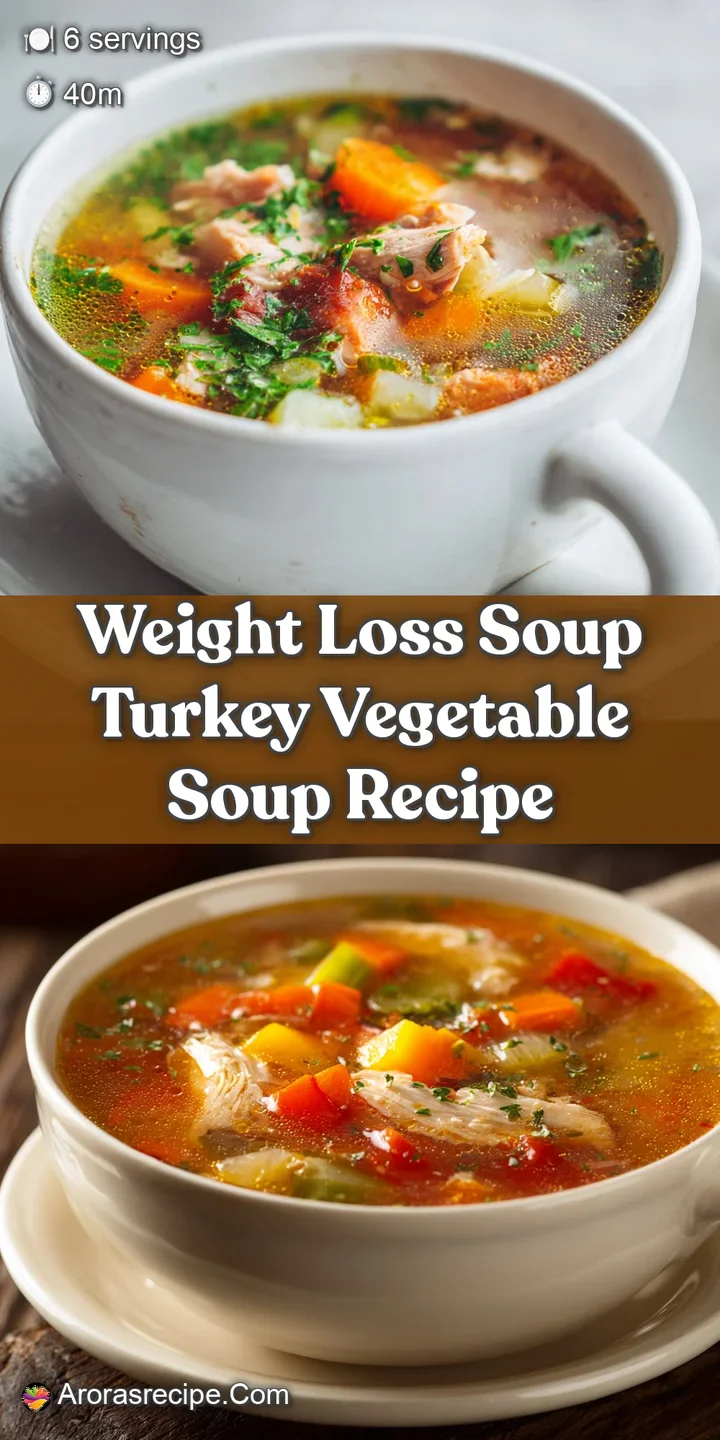
Weight Loss Soup Turkey Vegetable Soup: Lean & Healthy
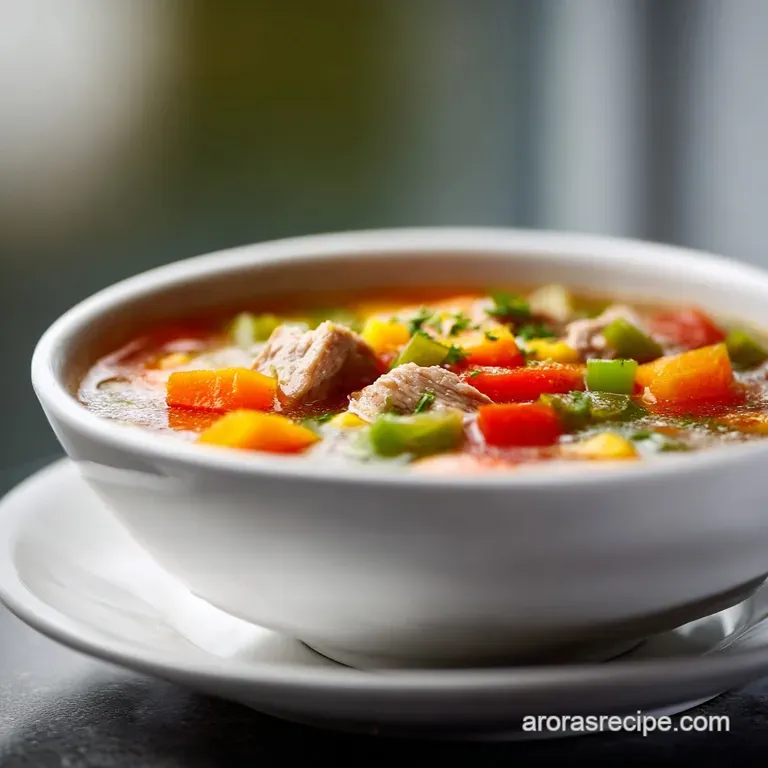
- Time: Active 15 minutes, Passive 25 minutes, Total 40 minutes
- Flavor/Texture Hook: Savory, herbaceous, and vibrantly tangy
- Perfect for: Sunday meal prep, post holiday resets, or a quick weeknight dinner
- The Science Behind This Flavorful Broth
- Component Analysis of Our Soup
- Choosing the Best Fresh Whole Ingredients
- Essential Tools for This Hearty Stew
- Step-by-Step Cooking and Simmering Guide
- Solving Common Vegetable Soup Problems
- Creative Flavor Twists and Healthy Swaps
- Keeping Your Leftovers Fresh and Tasty
- Perfect Pairings for a Complete Meal
- Debunking Common Soup Misconceptions
- Recipe FAQs
- 📝 Recipe Card
The Science Behind This Flavorful Broth
Aromatic Layering: Sautéing the "holy trinity" of onion, celery, and carrots first creates a base of natural sugars and sulfur compounds that deepen the liquid's complexity.
The Acidity Pop: Adding lemon juice at the end breaks down the heavy proteins on your palate, making the savory herbs taste significantly more intense.
Fiber Induced Satiety: The combination of cellulose from cabbage and pectin from carrots slows down digestion, which keeps your blood sugar stable and keeps you full longer.
| Thickness of Turkey | Internal Temp | Rest Time | Visual Cue |
|---|---|---|---|
| Crumbled (Ground) | 165°F | 2 mins | No pink remains |
| 1/2 inch chunks | 165°F | 3 mins | Opaque and firm |
| 1 inch meatballs | 165°F | 5 mins | Juices run clear |
Building a solid base for your turkey veggie soup starts with understanding how each component reacts to heat. If you just throw everything in cold water and boil it, you'll end up with a bland, gray mess that no one wants to eat.
By searing that turkey first, you’re initiating the Maillard reaction, which is just a fancy way of saying you’re browning the meat to create those savory, deep flavor molecules that make the broth taste like it’s been simmering for hours instead of minutes.
Component Analysis of Our Soup
| Ingredient | Science Role | Pro Secret |
|---|---|---|
| Ground Turkey | Lean Protein | Brown it thoroughly in a hot pan to build a "fond" on the bottom for better broth flavor. |
| Fire Roasted Tomatoes | Acidic Catalyst | The charred bits in fire roasted cans add a smoky depth that regular diced tomatoes lack. |
| Green Cabbage | Bulk & Fiber | Shred it thinly so it wilts into "noodles," providing texture without adding significant calories. |
| Fresh Lemon Juice | Flavor Brightener | Always add this after the heat is turned off to keep the vitamin C and bright citrus notes intact. |
Choosing the right ingredients is half the battle when you're looking for a healthy turkey vegetable soup that actually tastes good. I always opt for the 93% lean turkey because it has just enough fat to carry the flavor of the oregano and thyme without making the soup greasy.
If you go for the 99% fat free stuff, the meat can get a bit rubbery and dry, so stick with the 93% if you can find it. It's a small trade off that makes a huge difference in the velvety mouthfeel of the finished dish.
Choosing the Best Fresh Whole Ingredients
- 1 lb lean ground turkey (93% lean): Why this? Provides essential amino acids while keeping the saturated fat content low. (Substitute: Ground chicken or extra firm tofu crumbles)
- 1 tsp extra virgin olive oil: Why this? A healthy fat used to conduct heat and bloom the dried spices. (Substitute: Avocado oil)
- 1 large yellow onion, diced (150g): Why this? The foundation of savory flavor in any classic soup base. (Substitute: White onion or shallots)
- 3 medium carrots, sliced into coins (180g): Why this? Adds natural sweetness and a boost of Vitamin A. (Substitute: Parsnips)
- 2 stalks celery, diced (100g): Why this? Provides a salty, earthy backbone to the vegetable profile. (Substitute: Fennel bulb)
- 4 cloves garlic, minced: Why this? Adds pungent depth and known immune supporting properties. (Substitute: 1 tsp garlic powder)
- 2 cups green cabbage, shredded (150g): Why this? Creates a filling, noodle like texture for very few calories. (Substitute: Kale or collard greens)
- 2 medium zucchini, diced (300g): Why this? High water content adds volume and absorbs the broth’s flavor. (Substitute: Yellow squash)
- 1 cup frozen green beans (150g): Why this? A budget friendly way to add snap and color year round. (Substitute: Fresh snap peas)
- 1 can (14.5 oz) fire roasted diced tomatoes: Why this? Adds smokiness and essential lycopene to the base. (Substitute: Standard diced tomatoes with a pinch of smoked paprika)
- 6 cups low sodium chicken broth: Why this? Controls the salt intake while providing a rich liquid base. (Substitute: Vegetable broth or dashi)
- 1 tsp dried oregano & 1 tsp dried thyme: Why this? Classic Mediterranean herbs that pair perfectly with poultry. (Substitute: Italian seasoning)
- 2 bay leaves: Why this? Releases a subtle floral aroma that balances the heavy meat scents. (Substitute: Skip if unavailable)
- 1/2 tsp sea salt & 1/2 tsp cracked black pepper: Why this? Basic seasoning to enhance all other ingredient flavors. (Substitute: Himalayan salt)
- 1 tbsp fresh lemon juice: Why this? The "acid" that brightens and finishes the dish perfectly. (Substitute: Apple cider vinegar)
Chef Tip: If you want to take the flavor even deeper, "bloom" your dried oregano and thyme by stirring them into the hot oil with the onions and carrots for 30 seconds before adding the broth.
This heat releases the essential oils in the dried leaves, making them much more potent than if you just sprinkled them into the liquid.
If you’re a fan of prep ahead meals, you might also enjoy my Classic Ground Turkey recipe which uses similar ingredients but in a faster skillet format. It’s all about working with what you have and making it taste homemade and comforting.
Essential Tools for This Hearty Stew
You don’t need a fancy kitchen to pull off a great weight loss soup, but a heavy bottomed pot like a Dutch oven is your best friend here. It holds heat evenly, which means your turkey will brown beautifully instead of just steaming in its own juices.
You’ll also want a sharp chef’s knife to handle those carrots and celery there’s nothing more frustrating than trying to dice an onion with a dull blade.
If you have a bench scraper, use it to scoop up your chopped veggies and slide them into the pot; it keeps your fingers safe and your cutting board clear. Finally,, a good wooden spoon is essential for scraping those brown bits (the "fond") off the bottom of the pot.
Those bits are where the real flavor lives, and you don’t want to leave them behind!
step-by-step Cooking and Simmering Guide
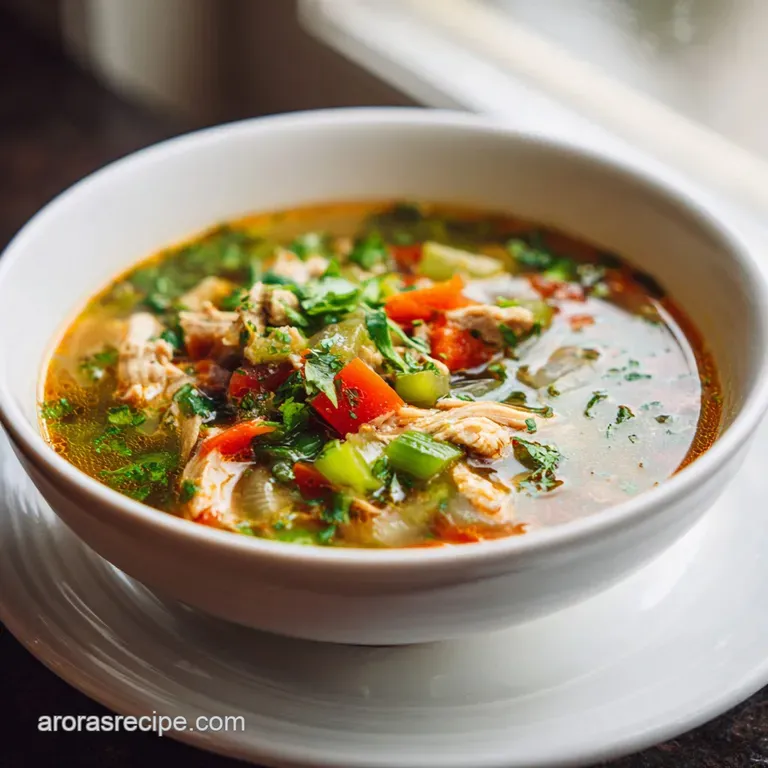
- Heat the oil. Place your large pot over medium high heat and add the 1 tsp of olive oil. Note: Using a high-quality oil helps prevent the turkey from sticking.
- Brown the turkey. Add the 1 lb of ground turkey to the pot, breaking it up with a spoon. Cook for 5-7 minutes until no pink remains and edges are slightly crispy.
- Sauté the aromatics. Toss in the diced onion, sliced carrots, and celery. Cook for 5 minutes until the onion is translucent and fragrant.
- Add the garlic and herbs. Stir in the 4 cloves of minced garlic, oregano, thyme, salt, and pepper. Sauté for 1 minute until the garlic is golden and smells like heaven.
- Deglaze the pan. Pour in about half a cup of the chicken broth and use your spoon to scrape up any brown bits on the bottom. Note: This step is vital for a rich, dark broth.
- Combine ingredients. Add the remaining chicken broth, the fire roasted tomatoes (with juices), the 2 cups of shredded cabbage, and the 2 bay leaves.
- Simmer the base. Bring the mixture to a boil, then reduce heat to low. Cover and simmer for 15 minutes to soften the carrots.
- Add soft vegetables. Stir in the 2 diced zucchini and the 1 cup of frozen green beans. Simmer uncovered for 8-10 minutes until the zucchini is tender but not mushy.
- Finish with citrus. Remove the bay leaves and turn off the heat. Stir in the 1 tbsp of fresh lemon juice.
- Taste and adjust. Sample a spoonful of broth and add another pinch of salt or pepper if needed before serving hot.
| Fresh Ingredients | Frozen/Canned Shortcuts | Flavor Impact | Savings |
|---|---|---|---|
| Fresh whole carrots | Frozen sliced carrots | Slightly softer texture | Save 5 mins prep |
| Fresh garlic cloves | Jarred minced garlic | Less pungent/sweet | Save 3 mins prep |
| Fresh green beans | Frozen cut green beans | Virtually no difference | Save $1.50/lb |
Using frozen green beans is one of my favorite budget hacks. They are picked at the peak of freshness and already trimmed, which saves you a solid ten minutes of snapping ends off at the sink.
In a soup like this, the texture difference between fresh and frozen is almost impossible to notice once they’ve simmered in that savory broth.
Solving Common Vegetable Soup Problems
Why Your Soup Tastes Bland
If you follow the recipe and it still feels like it's "missing something," it usually isn't more salt it's usually a lack of acidity. The lemon juice is intended to fix this, but sometimes those fire roasted tomatoes aren't as tangy as others. Try adding a tiny splash of apple cider vinegar or a bit more lemon.
Also, make sure you actually browned the turkey; if the meat didn't get some color, the broth won't have that deep, meaty backbone.
Dealing with Mushy Vegetables
Zucchini is the main culprit here. It has a high water content and can turn into a watery pulp if left in a boiling pot too long. That’s why we add it during the last 10 minutes of cooking.
If you're planning on reheating this soup for several days, consider undercooking the zucchini slightly during the initial prep; it will finish softening when you microwave or stovetop warm your leftovers later.
| Problem | Root Cause | Solution |
|---|---|---|
| Greasy Broth | Turkey fat wasn't drained or absorbed | Use 93% lean turkey or skim the surface with a spoon after simmering. |
| Bitter Aftertaste | Garlic was burned during sauté | Add garlic only after onions are soft; keep heat at medium, not high. |
| Watery Consistency | Zucchini released too much liquid | Simmer uncovered for the final 10 minutes to allow some steam to escape. |
- ✓ Pat the turkey dry with a paper towel before adding it to the pot to ensure it browns instead of steams.
- ✓ Don't skip the "fond"; those brown bits on the bottom of the pot are concentrated flavor.
- ✓ Add delicate greens last if you decide to swap cabbage for spinach or kale.
- ✓ Wait to salt until the end, as the broth will reduce and the flavors will concentrate.
- ✓ Use a large enough pot so the ingredients aren't crowded, which helps maintain a steady simmer.
For a completely different flavor profile that still uses a healthy base, you might want to try making a Dashi Soup Stock recipe. It's incredible how much umami you can get from sea kelp and mushrooms, and it works beautifully as a base for lean turkey too.
Creative Flavor Twists and Healthy Swaps
If you find yourself making this weight loss soup every week (like I do during the winter), you’re going to want to change things up occasionally. One of my favorite variations is a "Spicy Southwestern" version. Simply swap the oregano and thyme for 1 tablespoon of chili powder and a teaspoon of cumin.
Throw in a small can of chopped green chiles and top your bowl with a few slices of fresh radish for a crunch that’ll wake up your taste buds.
Transforming into a Tuscan Stew
To give this a Mediterranean flair, add a tablespoon of tomato paste when you’re sautéing the garlic. Swap the green beans for some chopped kale and add a can of rinsed cannellini beans for extra fiber and creaminess.
Even though it's a "weight loss" recipe, a tiny sprinkle of Parmesan cheese (about a teaspoon) on top only adds about 20 calories but provides a massive hit of savory saltiness that makes it feel much more indulgent.
Making it Whole30 and Paleo
This recipe is actually already very close to being naturally Paleo and Whole30 compliant. Just double check your chicken broth label to ensure there are no added sugars or hidden cornstarch. The lean turkey and abundance of fresh veggies make it a perfect staple for anyone doing a round of clean eating.
If you want it even heartier, you can add some diced butternut squash or sweet potato during the first 15 minute simmer.
Keeping Your Leftovers Fresh and Tasty
This turkey veggie soup is a dream for meal prepping because it actually gets better as it sits. The cabbage softens further and the broth takes on all the sweetness from the carrots. You can keep this in an airtight container in the fridge for up to 5 days.
When reheating, I recommend doing it on the stovetop over medium heat rather than the microwave it heats more evenly and prevents the zucchini from exploding.
- Freezing: This soup freezes beautifully. Let it cool completely, then transfer to freezer safe bags or containers. It will stay fresh for up to 3 months. Note: Leave about an inch of space at the top of your container because the liquid will expand as it freezes.
- Zero Waste Tip: Don't throw away those onion skins or celery leafy tops! Throw them in a gallon sized freezer bag. Once the bag is full, boil the scraps with water for an hour to make your own "scrappy" vegetable broth for the next batch of soup.
- Reheating: If the soup has thickened too much in the fridge (the cabbage can soak up a lot of broth), just add a splash of water or extra chicken broth before heating.
Perfect Pairings for a Complete Meal
While this soup is designed to be a stand alone meal for those focusing on weight loss, sometimes you just need a little something extra on the side to make it feel like a "real" dinner. A small piece of toasted sourdough is my favorite pairing. The tanginess of the bread complements the lemon in the soup perfectly. If you're feeling fancy, you could even try making a side of Sourdough Stuffing Recipe during the holidays to serve alongside a smaller bowl of this light soup.
Another great option is a simple side salad with a very light vinaigrette. Since the soup is warm and savory, a cold, crisp salad provides a nice temperature contrast. I usually go with arugula, a squeeze of lemon juice, and a tiny drizzle of olive oil.
It keeps the meal within that "healthy and light" category while adding some much needed crunch. If you're not strictly watching carbs, a small handful of whole grain crackers is also a great way to add texture without derailing your goals.
If you want...
- More Creaminess: Stir in 1/4 cup of Greek yogurt or a splash of coconut milk at the very end.
- More Heat: Add 1/2 teaspoon of red pepper flakes during the garlic sauté step.
- More Bulk: Add 1/2 cup of cooked quinoa or brown rice directly to your serving bowl.
Debunking Common Soup Misconceptions
Many people believe that "weight loss soup" has to be flavorless or consists only of cabbage and water. That is simply not true. Flavor comes from the way you handle your ingredients browning the meat, blooming the spices, and using a quality broth.
You don't need fat to create a satisfying meal; you need "umami" and "aromatics." This recipe proves that you can have a filling, protein packed meal that helps you reach your goals without sacrificing the joy of eating.
Another myth is that you have to cook soup all day long for it to be good. While some stews benefit from a long braise, vegetable heavy soups like this one actually suffer if they're cooked too long. You want the carrots to have a slight "bite" and the zucchini to hold its shape.
Overcooking just turns those vibrant nutrients into a muddy brown liquid. Keep it quick, keep it fresh, and you'll find yourself actually looking forward to your "diet" food.
Recipe FAQs
What is the best soup to eat for losing weight?
Lean protein and high fiber vegetable soups. The best options utilize lean turkey or chicken broth and pack in non-starchy vegetables like cabbage, celery, and zucchini.
Is chicken and vegetable soup good for you to lose weight?
Yes, provided the chicken is skinless and the broth is low sodium. Chicken soup is excellent because the broth promotes hydration and satiety, especially when loaded with filling vegetables.
Is homemade vegetable soup good for losing weight?
Yes, homemade is superior because you control the salt and fat. store-bought versions often hide sugar or excessive sodium, whereas making it yourself ensures you maximize fiber and lean protein.
Which veggies are good in soup for weight loss?
Prioritize fibrous, low-calorie vegetables like cabbage, zucchini, and celery. These items add necessary bulk and texture to keep you full without adding many calories, unlike starchy options.
How do I make my weight loss soup taste savory without adding heavy cream or fat?
Build a deep aromatic base by properly browning the turkey and sautéing your onions first. This process, known as the Maillard reaction, creates savory flavor molecules that mimic richness; if you enjoyed mastering that browning technique here, see how the same principle works in the Chicken and Stuffing Casserole recipe for a different context.
Is it true that I must cook vegetable soup for hours to extract all the nutrients?
No, cooking vegetable soup too long degrades water soluble vitamins. For most weight loss soups featuring tender vegetables, a simmer time of about 25 30 minutes is ideal to retain texture and nutrients.
What is the most important step for achieving bright, non-mushy zucchini in vegetable soup?
Add the zucchini during the final 8 to 10 minutes of the simmer time. Since zucchini has high water content, adding it late ensures it cooks through but remains firm, much like how you finish delicate pastas.
Weight Loss Turkey Soup
Ingredients:
Instructions:
Nutrition Facts:
| Calories | 201 calories |
|---|---|
| Protein | 19g |
| Fat | 7.5g |
| Carbs | 15g |
| Fiber | 4g |
| Sugar | 6g |
| Sodium | 520mg |
