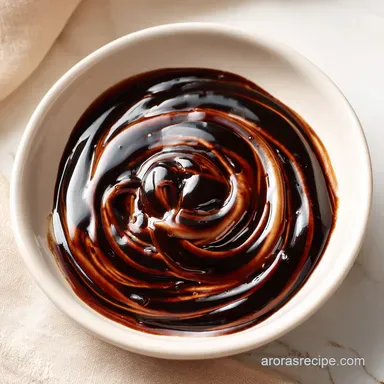
Balsamic Reduction Glaze: Syrupy and Caramelized
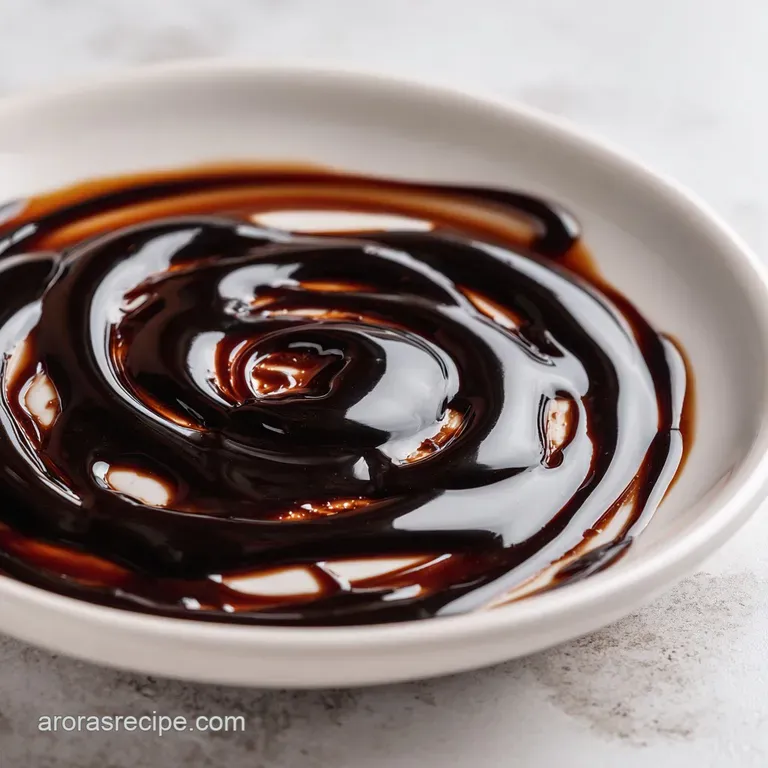
- Time: 5 min active + 15 min simmering = Total 20 mins
- Flavor/Texture Hook: Syrupy, tangy, and deeply caramelized
- Perfect for: Caprese salads, roasted vegetables, or as a vegan drizzle
Imagine standing in a small kitchen in Modena, where the air smells like old wood and sweet, fermented grapes. For centuries, families have guarded their vinegar secrets, aging the liquid in batteries of different wooden casks to get that naturally thick, syrupy consistency.
It's a slow, patient art that defines the heart of Italian pantry culture.
I remember my first attempt at this. I got distracted by a phone call and almost turned my pot into a sheet of balsamic glass. It's a fine line between a glossy glaze and a burnt mess. But once you see that liquid transition from a watery splash to a slow, heavy drip, you'll never go back to store-bought glazes.
Using a balsamic reduction is all about contrast. You're taking a sharp, acidic liquid and turning it into something rich and mellow. It's the kind of touch that makes a simple plate of sliced tomatoes and mozzarella feel like a high end bistro meal.
The Secrets of Balsamic Reduction
- Water Evaporation
- As the liquid simmers, water escapes as steam, leaving behind a higher concentration of sugars and acids.
- Sugar Concentration
- The natural grape sugars thicken, creating a viscous, syrupy texture without needing cornstarch.
- Flavor Mellowing
- Heat softens the harsh "bite" of the raw vinegar, transforming it into a mellow, caramelized sweetness.
- Viscosity Shift
- The liquid moves from a watery state to a velvety glaze that clings to food rather than pooling at the bottom.
Since the goal is a specific thickness, it helps to know your options. While a homemade version is the gold standard, some people prefer a shortcut.
| Method | Time | Texture | Best For |
|---|---|---|---|
| Slow Simmer | 15 minutes | Velvety, deep | High end plating |
| store-bought Glaze | Instant | Often gelatinous | Quick weeknight meals |
| Fast Boil | 8 minutes | Thinner, sharper | Salad dressings |
When you're looking at the chemistry, it's similar to how a rich red wine sauce develops its depth.
Component Analysis
| Ingredient | Science Role | Pro Secret |
|---|---|---|
| Balsamic Vinegar | Base Acid/Sugar | Use "Aceto Balsamico di Modena" for authentic depth |
| Honey/Maple Syrup | Viscosity Aid | Adds a glossy sheen and balances the acidity |
| Butter | Emulsifier | Whisk in at the end for a "restaurant" silky finish |
Gathering Your Essentials
To make a balsamic reduction, you only need a few things, but the quality of the vinegar really matters. If you use a very cheap, thin vinegar, you'll have to simmer it longer, which can sometimes make it taste too bitter.
- 1 cup (240ml) Balsamic Vinegar of Modena Why this? Traditional Modena vinegar has the best sugar to acid ratio (Substitute: Red wine vinegar with 1 tsp brown sugar)
- 1 tbsp (21g) Honey or Maple Syrup (optional) Why this? Adds a glossy, vibrant look (Substitute: Agave nectar for vegan options)
- 1 tbsp (14g) Unsalted Butter (optional) Why this? Creates a velvety mouthfeel (Substitute: Vegan butter or olive oil)
- 1/2 tsp (3g) Sea salt (optional) Why this? Cuts through the sweetness (Substitute: Fine table salt)
Tools for the Job
You don't need a fancy kitchen to make a balsamic reduction, but a few specific tools make it easier to track the progress.
- Small Saucepan: A wide pan allows for faster evaporation. Avoid deep, narrow pots.
- Metal Spoon: Essential for the "Spoon Test" to check thickness.
- Whisk: Only needed if you're adding butter at the end for that silky emulsion.
- Glass Jar: For storing the glaze once it's cooled down.
The Cooking Process
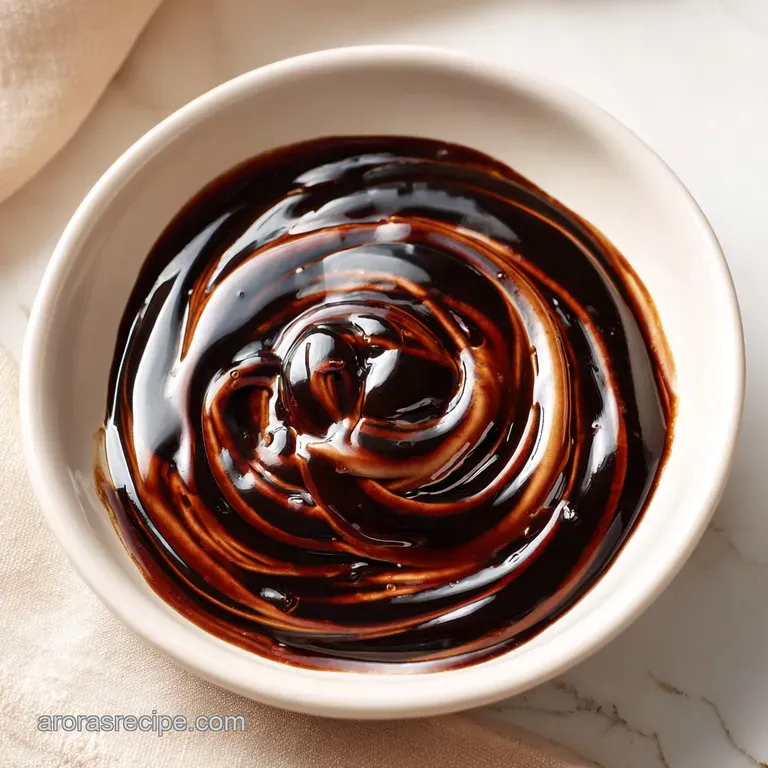
Let's crack on with the actual cooking. The key here is patience and watching for those visual cues.
- Pour the balsamic vinegar into the saucepan. Note: Use a wide pan to speed up the process.
- Set the heat to medium and bring the liquid to a gentle simmer. Wait until you see small bubbles breaking the surface.
- Simmer undisturbed for 10-15 minutes. Wait until the volume has reduced by half.
- Smells should transition from sharp vinegar to a deep, caramelized aroma.
- Perform the Spoon Test. Dip a metal spoon into the glaze and run your finger through the center. The line should hold cleanly without the glaze running back together.
- Remove from heat immediately. Note: It will continue to thicken as it cools.
- Whisk in the honey and salt if you're using them.
- Stir in the butter for a velvety finish. Whisk until the butter is fully incorporated and glossy.
Solving Common Glaze Issues
If you've ever tried to make a balsamic reduction and ended up with something that looks like syrup or tastes like burnt rubber, you're not alone. It's all about the temperature.
The Glaze is Too Thin
This usually happens if you pull the pan off the heat too early. The liquid looks thick while boiling, but turns watery once it hits the plate.
The Glaze Became Candy
If you simmer it too long, the sugars will crystallize. You'll end up with a tacky, sticky mess that's almost impossible to drizzle.
The Smell is Acrid
This is a sign of scorching. If the heat was too high, the sugars burned instead of caramelizing, giving the glaze a bitter, burnt taste.
| Problem | Root Cause | Solution |
|---|---|---|
| Watery consistency | Under reduced | Return to simmer for 2-3 more minutes |
| Sticky/Tacky | Over reduced | Whisk in 1 tsp of water or vinegar over low heat |
| Bitter taste | Scorched sugars | Start over; use medium low heat next time |
- ✓ Use a wide pan for faster evaporation.
- ✓ Never leave the stove; it goes from "perfect" to "burnt" in 60 seconds.
- ✓ Always use the spoon test, not a timer.
- ✓ Remove from heat while it's slightly thinner than you want.
Flavor Variations to Try
Once you know how to make a balsamic reduction, you can start playing with the flavor profile. I love adjusting the glaze based on what I'm serving.
Sweet and Tangy
For a balsamic reduction with honey, increase the honey to 2 tbsp. This is a killer pairing for goat cheese or fresh figs.
Savory Steak Glaze
To make a balsamic reduction for steak, add a pinch of cracked black pepper and a drop of Worcestershire sauce during the last 2 minutes of simmering.
The Maple Swap
Using maple syrup instead of honey gives it a woodsy, autumnal vibe. This is incredible over roasted Brussels sprouts.
The Bistro Finish
If you're serving this with a creamy blue cheese sauce, keep the glaze plain and acidic to cut through the richness of the cheese.
Storage and Leftover Tips
You can make a balsamic reduction in batches since it stays good for quite a while. Just pour it into a clean glass jar and keep it in the fridge.
- Fridge
- Stays velvety for up to 3 months.
- Freezer
- I don't recommend freezing it, as the emulsion can break.
- Reheating
- If it gets too thick in the fridge, microwave it for 10 seconds or dip the jar in warm water.
To avoid waste, use any leftover vinegar in the bottle to deglaze your pans after searing vegetables. It adds a hit of acidity that balances out the charred bits.
Plating and Complements
Since we're eating with our eyes first, the way you apply the glaze is everything. A messy blob ruins the look, but a clean line looks professional.
- Simple Level
- The Zig Zag. Use a spoon to drizzle the glaze back and forth across the plate. Quick, casual, and effective.
- Polished Level
- The Droplets. Use a squeeze bottle to place small, uniform dots of glaze around the edge of the dish.
- Restaurant Level
- The Swoosh. Place a large dot of glaze on the plate and use the back of a spoon to drag it in a curved motion.
| Plating Level | Technique | Visual Effect |
|---|---|---|
| Simple | Zig Zag Drizzle | Rustic, home style |
| Polished | Precision Dots | Modern, clean |
| Restaurant | The Spoon Swoosh | High end, artistic |
If you're wondering what to serve this with, it's a natural fit for a caprese salad or roasted root vegetables. But it also works surprisingly well as a glaze for plant based proteins like grilled tofu or roasted cauliflower.
Debunking Glaze Myths
Some people think you need to add cornstarch to thicken it. This is a total myth. The thickening comes from the evaporation of water and the concentration of natural sugars.
Another common belief is that all balsamic vinegars are the same. In reality, the difference between a cheap supermarket vinegar and one from Modena is like the difference between a sketch and a painting. One has depth, the other just has acidity.
Recipe FAQs
How do you make balsamic reduction?
Simmer balsamic vinegar over medium heat. Bring the liquid to a gentle simmer for 10 15 minutes until the volume reduces by half. Use the 'Spoon Test' to ensure the consistency is correct before removing from heat.
Is there a difference between balsamic glaze and balsamic reduction?
Yes, the ingredients differ. A reduction is created solely by simmering vinegar, while a glaze often contains added thickeners or sugars to achieve a syrupy texture.
Can diabetics use balsamic vinegar?
Yes, but in moderation. While it is a natural product, it does contain sugars that can affect blood glucose levels.
Is balsamic dressing good for GERD?
No, it usually isn't. The high acidity of the vinegar frequently triggers heartburn or reflux symptoms for those with GERD.
What should I do if the reduction gets too thick in the fridge?
Microwave it for 10 seconds. Alternatively, dip the glass storage jar in warm water to return the glaze to a velvety consistency.
Is it true that I must boil the vinegar violently to thicken it quickly?
No, this is a common misconception. A violent boil can scorch the sugars; instead, maintain a gentle simmer to achieve a deep, caramelized aroma.
How long can I store balsamic reduction in the refrigerator?
Up to 3 months. Keep it in a clean glass jar; this acidity pairs perfectly with savory dishes like a turkey gnocchi skillet.
Balsamic Reduction Glaze