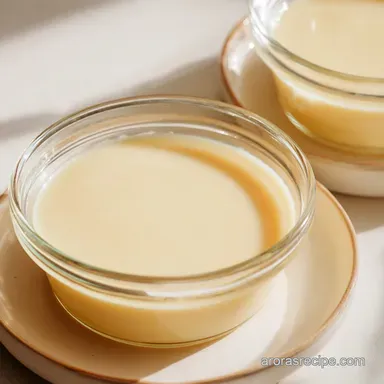
Old Fashioned Vanilla Pudding: Silky and Rich
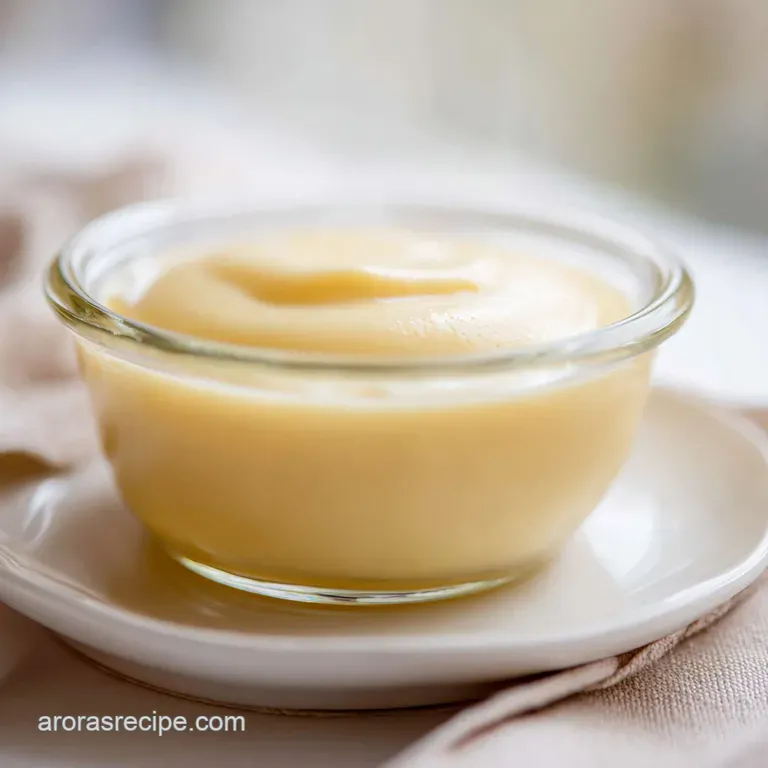
- Time: 5 min active + 12 min cooking + 4 hours chilling = Total 4 hours 17 mins
- Flavor/Texture Hook: Silky, glossy, and rich with a deep vanilla aroma
- Perfect for: Simple weeknight desserts or as a cake filling
- Easy Homemade Vanilla Pudding Recipe
- The Secret to Texture
- The Component Analysis
- Pantry Essentials
- The Kitchen Kit
- Step by Step Guide
- Solving Common Issues
- Troubleshooting Common Issues
- Customizing Your Bowl
- Adjusting Batch Size
- Pudding Myths
- Keep it Fresh
- Best Ways to Serve
- Recipe FAQs
- 📝 Recipe Card
The scent of warm vanilla and simmering milk always takes me back to my grandma's kitchen in the Midwest. She didn't use fancy tools, just a heavy pot and a steady hand. I remember watching her whisk the milk, the steam rising in little clouds, until the mixture turned from a thin liquid into something thick and luxurious.
For this vanilla pudding recipe, the real hero is the whole milk. I've tried using skim or even almond milk, but they just don't have the same body. Whole milk provides the fat needed to carry the vanilla flavor and gives the pudding that signature weight on the tongue.
Without it, you lose that hearty, comforting feel that makes a homemade dessert special.
You can expect a treat that is incredibly smooth, with no grainy cornstarch residue. It is a straightforward process, but there are a few critical moments where you have to pay attention to the heat. Once you get those down, you'll have a go to dessert that beats any boxed version.
Easy Homemade Vanilla Pudding Recipe
The beauty of a homemade vanilla pudding recipe is that it doesn't require any complex equipment. You just need a saucepan and a whisk. I've found that the key to a stress free experience is having everything measured out before you even turn on the stove.
In my house, we like this pudding thick enough to hold its shape but silky enough to melt the moment it hits your tongue. It's the kind of dessert that feels indulgent but doesn't take hours of effort. Trust me, once you taste the difference a few real egg yolks make, you'll never go back to the instant packets.
Right then, let's look at what actually happens inside the pot to make this work.
The Secret to Texture
Since we aren't using a store-bought stabilizer, we rely on two main things: cornstarch and egg yolks. Here is the breakdown of why this works:
- Starch Swelling: Cornstarch granules absorb the milk and swell up when heated, creating a thick network that holds the liquid in place.
- Fat Emulsion: The egg yolks and butter blend with the milk to create a smooth, velvety feel that prevents the pudding from tasting like a bland paste.
- Temperature Control: Heating the milk slowly ensures the starch doesn't clump, which is why constant whisking is a must.
- The Tempering Trick: Slowly adding hot liquid to the eggs prevents them from scrambling, which keeps the texture glossy.
| Method | Time | Texture | Best For |
|---|---|---|---|
| Stovetop | 12 mins | Silky & Glossy | Quick cravings |
| Oven Baked | 1 hour | Set & Custard like | Dinner parties |
If you're looking for something with a similar creamy vibe but a totally different structure, you might like a Sweet Noodle Pudding, which adds a bit of crunch and chew to the mix.
The Component Analysis
Understanding your ingredients helps you avoid mistakes. For a vanilla pudding recipe, a few small changes can drastically alter the result.
| Ingredient | Science Role | Pro Secret |
|---|---|---|
| Whole Milk | Base & Body | Use room temp milk to prevent clumping |
| Cornstarch | Thickening Agent | Whisk it with sugar first to break up lumps |
| Egg Yolks | Richness & Color | Ensure they are room temperature for better blending |
| Unsalted Butter | Gloss & Mouthfeel | Add at the very end for a professional shine |
Pantry Essentials
Keep it simple. Don't bother with low-fat alternatives here, as they'll make the pudding feel thin and watery.
- 1/2 cup (100g) granulated sugar Why this? Provides sweetness and helps stabilize the cornstarch
- 3 tbsp (24g) cornstarch Why this? The primary thickener for a sturdy set
- 1/4 tsp (1.5g) fine sea salt Why this? Balances the sugar and enhances vanilla
- 2 cups (480ml) whole milk Why this? Essential for a creamy, hearty texture
- 3 large (50g) egg yolks, room temperature Why this? Adds richness and a golden hue
- 2 tbsp (28g) unsalted butter, chilled and cubed Why this? Creates a velvety finish
- 2 tsp (10ml) pure vanilla extract Why this? The signature flavor profile
| Original Ingredient | Substitute | Why It Works |
|---|---|---|
| Whole Milk (2 cups) | Heavy Cream (1 cup) + Milk (1 cup) | Even richer fat content. Note: Makes it more like a pot de creme |
| Cornstarch (3 tbsp) | Arrowroot Powder (3 tbsp) | Similar thickening power. Note: Result is slightly more translucent |
| Pure Vanilla Extract | Vanilla Bean Paste (2 tsp) | Intense flavor with seeds. Note: More expensive but looks more artisanal |
I usually keep a bit of extra cornstarch on hand because it's so versatile. If you're curious about how different starches behave, Serious Eats has some great deep dives on thickening agents.
The Kitchen Kit
You don't need a fancy setup. A medium saucepan with a heavy bottom is best so the milk doesn't scorch. A sturdy whisk is your best friend here, as you'll be using it for almost every step.
I also recommend a fine mesh sieve. Even if you think your pudding is smooth, straining it removes any tiny bits of cooked egg, ensuring that velvety finish. Finally, have some plastic wrap ready to go for the cooling process.
Step by step Guide
Let's crack on. Follow these steps closely, and you'll have a perfect vanilla pudding recipe every time.
- Whisk the sugar, cornstarch, and salt together in a saucepan. Gradually whisk in the whole milk until the mixture is smooth and no clumps of starch remain.
- Place the saucepan over medium heat. Stir constantly with a whisk, scraping the bottom corners, until the mixture reaches a gentle simmer and begins to thicken to a coating consistency (about 5-7 mins).
- While the milk is heating, whisk the egg yolks in a separate bowl.
- Slowly pour about 1/2 cup (120ml) of the hot milk mixture into the yolks, whisking vigorously to temper the eggs. Note: This prevents the eggs from scrambling when they hit the pot.
- Pour the tempered egg mixture back into the saucepan.
- Continue to cook over medium low heat for 2-3 mins, stirring constantly, until the pudding is thick enough to leave a clear path when running a spoon through it.
- Remove from heat and stir in the butter and vanilla until the mixture is glossy and velvety.
- Strain the pudding through a fine mesh sieve into a bowl.
- Press plastic wrap directly onto the surface of the pudding to prevent a skin from forming.
- Refrigerate for 4 hours until chilled.
Chef's Note: If you're in a rush, you can place the bowl of pudding in an ice bath for 20 minutes, but for the best set, the fridge is the way to go.
Solving Common Issues
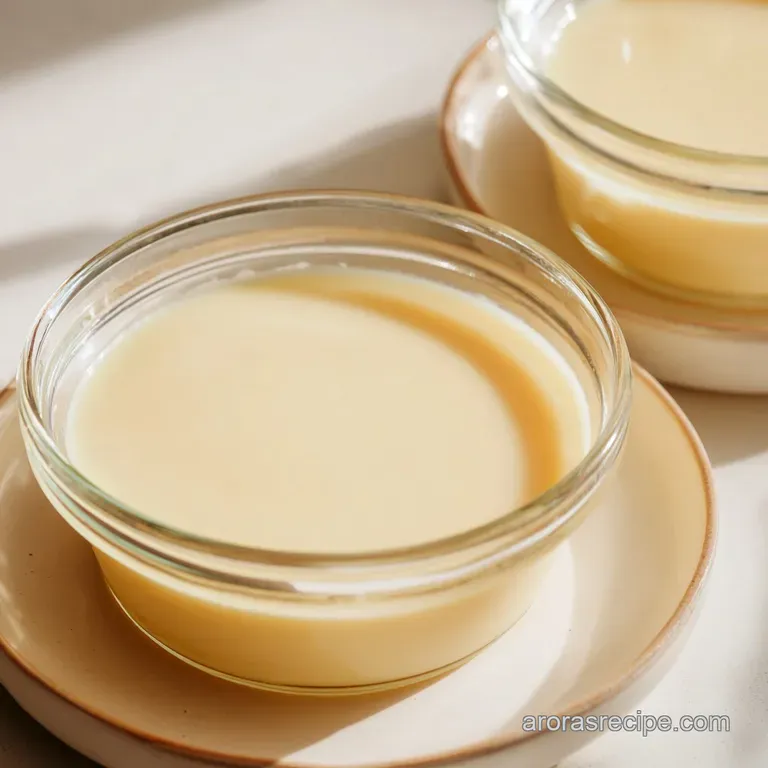
Pudding can be finicky if the heat is too high or the stirring is too lazy. Most problems are easy to fix if you catch them early.
Troubleshooting Common Issues
| Issue | Solution |
|---|---|
| Why Your Pudding Is Lumpy | Lumps usually happen if the cornstarch wasn't fully dissolved before heating or if the eggs weren't tempered. If you see lumps, don't panic. Just run the finished hot pudding through a sieve, and it'l |
| Why Your Pudding Curdled | Curdling happens when the egg mixture is cooked too fast or at too high a temperature. If it looks grainy, you can try whisking it vigorously or using an immersion blender for a few seconds to bring t |
| Why Your Pudding Has a Skin | That rubbery layer on top happens when air hits the surface as it cools. The only way to stop this is by pressing plastic wrap directly onto the liquid. |
Common Mistakes Checklist
- ✓ Did you whisk the sugar and cornstarch first?
- ✓ Did you temper the eggs slowly?
- ✓ Did you scrape the corners of the pan?
- ✓ Is the plastic wrap touching the pudding?
- ✓ Did you strain the final product?
Customizing Your Bowl
If you want to change things up, this vanilla pudding recipe is a great base. For a chocolate version, just whisk in 1/4 cup of cocoa powder with the sugar. For a coconut twist, swap half the milk for full fat coconut milk.
If you prefer a more rustic, oven baked style, you can try a Slow Baked Indian Pudding, which uses molasses and cornmeal for a deeper flavor.
Decision Shortcut:
- If you want a cake filling: Cook it for an extra 2 mins to make it stiffer.
- If you want a light mousse: Fold in whipped cream after the pudding has chilled.
- If you want a breakfast treat: Layer it with fresh berries and granola.
Adjusting Batch Size
When you need more or less than 6 servings, you can't always just double the numbers.
Scaling Down (Half Batch): Use a smaller saucepan to prevent the milk from evaporating too quickly. Reduce the cooking time by about 20% and be extra careful with the tempering, as smaller amounts of liquid heat up much faster.
Scaling Up (Double Batch): Don't double the salt or vanilla exactly - go for 1.5x first and taste. You'll need a much larger pot to allow for the bubbles to rise without boiling over. Work in batches if your pot is small to ensure you can stir every single corner.
| Batch Size | Pan Size | Temp Adjustment | Time Change |
|---|---|---|---|
| Single | Medium | Medium | Standard |
| Double | Large | Lower Heat | +5-10 mins |
| Half | Small | Medium Low | -2 mins |
Pudding Myths
Myth: You must use a double boiler. Truth: While a double boiler is safe, a heavy bottomed pot on medium heat works just fine as long as you keep the whisk moving. It's much faster and less stressful.
Myth: Instant pudding is the same as homemade. Truth: Instant versions use modified starches and artificial flavors. A real vanilla pudding recipe uses egg yolks and real vanilla, giving it a depth and creaminess that powder can't touch.
Keep it Fresh
Store your pudding in an airtight container or individual jars in the fridge. It stays fresh for about 3 to 4 days. If you see any liquid separating on top, just give it a quick whisk before serving to bring back that velvety texture.
Freezing Guidelines: I don't recommend freezing this pudding. The cornstarch and egg emulsion often break during the freezing and thawing process, leaving you with a grainy, separated mess. It's better to make a fresh batch.
Zero Waste Tip: Don't throw away those leftover egg whites! You can use them to make a batch of meringues or a light omelet for breakfast the next morning.
Best Ways to Serve
For a simple treat, serve the pudding in a glass bowl with a few fresh raspberries on top. If you want to be a bit more fancy, layer the pudding with crushed vanilla wafers or sliced bananas to create a homemade trifle.
If you're using this as a cake filling, make sure it's completely chilled. Spread it between layers of sponge cake for a rich, creamy center. Because this recipe is so stable, it won't soak into the cake or make it soggy, as long as you've cooked it to the right thickness.
Recipe FAQs
How to make your own vanilla pudding?
Whisk sugar, cornstarch, and salt into whole milk. Heat the mixture until simmering, temper in egg yolks, cook until thick, and stir in butter and vanilla before chilling.
Is vanilla custard the same as vanilla pudding?
No, they differ in thickening agents. Pudding uses cornstarch for a denser, more stable set, whereas traditional custard relies primarily on egg proteins.
What is the easiest pudding to make?
Cornstarch based stovetop puddings are the simplest. They thicken quickly and predictably without the need for an oven or water baths.
Why did my pudding develop a skin on top?
Air exposure dries out the surface layer. Press plastic wrap directly onto the surface of the pudding to seal it before refrigerating.
How to fix lumpy pudding?
Strain the finished pudding through a fine mesh sieve. This instantly removes cornstarch clumps or curdled egg bits for a velvety texture.
Is it true that pudding will always curdle if cooked over medium heat?
No, this is a common misconception. Medium heat is effective as long as you stir constantly and properly temper the egg yolks before adding them to the pot.
Can I substitute the whole milk with other liquids?
Yes, most dairy or nut milks work well. If you enjoy rich, creamy textures, you might also like our creamy fudge.
Homemade Vanilla Pudding