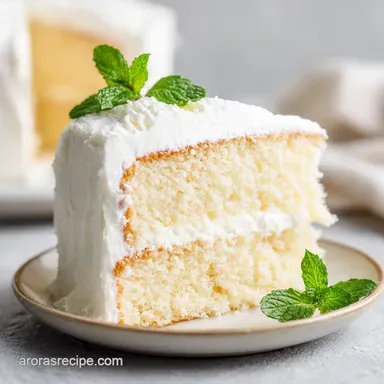
Best Moist White Cake Recipe from Scratch
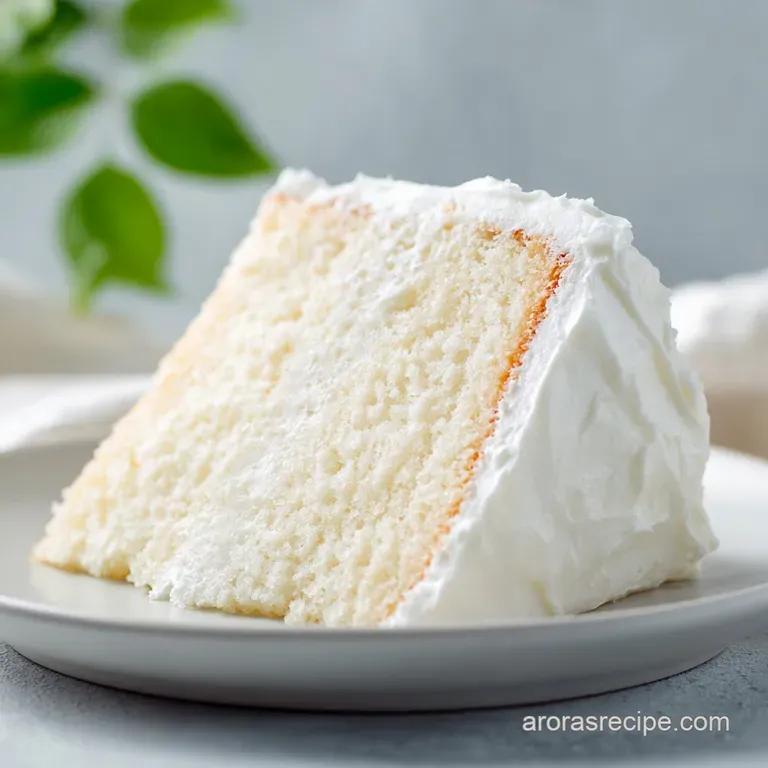
- Time:20 minutes active + 30 minutes baking = Total 50 minutes
- Flavor/Texture Hook: Cloud like, velvety crumb with a tangy vanilla finish
- Perfect for: Birthday parties, Sunday dinners, or beginner bakers needing a win
Homemade white cake recipe
The smell of vanilla and warm sugar hitting the air is my absolute favorite part of a Saturday morning. I remember trying to make a fancy white cake for my cousin's graduation years ago, but I spent way too much on heavy creams and mascarpone, and the result was actually too heavy.
It didn't have that light, airy feel you want in a celebratory cake. I wanted something that felt like eating a cloud, but my wallet was feeling the pinch after buying all those specialty dairy products.
That's when I started playing with Greek yogurt. I figured the acidity would tenderize the flour, and since it's thicker than milk, it would provide that rich mouthfeel without the price tag of gourmet creams. The first time it worked, I actually did a little dance in my kitchen.
It turned out to be the most reliable homemade white cake recipe I've ever used, combining that classic Midwestern heartiness with a texture that feels way more expensive than it actually is.
You can expect a cake that is strikingly white, incredibly soft, and holds up perfectly under a thick layer of frosting. We aren't doing anything overly complicated here, just using a few smart swaps to make sure every bite is velvety.
Whether you're making this for a big birthday or just because it's Tuesday, this approach keeps things stress free and Budget friendly.
Secrets of the Texture
I used to think that making a light cake was just about luck, but it's actually about a few simple interactions. Here is what is actually happening inside your oven to make this work.
The Yogurt Effect: The lactic acid in Greek yogurt breaks down long gluten strands in the flour. This ensures the cake stays tender and doesn't get tough or bready.
Egg White Lift: By whipping only the whites into stiff peaks, we trap millions of tiny air bubbles. These bubbles expand in the heat, giving the cake its signature height and fluffy structure.
Cake Flour Low Protein: Using cake flour instead of all purpose means less gluten development. This is the difference between a fluffy sponge and a dense muffin.
Acid Base Balance: The lemon juice and yogurt react with the baking powder. This creates an immediate lift, helping the cake rise quickly before the structure sets.
According to King Arthur Baking, the lower protein content in cake flour is exactly what allows for that fine, tight crumb we're after. It's a small change that makes a massive difference in how the cake feels on your tongue.
| Method | Time | Texture | Best For |
|---|---|---|---|
| Fast Mixer | 20 mins | Slightly Denser | Quick Weeknight Treats |
| Classic Fold | 30 mins | Cloud like/Airy | Birthdays & Special Events |
Right then, the classic fold method is what we're using here. It takes a few extra minutes to whip those egg whites, but the difference in texture is worth every second. You get a cake that's light enough to float but sturdy enough to stack.
Component Analysis
Understanding why we use these specific ingredients helps when you need to make a swap on the fly. Here is the breakdown of the heavy hitters in this homemade white cake recipe.
| Ingredient | Science Role | Pro Secret |
|---|---|---|
| Cake Flour | Structure | Sift it twice for maximum air |
| Greek Yogurt | Moisture/Tenderness | Use full fat for a silkier crumb |
| Egg Whites | Aeration | Must be room temp to reach full volume |
| Cane Sugar | Sweetness/Tenderizing | Creaming it with butter creates air pockets |
You might wonder why we skip the yolks. Egg yolks contain fat, which is great for flavor but can add a yellow tint and a denser crumb. By sticking to whites, we keep the color snowy white and the texture light. If you're curious about the nutrition of our moisture maker, the USDA FoodData shows that Greek yogurt provides a great balance of protein and acidity that helps with the cake's stability.
Gathering Your Essentials
I'm all about keeping things budget smart. You don't need a professional pantry to make this work. I've listed the essentials and some swaps that won't ruin your day.
For the Cake Batter
- 2 ¼ cups (280g) cake flour, sifted Why this? Low protein for a tender, velvety crumb
- 1 ½ cups (300g) granulated cane sugar Why this? Standard sweetness and helps aeration
- 1 tbsp (12g) baking powder Why this? Provides the primary lift
- ½ tsp (3g) fine sea salt Why this? Balances the sugar
- ¾ cup (170g) unsalted butter, softened Why this? Adds richness and flavor
- 4 large (120g) egg whites, room temperature Why this? Creates the airy structure
- 1 cup (240ml) plain non fat Greek yogurt Why this? Budget friendly moisture and tang
- 2 tsp (10ml) pure vanilla extract Why this? Essential classic flavor
- 1 tbsp (15ml) lemon juice Why this? Activates the baking powder
For the Light Vanilla Frosting
- 1 cup (225g) unsalted butter, softened
- 3 cups (360g) powdered sugar, sifted
- 3 tbsp (45ml) heavy cream
- 1 tsp (5ml) vanilla bean paste
- 1g salt
| Original Ingredient | Substitute | Why It Works |
|---|---|---|
| Cake Flour | AP Flour + Cornstarch | 1 cup AP + 2 tbsp cornstarch (remove 2 tbsp flour). Note: Slightly less tender |
| Greek Yogurt | Sour Cream | Very similar acidity and thickness. Note: Slightly richer taste |
| Vanilla Bean Paste | Vanilla Extract | Same flavor profile. Note: No black vanilla specks |
| Heavy Cream | Whole Milk | Provides liquid for frosting. Note: Frosting will be slightly less stable |
Trust me on this, don't bother with low-fat butter for the frosting. You'll lose that velvety finish and the frosting might separate. Stick to the full fat stuff for a result that actually tastes like a bakery cake.
Equipment Needed
You don't need a fancy kitchen to pull this off, but a few tools make it much more stress free. If you have a stand mixer such as a KitchenAid, use it, but a hand mixer works just as well.
- Two 8 inch cake pans: Essential for an even bake.
- Parchment paper: This is non negotiable if you don't want your cake sticking to the pan.
- Large mixing bowls: You'll need at least two - one for the batter and one for the egg whites.
- Rubber spatula: For that gentle folding motion that preserves the air.
- Fine mesh sieve: For sifting the flour and powdered sugar to avoid lumps.
- Electric mixer: To get that butter and sugar truly fluffy.
Chef's Note: If you don't have parchment paper, grease your pans with butter and then dust them with flour, tapping out the excess. It's an old school trick that usually works, but parchment is the only way to be 100% sure.
Step-by-step Instructions
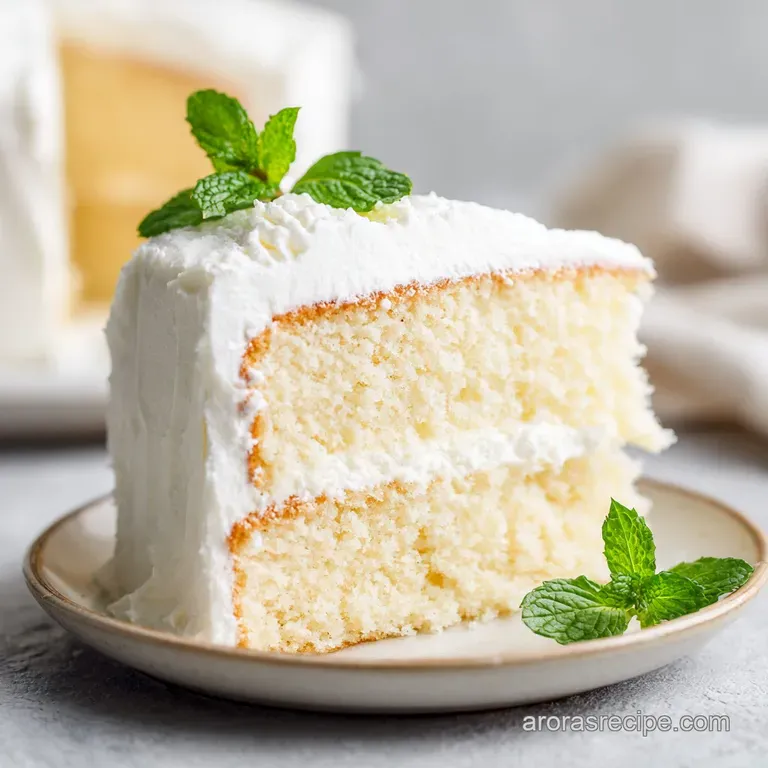
Let's crack on. Follow these steps closely, and pay attention to the cues. The "look" of the batter is just as important as the measurements.
1. Preparing the Foundation
Preheat your oven to 350°F (175°C). Grease two 8 inch cake pans with butter and line the bottoms with parchment paper. Dust the sides with flour and tap out the excess. This ensures the cake slides out without breaking.
2. Creaming the Base
In a large bowl, beat the softened butter and cane sugar on medium high speed. Do this for about 3-4 minutes until the mixture looks pale and fluffy. Stir in the vanilla extract and lemon juice. This stage is where you build the air pockets that make the cake light.
3. Incorporating the Dry and Tangy Elements
Slowly add the sifted cake flour, baking powder, and salt, alternating with the Greek yogurt. Start and end with the flour, mixing on low speed just until the white streaks of flour disappear. Do not overmix, or you'll activate too much gluten and the cake will be tough.
4. Aerating the Egg Whites
In a separate clean bowl, whip the egg whites on high speed. Keep going until stiff peaks form - meaning when you lift the whisk, the peak stands straight up without drooping.
5. Combining the Batter
Gently fold the whipped whites into the main batter using a rubber spatula. Use a cut and fold motion, scraping the bottom and folding it over the top. Do this until no large white clumps remain, but be careful not to deflate the air.
6. Baking to Perfection
Divide the batter evenly between the two pans. Bake for 30 minutes until a toothpick inserted into the center comes out clean and the edges just begin to pull away from the sides of the pan.
7. Cooling Period
Let the cakes cool in the pans for 10 minutes, then turn them out onto a wire rack. Cool completely before frosting. If the cake is even slightly warm, your butter frosting will melt into a puddle.
8. Finishing the Frosting
Beat the butter until smooth. Gradually add powdered sugar, heavy cream, vanilla bean paste, and salt. Beat on medium speed until the frosting is velvety and holds a peak.
Fixing Common Cake Issues
Even the best of us have cakes that don't behave. Most of the time, it's a simple fix or a lesson for next time. Here is how to handle the most common hiccups with this homemade white cake recipe.
Fixing Sunken Centers
If your cake rises and then collapses in the middle, it's usually because the oven door was opened too early or the baking powder was old. The rush of cold air causes the air bubbles to shrink before the cake structure is set.
Preventing a Grainy Texture
Grainy frosting usually happens when the butter is too cold or the powdered sugar wasn't sifted. Ensure your butter is truly softened (not melted) and always use a sieve for your sugar.
Handling Overmixing
If your cake comes out with large holes (tunnels) inside or feels rubbery, you likely mixed the flour in too long. Next time, stop the mixer the second the flour is incorporated.
| Problem | Root Cause | Solution |
|---|---|---|
| Cake is too dense | Under whipped egg whites | Beat whites until they form stiff peaks |
| Frosting is runny | Too much cream or warm butter | Add more powdered sugar or chill butter 10 mins |
| Cake edges burnt | Oven temp too high | Check oven calibration or use bake even strips |
Common Mistakes Checklist:
- ✓ Did you sift the cake flour? (Prevents lumps)
- ✓ Are the egg whites room temperature? (Ensures maximum volume)
- ✓ Did you avoid overmixing the flour? (Prevents toughness)
- ✓ Is the cake completely cool before frosting? (Prevents melting)
- ✓ Did you use a clean bowl for the whites? (Any grease prevents peaking)
Mix It Up
One of the best things about this homemade white cake recipe is how well it takes other flavors. Once you have the base down, you can get creative without changing the chemistry.
The Zesty Twist: Add the zest of one whole lemon to the sugar during the creaming process. This gives it a bright, citrusy punch that cuts through the sweetness of the frosting.
Almond Infusion: Replace one teaspoon of vanilla extract with almond extract. This creates a flavor profile similar to a wedding cake - elegant and slightly nutty.
Adding a Filling: If you want to take this to the next level, spread a layer of Lemon Curd recipe between the two cake layers before frosting. The tartness of the curd against the velvety vanilla is a match made in heaven.
Berry Fusion: For a more rustic feel, fold in a handful of fresh raspberries. Just toss them in a tiny bit of flour first so they don't sink to the bottom of the pan.
Adjusting the Batch Size
Sometimes you don't need a full 3 layer cake. Whether you're baking for two or feeding a whole neighborhood, here is how to scale this homemade white cake recipe.
Scaling Down (Half Batch): Use one 8 inch pan and reduce the baking time by about 20%. For the eggs, beat one egg white and use exactly half of it by weight or volume. Keep the temperature at 350°F.
Scaling Up (Double Batch): Work in batches if your mixer isn't huge. Only increase the salt and baking powder to 1.5x rather than 2x to avoid a metallic taste or an over rise that collapses. Reduce the total liquids (yogurt and cream) by about 10% to maintain the structure.
Baking Larger Pans: If you move to a 9x13 sheet pan, lower the oven temperature to 325°F (160°C) and extend the baking time. This prevents the edges from drying out before the center is cooked through.
| Batch Size | Pan Adjustment | Temp Change | Time Change |
|---|---|---|---|
| Half (1/2) | One 8" pan | None | -20% time |
| Double (2x) | Two 9" pans | -25°F (for depth) | +10-15 mins |
| Sheet Cake | 9x13" pan | -25°F | +10 mins |
Remember, when scaling up, the most important thing is not to overcrowd your mixer. If the batter doesn't have room to move, you won't get that velvety aeration we're aiming for.
Cake Baking Myths
There are a lot of "rules" in baking that are actually just myths. Let's clear a few up so you can bake with confidence.
Myth: You must use a professional stand mixer for a white cake. Truth: A hand mixer is perfectly fine. The key is the technique - creaming the butter and whipping the whites - not the brand of the machine.
Myth: Room temperature eggs are just a suggestion. Truth: This is actually critical. Cold egg whites have tighter protein bonds and won't trap as much air, meaning your cake won't rise as high.
Myth: All purpose flour is the same as cake flour. Truth: AP flour has more protein, which creates more gluten. While you can make a substitute, using actual cake flour gives you that specific velvety texture that you can't quite replicate with AP.
Storage and Leftover Tips
A homemade white cake recipe this moist stays fresh longer than most, but you still want to store it right.
Fridge Storage: Store the frosted cake in an airtight container for up to 5 days. Because of the butter in the frosting, it'll stay fresh, but the cake can dry out.
To fix this, let a slice sit at room temperature for 20 minutes before eating - the butter will soften, and the texture will return to velvety.
Freezing: You can freeze the cake layers without frosting for up to 3 months. Wrap them tightly in plastic wrap and then a layer of foil. Thaw in the fridge overnight before frosting. This is actually a pro secret - frozen layers are easier to level with a knife.
- Zero Waste Tips
- - Cake Scraps
- When you level the tops of your cakes, don't toss the scraps! Crumble them up and mix with a bit of frosting to make cake pops.
- - Yogurt Containers
- Those plastic Greek yogurt tubs are perfect for storing leftover frosting or keeping your cake scraps in the freezer.
- - Butter Wrappers
- Use the greasy butter wrappers to grease your pans if you've run out of butter for the pans themselves.
If you find yourself with too many desserts, remember that a cake has a different profile than something like a Blackberry Cobbler, which is more about the fruit. While the cobbler is great warm, this cake is a slow burn treat that's better enjoyed in small slices over a week.
Presentation Tips
You've done the hard work, now make it look like it came from a boutique bakery. The beauty of this homemade white cake recipe is its simplicity.
The Crumb Coat: Apply a very thin layer of frosting over the entire cake first and refrigerate it for 20 minutes. This "locks in" the crumbs so your final layer of frosting is smooth and clean.
The Velvet Finish: For that professional look, use a bench scraper or a wide offset spatula. Dip the tool in hot water, wipe it dry, and glide it around the sides of the chilled crumb coat. It creates a flawless, velvety surface.
Simple Decorations: Since the cake is white, a few fresh berries or a sprinkle of powdered sugar on top looks stunning. You don't need fancy piping skills - a few strategically placed raspberries and a mint leaf make it look high end.
Slicing Like a Pro: To get those clean, bakery style slices, use a long serrated knife. Dip the knife in hot water and wipe it clean between every single cut. This prevents the frosting from dragging across the cake layers.
Recipe FAQs
What is the difference between a vanilla cake and a white cake?
White cake excludes egg yolks. Using only egg whites maintains a stark white color, while vanilla cakes typically use whole eggs for a golden crumb.
Which cake is best for diabetics?
Neither traditional option is ideal. The high cane sugar and powdered sugar content in this recipe can cause significant blood glucose spikes.
What's the secret to a fluffy white cake?
Whip egg whites to stiff peaks. Folding these whites into the batter using a cut-and-fold motion incorporates essential air for a light texture.
How to bake a simple white cake?
Preheat oven to 350°F and grease two 8 inch pans. Beat butter and sugar, mix in flour and Greek yogurt, fold in egg whites, and bake for 30 minutes.
Is it true that you can use all-purpose flour instead of cake flour?
No, this is a common misconception. Cake flour has a lower protein content, which is required to achieve a tender, fine crumb texture.
How to store a frosted white cake to keep it moist?
Store in an airtight container in the fridge for up to 5 days. Let slices sit at room temperature for 20 minutes before eating to restore the butter's velvety texture.
What other desserts pair well with this cake?
Fresh berries provide a tart contrast. If you want a faster dessert option, try these peanut butter cookies.
Homemade White Cake Recipe: Velvety