Sweet and Moist Honey Cornbread
- Time: Active 10 minutes, Passive 20 minutes, Total 30 minutes
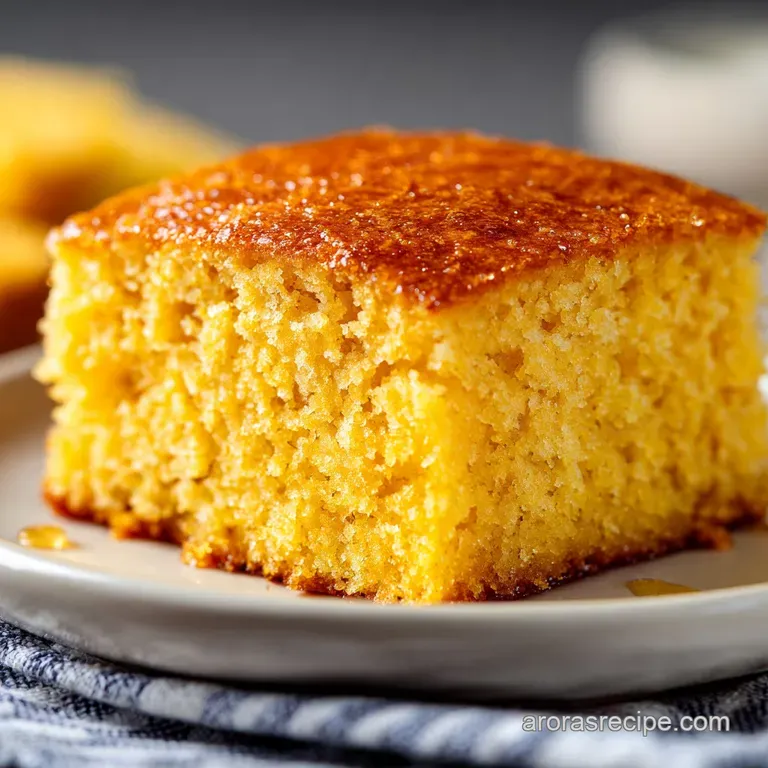
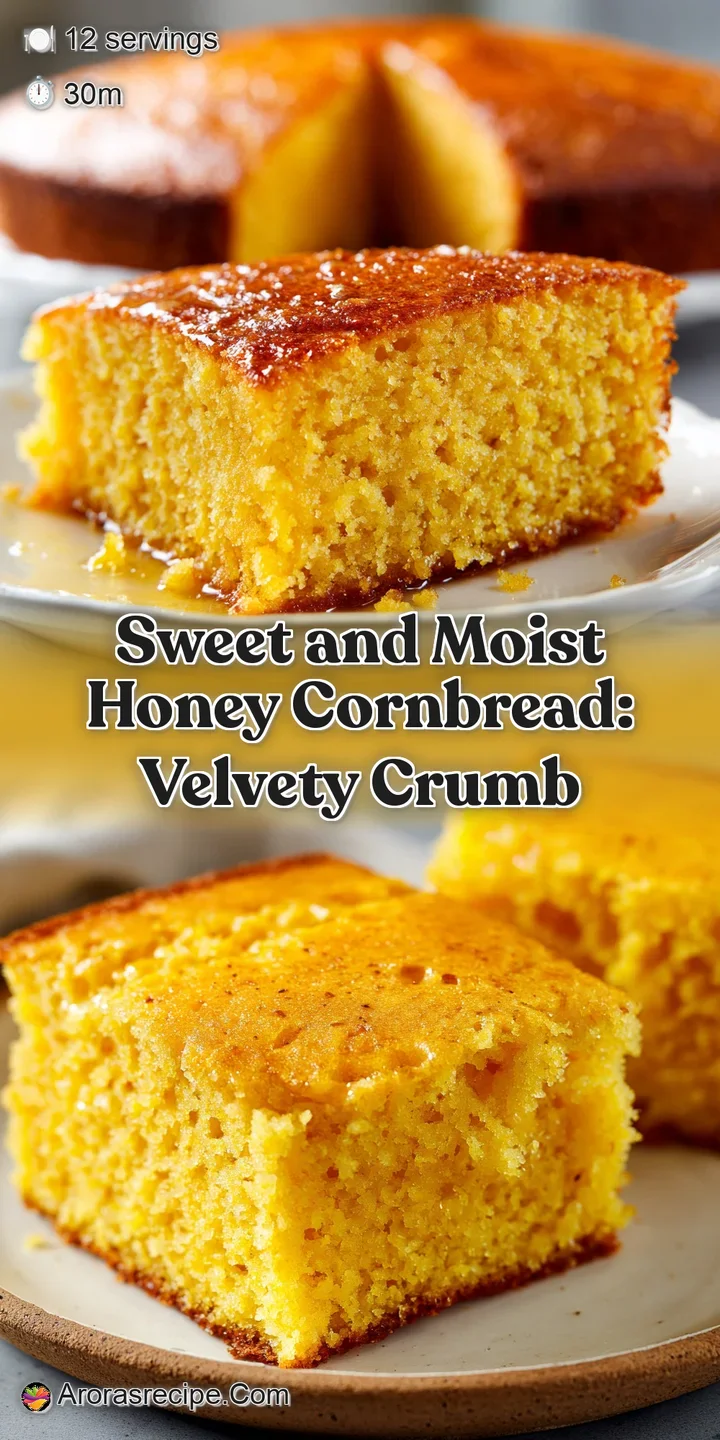
- Flavor/Texture Hook: Velvety, honey forward crumb with a shimmering butter glaze
- Perfect for: Sunday family dinners, holiday sides, or a comforting weeknight treat
- Essential Specs for Baking Success
- The Science of a Tender Crumb
- Tools for the Golden Crust
- Master the Mixing and Baking
- Fixes for Common Texture Issues
- Scaling the Recipe
- Clever Swaps and Flavor Twists
- Keeping Your Cornbread Moist
- Debunking Cornbread Myths
- Creative Ways to Serve Bread
- Recipe FAQs
- 📝 Recipe Card
Essential Specs for Baking Success
Before you even crack an egg, you need a game plan. Baking is as much about timing as it is about ingredients. If your oven isn't at the right temperature when that leavening hits the moisture, you lose the lift. I always tell my friends to treat the preheating phase as the most important step of the entire process.
A cold oven is the enemy of a golden crust.
In my kitchen, I follow a strict 3 step timeline. First, I get the oven and the pan hot. Second, I whisk the dry and wet ingredients separately to ensure no clumps remain. Finally, I combine them at the very last second before sliding the pan into the heat.
This preserves the bubbles created by the baking powder and soda, ensuring a lift that keeps the bread light instead of leaden.
Fast vs Classic Comparison
| Feature | Fast Method (Box Mix) | Classic Honey Recipe | Result Difference |
|---|---|---|---|
| Fat Source | Vegetable Oil | Melted Unsalted Butter | Butter adds a nutty, rich depth |
| Moisture | Water or Milk | Greek Yogurt + Honey | Yogurt creates a much denser, velvety crumb |
| Sweetener | White Sugar | Clover Honey + Brown Sugar | Honey stays moist longer; sugar dries out |
The Science of a Tender Crumb
The Humectant Factor: Honey is hygroscopic, meaning it attracts and holds onto water molecules much better than granulated sugar does. This physical property ensures the bread stays soft for days rather than turning into a dry biscuit by the next morning.
Acidic Activation: The lactic acid in Greek yogurt reacts immediately with the baking soda. This creates tiny carbon dioxide pockets that expand in the oven, providing a tenderizing lift that counteracts the natural weight of the yellow cornmeal.
Gluten Control: Using a mix of cornmeal and all purpose flour provides structure without the chewiness of bread. Since cornmeal has no gluten, it naturally interrupts the flour's protein strands, resulting in a crumb that yields easily to a fork.
Component Analysis
| Ingredient | Science Role | Pro Secret |
|---|---|---|
| Clover Honey | Humectant | Use room temperature honey so it incorporates without clumping |
| Greek Yogurt | Acidic Tenderizer | Full fat yogurt provides the most luxurious mouthfeel |
| Yellow Cornmeal | Structural Base | Look for "stone ground" for a more interesting, rustic texture |
| Baking Powder | Primary Leavening | Check expiration; old powder leads to a flat, heavy loaf |
You might notice that the texture of this bread reminds you of my Cornbread Cookie Recipe, which uses similar ratios to achieve that soft, chewy center. The logic is the same: fat plus honey equals moisture.
Tools for the Golden Crust
You don't need a professional bakery setup to make a world class sweet and moist honey cornbread, but a few specific items make a massive difference. First, a heavy bottomed pan is non negotiable.
I prefer a 9 inch cast iron skillet because it holds heat like a champion, but a standard 8x8 square baking dish works just fine if you want those clean, uniform cubes.
A whisk is your best friend here. You want to aerate the flour and cornmeal before the wet ingredients hit. If you have a kitchen scale, use it for the cornmeal and flour. Volume measurements can be tricky with dry goods - a "cup" of flour can vary by 20% depending on how tightly it's packed.
Weighing ensures your bread is consistent every single time you bake it.
Chef Tip: Freeze your butter for 10 minutes before melting it. It sounds counter intuitive, but cold tempered butter that is then quickly melted actually retains a different moisture profile that helps with the final emulsion of the batter.
Master the Mixing and Baking
Let's get down to the actual work. To make this sweet and moist honey cornbread, follow the quantities provided in the official data. We are looking for a batter that is thick but pourable, resembling a heavy pancake mix.
Preparing the Dry Base
Start by whisking together the 1.25 cups of yellow cornmeal, 1 cup of all purpose flour, baking powder, baking soda, and sea salt. I like to do this for a full minute. You aren't just mixing; you are breaking up any clumps of flour that might create a dry pocket later. This is the foundation of your structure.
Mixing the Moist Center
In a separate bowl, combine the 0.5 cup of clover honey, 2 tablespoons of light brown sugar, 1 cup of Greek yogurt, and 2 large eggs. Once these are smooth, slowly stream in the 0.5 cup of melted unsalted butter. It is vital that the butter isn't boiling hot, or you will scramble the eggs.
Aim for about 110°F - warm to the touch but not stinging.
Mixing Without Overworking
Make a well in the center of your dry ingredients and pour the wet mixture in. Use a spatula to fold the ingredients together. Stop the second you see no more dry flour streaks. Over mixing develops gluten, which is the enemy of a tender cornbread.
If you mix too much, you’ll end up with a rubbery texture instead of a velvety one.
Checking for Doneness
Pour the batter into your prepared pan. Bake for 20 minutes at 350°F (180°C). Around the 18 minute mark, start looking for the signs. The edges should be pull away golden, and the center should be set.
If you poke it with a toothpick, it should come out with a few moist crumbs, not a wet coating.
Applying the Final Glaze
While the bread is still hot, melt the remaining 2 tablespoons of salted butter and whisk in 1 tablespoon of honey and a pinch of flaky sea salt. Brush this liberally over the top. The salt in the glaze is the secret - it cuts through the sweetness and makes the honey flavor pop.
| Original Ingredient | Substitute | Why It Works |
|---|---|---|
| Greek Yogurt | Sour Cream | Similar acidity and fat content. Note: Sour cream adds a slightly richer, tangier finish |
| Clover Honey | Pure Maple Syrup | Distinct floral notes. Note: Syrup is thinner, so reduce yogurt by 1 tablespoon |
| Unsalted Butter | Coconut Oil | Same fat ratio. Note: Adds a subtle tropical flavor; best for dairy-free versions |
If you find yourself with leftovers, this bread makes a fantastic base for a Southern Cornbread Dressing Recipe during the holidays. The honey notes add a surprising depth to savory sage and onion.
Fixes for Common Texture Issues
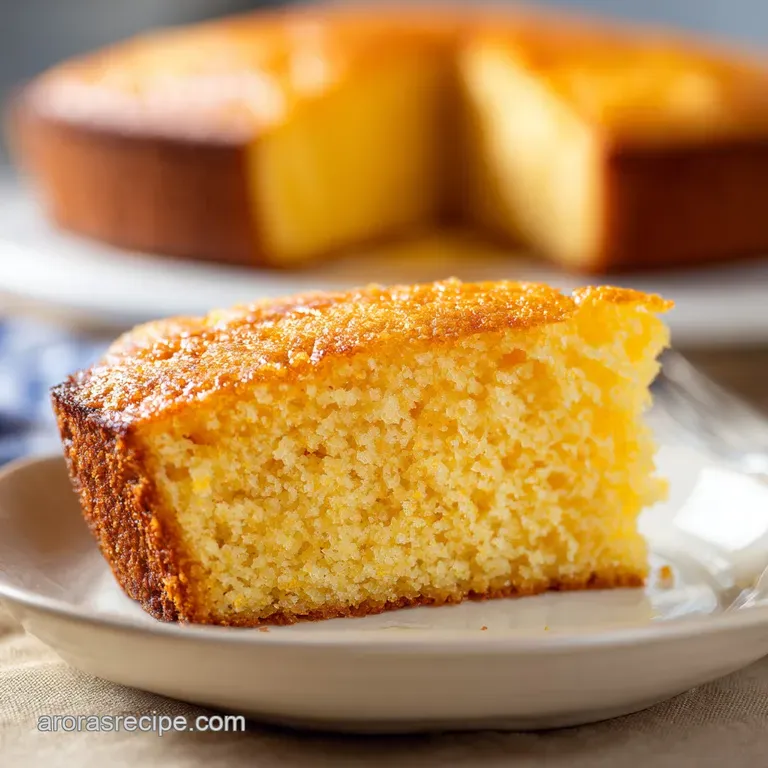
Even the best cooks run into trouble sometimes. The most common complaint I hear is that the cornbread turned out like a desert - dry and uninviting. This usually happens because of "carryover cooking." Your pan stays hot long after it leaves the oven, continuing to bake the bread.
If you wait until the center is bone dry to pull it out, it's already overcooked.
Crumbly and Dry Texture
If your bread shatters when you try to slice it, the ratio of cornmeal to flour might be off, or you skipped the yogurt. The yogurt provides the "glue" that keeps the crumb together. Also, ensure you aren't substituting the honey with just white sugar, as sugar doesn't hold moisture the same way.
Failure to Rise Properly
A flat cornbread usually points to expired baking powder. Baking powder starts losing its punch about six months after opening. Another culprit? Letting the batter sit on the counter for too long. Once the wet hits the dry, the chemical reaction starts. Get that pan in the oven immediately.
| Problem | Root Cause | Solution |
|---|---|---|
| Soggy Center | Oven temp too low | Check oven with a thermometer; bake 5 mins longer |
| Gritter Texture | Cornmeal too coarse | Use a finer grind or soak cornmeal in yogurt for 10 mins |
| Burned Bottom | Pan too close to heat | Move rack to the middle position; use a light colored pan |
Common Mistakes Checklist
- ✓ Never use cold eggs; they will cause the melted butter to seize and clump.
- ✓ Don't skip the "rest" period - let the bread sit for 5-10 minutes before slicing.
- ✓ Always grease the pan with butter, not just spray, for a better flavor crust.
- ✓ Check your baking soda for clumps by sifting it into the flour.
- ✓ Avoid "low-fat" yogurt; the fat is essential for the velvety mouthfeel.
Scaling the Recipe
If you are feeding a crowd at a Nashville style backyard BBQ, you'll likely want to double this. When doubling, don't just double everything. Use 1.5x the salt and spices to avoid overwhelming the palate.
For liquids, keep the ratio the same but watch your bake time - a larger pan will likely need an extra 5-8 minutes to set the center.
For a half batch, use a smaller 6 inch skillet. To get "half an egg," whisk one egg in a small bowl and measure out 2 tablespoons. It’s a bit of a pain, but it keeps the chemistry precise. When scaling down, reduce your bake time by about 20% and start checking for doneness early.
Clever Swaps and Flavor Twists
While the "sweet and moist honey cornbread" is perfect as is, I’m a big fan of making a recipe your own. If you want a bit of heat, fold in some diced jalapeños. The capsaicin in the peppers plays beautifully against the clover honey.
Just be sure to remove the seeds if you want to keep your taste buds intact.
The Jiffy Style Hack
If you grew up on the blue box but want a homemade upgrade, add an extra tablespoon of brown sugar and use a very fine grind yellow cornmeal. This mimics that childhood "cakey" texture while providing the high-quality fat and moisture that the boxed stuff lacks.
Vegan and dairy-free Swaps
You can absolutely make this dairy-free. Use a plant based yogurt (almond or soy work best) and replace the butter with melted coconut oil. For the eggs, a "flax egg" (1 tbsp ground flax + 3 tbsp water) works, but the texture will be slightly more rustic and less velvety.
Chef Tip: Add a teaspoon of espresso powder to the dry mix if you are serving this with a heavy beef stew. It doesn't make it taste like coffee, but it deepens the earthy notes of the cornmeal.
Keeping Your Cornbread Moist
Cornbread is notoriously short lived, but this honey rich version has a longer shelf life than most. Because of the humectants, it stays soft for about 3 days at room temperature. Just make sure it is wrapped tightly in plastic wrap or stored in an airtight container once it has cooled completely.
Storage and Zero Waste
- Fridge: Store for up to 5 days. Reheat for 15 seconds in the microwave with a damp paper towel to restore the steam.
- Freezer: This bread freezes beautifully. Wrap individual squares in foil and place in a freezer bag for up to 3 months.
- Zero Waste: If you do end up with stale pieces, don't throw them out! Crumble them up and toast them in a pan with a little butter to make "cornbread croutons" for a kale salad. Or, use the crumbs to thicken a pot of chili.
Debunking Cornbread Myths
Many people believe that "real" cornbread should never have sugar or honey. That is a regional preference, not a culinary law. In the South, savory cornbread is traditional, but sweet honey cornbread is a staple of soul food and many Nashville family tables. Neither is "wrong," they just serve different purposes.
Another myth is that you must use a cast iron skillet. While I love my Lodge skillet, a glass or ceramic baking dish will still give you an excellent result. The only difference is the crust - cast iron creates a deeper, darker sear on the bottom, whereas glass produces a softer, more uniform edge.
Creative Ways to Serve Bread
Presentation is everything when you've put this much love into a bake. Instead of just cutting it into squares, try cutting it into long rectangles or "fingers." It looks more intentional and makes for great dipping into soups.
The Signature Drizzle Pairing
For a true showstopper, serve the bread warm with a small bowl of whipped honey butter on the side. You can make this by beating softened butter with honey and a dash of cinnamon until it’s light and airy. It’s a simple addition that makes the meal feel like a celebration.
The Savory Contrast
If you are serving this as part of a larger spread, try pairing it with something very salty or acidic. The sweetness of the honey bread is the perfect foil for a vinegary coleslaw or a salty ham hock. It balances the palate and keeps you reaching for one more bite.
Trust me, once you master this sweet and moist honey cornbread, you'll be the designated bread maker for every gathering y'all have!
Recipe FAQs
What is the secret to moist cornbread?
Using a high moisture humectant like honey and an acid like Greek yogurt. Honey attracts and holds water far better than standard sugar, locking in freshness, while the yogurt's lactic acid tenderizes the crumb structure.
What's the difference between honey cornbread and Southern cornbread?
Southern cornbread is traditionally savory and avoids added sugar or honey. Honey cornbread emphasizes sweetness and a cake like texture, often utilizing more flour and sugar/honey ratios typical of Northern styles.
What does adding an extra egg do to cornbread?
An extra egg significantly increases richness and structure, often leading to a denser, more cake like texture. It adds more fat and emulsifiers, which can counteract the tendency of cornmeal to become dry and crumbly.
Should I put honey in my cornbread mix?
Yes, honey is highly recommended for moisture retention in this recipe. Honey acts as a humectant, meaning it keeps the final product softer for longer than granulated sugar alone would.
How to ensure the cornbread doesn't dry out overnight?
Wrap the fully cooled bread tightly in plastic wrap or store it in an airtight container at room temperature. The inherent moisture retention from the honey helps, but preventing air exposure is crucial for overnight softness.
How to achieve a crispy bottom crust without burning the top?
Preheat your cast iron skillet in the oven before pouring in the batter. The direct, intense heat transfer from the hot metal instantly sets the bottom layer, giving you a superior sear; this technique is similar to how we manage heat transfer when learning to bake pastries, like in our Cinnamon Rolls Ready recipe.
Is it true that I must use milk instead of buttermilk or yogurt for authentic flavor?
No, this is a common misconception that limits flavor and texture potential. Using acidic dairy like Greek yogurt or buttermilk promotes a superior lift when combined with baking soda and results in a more tender, velvety crumb.
Moist Honey Cornbread Recipe
Ingredients:
Instructions:
Nutrition Facts:
| Calories | 254 kcal |
|---|---|
| Protein | 5.4 g |
| Fat | 11.4 g |
| Carbs | 34.2 g |
| Fiber | 1.3 g |
| Sugar | 15.2 g |
| Sodium | 188 mg |
