Creamy Steakhouse Scalloped Potatoes
- Time: 20 min active + 45 min baking
- Flavor/Texture Hook: Rich, cheesy, and bubbly
- Perfect for: Sunday dinner or holiday sides
- How to Make Scalloped Potatoes
- Why the Sauce Stays Thick
- The Best Potato Specs
- The Essential Tool Kit
- The Step-by-Step Bake
- Fixing Common Sauce Issues
- Troubleshooting Common Issues
- Ways to Change Flavors
- Scaling the Batch
- Potato Truths
- Storage and Leftover Ideas
- What to Serve Together
- Recipe FAQs
- 📝 Recipe Card
I remember the first time I tried making these for a family get together back in Nashville. I followed some old advice that said you had to parboil the potato slices first to make sure they were soft. All that did was turn my Scalloped Potatoes into a mushy, flavorless pile of starch. I almost threw the whole dish out.
Forget everything you heard about pre cooking the potatoes. You don't need that extra step. As long as your slices are thin and your sauce has enough fat, the oven does all the hard work for you.
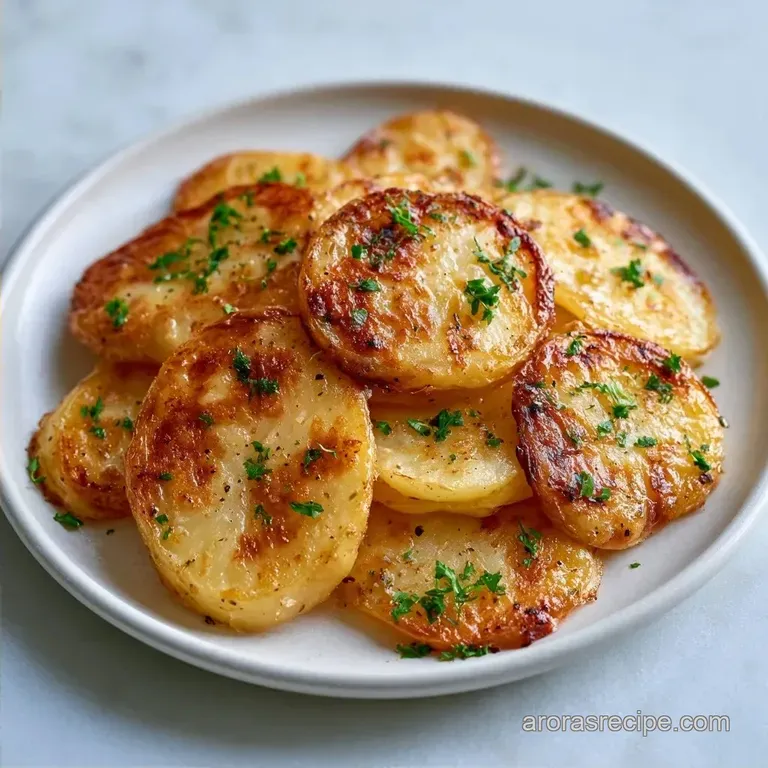
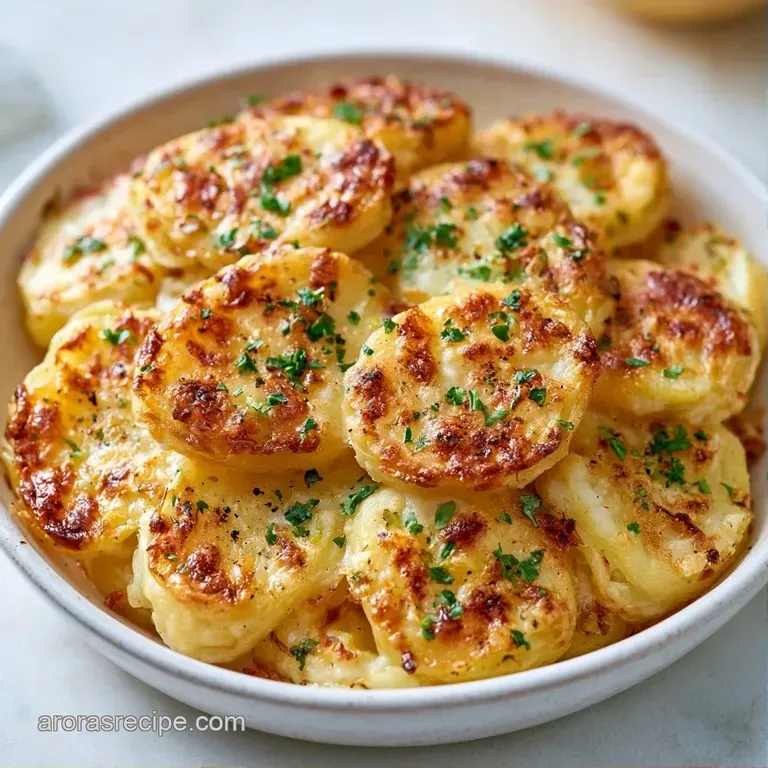
This version is all about that comfort food feel. We're talking tender Yukon Golds swimming in a sauce that's thick enough to hold its own but light enough to let the potato flavor shine. You'll get those distinct layers and a brown cheese crust that actually crackles when you hit it with a spoon.
How to Make Scalloped Potatoes
The trick to these Scalloped Potatoes is the balance between the starch and the cream. If you use a potato that's too starchy, like a Russet, the sauce can get grainy. If you use something too waxy, the sauce won't cling. Yukon Golds are the middle ground that just works.
I've spent a lot of time tweaking the cheese ratio here. I used to just dump in cheddar, but it can get oily. Switching to Gruyère gives you that nutty, steakhouse vibe without the grease. It melts into a smooth, cohesive blanket over the top.
When you pull these Scalloped Potatoes out of the oven, let them sit for about 10 minutes. If you scoop them immediately, the sauce will run. A short rest lets the cream set, giving you those clean, beautiful slices on the plate.
Why the Sauce Stays Thick
Right then, let's talk about why this method actually works. Most people just mix cream and salt, but that often separates during a long bake.
Roux Base: Cooking the butter and flour first creates a stabilizer. This prevents the heavy cream from breaking and keeps the sauce thick.
Potato Starch: Yukon Gold potatoes release just enough starch to thicken the sauce further as they cook. It creates a natural bond between the cream and the vegetable.
| Method | Prep Time | Texture | Best For |
|---|---|---|---|
| Fast Bake | 10 mins | Softer, looser | Quick weeknight sides |
| Classic Layered | 20 mins | Structured, rich | Holidays and dinner parties |
The Best Potato Specs
I like to call this the "anatomy" of the dish. Every ingredient has a job, and if you swap one, you need to know how it changes the vibe.
| Ingredient | What It Does | Best Swap |
|---|---|---|
| Yukon Gold | Provides a creamy, buttery base | Russets (will be grainier) |
| Heavy Cream | Adds fat for a rich mouthfeel | Half and half (will be thinner) |
| Gruyère | Gives a nutty, salty melt | Swiss or Emmental (milder) |
| Dijon Mustard | Cuts through the fat with acidity | Dry mustard powder (half the amount) |
The Essential Tool Kit
You don't need a professional kitchen for this, but a few things make it way easier. A mandoline is my top suggestion. Slicing three pounds of potatoes by hand to exactly 1/8 inch is a chore and usually ends in uneven pieces. Some pieces cook through while others stay hard.
A 9x13 inch baking dish is the standard here. If you use a deeper, smaller dish, you'll have more layers, but the middle might take longer to cook. Stick to the rectangular dish for even heat distribution.
Don't forget a heavy bottomed saucepan for the sauce. If you use a thin pan, the butter and flour roux can burn easily, leaving you with a bitter taste in your Scalloped Potatoes.
The step-by-step Bake
Let's crack on with the actual cooking. Make sure your oven is fully preheated before the dish goes in.
- Preheat your oven to 375°F (190°C). Grease a 9x13 inch baking dish using 1 tbsp of melted butter. Note: This prevents the edges from sticking and adds flavor.
- Slice 3 lbs of peeled Yukon Gold potatoes into 1/8 inch rounds using a mandoline.
- Melt 4 tbsp of unsalted butter in a saucepan over medium heat. Whisk in 3 tbsp of all purpose flour and cook for 1-2 minutes until it smells slightly nutty.
- Stir in 3 cloves of minced garlic and sauté for 30 seconds. Note: Don't let the garlic brown or it will turn bitter.
- Slowly whisk in 2 cups of heavy cream and 1 cup of whole milk. Simmer for 3-5 minutes, stirring constantly, until the sauce coats the back of a spoon.
- Stir in 1 tsp Dijon mustard, 1/4 tsp nutmeg, 1 tsp kosher salt, and 1/2 tsp black pepper. Remove from heat immediately.
- Place a third of your potato slices in the bottom of the dish. Pour over a third of the cream sauce. Repeat this process two more times, ending with a layer of sauce on top.
- Evenly sprinkle 1 1/2 cups of shredded Gruyère and 1/2 cup of grated Parmesan over the top.
- Cover the dish with foil and bake for about 30 minutes. Remove the foil and bake for another 15 minutes until the cheese is golden and bubbling.
- Garnish with 1 tbsp of chopped fresh parsley.
Fixing Common Sauce Issues
Even with a good recipe, things happen. Maybe your potatoes are from a different region or your stove runs hot.
Troubleshooting Common Issues
| Issue | Solution |
|---|---|
| Why Your Sauce is Watery | This usually happens if the potato slices were too thick or if you didn't cook the roux long enough. If the flour isn't cooked, it won't bind the fats and liquids. |
| Why Your Potatoes are Firm | If you find hard bits in your Scalloped Potatoes, the slices were likely uneven. This is why the mandoline is so helpful. |
| Why the Cheese Burnt | If the top is black but the middle is raw, your oven might be running hot. Always check the potatoes with a knife; if it slides in like butter, they're done regardless of the color on top. |
Ways to Change Flavors
I love the classic version, but you can really play around with the additions. If you're feeling fancy, you might want to try some Scalloped Potatoes with Bacon recipe for a holiday spread. Adding chopped bacon and chives transforms the dish into something completely different.
For a bolder flavor, try swapping the Gruyère for Smoked Gouda. It gives the Scalloped Potatoes a campfire quality that goes great with grilled meats. You can also add a pinch of paprika to the sauce for a hint of warmth.
If you need a gluten-free option, swap the 3 tbsp of flour for 1 tbsp of cornstarch mixed with a bit of cold milk. It won't be quite as thick, but it still holds together. For a lighter version, you can replace the heavy cream with half and half, though the sauce will be less silky.
Scaling the Batch
Scaling these Scalloped Potatoes isn't as simple as doubling everything. Starch and liquid ratios change depending on the pan size.
Scaling Down (Half Batch) Use an 8x8 or 9x9 inch square pan. You can use the exact half measurements for ingredients. Check for doneness about 15 minutes earlier than the full recipe, as smaller batches often cook faster.
Scaling Up (Double Batch) I highly recommend using two 9x13 pans rather than one giant deep dish. If you pile the potatoes too high, the middle will stay raw while the edges overcook. When doubling, only increase the salt and spices to 1.5x.
Too much salt in a large batch can become overwhelming as the sauce reduces.
For the cheese, you can be more generous. If you're making a double batch for a crowd, adding an extra 1/2 cup of Parmesan helps create a more substantial crust.
Potato Truths
There are a few things people always tell you about Scalloped Potatoes that just aren't true.
First, some say you must peel the potatoes. You don't. If you use thin skinned Yukon Golds, leaving the skin on adds a rustic look and a bit more nutrition. It doesn't change the taste much.
Second, some believe that adding more cheese automatically makes the dish better. In reality, too much cheese can release excess oil, which separates from the cream. This leaves you with a greasy film on top of your Scalloped Potatoes. Stick to the 2 cup total cheese limit for the best results.
Finally, some people think you need a slow cooker for tenderness. While that works, the oven provides a dry heat that browns the cheese, which you just can't get in a crockpot.
Storage and Leftover Ideas
These Scalloped Potatoes keep well in the fridge for 3 to 4 days. Store them in an airtight container. When you reheat them, avoid the microwave if you can. The microwave tends to make the cream break, leaving the dish oily.
Instead, put a portion in a small oven safe dish, add a splash of milk to loosen the sauce, and bake at 325°F for 15 minutes. This brings back that bubbly texture.
For zero waste, don't throw away the potato peels. Toss them in olive oil and salt, then roast them at 400°F for 10 minutes. You'll have a side of crispy skins to snack on while you're preparing the main meal.
If you have leftover sauce but no potatoes, use it as a base for a creamy chicken stew.
What to Serve Together
Since Scalloped Potatoes are so rich, you need something to cut through that heaviness. A crisp green salad with a lemon vinaigrette is the classic choice. The acidity of the lemon cleanses your palate between bites of creamy potato.
If you're doing a full Sunday roast, these pair beautifully with a glazed ham or a roast beef tenderloin. The salty, savory juices from the meat mingle with the cream sauce. I also love serving them alongside roasted carrots or steamed asparagus for some color on the plate.
For a more casual meal, try them with grilled pork chops. The smokiness of the grill balances the nutmeg and cream in the Scalloped Potatoes perfectly. Just make sure you have plenty of napkins, because this is a true comfort food feast.
Recipe FAQs
What is the best type of potato to use for scalloped potatoes?
Yukon Gold potatoes. Their naturally buttery flavor and ability to hold their shape make them ideal for thin slicing.
Do you have to boil potatoes before making scalloped potatoes?
No. The potatoes cook through and soften while simmering in the cream sauce during the baking process.
How do I ensure my scalloped potatoes are tender all the way through?
Slice potatoes into consistent 1/8-inch rounds using a mandoline. Uniform thickness ensures every slice cooks at the same rate, preventing hard bits.
How to make steakhouse potatoes?
Layer thin potato slices with a thick cream sauce and top with Gruyère and Parmesan. Bake at 375°F until tender, then uncover to brown the cheese crust.
Do scalloped potatoes go with steak?
Yes. The rich, creamy texture perfectly complements a seared steak. If you prefer a lighter side, our garlic herb potatoes are another excellent pairing.
What are some common mistakes to avoid when making scalloped potatoes?
Avoid uneven slicing and undercooking your roux. Inconsistent slices lead to raw spots, while a raw flour base results in a watery sauce.
Is it true I must use a roux to thicken the sauce?
No, this is a common misconception. While some versions rely on potato starch, a butter and flour base creates a more stable, velvety consistency.
Scalloped Potatoes for 8 Servings