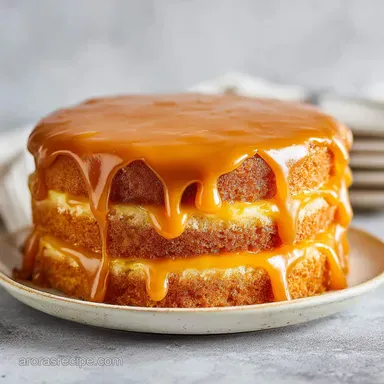
Old Fashioned Caramel Cake with Caramel Icing: Golden
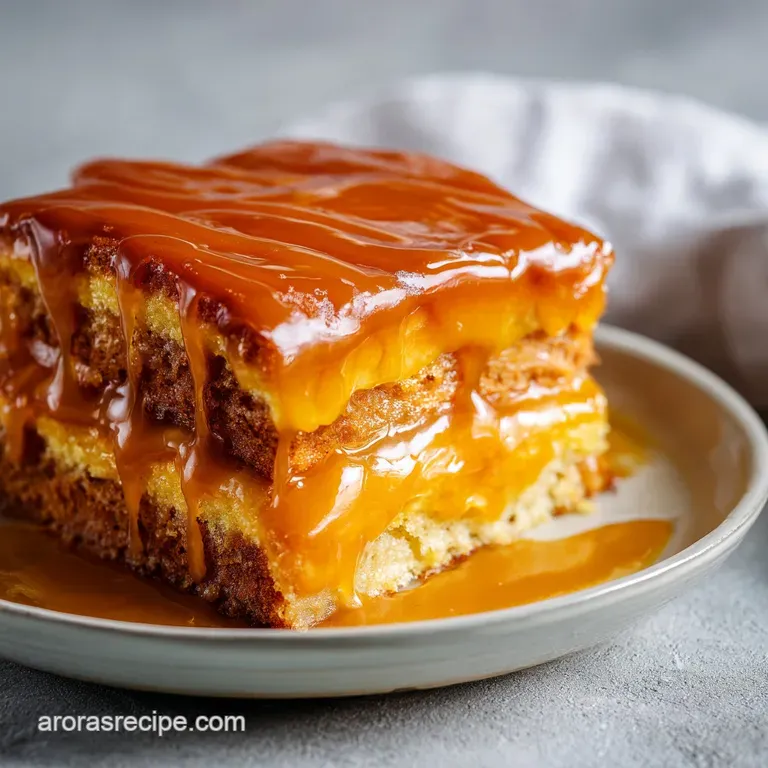
- Time: 25 min active + 35 min bake + 60 min cooling = Total 120 mins
- Flavor/Texture Hook: Velvety, buttery glaze over a moist, golden sponge
- Perfect for: Sunday family dinners or a hearty Midwestern potluck
The smell of toasted sugar and warm butter hitting a hot pan is a scent that takes me right back to my grandmother's kitchen in the middle of July. In those Southern households, a cake wasn't just a dessert, it was a centerpiece for gossip, laughter, and family bonding.
There's something about that deep, mahogany colored glaze that feels like a hug in food form.
Growing up, I saw a lot of versions of this, but the one that stuck was the kind that didn't try to be fancy. It wasn't about tiered layers or intricate piping. It was about a simple sheet cake that felt homey and substantial.
That's exactly what we're doing here, focusing on a stress free approach that delivers that old school, nostalgic flavor.
You can expect a cake that is incredibly moist and a frosting that is more of a rich, pourable glaze than a fluffy buttercream. When you combine the caramel cake caramel icing, you get a dessert that is deeply buttery with a hint of salt to keep things balanced. Let's get into how to make this without any fuss.
Easy caramel cake caramel icing
The first thing you'll notice is how the cake stays tender even after it sits. Most people struggle with "dry" cakes, but the buttermilk here does a lot of the heavy lifting. It breaks down the gluten just enough so the cake melts in your mouth rather than feeling bready.
When it comes to the topping, we aren't making a complex French caramel. We're making a homestyle glaze. The goal is a velvety consistency that soaks into the top layer of the cake while leaving a thick, glossy coating on top. It's the kind of treat that pairs well with a cold glass of milk or a strong cup of coffee.
Honestly, don't even bother with low-fat butter or skim milk for this. The fat is where the flavor lives, and in a dessert like this, we want that rich, hearty experience. If you're looking for other rich treats, you might also like my Classic Cheesecake recipe, which has that same decadent feel.
Why this cake works
Understanding a few basic kitchen cues makes this recipe stress free. You don't need a degree in food science, just a bit of attention to your pan.
- Buttermilk Tang: The acid in buttermilk reacts with baking powder to create a higher lift and a softer texture.
- Brown Sugar Molasses: Using light brown sugar in the icing adds a depth of flavor that granulated sugar can't touch.
- The Slow Simmer: Boiling the icing for a few minutes allows the water to evaporate, concentrating the sugars into a thick syrup.
- Cooling Gap: Letting the cake cool completely before icing prevents the glaze from melting into the cake and disappearing.
Since we're keeping things simple, it's helpful to see how this homestyle version compares to the more "professional" versions you see in bakeries.
| Feature | Homestyle Shortcut | Bakery Fresh | Impact |
|---|---|---|---|
| Icing Method | Simmered Milk/Butter | Dry Caramel/Cream | Faster prep, more buttery taste |
| Cake Base | Single Sheet Pan | Multiple Layered Rounds | Easier slicing, less frosting work |
| Texture | Spongy and Moist | Dense and Structured | More comforting, less "stiff" |
Ingredient deep dive
Not every ingredient is just a filler. In this recipe, each one has a specific job to do to ensure the texture is spot on.
| Ingredient | Science Role | Pro Secret |
|---|---|---|
| Buttermilk | Tenderizer | Use full fat for a richer, more velvety crumb |
| Brown Sugar | Flavor Base | Packed tightly to ensure the correct sugar to fat ratio |
| Unsalted Butter | Structure/Fat | Soften to room temp to ensure it creams properly |
| Baking Powder | Leavening | Sift with flour to avoid "bitter" clumps in the cake |
Ingredients and substitutions
For the cake base, keep your ingredients at room temperature. Cold eggs can cause the batter to break, leaving you with a curdled mess.
For the Cake:
- 2.5 cups all purpose flour Why this? Standard protein level for a sturdy but soft cake (Substitute: White cake flour for a finer crumb, but it will be softer)
- 1 cup granulated sugar Why this? Provides sweetness and helps with browning (Substitute: Coconut sugar for a deeper, earthier taste)
- 1 tbsp baking powder Why this? Essential for the rise (Substitute: 1 tsp baking soda + 1 tsp cream of tartar)
- 0.5 tsp salt Why this? Balances the sweetness (Substitute: Sea salt)
- 0.75 cup unsalted butter, softened Why this? Creates a light, airy structure when creamed (Substitute: Margarine, though flavor will be less rich)
- 3 large eggs Why this? Binds everything and adds richness (Substitute: 3 flax eggs for a vegan ish attempt, though texture changes)
- 1 cup buttermilk Why this? Adds moisture and acidity for tenderness (Substitute: 1 cup milk + 1 tbsp lemon juice, let sit 5 mins)
- 1 tsp pure vanilla extract Why this? Classic aromatic depth (Substitute: Almond extract for a nutty twist)
For the Icing:
- 1 cup unsalted butter Why this? Forms the base of the caramel emulsion (Substitute: Salted butter, but omit the extra salt later)
- 1.5 cups packed light brown sugar Why this? Provides the characteristic caramel flavor (Substitute: Dark brown sugar for a more intense molasses taste)
- 0.5 cup whole milk Why this? Thins the caramel into a pourable glaze (Substitute: Heavy cream for a thicker, more luxurious icing)
- 0.5 tsp salt Why this? Cuts through the sugar (Substitute: Flaky sea salt)
- 1 tsp vanilla extract Why this? Rounds out the toasted sugar notes (Substitute: Maple syrup for a woody flavor)
Key baking steps
Right then, let's get into the actual process. I've broken this down into phases so you don't feel rushed. Trust me on the cooling time; if you pour hot icing on a hot cake, it'll just soak in and you'll lose that beautiful glossy layer.
Phase 1: Preparing the Golden Base
- Beat the softened butter and sugar together. Use a hand mixer or stand mixer such as KitchenAid and beat until light and fluffy. Note: This incorporates air for a lighter cake.
- Add eggs one at a time. Beat well after each addition until the mixture is smooth to ensure the batter doesn't break.
- Alternately add the flour mixture and buttermilk. Start with flour, then buttermilk, and end with flour. Stir in the vanilla until just combined. Note: Overmixing leads to a tough cake.
- Pour the batter into a greased 9x13 inch baking pan. Bake at 350°F (175°C) for 35 minutes until a toothpick inserted in the center comes out clean.
- Let it cool completely on a wire rack. This is the hardest part, but it's non negotiable for the caramel cake caramel icing to sit correctly.
Phase 2: Crafting the Mahogany Glaze
- Melt the butter in a heavy bottomed saucepan over medium heat. Stir in the brown sugar until it forms a thick paste.
- Gradually pour in the milk. Bring the mixture to a gentle boil, then immediately reduce to a simmer.
- Stir constantly for 5–8 minutes until the icing thickens and smells nutty and toasted. You're looking for a slight reduction in volume.
- Remove from heat and stir in the salt and vanilla extract. The heat of the caramel will bloom the vanilla flavor.
Phase 3: The Final Assembly
- While the icing is still warm, pour it evenly over the cooled cake. Use a spatula to spread it to the edges, but don't overwork it. Let it set for 30 minutes before slicing.
Chef's Note: If you want an even deeper flavor, add a teaspoon of espresso powder to the icing. It doesn't make it taste like coffee; it just makes the caramel taste "darker" and more complex.
Fix common icing problems
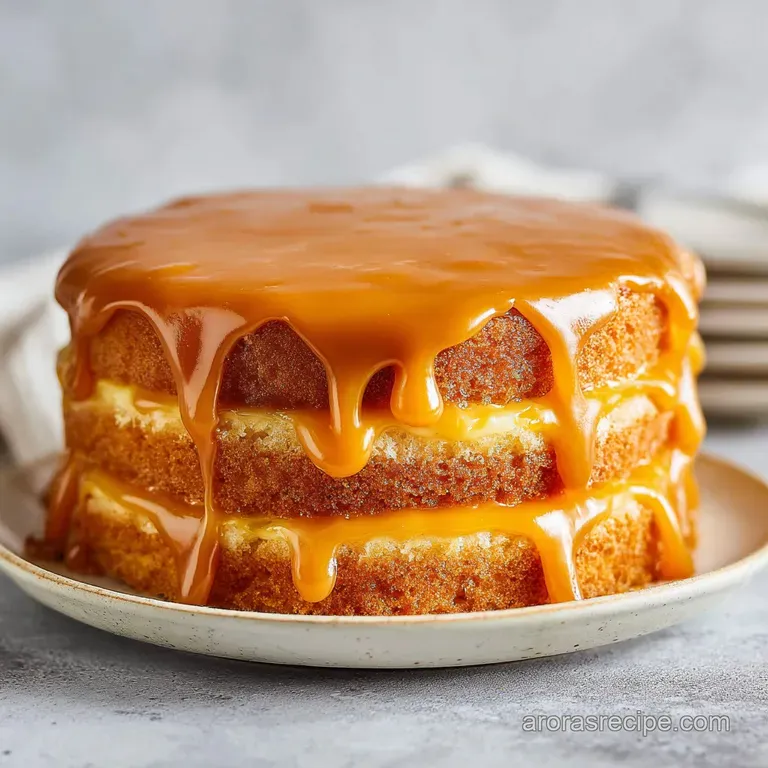
The most stressful part of any caramel cake caramel icing project is the icing. Caramel can be temperamental, but most "failures" are actually easy to fix if you know what happened.
Troubleshooting Common Issues
| Issue | Solution |
|---|---|
| Why your icing crystallized | If you see grainy sugar crystals in your glaze, it's usually because sugar crystals on the side of the pan fell back into the mixture. This is common if you don't stir constantly. You can often fix th |
| Why the icing is too runny | This usually happens if the mixture didn't simmer long enough. The milk needs time to evaporate. If it's too thin, just put it back on the heat for another 2-3 minutes. Just be careful not to overcook |
| Why your cake sank in the middle | Sinking usually happens if the oven door was opened too early or if the baking powder is old. Ensure your oven is fully preheated and your leavening agents are fresh. |
Common Mistakes Checklist:
- ✓ Did you cream the butter and sugar for at least 3 minutes?
- ✓ Is the cake completely cold before adding the icing?
- ✓ Did you use a heavy bottomed pan for the caramel to prevent burning?
- ✓ Did you stir the icing constantly during the simmer phase?
- ✓ Did you avoid over beating the flour into the batter?
Adjusting the recipe size
Sometimes you don't need a whole 9x13 pan. Whether you're feeding two people or twenty, you can scale this caramel cake caramel icing recipe.
Scaling Down (½ portion): Use an 8x8 inch or 9x9 inch square pan. Reduce the baking time by about 20% (check at 25 minutes). For the eggs, beat one egg in a small bowl and use half of it. The icing can be halved exactly.
Scaling Up (2x portion): I recommend baking two separate 9x13 pans rather than one giant one. This ensures the middle cooks through without burning the edges. When doubling the icing, increase the salt and vanilla to only 1.5x the original amount to avoid overpowering the sugar.
For those who love these kinds of hearty treats, you might also enjoy my easy Cinnamon Rolls, which use a similar brown sugar profile.
Debunking caramel myths
There are a lot of "rules" floating around about baking that are actually just myths. Let's clear a few up.
Myth: You must use a candy thermometer for the icing. Truth: For this specific glaze, you don't need one. We aren't making hard candy; we're making a sauce. The "nutty smell" and the way the bubbles change from large and watery to small and thick are your best guides.
Myth: Melted butter in the batter makes the cake moister. Truth: Actually, creaming softened butter with sugar creates tiny air pockets. This gives the cake a better lift and a more velvety texture. Melted butter makes a denser, more fudgy cake, which isn't what we want here.
Myth: Adding more sugar makes the cake more moist. Truth: Too much sugar can actually weaken the structure of the cake, causing it to collapse or become overly sticky. Stick to the measurements for that spot on balance.
Storage and waste tips
This cake stays moist for a surprisingly long time because of the high fat content in the icing, which acts as a barrier against the air.
Storage Guidelines: Keep the cake in an airtight container. At room temperature, it's fine for 2 days. In the fridge, it will last up to 4 days. If you refrigerate it, let the slice sit at room temperature for 20 minutes before eating so the butter in the icing softens back up.
Freezing: You can freeze the un iced cake layers. Wrap them tightly in plastic wrap and then foil for up to 2 months. Thaw in the fridge overnight, then bring to room temperature before adding the caramel cake caramel icing.
Zero Waste Tips: If you have leftover icing in the pan, don't throw it away! It's incredible as a dip for apple slices or drizzled over vanilla ice cream. If you have a bit of buttermilk left over from the recipe, use it in your next batch of pancakes or as a marinade for fried chicken.
Presentation tips
Since this is a sheet cake, the beauty is in the simplicity. You don't need fancy piping skills to make this look great.
The Clean Cut: To get those professional looking squares, use a hot knife. Dip your knife in hot water, wipe it dry, and make one clean slice. Wipe the knife clean between every single cut. This prevents the icing from smearing across the sides of the cake.
The Garnish: A light sprinkle of flaky sea salt (like Maldon) over the top of the icing right after pouring adds a beautiful contrast and a gourmet look. If you're serving this for a holiday, a few fresh raspberries or a dollop of unsweetened whipped cream on the side balances the richness.
Serving Suggestion: Serve the slices slightly warm. You can pop a square in the microwave for 10-15 seconds. This makes the caramel cake caramel icing velvety and gooey again, bringing back that "just baked" experience.
Whether you're making this for a birthday or just because it's Tuesday, the key is to keep it stress free. This caramel cake caramel icing combination is all about comfort and tradition. It's hearty, it's sweet, and it's exactly what a home baked dessert should be.
Trust your senses, watch your simmer, and enjoy every buttery bite.
Recipe FAQs
How long does the caramel cake last?
Two days at room temperature or four days in the fridge. Store the cake in an airtight container and let refrigerated slices sit for 20 minutes so the butter in the icing softens.
Why is my caramel icing too runny?
The mixture likely didn't simmer long enough for the milk to evaporate. Put it back on the heat for another 2-3 minutes, taking care not to overcook it.
Why is my caramel icing grainy or crystallized?
Sugar crystals on the side of the pan likely fell back into the glaze. Prevent this by stirring the mixture constantly throughout the simmering process.
How to prevent the cake from sinking in the middle?
Bake at 350°F (175°C) in a greased 9x13 inch pan until a toothpick comes out clean. Avoid opening the oven door frequently to maintain a stable internal temperature.
Can I substitute the buttermilk in the batter?
Yes, although the tang and tenderness will change. If you enjoyed the specific crumb structure here, see how similar moisture balancing techniques are used in our Red Velvet.
How to get the perfect caramel icing consistency?
Stir constantly for 5 8 minutes over medium heat. Remove the pan from the heat immediately once the mixture thickens and smells nutty and toasted.
Is it true I can freeze the cake after icing it?
No, this is a common misconception. Freeze only the uniced cake layers wrapped in plastic and foil for up to 2 months to maintain the best texture.
Caramel Cake Caramel Icing