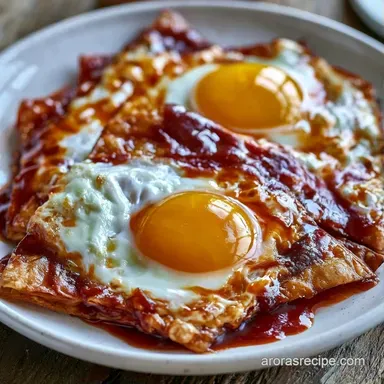
Chilaquiles with Eggs: Crispy and Hearty
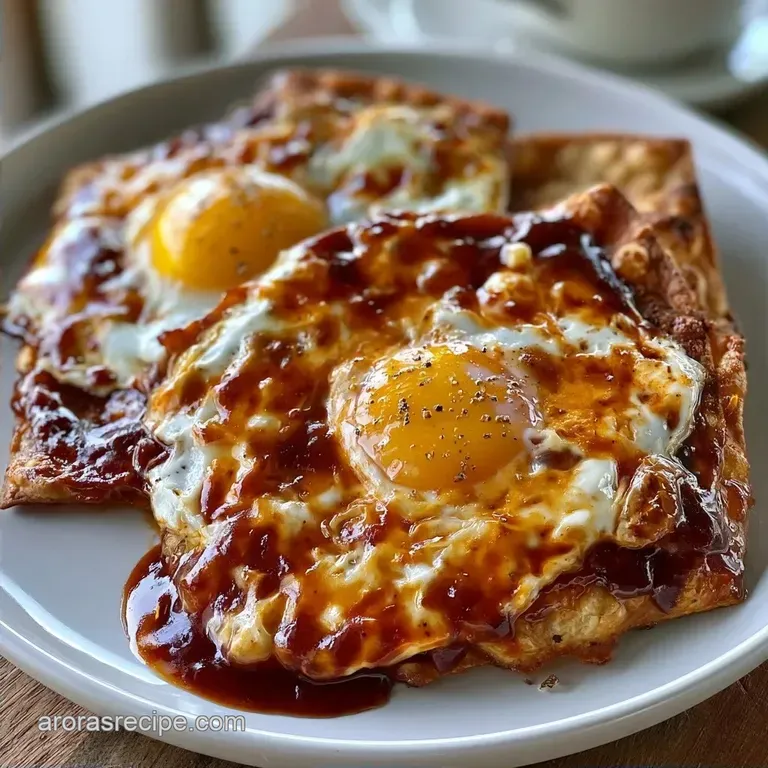
- Time: 10 min active + 20 min cook = 30 min total
- Flavor/Texture Hook: Shatter crisp tortillas meeting a velvety, smoky red sauce
- Perfect for: A slow weekend brunch or a comforting family breakfast
- Making Chilaquiles with Eggs Right
- Common Recipe Failures
- The Timing and Stats
- What Keeps the Crunch
- The Component Analysis
- The Full Grocery List
- Your Essential Gear
- Cooking Step by Step
- Fixing Common Mistakes
- Troubleshooting Common Issues
- Customizing Your Plate
- Adjusting the Batch Size
- Common Kitchen Myths
- Storing Your Leftovers
- The Best Side Pairings
- Recipe FAQs
- 📝 Recipe Card
Making Chilaquiles with Eggs Right
The first thing you'll notice is that aggressive sizzle when the tortilla triangles hit the hot oil. It's a sound that promises a crunch, and if you've got the heat right, your kitchen will quickly fill with the toasted, nutty aroma of corn.
I remember the first time I tried to shortcut this by using a bag of store-bought tortilla chips. I figured, why do the work? The result was a soggy, salty mess that tasted more like a mistake than a meal.
Those commercial chips are designed for dipping, not for soaking up a rich salsa, and they just surrendered to the sauce.
Since then, I've learned that the secret is in the homemade fry. When you fry the corn tortillas yourself, they develop a structural integrity that allows them to absorb the sauce while still maintaining a slight bite. This is what makes Chilaquiles with Eggs a true comfort dish, rather than just a bowl of wet chips.
You want that contrast, where the edges are velvety from the sauce but the center still has a bit of that fried snap.
In this guide, I'm sharing exactly how to handle the sauce and the eggs so everything hits the table at the peak of freshness. We aren't just throwing things in a pan, we're layering flavors. From the smokiness of the Guajillo chiles to the salty punch of the Cotija cheese, every bit matters.
Trust me on this, once you do it the right way, you'll never go back to the "quick fix" versions.
Common Recipe Failures
Most people treat this dish like a stew, which is exactly where they go wrong. They simmer the chips in the sauce for too long, and suddenly you're eating corn porridge. To avoid this, you have to treat the sauce and the chips as two separate entities that only meet at the very end.
The goal is a coating, not a saturation.
Another huge mistake is neglecting the chiles. Some recipes suggest just using chili powder, but that's a shortcut that strips away the depth. Using actual dried Guajillo chiles provides a fruity, mild heat that you just can't get from a jar.
If you don't sauté those chiles and tomatoes until they're blistered and darkened, your sauce will taste "raw" and acidic instead of deep and savory.
Finally,, let's talk about the eggs. Many folks scramble the eggs directly into the mix. While that's a thing, the real magic of Chilaquiles with Eggs comes from a fried egg with a liquid yolk.
When that yolk breaks and mixes with the red sauce and the salty cheese, it creates a natural creaminess that ties the whole plate together.
The Timing and Stats
Since we're following a plan based execution, you need to know exactly where your time is going. We aren't rushing, but we are being efficient. The process is split into three distinct phases: the crunch, the infusion, and the assembly.
Phase 1: The Golden Crunch (10 minutes) This is where we prep the tortillas and get them fried. If you do this too fast, the oil isn't hot enough and the chips get greasy. If you do it too slow, they burn.
Phase 2: The Flavor Infusion (10 minutes) This is the sauce work. Sautéing the aromatics, blending the salsa, and letting it simmer to concentrate the flavors.
Phase 3: The Final Assembly & Sizzle (10 minutes) The eggs are fried, the chips are folded in, and the garnishes are added. This is the "danger zone" where things can cool down, so keep your plates warm.
| Feature | Fast Method | Classic Method |
|---|---|---|
| Tortillas | store-bought chips | Hand fried corn tortillas |
| Salsa | Jarred enchilada sauce | Sautéed and blended fresh |
| Texture | Soggy/Uniform | Varying crunch/Velvety |
What Keeps the Crunch
I've always wondered why some versions of this dish stay firm while others collapse. It turns out there's a simple reason.
- The Oil Barrier: Frying the tortillas creates a hydrophobic layer of oil on the surface. This slows down how quickly the water based sauce penetrates the corn.
- Starch Setting: When corn tortillas are fried at high heat, the starches set into a rigid structure. According to Serious Eats, this prevents the chip from absorbing liquid as quickly as a steamed or raw tortilla would.
- The Folding Technique: By stirring the chips in just before serving, we ensure they are coated in sauce but haven't had time to fully hydrate and soften.
- Sauce Reduction: Simmering the sauce until it thickens means there's less "free water" to soak into the chips, keeping them from turning into mush.
The Component Analysis
Before we start cooking, let's look at what these ingredients are actually doing in the pan. It's not just about taste, it's about how they interact.
| Ingredient | Science Role | Pro Secret |
|---|---|---|
| Corn Tortillas | Structural Base | Use tortillas that are a day old; they have less moisture and fry faster. |
| Guajillo Chiles | Depth & Color | Toast them slightly in the pan before blending to wake up the oils. |
| Cotija Cheese | Salty Contrast | Don't melt it; let it stay in crumbles to provide a textural pop. |
| Mexican Crema | Acidity Buffer | Adds a cooling element that cuts through the spice of the chiles. |
The Full Grocery List
Right then, let's get your shopping list sorted. I've picked these specific items because they balance the heat and the salt. Don't bother with low-fat cheese here, it won't give you that authentic punch.
- Corn Tortillas (12 count)Why this? Authentic corn flavor and better structural integrity.
- Substitute: Flour tortillas (Note: Will be much softer and more doughy)
- Vegetable Oil (3 tbsp)Why this? Neutral flavor and high smoke point for frying.
- Substitute: Canola oil (Works identically)
- Salt (1/2 tsp)Why this? Enhances the corn flavor immediately after frying.
- Substitute: Kosher salt for better control
- Medium Tomatoes (3)Why this? Provides the base acidity and sweetness for the sauce.
- Substitute: Canned crushed tomatoes (Note: Less fresh, more concentrated)
- Dried Guajillo Chiles (2)Why this? Smoky, mild flavor and deep red color.
- Substitute: Ancho chiles (Note: Sweeter and slightly darker)
- Garlic (2 cloves)Why this? Essential aromatic base.
- Substitute: Garlic powder (Note: Lacks the pungent depth of fresh)
- Medium Onion (1/2)Why this? Adds sweetness and body to the salsa.
- Substitute: Shallots (Note: More delicate, less "bite")
- Chicken Broth (1 cup)Why this? Adds savory depth and controls sauce thickness.
- Substitute: Vegetable broth (For a vegetarian option)
- Dried Oregano (1 tsp)Why this? Earthy notes that complement the chiles.
- Substitute: Fresh oregano (Use 1 tbsp; more potent)
- Large Eggs (4)Why this? The rich protein topper.
- Substitute: Tofu scramble (For a vegan alternative)
- Cotija Cheese (1/2 cup, crumbled)Why this? Dry, salty, and doesn't melt completely.
- Substitute: Feta cheese (Very similar salt profile according to USDA FoodData)
- Mexican Crema (1/4 cup)Why this? Thick, slightly tangy finish.
- Substitute: Sour cream thinned with a bit of lime juice
- Fresh Cilantro (1 bunch)Why this? Bright, herbal contrast to the heavy sauce.
- Substitute: Flat leaf parsley (Less flavor, but looks the part)
- Lime (1)Why this? Acid to cut through the fat and salt.
- Substitute: Lemon (Note: Different flavor profile, less authentic)
Your Essential Gear
You don't need a professional kitchen to make Chilaquiles with Eggs, but a few specific tools make the process way smoother.
- Cast Iron Skillet: This is my go to. It holds heat better than non stick, which is crucial for getting those tortillas to shatter when you bite them.
- High Speed Blender: You want that sauce to be velvety. If you have chunks of Guajillo skin in your sauce, it's a distraction.
- Slotted Spoon: Essential for removing the chips from the oil without taking a half cup of grease with them.
- Small Non Stick Pan: For the eggs. I prefer doing them separately so I can control the yolk exactly.
Cooking step by step
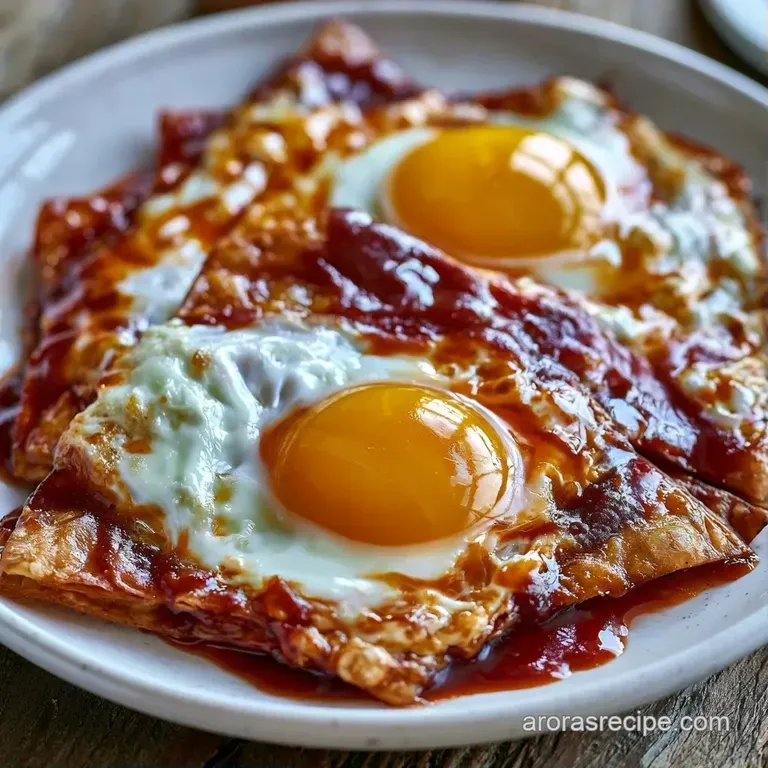
Let's crack on. Follow these steps closely, and pay attention to the sensory cues. That's how you know the food is actually ready, not just when the timer goes off.
- Fry the Tortillas. Heat the vegetable oil in your cast iron skillet over medium high heat. Once the oil shimmers, add the tortilla triangles in a single layer. Fry 2-3 mins until golden brown and rigid. Remove them with a slotted spoon and sprinkle with salt immediately while they're still glistening. Note: Salting now ensures the flavor sticks to the oil.
- Sauté Aromatics. Using the same skillet (no need to clean it, that leftover oil is flavor), toss in the chopped onion and garlic. Cook 3-4 mins until they are translucent and smelling sweet.
- Blister the Veggies. Add the halved tomatoes and the dried Guajillo chiles to the pan. Cook 5-7 mins until the tomato skins blister and darken. You want some charred spots here for that smoky depth.
- Blend the Sauce. Carefully transfer the sautéed mixture into your blender. Pour in the chicken broth and add the dried oregano. Blend on high until the mixture is velvety smooth.
- Simmer and Thicken. Pour the sauce back into the skillet. Simmer over medium heat for 5 minutes until the sauce thickens slightly and coats the back of a spoon.
- The Fold. Add the fried chips into the simmering sauce. Stir gently for 1-2 mins until every chip is coated but still feels firm to the touch. Don't overdo it here, or you'll lose the crunch.
- Cook the Eggs. In a separate pan, fry your eggs. Cook 3-4 mins until the whites are set but the yolks remain liquid.
- Final Assembly. Slide the eggs carefully atop the chips. Garnish with the crumbled Cotija cheese, a drizzle of Mexican crema, and a handful of chopped cilantro. Serve immediately with lime wedges on the side.
Chef's Note: To get the eggs perfectly centered, try creating small "wells" in the chip mixture and cracking the eggs directly into them. Just be careful not to overcook the chips while the eggs set.
Fixing Common Mistakes
Even the best of us mess up sometimes. Usually, with Chilaquiles with Eggs, the problem is either texture or taste.
Troubleshooting Common Issues
| Issue | Solution |
|---|---|
| Why Your Chips Are Too Soggy | This is the most common complaint. It usually happens because the sauce was too thin or the chips sat in the pan for too long. |
| Why Your Sauce Is Too Spicy | Guajillo chiles are mild, but some can be hotter than others. If you've ended up with a sauce that's too aggressive, don't panic. |
| Why Your Eggs Are Overcooked | If you're frying the eggs in the same pan as the chips, the residual heat from the sauce can cook the yolks faster than you'd expect. Keep a close eye on them. |
Customizing Your Plate
Once you've got the basics down, you can start playing with the flavors. Chilaquiles with Eggs are incredibly versatile.
If you're in the mood for something different, you can try a "Verde" version. Instead of tomatoes and Guajillo chiles, use tomatillos, jalapeños, and a bunch of fresh coriander. It's a brighter, tangier profile that's great for summer mornings.
For those who love a bit of extra protein, I highly recommend adding some crumbled chorizo or shredded chicken to the sauce before folding in the chips.
If you're looking for other ways to use corn tortillas in the morning, you might like my Corn Tortilla Scrambled Eggs, which uses a similar fry then scramble method but is a bit quicker.
Decision Shortcut:
- If you want more heat: Add a diced serrano pepper to the sauté step.
- If you want it creamier: Fold in a tablespoon of cream cheese into the sauce.
- If you want it lighter: Skip the oil fry and lightly toast the tortillas in the oven, though you'll lose some of that shatter crisp texture.
Adjusting the Batch Size
Scaling this recipe is pretty straightforward, but you can't just multiply everything by four and hope for the best.
Scaling Down (1-2 servings): Use a smaller skillet so the oil doesn't spread too thin. You'll only need about 5-6 tortillas. Reduce the simmering time of the sauce by about 20%, as a smaller volume of liquid evaporates much faster.
If you're using one egg, beat it in a bowl first and use half if you're doing a tiny portion.
Scaling Up (8+ servings): Do not try to fry all the tortillas at once. You'll crowd the pan, the oil temperature will drop, and you'll end up with greasy chips. Work in batches. When it comes to the sauce, only increase the salt and spices to about 1.5x the original amount, then taste and adjust.
Liquids can usually be doubled, but reduce the total broth by about 10% to ensure the sauce stays thick.
Common Kitchen Myths
There are a few things people tell you about this dish that just aren't true.
Myth: store-bought chips are a fine substitute. As I mentioned, they're not. Commercial chips are often treated with preservatives and excess salt that change how they react to liquid. They turn into mush almost instantly. Always fry your own.
Myth: You need to soak the chiles in water first. Some people say you must soak dried chiles for an hour. While that works, sautéing them directly with the tomatoes is faster and actually extracts more of the oil soluble flavors. The blender does the work of softening them up anyway.
Myth: The eggs must be poached. Poaching is fine, but it doesn't give you those crispy, lacy edges that a fried egg provides. The contrast of the fried egg edge with the velvety sauce is a key part of the experience.
Storing Your Leftovers
Honestly, Chilaquiles with Eggs are best eaten the second they hit the plate. But if you have leftovers, here is how to handle them without losing your mind.
Fridge Storage: Store the sauce and the fried chips separately. If you store them together, you'll have a bowl of corn mush by morning. The sauce stays good for 3-4 days in an airtight container.
The fried chips will stay crisp for about 2 days if kept in a paper bag or a container with a paper towel to absorb excess moisture.
Freezing: You can freeze the blended salsa (before adding the chips) for up to 3 months. Just thaw it in the fridge overnight and simmer it before using. Do not freeze the fried chips or the cooked eggs.
Zero Waste Tips: If you have a few corn tortillas left that are starting to dry out, don't toss them! Dry them out completely in a low oven and grind them into a coarse powder to use as a thickener for other soups or stews.
If you have leftover cilantro stems, chop them finely and sauté them with your onions for extra flavor.
The Best Side Pairings
To make this a full feast, you need a few things on the side to balance the richness of the eggs and cheese.
A side of sliced avocado or a simple pico de gallo provides a fresh, cool contrast to the warm, smoky sauce. If you're feeling extra fancy, a side of refried beans with a sprinkle of queso fresco is the traditional way to go.
For a little extra zing, you can serve this with a side of Creamy Jalapeno Salsa, which adds a spicy, creamy kick that complements the red sauce perfectly.
The Fresh Balance: Since the main dish is heavy on corn, oil, and cheese, keep your sides light. A bowl of fresh papaya or mango with a squeeze of lime helps cleanse the palate between bites.
Whether you're making this for a crowd or just treating yourself on a Tuesday, Chilaquiles with Eggs are the ultimate breakfast comfort. Just remember: fry the tortillas, blister the tomatoes, and don't over soak your chips. Once you nail that balance, you've got a meal that's genuinely satisfying.
Right then, let's get cooking!
Recipe FAQs
Are chilaquiles supposed to have eggs?
Yes, eggs are a traditional addition. Adding fried eggs turns the dish into a complete breakfast. For more egg-focused ideas, see our breakfast sandwich.
Why do my chilaquiles turn out too soggy?
Using a thin sauce or overcooking the chips. Ensure the sauce simmers for 5 minutes to thicken before folding in the fried tortilla triangles for 1 2 minutes.
What is the difference between chilaquiles and huevos rancheros?
The structure of the tortilla. Chilaquiles use fried tortilla pieces simmered in sauce, whereas huevos rancheros use whole fried tortillas as a base for the eggs.
How to make chilaquiles rojos with eggs?
Blend sautéed tomatoes, Guajillo chiles, garlic, onion, chicken broth, and oregano. Simmer the sauce, fold in fried tortilla triangles, and top with fried eggs.
How to make chilaquiles the easiest way?
Fry tortilla triangles in a cast iron skillet until rigid. Combine them with a blended sauce of tomatoes and chiles in the same pan to minimize cleanup.
Is it true you can use Doritos instead of corn tortillas?
No, this is a common misconception. Authentic chilaquiles require corn tortillas fried in vegetable oil to achieve the correct flavor and texture.
How to use up leftover tortilla chips?
Simmer them in a spicy tomato sauce. This process creates chilaquiles, effectively transforming stale chips into a hearty meal.
Chilaquiles With Eggs