This Lazy 5Ingredient Dinner: Velvety Sauce
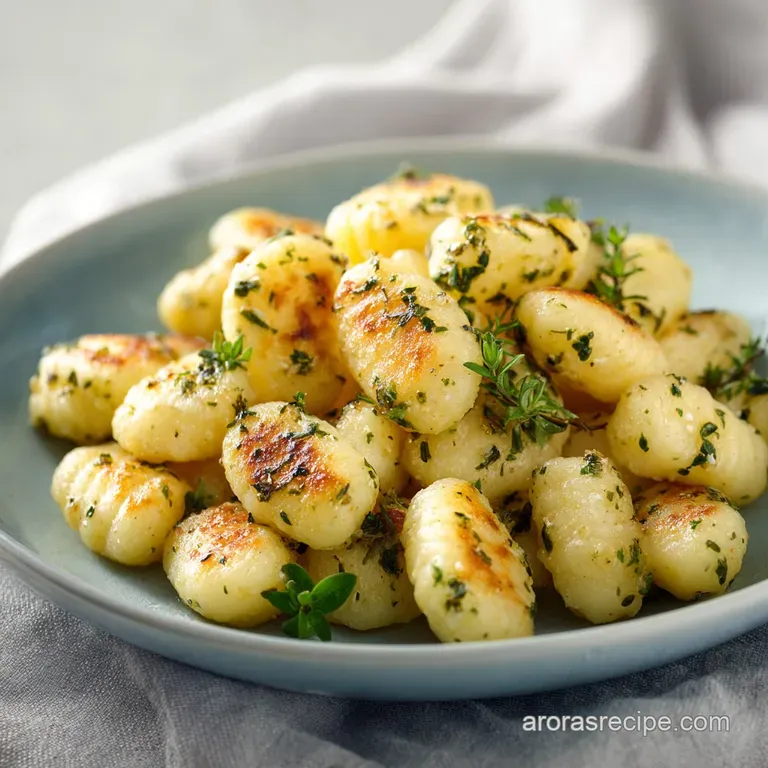
- Time: Active 5 minutes, Passive 20 mins, Total 25 minutes
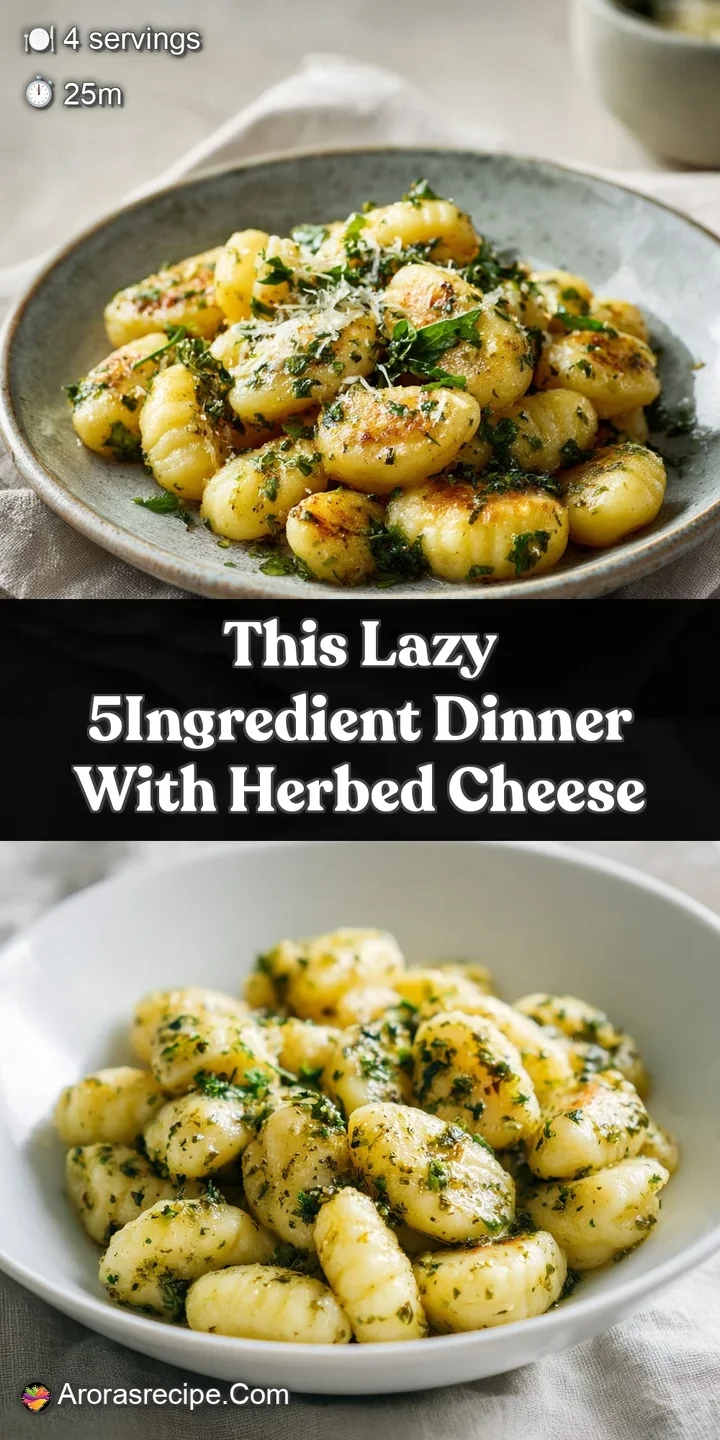
- Flavor/Texture Hook: Velvety herbed sauce with golden, pan seared gnocchi
- Perfect for: Hectic weeknights, beginner cooks, or a cozy 5 ingredient dinner for two
- Master This Lazy 5Ingredient Dinner Tonight
- The Science of Creamy Skillet Efficiency
- Analyzing the Elements of a Quick Meal
- Selecting High Quality Five Ingredient Components
- Essential Tools for Stress Free Cooking
- Executing the Perfect One Pan Method
- Solving Common Kitchen Stumbles with Ease
- Modifying the Recipe for Specific Needs
- Debunking Skillet Gnocchi Misconceptions
- Smart Storage and Leftover Transformations
- Final Touches for a Beautiful Plate
- High in Sodium
- Recipe FAQs
- 📝 Recipe Card
Master This Lazy 5Ingredient Dinner Tonight
There's a specific kind of panic that sets in at 6:00 PM on a Tuesday when you realize the chicken is still a solid block of ice in the freezer. I've been there more times than I care to admit, standing in my Nashville kitchen, staring blankly at the pantry shelves.
Last winter, during a particularly nasty sleet storm, I found myself in this exact spot. I had a package of shelf stable gnocchi and a lonely round of herbed cheese. I decided to stop overthinking it and just throw everything into my favorite cast iron skillet.
The result was a total revelation. The sound of the sausage hitting the hot pan that sharp, rhythmic sizzle—was the first sign I was onto something. As the gnocchi tumbled in, they didn't get gummy or soft; instead, they picked up these gorgeous, tawny brown spots that promised a slight crunch.
When I finally swirled in the cheese and watched it melt into the broth, the kitchen filled with an aroma of roasted garlic and fresh parsley that smelled like I’d been simmering a sauce for hours.
We aren't just making dinner here, we're practicing the art of the shortcut. This recipe is the ultimate "I don't feel like cooking" meal that still feels like a hug in a bowl. It’s about working smarter, not harder, and letting high impact ingredients like smoked sausage and flavored Gournay cheese do all the heavy lifting for you.
You'll get that velvety mouthfeel and those shatter-crisp edges without the sink full of dishes.
The Science of Creamy Skillet Efficiency
- Maillard Reaction: Searing the sliced chicken sausage and gnocchi creates a complex flavor profile through browning, turning simple starches into savory gold.
- Emulsification: The fats in the Boursin cheese bind with the proteins in the broth, creating a stable, silky sauce that clings to every crevice of the gnocchi.
- Starch Suspension: Since we aren't boiling the gnocchi in water, the surface starches stay on the dumplings, helping to thicken the sauce naturally as it simmers.
- Flash Wilting: The residual heat from the finished sauce provides just enough energy to collapse the spinach cell walls, maintaining its vibrant green color and nutrient density.
| Cooking Method | Total Time | Texture Outcome | Best For |
|---|---|---|---|
| One Skillet Stovetop | 25 minutes | Crispy exterior, pillowy interior | Maximum flavor and speed |
| Sheet Pan Bake | 35 minutes | Chewier gnocchi, roasted sausage | Hands off preparation |
| Slow Cooker | 3 hours | Soft, dumpling like texture | Preparing ahead of time |
Choosing the stovetop method allows you to control the exact moment the sauce reaches its peak silkiness. By searing the gnocchi first, you avoid the common pitfall of a gummy, one dimensional texture. This technique is similar to how I approach my 75 Healthy Dinner Recipes, where we focus on building layers of flavor in minimal time.
Analyzing the Elements of a Quick Meal
| Ingredient | Science Role | Pro Secret |
|---|---|---|
| Potato Gnocchi | Dense starch base | Pan fry them dry first to create a protective "crust" against sogginess. |
| Boursin Cheese | Primary emulsifier | Don't add it to a boiling pan; kill the heat first to prevent the cheese from "breaking." |
| Smoked Sausage | Fat and salt source | Slice on a bias (diagonally) to increase surface area for better browning. |
Selecting the right components makes all the difference when you're working with such a short list. Using a low sodium broth is a smart move here because the sausage and cheese already bring plenty of salt to the party. We want to control that balance so the herbs can really shine through.
Selecting high-quality Five Ingredient Components
- 17.5 oz potato gnocchi: Look for shelf stable or refrigerated versions. Why this? They hold their shape better during searing than frozen varieties.
- 6 oz smoked chicken sausage: Any pre cooked smoked variety works beautifully. Why this? It provides instant smoky depth without long cook times.
- 5.2 oz Boursin Garlic & Fine Herbs Gournay Cheese: This is the heart of your sauce. Why this? It contains both the fat and the aromatics needed for a complete flavor profile.
- 5 oz fresh baby spinach: Use the whole leaves; no chopping required. Why this? It adds necessary brightness and earthiness to balance the rich cheese.
- 0.5 cup low sodium vegetable or chicken broth: This acts as our liquid gold. Why this? It deglazes the pan and creates the sauce's volume.
Chef's Tip: If you find the Boursin is too firm to incorporate quickly, freeze the wheel for 10 mins before grating it directly into the skillet with a box grater. This ensures it melts instantly and evenly.
| Original Ingredient | Substitute | Why It Works |
|---|---|---|
| Boursin Cheese | Herb infused Cream Cheese | Similar creamy texture. Note: Slightly tangier and less crumbly than Gournay cheese. |
| Chicken Sausage | Smoked Kielbasa | Higher fat content. Note: Adds a more traditional, hearty pork flavor. |
| Baby Spinach | Lacinato Kale | Sturdier leaf. Note: Requires an extra 2 minutes of simmering to soften the ribs. |
If you happen to be cooking for a smaller crowd, this method scales down beautifully, much like my favorite Cooking for One recipe. You can simply halve the gnocchi and sausage while keeping a bit more of the cheese for extra indulgence.
Essential Tools for Stress Free Cooking
To get those perfect crispy edges, you'll want to reach for a large, heavy bottomed skillet. A 12 inch cast iron or a high-quality stainless steel pan is ideal because they hold heat consistently.
If you use a non stick pan, you'll still get a good meal, but you might miss out on those deep brown bits the "fond" that stick to the bottom and flavor the sauce.
Aside from the pan, a sturdy silicone spatula or a wooden spoon is your best friend here. You need something that can scrape the bottom of the pan effectively when you add the broth. This isn't a job for a flimsy whisk.
A simple cutting board and a sharp chef's knife for the sausage are the only other things standing between you and a finished plate.
Executing the Perfect One Pan Method
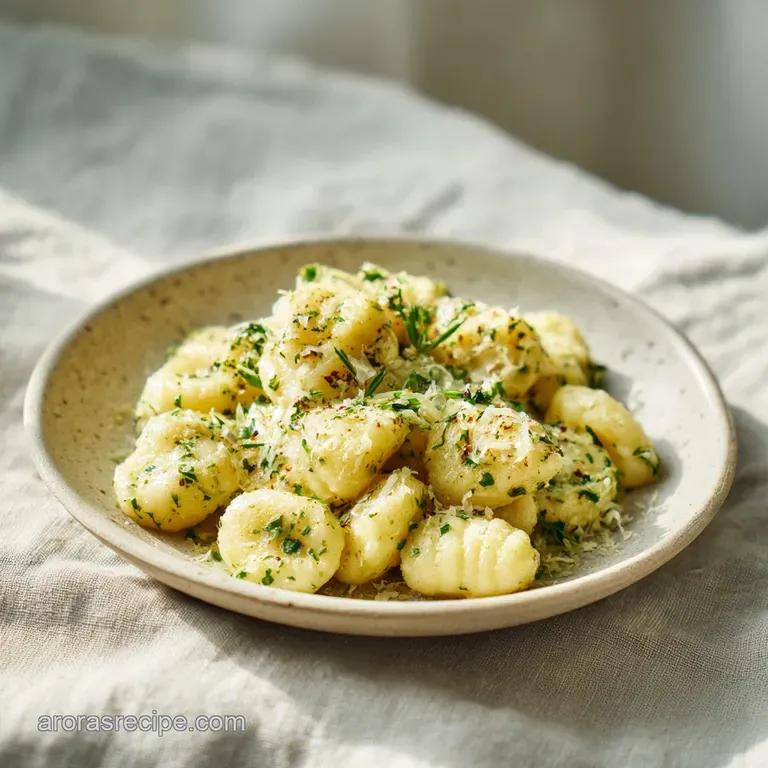
- Prep the sausage. Slice 6 oz smoked chicken sausage into 1/4 inch rounds. Note: Thin slices ensure they get crispy fast.
- Sear the protein. Place a large skillet over medium high heat. Add the sausage and cook 4 minutes until edges are browned and slightly curled.
- Brown the gnocchi. Add 17.5 oz potato gnocchi directly to the pan with the sausage. Note: Do not boil them first; we want them to toast in the sausage fat.
- Achieve the crust. Cook the gnocchi for 5 minutes, stirring occasionally, until they develop golden, toasted spots.
- Deglaze the pan. Pour in 0.5 cup low sodium vegetable or chicken broth. Note: Use your spoon to scrape up all the brown bits from the bottom.
- Wilt the greens. Toss in 5 oz fresh baby spinach. Stir constantly for 2 minutes until the leaves are vibrant green and soft.
- Introduce the creaminess. Turn the heat down to low. Add 5.2 oz Boursin Garlic & Fine Herbs cheese in small chunks.
- Final Emulsification. Stir the mixture gently for 2 minutes until the cheese has melted into a silky, opaque sauce.
- Rest and thicken. Remove from heat and let the dish sit for 60 seconds. Note: This allows the starch to fully set the sauce texture.
Chef's Tip: For a true restaurant style finish, add a tiny pinch of fresh lemon zest right before serving. The acid cuts through the richness of the herbed cheese perfectly.
Solving Common Kitchen Stumbles with Ease
Preventing Gummy Gnocchi
If your gnocchi feel sticky or "gluey," it's usually because the pan wasn't hot enough or too much liquid was added too soon. The starch needs heat to set the exterior before the moisture softens the inside. Always ensure the gnocchi have those visible golden patches before you pour in your broth.
If they’ve already turned gummy, try spreading them out in the pan and increasing the heat for sixty seconds to evaporate excess moisture.
Avoiding Sauce Separation
A broken sauce looks oily rather than creamy. This typically happens if the pan is screaming hot when the Boursin is added. High heat causes the fat in the cheese to separate from the solids. Always turn the heat to low or even off before stirring in your cheese.
The residual heat of the gnocchi and broth is more than enough to create that velvety finish.
| Problem | Root Cause | Solution |
|---|---|---|
| Thin, watery sauce | Too much broth or not enough starch | Simmer for 2 extra minutes uncovered to reduce the liquid. |
| Burnt sausage | Heat too high or not enough movement | Reduce heat to medium and add a teaspoon of olive oil. |
| Bitter spinach | Overcooked greens | Only add spinach at the very end; pull from heat once wilted. |
Common Mistakes Checklist
- ✓ Never boil shelf stable gnocchi before pan frying; they will fall apart.
- ✓ Avoid low-fat herbed cheese as it lacks the necessary fat to emulsify into a sauce.
- ✓ Don't overcrowd the pan; if the gnocchi are piled up, they will steam instead of sear.
- ✓ Use a low sodium broth to prevent the final dish from becoming an "over salted" mess.
- ✓ Always scrape the "fond" (brown bits) into the sauce; that's where the concentrated flavor lives.
Modifying the Recipe for Specific Needs
If you're looking for a healthy 5 ingredient dinner that cuts back on the carbs, you can swap the potato gnocchi for cauliflower gnocchi. Just be aware that cauliflower versions tend to be more delicate, so you'll need to use a bit more oil and a very hot pan to get that exterior crisp without them turning into mush.
For a 5 ingredient vegetarian dinner, simply swap the chicken sausage for a smoked apple and sage plant based sausage.
When cooking for a larger crowd, you can double this recipe easily. However, you must work in batches for the searing phase. If you dump two pounds of gnocchi into one skillet, they won't brown they'll just get warm and soft.
Sear half the sausage and gnocchi, remove them, do the second half, then combine everything at the end to finish the sauce. This ensures every bite has that signature "shatter" on the outside.
Debunking Skillet Gnocchi Misconceptions
One of the biggest myths is that gnocchi must be boiled in a massive pot of salted water to be "authentic." In reality, boiling shelf stable gnocchi often leads to a sodden, mushy texture. Pan frying is a legitimate technique used in many professional kitchens to add structural integrity and flavor.
The Maillard reaction on the potato starch creates a much more interesting bite than boiling ever could.
Another misconception is that you need heavy cream to make a creamy sauce. People often think the broth won't be enough to create a rich mouthfeel. However, when you combine a high fat Gournay cheese with the natural starches released by the gnocchi, you create a perfect emulsion.
You get all the richness of a cream sauce with half the effort and a more complex herb profile.
Smart Storage and Leftover Transformations
Storage: Store any leftovers in an airtight container in the fridge for up to 3 days. Because this is a cream based sauce, it doesn't freeze particularly well; the cheese can become grainy upon thawing.
If you must freeze it, do so for no more than 1 month, and be prepared to whisk in a splash of fresh broth when reheating to bring the emulsion back together.
Zero Waste: Don't toss the stems of your baby spinach! If they are small, they provide a nice crunch. If you have leftover sausage, dice it up tiny and fry it with eggs the next morning.
If you find yourself with half a wheel of Boursin left over, it makes a spectacular topping for a baked potato or can be stirred into mashed cauliflower for a quick side dish.
Final Touches for a Beautiful Plate
Presentation is all about contrast. Since this dish is largely beige and green, a pop of color goes a long way. I love to finish this with a heavy crack of fresh black pepper and maybe some red pepper flakes if you like a little Nashville heat.
If you want a restaurant quality look, don't just stir the spinach in layer some fresh leaves on the bottom of the bowl and pour the hot gnocchi over them so they wilt slightly while still looking fresh.
For an aesthetic crust, you can also sprinkle a tablespoon of panko breadcrumbs over the top and pop the skillet under the broiler for 60 seconds at the very end. This gives you a "casserole" feel with the speed of a skillet meal.
Serve it right out of the pan for that rustic, home cooked charm that makes everyone feel welcome at the table. Trust me, once you see those golden dumplings peeking out from the herbed sauce, you'll never go back to boiling water again.
High in Sodium
845 mg mg of sodium per serving (37% % of daily value)
The American Heart Association recommends limiting sodium intake to about 2,300mg per day.
Tips to Reduce Sodium in Your Gnocchi Dish
-
Broth Swap-30%
Use unsalted vegetable or chicken broth instead of low-sodium broth. This simple swap can significantly reduce sodium content.
-
Cheese Choice-15%
Reduce the amount of Boursin cheese, or substitute with a lower sodium soft cheese like ricotta or Neufchâtel. Using half the amount can also help.
-
Sausage Selection-15%
Opt for fresh, uncured chicken sausage, or reduce the amount of smoked sausage used. Smoked sausage is a significant source of sodium.
-
Herb Boost
Enhance the flavor of the dish with fresh herbs like basil, parsley, or oregano. These can add depth without adding sodium.
Recipe FAQs
Can I substitute fresh gnocchi for the shelf stable kind?
No, use shelf stable or refrigerated. Fresh gnocchi are too soft and will likely disintegrate when pan-seared in the skillet.
How to ensure the Boursin cheese creates a silky, not broken, sauce?
Turn the heat off before adding the cheese. Residual heat is enough to melt the fat and solids into an emulsion; boiling causes the fat to separate, resulting in an oily texture.
What is the minimum active time required for this lazy dinner?
Five minutes active time is the minimum. This covers slicing the sausage, adding ingredients sequentially, and stirring until the cheese dissolves.
How to brown the sausage properly for maximum flavor?
Slice the sausage on a bias and use medium high heat. This maximizes the surface area exposed to the pan, building up flavorful brown bits (fond) crucial for the sauce.
Is it true you must boil the gnocchi before adding them to the pan?
False. Boiling shelf stable gnocchi often leads to a mushy texture. Pan-frying them directly in the fat helps them toast and create a structural crust, unlike the softer outcome of boiling.
Can I use a different type of herbed cheese for this recipe?
Yes, but Boursin is recommended for its fat content. If substituting, choose a soft, creamy cheese, but you may need to slightly increase the broth to achieve the same velvety consistency as our [New Year s recipe] where complex sauces are key.
How should I reheat leftovers to maintain the creamy texture?
Reheat slowly on the stovetop over low heat. If the sauce seems too tight or grainy, whisk in one or two tablespoons of fresh chicken broth until the emulsion smooths out again.
Lazy 5 Ingredient Dinner Secret
Ingredients:
Instructions:
Nutrition Facts:
| Calories | 424 kcal |
|---|---|
| Protein | 14g |
| Fat | 20g |
| Carbs | 46g |
| Fiber | 2.7g |
| Sugar | 2.1g |
| Sodium | 845mg |
