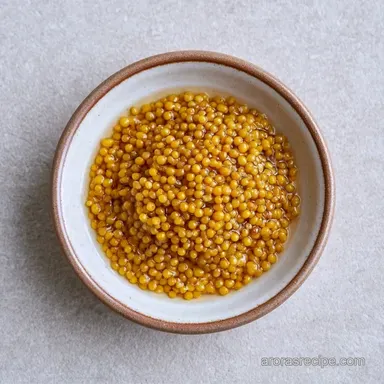
Pop-In-Your-Mouth Mustard Seed Pickles
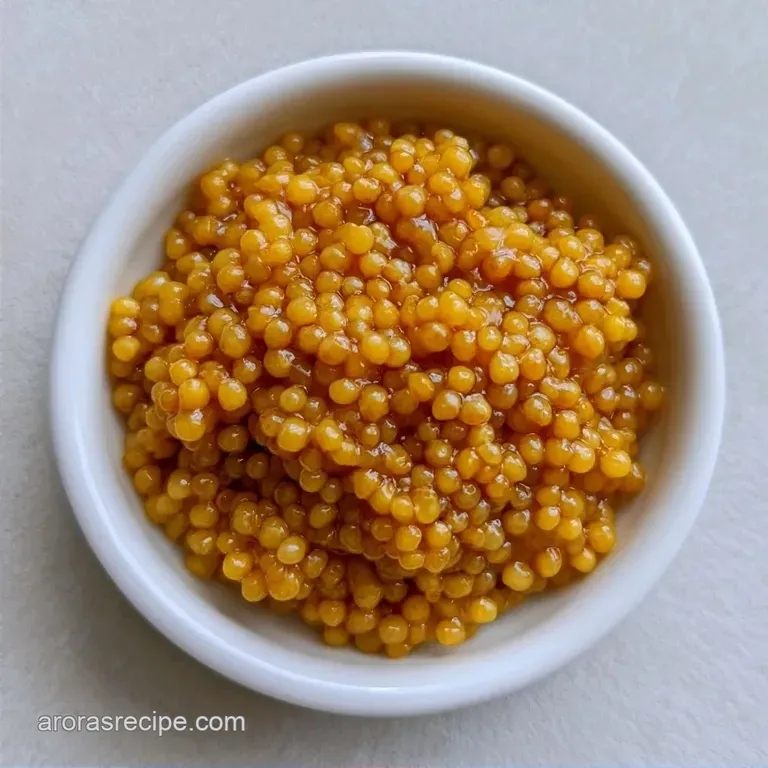
- Time: 15 min active + 30 min cook
- Flavor/Texture Hook: Zesty, shiny beads that pop in your mouth
- Perfect for: Charcuterie boards or burger toppings
Ever noticed how a prime piece of smoked brisket or a curated cheese board can be let down by a bland condiment? I used to settle for store-bought versions, but they were usually too acidic and lacked any real nuance.
I began experimenting with seeds at home to create something more vibrant. Once I found that a quick simmer converts a hard grain into a juicy, flavor filled pop, everything changed.
These Mustard Seed Pickles are a simple win for any home cook. You don't need hours of prep or specialized canning gear to create something with a professional deli quality.
The Pop Factor
Simmering: Heating the seeds in brine breaks down the raw, bitter compounds. This makes the seeds plump and translucent.
Osmosis: The sugar and salt draw moisture out while the vinegar pushes flavor in. This creates that distinct "pop" when you bite into them.
Acid Balance: Using apple cider vinegar instead of white vinegar adds a fruity note that cuts through the sharpness of the mustard.
| Method | Time | Texture | Best For |
|---|---|---|---|
| Fast Soak | 24 hours | Firm/Crunchy | Raw salads |
| Simmered | 55 mins | Plump/Juicy | Mustard Seed Pickles |
| Canned | 1 week | Soft/Tender | Long term storage |
Quick Recipe Specs
This recipe focuses on a small batch approach. You can make it in one pan and have it ready for your board in under an hour. It's a reliable way to add a gourmet touch to simple meals without adding much work to your evening.
Essential Pantry Items
I like to use yellow seeds because they have a milder profile that lets the brine shine. If you can't find sea salt, kosher salt works just as well.
What Each Ingredient Does
| Component | Purpose | Substitute Notes |
|---|---|---|
| Yellow Mustard Seeds | Main body | Black seeds: Stronger, more pungent flavor |
| Apple Cider Vinegar | Acid/Tang | White vinegar: Sharper, less fruity |
| Granulated Sugar | Balance | Honey: Thicker syrup, floral notes |
| Turmeric Powder | Color | Saffron: More expensive, earthy taste |
The Grocery List
- 1/2 cup apple cider vinegar Why this? Adds a mellow, fruity acidity.
- 1/4 cup water
- 1/3 cup granulated sugar
- 1 tsp sea salt
- 1/2 tsp turmeric powder
- 1/2 cup yellow mustard seeds Why this? Provides the classic pop and mild heat.
- 1 clove garlic, smashed
- 1/2 tsp black peppercorns
Minimal Gear Needed
Minimal equipment is required for this process. A small stainless steel saucepan is essential, as it provides even heat distribution and is non-reactive with vinegar.
I recommend a fine mesh strainer for the initial rinse, though a coffee filter or a very fine sieve will work just as well. You will also need a clean glass jar to store the finished seeds.
Cooking Steps
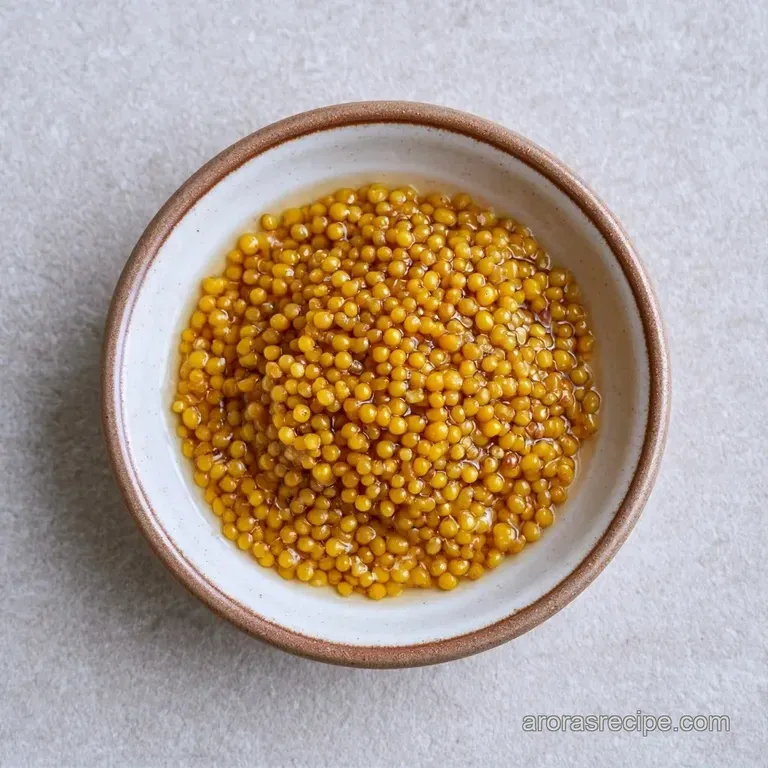
Let's get moving. The objective is to achieve a liquid that coats the seeds perfectly without turning into a jam.
- Wash the mustard seeds using a colander and cool water. Note: This removes loose husks and dust for a clearer brine.
- Mix the apple cider vinegar, water, granulated sugar, sea salt, and turmeric powder in a small stainless steel saucepan.
- Bring the brine to a light boil over medium heat, stirring until the sugar is completely dissolved.
- Mix in the washed mustard seeds, smashed garlic, and black peppercorns.
- Lower the heat and simmer uncovered for 20–30 minutes until seeds are plump and translucent and the liquid has reduced to a syrupy glaze.
- Remove the pan from the stove and let the mixture cool for 10 minutes.
- Use a slotted spoon to move the seeds into a clean glass jar.
- Pour the remaining brine over the seeds.
| Budget Item | Cheap Alternative | Impact | Savings |
|---|---|---|---|
| Apple Cider Vinegar | White Vinegar | Sharper taste | $1-2 |
| Sea Salt | Table Salt | Slightly saltier | $0.50 |
| Turmeric | Omit | Lighter yellow color | $1 |
Fixing Common Issues
Mistakes can happen even with a basic recipe. For Mustard Seed Pickles, the most common problems relate to the simmering time or the heat level.
Bitter Seed Fix
If the seeds taste too sharp, they likely weren't simmered long enough to neutralize the raw enzymes. You can stir in a teaspoon of honey while they are still warm to offset the bitterness.
Thin Brine Issues
A runny brine usually indicates that the liquid didn't reduce enough. You're aiming for a syrupy texture that coats the seeds. Next time, keep the lid off and simmer for an additional 5 minutes.
Mushy Texture
Overcooking the seeds can cause them to lose their bite. If they are soft rather than popping, they've simmered too long. Remove them from the heat the instant they appear translucent.
| Problem | Fix |
|---|---|
| Bitter taste | Simmer longer or add honey |
| Runny brine | Reduce liquid by 5 more mins |
| Mushy seeds | Shorten simmer time |
Best Food Pairings
These seeds function as a savory condiment "caviar." I enjoy spooning them onto sharp cheddar or using them as a garnish for hot dogs. They also offer a wonderful contrast to heavier meats.
For a true Southern experience, try them on a burger with a slice of melted provolone. The tanginess balances the richness of the beef and cheese. You can also mix them into a homemade tartar sauce for added texture.
Freshness Guidelines
Store these in a glass jar in the cooler. They'll keep their pop and flavor for about 3 weeks. Just make sure the seeds are completely covered by the brine so they don't dry out.
Don't throw away the leftover liquid! That brine is basically liquid gold. You can use it to dress a quick slaw or whisk it into a vinaigrette for a salad. If you enjoy other preserved treats, you might also like this sweet pickles recipe for a different flavor profile.
Flavor Twists
After you've mastered the basics, feel free to tweak the flavor profile to suit your taste. For a bit more heat, I typically replace the garlic with a pinch of red pepper flakes.
For a more classic touch, stir in a sprig of fresh dill while simmering. This results in a style similar to bread and butter pickles, but with a distinct seed texture.
Quick Tweaks:
- Extra tang? → add 1 tbsp vinegar
- Sweeter? → add 1 tbsp sugar
- More heat? → add 1/4 tsp red pepper flakes
Scaling the Recipe
To prepare a larger quantity, you can double the ingredients. However, avoid doubling the salt and turmeric exactly; use 1.5x the salt and spices to prevent over seasoning. Since you're working with more liquid, you may need to simmer for an extra 10 minutes to achieve that syrupy glaze.
For a smaller batch, you can halve everything. Use a smaller pan to prevent the liquid from reducing too rapidly, and check the seeds at the 15 minute mark.
Debunking Common Myths
Some claim that mustard seeds must be soaked overnight to remove bitterness. This isn't true; a 20 minute simmer is much faster and more effective.
Others believe a pressure canner is required for these to be safe. While canning is great for long term storage, these are "refrigerator pickles." They are meant to be kept chilled, which preserves their pop and fresh flavor.
Now you're all set to make some bold Mustard Seed Pickles. It's a simple process that makes a huge impact on your dishes. Just keep an eye out for that translucent look, and you're good to go.
Recipe FAQs
What taste should I expect from these seeds?
They taste tangy and slightly sweet with a distinct popping sensation. The simmering process removes the raw bitterness found in plain seeds.
How many mustard seeds go into a single jar?
Use 1/2 cup of yellow mustard seeds. This amount balances perfectly with the brine to create a glossy, syrupy glaze.
Why is apple cider vinegar used instead of white?
It provides a fruity note that cuts through the sharpness. This creates a more complex flavor profile than standard distilled vinegar.
Is it true that pickling only requires vinegar to be successful?
That's a myth. You need salt and often sugar to balance the flavors and draw moisture out of the ingredients through osmosis.
How to prepare the seeds before simmering?
Place the mustard seeds in a fine mesh sieve and rinse with cold water. This clears away surface dust and stray husks for a more polished result.
Where should these be stored to keep them fresh?
Keep them in a glass jar under refrigeration. If you enjoyed mastering the flavor balance in this condiment, see how we use a similar tangy profile in our creamy sauce.
Mustard Seed Pickles in 45 Minutes